Support

Saadi Tomb

About

An outstanding architectural and memorial ensemble dedicated to Saadi — one of the greatest Persian poets and thinkers of the 13th century. This iconic site is located in the picturesque city of Shiraz, which is rightfully considered the cultural heart of Iran. The mausoleum is not just a tomb, but a true center of cultural attraction, drawing literature lovers from all over the world.
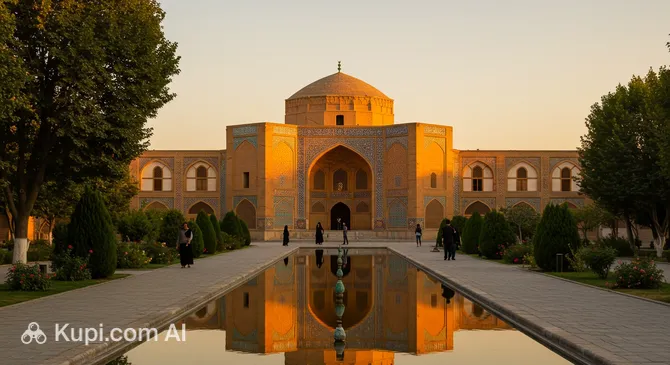
Tomb of Saadi
Tomb of Saadi. Иллюстрация. Источник: Kupi.com AI

The architecture of the complex is striking in its refinement: the building is crowned by a high turquoise dome that stands out clearly against the sky. The interior of the mausoleum is designed as an octagonal hall, its walls adorned with elegant calligraphy featuring quotes from the poet's works. This harmonious combination of stone, mosaic, and word creates a unique aura of tranquility and reverence.

The complex is surrounded by a lush Persian garden with well-maintained paths and pools, making it an ideal place for a stroll. The Tomb of Saadi is a must-visit for anyone wishing to touch the rich historical and literary heritage of ancient Persia.

Contacts

For those planning to visit this cultural site in the city of Shiraz (Iran), it is useful to have up-to-date contact and navigation information at hand.

How to contactContact
AddressDistrict 3, Shiraz, Iran
Phone+98 71 3730 2300

What to Do

A visit to this site offers guests not only a look at monuments but also an opportunity to immerse themselves in the world of classical poetry. Once inside the main hall, be sure to pay attention to the calligraphic inscriptions: Saadi's most famous beits (couplets) dedicated to love, morality, and humanity are engraved on the walls. This is the perfect moment to feel the depth of the Persian word.

A stroll through the adjacent park will be a true delight for landscape design enthusiasts. The garden, with its decorative pools and shady alleys, is a wonderful place to take a breather. The tomb of another famous poet, Shurideh Shirazi, is also located here, completing the overall atmosphere of a literary pilgrimage.

For photography enthusiasts, the memorial offers many interesting angles: from the majestic turquoise dome to the graceful arches reflected in the water. Many come here simply to sit in silence, listen to the birds singing, and escape the city noise, enjoying the atmosphere of peace that permeates every corner of this complex.

Getting There

Located in the northeast of the city, the complex is at the very end of the busy Bustan Boulevard. This spot is very popular among locals, so any driver can easily take you to your destination.

The most convenient way to get here from the central districts is to take a taxi. The ride usually takes about 15–20 minutes, depending on traffic. You can also use city buses that run regularly towards the northeastern outskirts.

If you prefer organized leisure, a visit to the tomb is often included in city sightseeing tours. For independent travelers, the well-maintained park area surrounding this historical site serves as a landmark.

Ближайший город: Shiraz

History & Facts

The history of this place, sacred to Iranians, began as far back as the 14th century, when the first structure was erected over the grave of the great thinker. Unfortunately, the original building did not withstand the test of time, and in the 18th century, during the reign of Karim Khan Zand, a new brick mausoleum was built, which stood until the middle of the last century.

The memorial acquired its modern appearance in the 1950s. The project, created by architect Mohsen Foroughi, became a magnificent example of how traditional Persian architectural techniques can harmoniously combine with modern forms. Today, the building with its recognizable blue dome is one of the city's symbols.

Saadi Shirazi is not just a poet, but a true spiritual mentor for many generations. His major works, “Bustan” (The Orchard) and “Gulistan” (The Rose Garden), laid the foundations of classical Persian literature. The mausoleum serves not only as his resting place but also as a living monument to the humanism and wisdom of his work.

Time Needed

To fully experience the melancholic yet sublime atmosphere of this place, most travelers need between 1 and 2 hours. This time is quite sufficient for a leisurely look at the architecture and a walk through the surrounding gardens.

If you plan to thoughtfully study the calligraphic inscriptions on the walls, take artistic photos, or simply want to sit longer in the shade of the trees reflecting on the eternal, it's worth allocating a bit more time. Visiting the complex does not require haste and encourages a contemplative mood.

Working Hours

The gates of the memorial complex are open to visitors throughout the day, allowing you to choose the most convenient time for a visit — from early morning to late evening.

This flexible schedule allows you to see the mausoleum and garden both in bright daylight and under the mysterious evening illumination.

7:00 – 23:53

Nearby

Getting to know the surroundings of this literary monument will allow you to dive deeper into the atmosphere of leisure and entertainment that this area of the city is famous for. After visiting the peaceful tomb, it will be interesting to change the scenery and visit local parks and entertainment centers.

NameDistance
Delgosha Garden0.9 km
Tomb of Hafez2.4 km
Quran Gate2.5 km
Jahan Nama Garden2.5 km
Haft Khan Restaurant2.8 km
Qavam House3.3 km
Zinat ol-Molk House3.4 km

What to see in nearby cities

Reached the end of the page?

That means the route is fully explored