Golestan Palace, whose name poetically translates as the "Palace of Flowers," is one of the most significant and magnificent historical monuments in Tehran. Located in the heart of the Iranian capital on the grounds of a former citadel (arg) established in the 16th century under the Safavid dynasty, this complex is rightfully considered a true gem reflecting the rich history of Iran.
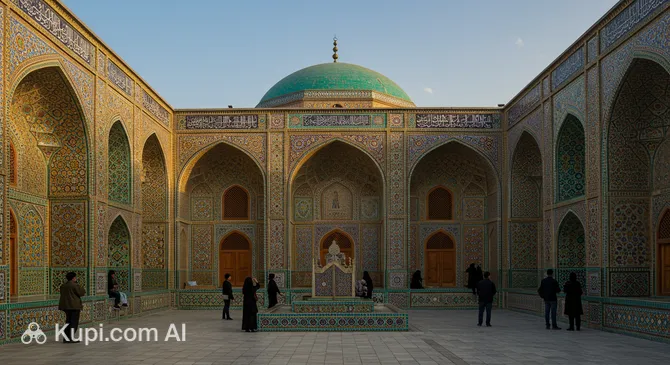
Traveler photos:
The palace is an impressive ensemble of buildings, each striking in its rich decoration. The interior and exterior walls are adorned with skillful paintings, sparkling frescoes, mirror mosaics, noble marble, vibrant tiles, and delicate wood carvings. The architecture of Golestan Palace harmoniously intertwines traditional Persian motifs and European styles, which is particularly noticeable in the design of the facades with their elegant arches of intricate tilework and decorative windows. Some structures in the complex are topped with golden domes and decorated with colorful tiles, their silhouettes reminiscent of majestic minarets.
For a long time, Golestan Palace served as the official residence of the Qajar dynasty rulers (1795-1925), and today it vividly reflects the main trends of that era: a pursuit of unsurpassed luxury and splendor combined with a desire to emulate European style while carefully preserving national identity. Unfortunately, part of the original complex was lost during the Pahlavi dynasty (1925-1979), when some historical buildings were demolished or rebuilt during the modernization of Tehran; however, even today, the palace continues to fascinate visitors with its magnificence and historical atmosphere.