Support

Cultural Heritage and Tourism Base of Hegmataneh

About

Imagine a place where the pages of ancient chronicles come to life: the Hegmataneh Cultural Heritage and Tourism Complex is a magnificent open-air archaeological site located in the city of Hamadan. Occupying an area of about 30 hectares, this site contains the remains of legendary Ecbatana, the ancient capital of the Medes, founded several millennia ago. Today, it is not just a hill of ruins, but a living testament to the grandeur of the first Iranian empires.
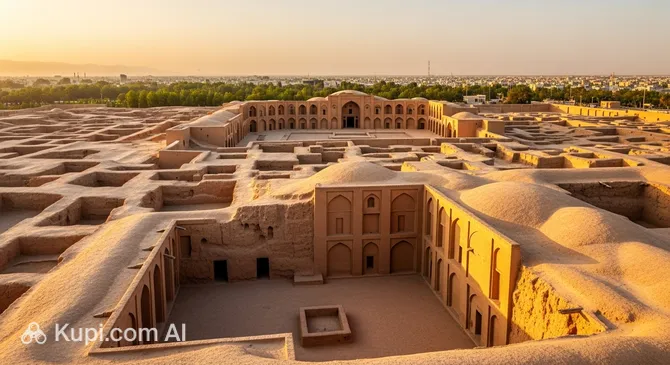
Hegmataneh Cultural Heritage and Tourism Complex
Hegmataneh Cultural Heritage and Tourism Complex. Иллюстрация. Источник: Kupi.com AI

The complex in Iran includes extensive excavation zones where you can see the foundations of palaces, temples, and fragments of massive defensive walls. Visitors have a unique opportunity to observe the ancient urban planning, including a sophisticated water supply system. One of the most impressive features is the history of the seven concentric walls of different colors that once protected this political and commercial center.

In addition to the excavations, a modern archaeological museum operates on the grounds. It carefully preserves artifacts found directly on this hill: from everyday utensils to exquisite jewelry and sculptures. Due to its global significance, Hegmataneh is a UNESCO World Heritage site, making it an essential stop for any researcher of Eastern cultural heritage.

Contacts

To confirm the latest information before your visit, you can refer to the following details:

How to contactContact
AddressRG39+J65, Хамадан, Иран

What to Do

The main highlight of visiting the complex is the opportunity to literally touch thousands of years of history. While walking across Hegmataneh Hill, you will see open archaeological sectors featuring the foundations of ancient buildings. Particular attention should be paid to the remains of the Palace of Darius, where intricate stone carving details can still be observed. Be sure to climb the higher points to appreciate the structure of the ancient city and take panoramic photos of Hamadan against the backdrop of the Zagros Mountains.

The second essential part of the program is a visit to the archaeological museum. Its halls display collections of ceramics, weapons, and coins discovered in these layers of earth since the 20th century. The exhibits provide a visual journey through how daily life changed over the centuries—from the Median period to the Achaemenid era and beyond.

If you want to dive deeper into the context, it is worth hiring a professional guide. Experts will tell you about how the city functioned on the Great Silk Road and the legends associated with its "planetary" walls. It is an ideal place for those seeking inspiration in the silence of ancient ruins and wanting to feel the scale of shifting civilizations.

Getting There

This archaeological site is located within the city of Hamadan, at the foot of the majestic Alvand Mountain. Reaching it from the city center is extremely easy: a taxi or local bus ride will take only 5–10 minutes.

If you are arriving in the region via Hamadan Airport (AYHS), the journey to the complex is about 20 kilometers. A taxi ride from the airport takes between 20 and 30 minutes, depending on traffic. You can also walk to Hegmataneh from the city's famous bazaar, which allows you to soak in the atmosphere of everyday Iranian life along the way.

For maximum comfort and the best panoramic views, it is recommended to plan your visit during daylight hours. Parking is available near the site for those who prefer to travel by rental car.

Ближайший город: Hamadan

History & Facts

The history of this site is rooted in the deep past: Hegmataneh is considered one of the oldest capitals of Iran, founded by the Medes as early as around 3000 BC. It was the location of the legendary Ecbatana, which served as the political and cultural center of the Median Kingdom in the 7th–6th centuries BC. The ancient Greek historian Herodotus described the city as an impregnable fortress surrounded by seven concentric walls, each painted a different color to symbolize the celestial bodies.

With the rise of Cyrus the Great, the city did not lose its significance, becoming the summer capital of the Achaemenid Empire. Thanks to the cool mountain climate, Persian kings, including Darius the Great, spent the hot months here, receiving foreign ambassadors and conducting state affairs. Its favorable geographical position turned the city into a vital hub on the Silk Road, linking Mesopotamia with the Iranian Plateau and fostering a booming trade.

Systematic archaeological research, which began in the early 20th century, confirmed Ecbatana's status as a "melting pot" of ancient civilizations. Unique water supply systems and remains of monumental buildings were discovered. In 2024, the exceptional historical value of the site was recognized globally when the complex was included in the UNESCO World Heritage list.

Time Needed

To leisurely explore all the key features of the complex, a typical visitor needs about 2–3 hours. This is enough time to walk through the excavation areas on the hill, appreciate the scale of the ancient city, and enjoy the surrounding landscapes.

It is recommended to spend about 1.5 hours walking across the hill itself, with another 30–45 minutes set aside for the archaeological museum, which houses the most valuable finds. If you plan to take many photographs or wish to use the services of a guide, it is better to allocate a bit more time for your visit.

Working Hours

The complex welcomes visitors daily and is open seven days a week. The site's doors are open from 08:00 to 21:00, allowing you to choose between an early morning visit or the pre-sunset hours when the lighting for photography becomes particularly striking.

Nevertheless, it is recommended to check the schedule on the official website or with local tour operators before your trip, as opening hours may change during public holidays or religious events.

08:00–21:00

Nearby

A visit to the Hegmataneh complex is just the beginning of your journey through the region's rich heritage. The surroundings of Hamadan abound with historical monuments, each adding new colors to the overall picture of ancient Persian history.

NameDistance
Ecbatana Museum0.1 km
Shandiz Haji Restaurant0.7 km
Imam Khomeini Square0.7 km
Tomb of Baba Taher1 km
Tomb of Avicenna1.5 km
Stone Lion of Hamadan2.1 km

Reached the end of the page?

That means the route is fully explored