Support

Tomb of Abu Ali Sina

About

Imagine a monumental structure where the harmony of ancient traditions meets the grandeur of the human mind. The Avicenna Mausoleum is more than just a tomb; it is a true symbol of the city of Hamadan, dedicated to the legendary physician, philosopher, and scientist Ibn Sina. This complex is rightly considered one of the most significant cultural attractions Iran has to offer travelers.
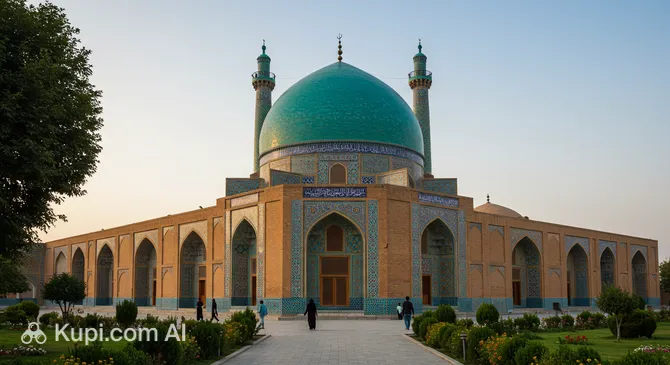
Tomb of Avicenna
Tomb of Avicenna. Иллюстрация. Источник: Kupi.com AI

The architectural design of the mausoleum, created by the talented Hooshang Seyhoun, is striking with its 23-meter spindle-shaped tower. The design reflects the influence of the famous Gonbad-e Qabus tower but with a modern interpretation. The building is surrounded by a classic Persian garden, and its facade is adorned with granite quarried from the Alvand mountains, giving the structure the monumentality and grandeur characteristic of ancient palaces.

Inside the complex, visitors will find not only the final resting place of the great thinker but also an interesting exhibition. This site functions as both a museum and a memorial, allowing guests to connect with the legacy of a man whose works on medicine and philosophy were foundational texts for centuries in both the East and the West.

Contacts

To confirm the current visiting hours or arrange group tours, you can use the contact details provided below. We recommend checking the schedule in advance during public holidays, as it may change.

How to contactContact
AddressHamedan, Buali Sina Square, QGR7+J6H, Iran
Phone+98 81 3826 1008

What to Do

The main focus of the complex is, of course, Avicenna's tomb itself. It is located in the center of one of the halls and is topped with a massive marble headstone. The interior space is filled with an atmosphere of profound respect for science: the walls are decorated with herbaria featuring the plants that the scholar used in his famous medical prescriptions.

As you stroll through the galleries, look for the grave of Abu Said Dakhduk, a loyal friend of Ibn Sina, whose house once stood on this very spot. The complex also houses the burial site of the Iranian poet Aref Qazvini. Visitors can not only study historical artifacts but also enjoy the cool shade of the traditional Persian garden, where it is lovely to reflect on the eternal amidst the flowers and trees.

Don't forget to admire the majestic columns supporting the mausoleum's vault. Every detail of the interior, from the lighting to the arrangement of the exhibits, emphasizes this site's status as an important center of enlightenment and remembrance.

Getting There

Reaching this iconic site is easy, as the mausoleum is located on Bu-Ali Sina Square, one of the city's central landmarks. Almost any local resident will be able to point you toward this architectural centerpiece.

The most convenient way to get around the city is by taxi. You can hail a car on the street or use local ride-hailing services. A trip from most parts of central Hamadan will take no more than 10–15 minutes. If you prefer public transport, many bus routes pass through Bu-Ali Sina Square, connecting various parts of the city.

For those staying in central hotels, a walk to the mausoleum can be a pleasant addition to your sightseeing program, allowing you to explore the lively streets and artisan shops along the way.

Ближайший город: Hamadan

History & Facts

The history of this site dates back to the 11th century, when the great thinker Ibn Sina (Avicenna) completed his earthly journey here in Hamadan in 1037. Unfortunately, the original burial site did not survive the passage of time and the Mongol invasion of the 13th century, which left the tomb almost completely destroyed.

Efforts to honor the scholar's memory began during the Safavid dynasty and continued under the Qajars, when the building was significantly expanded. However, the majestic appearance we see today was achieved in the mid-20th century, thanks to a project by architect Hooshang Seyhoun, who masterfully combined elements of ancient Persian and Islamic architecture.

Interestingly, the modern conical tower features 12 columns, symbolizing the 12 branches of knowledge that Avicenna mastered. In 1997, the mausoleum was officially recognized as an Iranian National Cultural Heritage site, confirming its status as one of the country's most important monuments.

Time Needed

A leisurely tour of the complex, including a visit to the museum and a stroll through the adjacent garden, usually takes between 1 and 2 hours. This is ample time to explore the medical exhibits and appreciate the architectural details of the building itself.

If you plan to spend time reflecting in the shaded garden or taking many photos in different light conditions, it is worth setting aside a little more time. The peaceful atmosphere of this place often invites visitors to linger longer, away from the hustle and bustle of the city.

Working Hours

The mausoleum is open to visitors daily, making it a very convenient stop to include in any city sightseeing route. The standard operating hours are from 8:30 AM to 8:30 PM every day of the week, including Fridays.

We recommend visiting the mausoleum in the early morning hours or towards evening, when the soft light highlights the texture of the granite facade and creates a particularly solemn mood. Please note that operating hours may be reduced on public or religious holidays.

8:30 – 20:30

Nearby

Hamadan is a city with a rich past, and exploring the sites near the mausoleum will allow you to dive deeper into the atmosphere of ancient Persia. Most interesting locations are within walking distance or just a few minutes away by taxi.

Special attention should be paid to the ancient monuments that testify to the diversity of cultures and religions that have coexisted in this region for millennia. Below are the most significant nearby attractions:

NameDistance
Imam Khomeini Square0.8 km
Shandiz Haji Restaurant0.9 km
Stone Lion of Hamadan1.2 km
Hegmataneh Cultural Heritage and Tourism Complex1.5 km
Ecbatana Museum1.5 km
Tomb of Baba Taher2 km

Reached the end of the page?

That means the route is fully explored