Support

Shapour Khaast Castle

About

Perched atop a high cliff in the heart of the city of Khorramabad, the majestic Falak-ol-Aflak Fortress stands as one of the most recognizable symbols of Iran. Also known as Shapur-Khast Castle, this ancient citadel was built during the Sassanid era in the 3rd century AD and served as an impregnable defensive outpost for centuries.
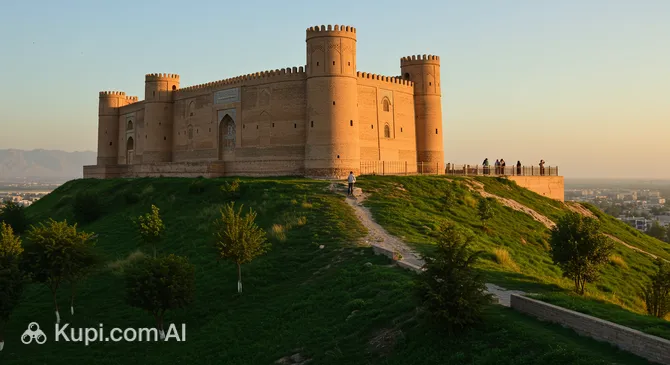
Falak-ol-Aflak Castle
Falak-ol-Aflak Castle. Иллюстрация. Источник: Kupi.com AI

The name of the structure translates poetically as "Sky of Skies". One theory suggests this name was given because of its eight massive towers, which in ancient times may have symbolized the celestial spheres. The citadel covers an impressive area of over 5,300 square meters, and its walls, built of stone and brick, reach a height of 23 meters, showcasing the power of ancient engineering.

One of the unique features of Falak-ol-Aflak is its hidden moisture control system. A network of channels was laid beneath the foundation to drain groundwater, protecting the masonry from decay for over 1,500 years. At the foot of the hill, the Golestan Spring flows, which once supplied the castle's inhabitants with water via a deep 40-meter well that still functions today.

Contacts

To clarify current information about visiting or organizing excursions, you can use the following contact details:

How to contactContact
AddressKhorramabad, استان لرستان خرم آباد استان لرستان،خرم آباد،خیابان دوازده برجی(خیابان امام ره، Emam Khomeini St, Iran
Phone+98 66 3331 2511

What to Do

Visiting the Falak-ol-Aflak Fortress is a true journey through time. Start your visit with a stroll through the two inner courtyards, where you can appreciate the scale of the walls and the power of the surviving towers. Be sure to climb to the observation decks: they offer a breathtaking panoramic view of all of Khorramabad and the picturesque valley surrounded by mountains.

Inside the fortress walls today, you will find fascinating museum exhibitions. In the Archaeological Museum, you will see rare artifacts from ancient Lorestan, while the Ethnographic Museum will introduce you to the lifestyle, costumes, and traditions of local nomadic tribes. Here you can see wax figures detailing scenes from life in centuries past, as well as unique examples of the famous Lorestan bronze.

Don't miss the chance to peek into the first courtyard to see the ancient bathhouse and the famous castle well that goes deep into the rock. For photography enthusiasts, this place offers many striking angles: from the rugged embrasures and textured brick walls to the soft views of the Golestan Spring flowing below.

Getting There

The majestic citadel is located in the very heart of the city of Khorramabad on Imam Khomeini Street (also known as Twelve Towers Street). Due to its location on a high hill, the fortress is visible from almost anywhere in the city center, making it an excellent landmark for tourists.

The easiest way to reach this historical monument is by taxi — a trip from the airport or the main bus station will take no more than 10–20 minutes. Public transportation also runs frequently in this area, with bus stops within walking distance on the main street.

For those who prefer walking, the climb to the fortress gates from the foot of the hill takes about 5–10 minutes along a specially equipped path. If you are traveling by car, there is parking available at the base where you can leave your vehicle before starting the tour.

Ближайший город: Khorramabad

History & Facts

The history of this defensive giant is rooted in deep antiquity. The fortress was built in the 3rd century AD, during the Sassanid dynasty, and was originally called Shapur-Khast. It is believed that its construction was initiated by Shapur I the Great himself. Over the centuries, the citadel has changed names many times, including Dezbaz and "Khorramabad Castle," remaining a key administrative and military center for the region.

In the Middle Ages, the castle served as a residence for rulers of various dynasties, such as the Hasanwayhids and Buyids. During the era of the Atabegs of Little Lur, the state treasury was located here. Sir Henry Rawlinson, the famous 19th-century British diplomat and orientalist, described Falak-ol-Aflak as an impregnable structure, complemented by luxurious gardens and stables, highlighting its status as an architectural gem.

In later periods, under the Safavids and Qajars, the fortress was used by governors, and in the 20th century, during the Pahlavi era, it was temporarily converted into a military garrison and even a prison. Today, this site is recognized as a national treasure and is the primary symbol of the history and resilience of Lorestan province.

Time Needed

To leisurely explore all the hidden corners of the fortress, walk through its spacious courtyards, and study the rich museum exhibits, a typical visitor will need between 2 and 3 hours. This is plenty of time to climb the towers and take panoramic photos of the city.

If you plan to study the archaeological finds in detail or visit the ethnographic department, it is worth setting aside a bit more time. It is best to plan your tour of the fortress for the morning, so that after the excursion there is time left for a walk through the adjacent parks and embankments.

Working Hours

The doors of the ancient citadel are open to travelers daily. You can plan your visit for any day of the week, as the site is open seven days a week.

Opening Hours:
Monday — Sunday: from 8:00 AM to 7:00 PM.

8:00 – 19:00

Nearby

Exploring the surroundings of the citadel will allow you to dive deeper into the atmosphere of ancient Lorestan and enjoy the modern hospitality of the city. Right next to the historical hill, you will find both natural sites and monuments of past engineering.

NameDistance
Khorramabad Hill1 km

Reached the end of the page?

That means the route is fully explored