Support

Niavaran Palace Complex

About

The Niavaran Palace Complex is a magnificent historical and architectural ensemble located in northern Tehran, the capital of Iran. This gem of Persian culture is one of the country's top tourist attractions, drawing visitors with its rich history and refined beauty. The complex is a unique combination of palaces, pavilions, and museums surrounded by a picturesque garden covering about 11 hectares.
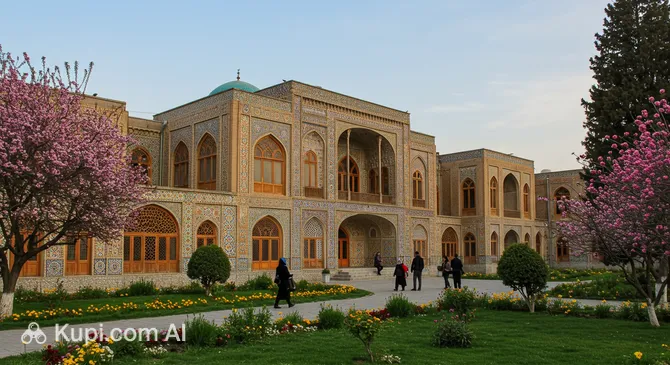
Niavaran Palace Complex. Illustration.
Source: Kupi.com AI

Traveler photos:

The architecture of the Niavaran Palace Complex harmoniously blends elements of traditional Persian architecture with European influences, creating a unique style. The interior design of the palaces captures the imagination with its luxury, abundance of decorative details, exquisite furniture, and works of art. Every hall and room tells its own story, reflecting the tastes and eras of its former owners.

Originally, the complex served as a summer residence for Persian monarchs of the Qajar dynasty. Later, in the 20th century, it was significantly rebuilt and expanded, becoming the official residence of the last royal family of Iran — the Pahlavis. It was here that many important historical events took place, leaving a mark on the country's history.

Today, the Niavaran Palace Complex is open to the public as a museum complex. Visitors can walk through its halls, learn about the daily life and culture of Iranian rulers, and see collections of art, historical artifacts, and personal belongings of the royal family. It is a wonderful opportunity to immerse yourself in the atmosphere of the past and learn more about the history and art of Iran.

Contacts

According to available information, direct contact details for the Niavaran Palace Complex, such as a phone number, email, or official website, are currently not listed. For the most up-to-date information regarding opening hours, entrance fees, and other details, we recommend consulting Tehran's tourism portals or checking with local guides and tourist information centers directly in Iran.

How to contactContact
AddressTehran Province, Tajrish, District 1, Niavaran Square، Bahonar St, RF6F+R27, Iran
Phone number+98 21 2228 2012
Websiteniavaranmu.ir

What to Do

Immersing themselves in the atmosphere of the Niavaran Palace Complex, visitors can explore several unique museums, each revealing specific pages of the history and lifestyle of Persian monarchs. Special attention is drawn to the main palace, the elegant Ahmad Shahi Pavilion, and the grand Sahebqaraniyeh Palace. Inside, rich exhibitions await you, featuring magnificent works of art, antique furniture, luxury items, everyday objects, personal belongings of the royal family, and unique gifts received from other heads of state.

In addition to exploring the palace interiors, guests can enjoy a stroll through the vast and well-kept garden surrounding the complex. Here, amidst exotic trees, babbling fountains, and picturesque decorative pools, you can escape the city bustle and enjoy the peace and beauty of nature. This garden is a wonderful place for contemplation and quiet walks in its own right.

For those wishing to delve deeper into the history and culture of the site, the Niavaran Palace Complex regularly hosts temporary exhibitions and various cultural events. Tours accompanied by professional guides are also available; they will share many interesting facts and help you better understand the significance of this historical ensemble for Iran.

Getting There

The Niavaran Palace Complex is located in the northern part of Tehran, in the district of the same name. You can reach this famous landmark in several ways: by taxi, private or rental car, or by using public transport.

If you prefer public transport, please note that a short walk of about 10–15 minutes is required from the nearest bus stops or metro station. A drive from central Tehran to the Niavaran Palace Complex by car or taxi usually takes about 30–40 minutes, though you should account for potential traffic congestion, especially during peak hours.

To avoid potential navigation difficulties and the language barrier, international tourists are often recommended to use taxi services. Alternatively, booking an organized tour is a great option, as it typically includes a transfer to the Niavaran Palace Complex, making your visit even more comfortable and worry-free.

Nearest city: Tehran

History & Facts

The history of the Niavaran Palace Complex is rich and multi-layered, beginning during the Qajar dynasty. The first step toward creating this magnificent ensemble was Fath-Ali Shah's command to lay out a garden here, which later served as a summer residence for the rulers. The site saw significant development in the late 19th century when Nasir al-Din Shah built the Sahebqaraniyeh Palace. Another important structure from the Qajar period is the elegant Ahmad Shahi Pavilion, erected in the final years of their reign; after restoration, it was also used by the shahs of the subsequent Pahlavi dynasty.

A new and perhaps most famous stage in the complex's history is linked to the Pahlavi dynasty. In the mid-20th century, Mohammad Reza Pahlavi built the main palace, which gave the entire complex its name — Niavaran. This palace became the official residence of the last royal family of Iran. Notably, French architects were invited to design its interiors, adding European touches to the traditional Persian splendor. The palace rooms are adorned with priceless handmade Persian carpets, paintings by famous masters, antique furniture, and numerous exquisite gifts received by the Shah from other heads of state.

Following the 1979 Revolution, the Niavaran Palace Complex was transformed into a museum complex and opened to the public. This decision allowed for the preservation of its unique heritage, giving both residents of Tehran and guests of Iran's capital the opportunity to experience the country's history and see the luxury in which the last monarchs lived. Today, each of the palaces and pavilions serves as a separate museum with rich collections detailing various aspects of life and culture in Pahlavi-era Iran.

Time Needed

To fully enjoy a visit to the Niavaran Palace Complex and see its main highlights, it is recommended to set aside 2 to 4 hours. This time is generally sufficient to leisurely tour the main museums within the complex and form a comprehensive impression of this historical site.

This timeframe allows you not only to explore the palace exhibits but also to enjoy a walk through the picturesque garden, which is an integral part of the ensemble. If there are temporary exhibitions during your visit, the allotted time will be enough to see them as well. Of course, if you plan to study each exhibit in detail or wish to spend more time in the garden, the duration of your visit may increase.

Working Hours

The Niavaran Palace Complex is typically open to visitors daily, approximately from 9:00 AM to 5:00 PM. However, please note that opening hours may vary depending on the season, as well as due to public holidays or special events. Therefore, it is highly recommended to check the current schedule before planning your visit.

Currently, there is no information regarding the need for advance ticket booking, but for the latest updates on working hours, potential schedule changes, or reservation requirements, it is best to consult the complex's official website (if available) or check with tourist information centers in Tehran immediately before your trip. Generally, the complex is open year-round, but verifying the latest details is always a good idea.

DayOpening hours
Monday6:00 – 17:00
Tuesday6:00 – 17:00
Wednesday6:00 – 17:00
Thursday6:00 – 17:00
Friday9:00 – 18:30
Saturday6:00 – 17:00
Sunday6:00 – 17:00

Nearby

A visit to the Niavaran Palace Complex will undoubtedly leave you with lasting impressions. However, to make your journey through Tehran even more enriching and complete, it is worth exploring the nearby attractions. Exploring the surrounding area will allow you to dive deeper into the city's atmosphere and discover other interesting corners of Iran's capital.

Near the Niavaran Palace Complex, you will find many other notable sites, from picturesque parks to cultural landmarks, each unique and deserving of attention. Below is a list of some of them, along with approximate distances:

NameDistance
Roya Park1.4 km
Jamshidieh Park1.8 km
Khoroos Fried Chicken2.5 km
Qeytarieh Park3 km
Sa'dabad Cultural and Historical Complex4.4 km
Ferdows Garden4.7 km
Monsoon Lounge5.6 km

Have you reached the end of the page?

So the route has been studied inside and out