Support

Zanjan

About

Zanjan is a true treasure for travelers seeking to discover new facets of the East, where ancient traditions harmoniously intertwine with the rhythm of modern life. Located in northwestern Iran, this city stretches across a picturesque plateau between the Zagros and Alborz mountain ranges, about 300 kilometers from the country's capital. Thanks to its strategic position at the crossroads of important routes, Zanjan has served as a meeting place for traders and cultures for centuries, maintaining its unique atmosphere of hospitality.

Today, it is the administrative center of the province of the same name, with a population of over 430,000 people. The climate here is continental, giving the city a clear change of seasons, from snowy winters to warm summers. Zanjan's multifaceted history has left its mark on the architecture and way of life: here, wide modern avenues sit alongside the winding streets of the old city, and university students stroll in the same parks where the older generation discusses the news over a cup of tea.
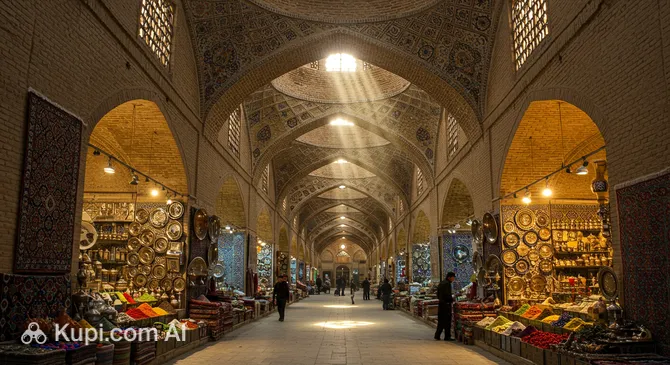
Zanjan. Illustration.
Source: Kupi.com AI

The city is widely known for its artisans, and a walk through the local bazaar is a real adventure. Zanjan is famous throughout the country for producing high-quality knives and exquisite filigree work. Additionally, tourists are drawn to unique attractions such as the famous Salt Men Museum and the historical Rakhtshuy Khaneh laundry, which offer a glimpse into the daily life of past eras.

Visiting Zanjan is an opportunity to see Iran from a less touristy but incredibly authentic side. The cozy atmosphere, the aromas of spices and fresh pastries in the evenings, and the sincere warmth of the local residents make this city an ideal stop for those seeking deep and memorable travel experiences.
Weather Overview

Zanjan's climate can be described as continental, which provides the city with a noticeable difference between seasons, making each time of year unique for a visit. Winters here are truly bracing and cold: in January, the average temperature stays around -2.2°C, and night frosts can reach -7.1°C. During the winter months, precipitation falls regularly, on average about 10 days per month, so warm clothing is essential.

Summer radically changes the picture, bringing sunny and dry weather to the region. July is considered the warmest month with an average temperature of +21.8°C, while daytime highs often rise to +29.4°C. Unlike spring, when there can be up to 15 rainy days in May, summer pleases travelers with clear skies and minimal rainfall. Expect warm, mostly dry summers and cold winters with periodic precipitation.

Spring and autumn serve as pleasant transition periods, although spring weather can be changeable. To ensure your trip is as comfortable as possible, we recommend checking the current weather in Zanjan before packing and choosing a wardrobe appropriate for the season.

Average monthly temperature

Average monthly precipitation

Interesting Facts

Beyond its main attractions, Zanjan holds many fascinating secrets that reveal its rich history from unexpected angles. Over the centuries, the city has accumulated legends and traditions, many of which still surprise travelers today.

  • Silk Road Heritage. Zanjan long served as a crucial transit point on the Great Silk Road. Countless caravans carrying silk, spices, and jewels passed through the city, connecting East and West. Echoes of this trading greatness can still be felt today while walking through ancient caravanserai that remember the merchants of antiquity.

  • Weapon Capital. Local masters have been famous for centuries for the art of metalworking. Zanjan knives are not just a souvenir, but a real brand: it is believed that these blades are not inferior in strength and sharpness to the best examples of Eastern cold weapons. The secrets of tempering steel and creating handles are passed down through generations of artisan families.

  • Unique Care for Residents. The famous Rakhtshuy Khaneh is a rare example of architecture created exclusively for the domestic needs of the population. While women all over the world washed clothes in rivers, a special covered building was constructed in Zanjan to protect them from the harsh winter cold. This facility operated around the clock and was free for residents.

  • The Mystery of the Salt Men. One of the region's most mystical finds is the so-called "Salt Men" discovered in the Chehrabad mine. The unique microclimate of the salt mines allowed the bodies to naturally mummify and be preserved to this day in eerily perfect condition, becoming a sensation in the world of archaeology.

  • City of Poets. Zanjan is often called the "city of philosophers," as this land has given Iran many outstanding thinkers and poets. Locals believe that creators were inspired by the legendary "crying river"—a waterway associated with beautiful city legends.

Rakhtshooy Khaneh. Illustration.
Source: Kupi.com AI

Traveler photos:

How to Get There

When planning a trip to this historical region, it is worth thinking through the logistics in advance, as the city is located at the intersection of important transport routes. You can learn more about how to get to Zanjan by choosing the most convenient route for you, whether by plane, train, or car.

If you prefer air travel, it's important to note that there is no major international hub within the city limits that accepts many regular flights. The nearest significant hub is Rasht Airport (IATA: RAS), located in the city of Rasht. The distance to the center of Zanjan is about 121 km. The journey by taxi or rental car takes approximately 2–2.5 hours, and the road passes through picturesque mountain landscapes. This is a regional airport that accepts domestic flights, which can be convenient for a connection after arriving in Tehran.

Another option could be Ardabil Airport (IATA: ADU), located in the city of Ardabil, approximately 182 km from Zanjan. The drive from here will take about 3 hours by car. Although this option is less popular due to the greater distance, it may suit travelers planning a tour of the country's northwest.

For clarity, here is summary information on the nearest airports that can be used as transit points:

AirportPassenger trafficDistance
Rasht Airport446 000121 km
Ardabil Airport204 000183 km
Hamadan Airport42 000201 km
Sanandaj Airport304 398209 km
Lankaran International Airport16 000231 km

In addition to air travel, the railway is one of the most comfortable and popular ways to get to Zanjan. The city's railway station is located on the main line connecting the capital, Tehran, with Tabriz and further to the Turkish border. Trains in Iran are modern, clean, and punctual. A trip from Tehran will take about 3.5–4 hours, providing an opportunity to enjoy views of the Iranian highlands from the train window.

Bus services are also well-developed. VIP-class intercity buses (with wide reclining seats and air conditioning) run regularly between Zanjan and all the country's major cities. Traveling by car is also straightforward: the city is located on Expressway No. 2, which ensures fast and safe travel.

Main Attractions

Zanjan preserves unique monuments that offer an unexpected perspective on Iranian history. One of the city's most famous and unusual attractions is Rakhtshuy Khaneh. This architectural complex, built in the early 20th century, has no equal: it was created as a covered public laundry to protect women from the cold while washing clothes during the winter months. Today, these walls house an anthropological museum, where wax figures in detail recreate the daily life and atmosphere of a bygone era.

Rakhtshooy Khaneh. Illustration.
Source: Kupi.com AI

Traveler photos:

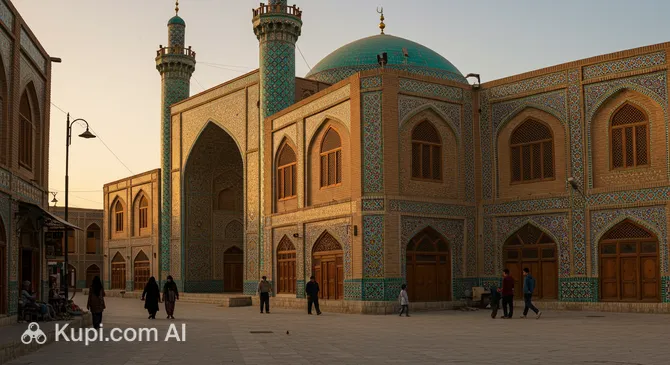
Another significant architectural monument worthy of attention is the Zanjan Jameh Mosque (Friday Mosque). Built in the 19th century, it impresses with its symmetry, elegant minarets, and traditional mosaics. This quiet and majestic place, located near the historical bazaar, is ideal for appreciating the beauty of Islamic architecture and taking atmospheric photos.

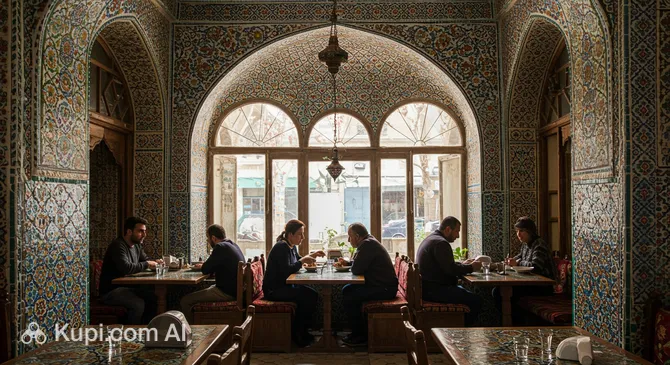
After exploring the city's architecture and history, it's worth taking some time for the local gastronomy. Polo Restaurant is an excellent choice, being popular with both tourists and locals. Here, you can not only try traditional Iranian dishes prepared according to classic recipes but also enjoy a hospitable setting perfect for a leisurely rest after a busy walk.

Local Cuisine

Zanjan's cuisine is a true paradise for foodies wishing to experience Persian culinary traditions in their most authentic form. The gastronomic symbol of the region is rightfully considered the Zanjan kebab. This dish is prepared from tender lamb marinated in aromatic spices and served with hot, crispy lavash, fresh herbs, and charcoal-grilled tomatoes. The flavor of the meat here is particularly rich thanks to the secrets of local grill masters.

If you want to try something more home-style and hearty, be sure to order Dizi (or Abgoosht). This is a thick, rich stew made of lamb, chickpeas, beans, and potatoes, traditionally simmered in clay pots. Eating dizi is a whole ritual: the broth is poured into a separate bowl and bread is crumbled into it, while the solid part is mashed into a paste with a special mallet. For holidays, locals often prepare Shirin Pilaf—sweet rice with raisins, carrots, orange zest, and nuts, which will surprise you with its unusual combination of flavors.

A walk through the city is impossible without trying street food and sweets. At the bazaars, you can always find hot flatbreads with cheese and herbs, aromatic sambousek, and sweet pastries with pistachios. However, the main dessert is the famous Zanjan halva. This delicate treat, prepared according to ancient recipes from flour, butter, and saffron, melts in your mouth and makes an excellent gift for loved ones.

When it comes to drinks, it is important to remember that Iran has a "dry law," so alcohol is completely prohibited and absent from menus. The main drink accompanying any meal and conversation is black tea, served with lump sugar ("nabbat"). In the heat, doogh—a yogurt-based dairy drink with added mint and rose petals—is perfectly refreshing. Various sherbets—sweet cold drinks made from fruit syrups and basil seeds—are also popular.

Dining culture in Zanjan is built around hospitality and leisure. Locals prefer to dine with family or in traditional restaurants with carpets and platforms. Polo Restaurant is a wonderful place to experience local cuisine. Here, in an authentic atmosphere, you can taste the best examples of regional dishes and feel the true flavor of an Eastern feast.

Travel Tips

Traveling to Zanjan is an immersion into the world of ancient crafts and sincere Eastern hospitality. To ensure your trip to this colorful city is as comfortable and safe as possible, leaving only pleasant memories, we have prepared a list of important practical recommendations considering local specifics.

  1. Clothing and Dress Code. Since Zanjan is in Iran, compliance with the legally established dress code is mandatory for all tourists. Women must always wear a headscarf covering their head and loose clothing (tunic or cardigan) covering their hips; men should avoid shorts and sleeveless tops. Given the continental climate and the city's elevation, even in summer, evenings can be cool, so a light jacket will not be superfluous, and in winter, warm clothing is essential.
  2. Getting Around the City. The most convenient and inexpensive way to travel is by taxi. We strongly recommend installing the Snapp app (the local Uber alternative), which will save you from having to haggle and explain addresses to drivers in Farsi. If you decide to use city buses, remember the strict rule: cabins are divided into male and female halves, and confusing them is not customary.
  3. Financial Nuances. International Visa and Mastercard cards do not work here, so bring a sufficient supply of cash (dollars or euros) for the entire duration of your trip. It is better to exchange money at official exchange offices ("sarrafi") rather than with street changers. Be careful with prices: the official currency is the rial, but in speech and on price tags, locals almost always use "toman" (1 toman = 10 rials), which can confuse newcomers.
  4. Health and Safety. Zanjan is a quiet city with low crime rates, but standard precautions (watching your belongings at the bazaar) are still advisable. Pharmacies are easy to recognize by the "Darukhane" sign; many medications are available without a prescription. Tap water in the city is considered clean, but for drinking, tourists are recommended to buy bottled water to avoid acclimatization issues.
  5. Communication and Language. Not everyone knows English, especially among the older generation and taxi drivers. We recommend downloading an offline translator and learning a few basic phrases in Farsi, such as "Salam" (Hello) and "Mamnun" (Thank you)—this goes a long way with the locals. Upon arrival, be sure to buy a local SIM card (Irancell or MCI) for stable internet and map access.
  6. Local Etiquette. Iranians are famous for their politeness and the etiquette system of "taarof." If you are offered something for free or invited to a home, it is customary to decline politely at first. You should only agree if the offer is repeated insistently several times. When interacting with members of the opposite sex, avoid handshakes unless they initiate it; a universal greeting is to place your right hand over your heart and bow slightly.
  7. Things to Avoid. It is strictly forbidden to import or consume alcohol. Also, refrain from public displays of affection: kissing and hugging between couples in the street are not socially approved. Do not photograph government buildings, military sites, or local residents (especially women) without their explicit permission.
  8. Hack for Souvenir Buyers. Zanjan is the capital of knife making. If you buy a famous Zanjan knife or a set of cutlery as a souvenir, remember: they must never be carried in hand luggage. Be sure to pack your purchase thoroughly and put it in checked baggage before your flight to avoid confiscation and problems with airport security.

Following these simple rules will help you feel confident and avoid awkward situations. Zanjan opens up to those who respect its traditions, giving in return amazing discoveries, delicious cuisine, and the warmth of human connection.

Entertainment & Nightlife

Entertainment and evening life in Zanjan have their own unique character, distinct from the West. You won't find noisy nightclubs or bars serving alcohol here, as they are prohibited by national law. Instead, the city's "nightlife" is centered around cozy traditional tea houses ("chaykhaneh"), restaurants with live music, evening promenades, and family recreation in parks, where life buzzes until late at night.

One of the most popular spots for evening leisure is the Gavazang recreational complex, located in the north of the city at the foot of the mountains. This is a true magnet for locals: people come here to enjoy panoramic views of the city at night, dine in numerous cafes, or simply walk by the dam. The atmosphere here is always festive and relaxed, with a diverse crowd ranging from groups of young people to large families having picnics.

The gastronomic component plays a key role in evening relaxation. Iranians love to spend time over long dinners and conversation. A wonderful place for such an evening is Polo Restaurant. This establishment is popular for its quality cuisine and cozy atmosphere, perfect for trying local dishes and unwinding after a busy day. Such places often have a lively atmosphere that replaces the club scene familiar to Europeans.

Polo Restaurant. Illustration.
Source: Kupi.com AI

Traveler photos:

As for daytime entertainment, Zanjan offers a rich cultural program. During daylight hours, it's worth visiting Rakhtshuy Khaneh, a unique historical complex that introduces visitors to the daily life of past centuries. The city also has modern cinemas and small amusement parks that become especially lively towards sunset.

When planning an evening out, it is helpful to know a few practical nuances:

  • Opening hours: Activity in the city lasts quite a while. Restaurants and tea houses are usually open until 11:00 PM or midnight, especially on weekends (Thursday evenings and Fridays).
  • Dress code: The same rules apply in the evening as during the day. Clothing should be modest, and wearing a headscarf for women remains mandatory even during a late dinner.
  • Safety: Zanjan is a quiet and safe city. Night walks along central streets (such as Imam Street) or in the Gavazang area are comfortable for tourists.
  • Transport: At night, it is most convenient to get around by taxi. It is recommended to use official yellow taxis or the popular local app Snapp (an Uber alternative) to avoid language barriers and know the price of the trip in advance.

Parks & Museums

Zanjan offers travelers a harmonious blend of natural beauty and rich cultural heritage, where well-maintained urban parks sit alongside unique museum complexes. Although the city is often perceived as a transit point, there are places here where you can leisurely relax in the shade of trees or immerse yourself in the study of amazing historical artifacts.

Among the city's green zones, the Gavazang Complex, located in the northern part of Zanjan, holds a special place. It is not just a park but a vast recreational area at the foot of the mountain with a picturesque dam and reservoir. People come here for walks, light trekking, and picnics in the fresh air. From the higher ground, you get perhaps the best panoramic view of the city, which becomes especially enchanting in the rays of the setting sun.

Within the city, Mellat Park is very popular. It is a classic urban garden, ideal for family leisure or a morning run. It is always crowded here: locals have tea on the grass, children play in the playgrounds, and shady alleys provide relief from the summer heat. The park's atmosphere allows you to feel the true rhythm of life in an Iranian province—quiet and measured.

A cultural program in Zanjan is unthinkable without visiting its unique museums. The main gem is the historical laundry Rakhtshuy Khaneh. Today, it is an ethnographic museum located in a building that has no equivalent in Iran. The exhibition with wax figures clearly demonstrates how the city's women washed clothes during cold winters using a complex water supply system. This place is interesting not only for its architecture but also for the opportunity to touch the domestic history of the region.

Another must-visit place is the Zanjan Archaeological Museum, located in the historic Zolfaghari Mansion. This is where the famous "Salt Men" are kept—mummies found in the Chehrabad salt mines. Thanks to the preservative properties of salt, the bodies and clothing of ancient miners have been preserved in incredible condition. The exhibition makes a strong impression and is considered one of the most important archaeological collections in the country.

Architecture lovers should pay attention to the Zanjan Grand Bazaar. Although it is a commercial space, its ancient vaults and caravanserai make it a true open-air museum. Here you can see traditional brickwork and feel the atmosphere of the old East, which has been preserved here for centuries.

Insider Tip: If you want to see something unusual, head to the Gavazang area not just for the views. There, among the mountain trails, you can find small tea houses serving traditional ash (a thick soup)—the perfect end to a nature walk on a cool evening.

Getting Around

The public transport system in Zanjan is quite simple and understandable even for those visiting the region for the first time. There is no metro or tram lines here, so the main burden falls on buses and taxis. The city has a compact center that is convenient to explore on foot, but for trips to remote attractions or stations, you will likely need transport.

The most popular and convenient way for tourists to get around is by taxi. In the city, they are divided into two main types: "darbast" (private, where you hire the whole car) and public shuttle taxis. Shuttle taxis run along specific routes and pick up passengers along the way; this is a very cheap option, but you will have to share the car with others. To catch such a car, just stand by the side of the road and tell the driver your destination. If the route matches, he will stop.

For more comfortable trips, it is strongly recommended to use the Snapp mobile app—the local equivalent of Uber. This is a real lifesaver for tourists who do not speak Persian: you simply indicate a point on the map, see a fixed price and the car number. Payment in the app is possible with a local bank card, but drivers accept cash without any problems. This eliminates the need to haggle and explain the way.

City buses cover the main districts and are the most budget-friendly way to travel. It is important to remember cultural nuances: it is customary to observe gender separation on buses. Usually, men occupy the front part of the cabin, and women the back (or vice versa, depending on the bus design, but separation is always present). Payment for travel is most often made with special transport cards, which can be bought at kiosks at stops, or in cash to the driver, although the latter method is gradually becoming a thing of the past.

The cost of public transport in Zanjan is very low by international standards. Always carry small cash denominations (rials) with you, as taxi drivers may not always have change for large banknotes. Bike rentals and car sharing have not yet become widespread in the city, so you should not count on them as a primary mode of transport.

Accommodation

Where to stay:

Zanjan offers guests a decent choice of accommodation, ranging from simple budget guesthouses to quite comfortable mid-range hotels. Since the city is not a mass international tourist center, you won't find ultra-luxury resorts from international chains here. Instead, travelers can expect cozy hotels that combine modern amenities with traditional Iranian hospitality, as well as eco-lodges that are gaining popularity in the surrounding areas.

When choosing a place to stay, the district is strategically important. The city center is considered the most convenient location for tourists, especially the area around Imam Street and the Grand Bazaar. By staying here, you will be within walking distance of key historical monuments, such as Rakhtshuy Khaneh and the Archaeological Museum. This will save time on transport and allow you to enjoy evening walks through the bustling market stalls.

An alternative to the busy center is the Gavazang district, located in the north of the city at the foot of the mountains. Hotels in this part of Zanjan often offer panoramic views and fresher air. This is an excellent choice for those traveling by car or who don't mind using taxis to reach the main attractions.

Price range and booking tips:

  • Prices: The cost of accommodation in Zanjan is generally lower than in popular tourist cities like Isfahan or Shiraz. Most options fall into the budget and mid-range price segments.
  • Seasonality: It is strongly recommended to book accommodation in advance if your trip falls during the Iranian New Year (Nowruz, late March) or the summer months when domestic tourism is at its peak. At other times, finding a vacant room is usually not difficult.
  • How to book: It's important to remember that familiar international booking aggregators practically do not work in Iran. The most reliable way is to use specialized Iranian travel websites or contact hotels directly via messaging apps and email. Payment on-site is most often made in cash in the local currency.

Nearby Cities

For those who want to explore the surrounding area, Zanjan serves as an excellent starting point for day trips to several interesting nearby locations. The city's convenient location allows travelers to choose between immersion in ancient history and enjoying the unique natural landscapes of the country's north.

One of the region's main gems, located just 40 kilometers from the city, is Soltaniyeh. People come here to see the famous Oljaytu Mausoleum—a UNESCO World Heritage site. Its massive turquoise dome is considered one of the largest brick domes in the world and an architectural masterpiece that, legend has it, inspired the creators of the Taj Mahal.

If you want a radical change of scenery, you should head north to the city of Rasht. The trip takes some time, but it's worth it: you'll travel from the arid highlands to the humid subtropical forests of Gilan. Rasht is known as the "city of rains" and the gastronomic capital of Iran, where you can try unique dishes made from fish, rice, and local herbs.

Closer to Zanjan is the ancient city of Abhar. This quiet place, surrounded by orchards and vineyards, is ideal for those interested in history who want to see the non-touristy life of an Iranian province. The area around Abhar is rich in archaeological sites and offers a peaceful atmosphere for walking.

CityPopulationDistance
Qeydar34 92163 km
Sain Qaleh11 08366 km
Hidaj13 84073 km
Manjil15 63080 km
Khorramdarreh55 36882 km

These nearby destinations offer an insight into the diverse culture and landscapes of the region, making your journey through northwestern Iran more complete and enriching.

Shopping & Souvenirs

Shopping in Zanjan is a fascinating dive into the world of traditional Persian crafts, rather than a pursuit of global brands. This city is famous throughout Iran for its masters, and most tourists come here specifically for unique handmade items. Trade here is conducted in a measured way, with an Eastern flair, where the process of choosing goods is often accompanied by conversation and tea. The main focus is on local products that cannot be bought in other regions of the country.

The city's main commercial artery is Imam Street. It runs through the center of Zanjan and is the place where many clothing stores, shoe shops, and jewelry boutiques are concentrated. Walking along it, you will find both modern boutiques and traditional shops. It is a lively place where locals like to stroll in the evenings, combining a promenade with shopping.

While Zanjan cannot boast the giant malls characteristic of the capital, there are several modern shopping complexes called "passages." In the city center, you can visit the Noor Shopping Center or Passage Tehran. These places sell clothing, cosmetics, electronics, and accessories. They offer a format of shopping more familiar to Europeans, with fixed prices and air-conditioned rooms.

However, the true heart of trade is the Zanjan Grand Bazaar. It is the longest covered market in Iran, a labyrinth of brick vaults, caravanserai, and hundreds of shops. The bazaar is divided into sections by type of goods: rows for jewelers, carpet sellers, spices, and shoes. It is the perfect place to feel the atmosphere of the old city. Right next to the bazaar is the famous Rakhtshuy Khaneh, so a visit to the market is easily combined with a tour of this attraction.

When choosing souvenirs, look out for the following goods that the region is famous for:

  • Zanjan Knives: The city's most famous brand. Local knives are distinguished by incredible sharpness, strength, and elegant handles made of bone or wood. They come in many varieties—from kitchen knives to collectible daggers.
  • Malileh (Filigree): Exquisite items made from thin silver threads. Zanjan is considered a world center for this art. You can buy vases, trays, jewelry, and tea sets of stunningly delicate workmanship.
  • Charogh: Traditional leather sandals with upturned toes, often decorated with silk embroidery. This is a beautiful and authentic gift.
  • Copperware: High-quality pots, trays, and cezves for coffee with a characteristic reddish tint.

Shops on the main streets are usually open from 09:00 to 13:00 and then from 16:00 to 21:00 or 22:00. The bazaar follows a similar schedule, but many shops close earlier, around 19:00–20:00. Friday is the official day off in Iran, so most shops and the market will be closed or work on a reduced schedule.

As for payment, it is important to remember: international Visa and Mastercard cards do not work here. In all shops, from large centers to small stalls at the bazaar, only cash Iranian rials or local bank cards are accepted. Tourists need to have a sufficient supply of cash with them. There is no Tax Free system (VAT refund) for tourists in the Western sense in the city, so you should not count on a tax refund at the airport.

Reached the end of the page?

That means the route is fully explored