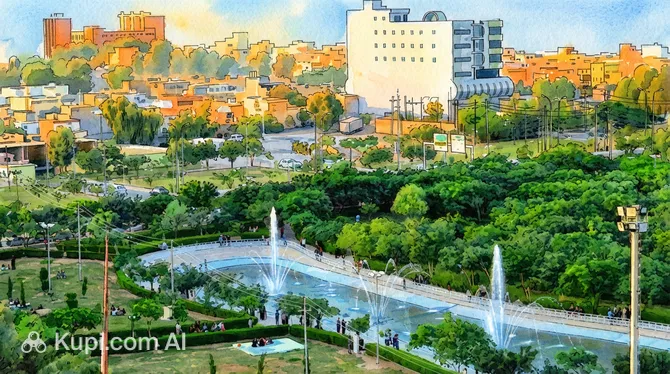
Kalar is a dynamically developing city in Iraq, located in the Sulaymaniyah Governorate in the country's northeast. The city is nestled in the foothills of the Zagros Mountains on the right bank of the Sirwan River. In recent years, the settlement has transformed from a small town into a significant administrative center, while maintaining the atmosphere of a quiet provincial life.
Kalar. Illustration.
Source: Kupi.com AI
The population here is growing rapidly, reflecting the city's importance as a local hub. Kalar is home to an ethnically diverse community of Kurds, Arabs, and Turkmens, creating a unique cultural fabric. To better understand the region's journey, it is worth looking into the history of the city, which is closely intertwined with the fate of Iraqi Kurdistan.
The city attracts visitors with its authenticity and the absence of the hustle and bustle found in major metropolises. For travelers, Kalar offers an immersion into the real, non-touristy life of the region, where the hospitality of locals and the leisurely pace of life against the backdrop of the foothills leave warm memories. It is an ideal destination for those who want to see Iraqi life from the inside.
Weather Overview
The weather in Kalar is characterized by a pronounced continental climate typical of the Zagros foothills. Summers here are long, dry, and very hot: in July and August, the average high reaches 44°C. During this period, city life winds down during the day and only comes alive after sunset when the heat subsides.
Winter in the city is mild and rainy, bringing long-awaited relief after the summer drought. In January and February, the average temperature is around 10–12°C, and precipitation is most intense during this time. If you are planning a visit, the best time would be the spring months (March–April) or autumn (October–November), when temperatures become comfortable for walking and the nature around the city is transformed.
Average monthly temperature
Average monthly precipitation
Interesting Facts
Rapid Growth: Kalar's population has seen colossal growth—from approximately 34,000 people in 2012 to nearly 169,000 by 2025, placing it among the 30 largest cities in Iraq.
Geographic Crossroads: The city is located just 100 km from Sulaymaniyah and 155 km from Baghdad, playing the role of an important link in the Zagros foothills.
The Sirwan River: Kalar stands on the banks of the Sirwan River, a major tributary of the Diyala River that plays a key role in the region's agriculture.
Ethnic Mosaic: Kurds, Arabs, Turkmens, and small groups of Assyrians coexist peacefully in the city, creating a rich cultural background.
Tectonic Activity: Due to its proximity to the Zagros ridges, weak seismic tremors are occasionally recorded in the city area, which is typical for this zone of active tectonics.
How to Get There
The accessibility of Kalar is largely determined by its position in the foothills. You can reach the city primarily via roads connecting it with Iraq's major centers. A journey from Sulaymaniyah takes about 1.5–2 hours (100 km), while the road from Baghdad (155 km) requires between 2.5 and 3.5 hours, depending on road conditions and checkpoint traffic.
There are currently no direct flights or rail links to the city. The main passenger flow is handled by intercity buses and shared taxis, which run regularly between Kalar and other settlements in the governorate. Detailed information on routes and trip planning can be found in the how to get there section.
The nearest major air hub is Sulaymaniyah International Airport, from which Kalar is most conveniently reached by taxi or rental car. A drive through the picturesque Zagros foothills is a pleasant start to exploring the region, though one should consider the mountainous terrain, which can affect travel times during winter or rainy periods.
Station
Passenger traffic
Distance
Kermanshah Railway Station
3
169 km
Baghdad railway station
10
169 km
Main Attractions
Kalar is not yet among the popular tourist destinations with world-famous landmarks, but it possesses the special charm of a genuine provincial hub. The main attraction for walks and observing local life is the banks of the Sirwan River. This tributary of the Diyala forms a natural boundary for the city and serves as a favorite relaxation spot for residents during the cool evening hours.
The heart of social activity in the city is its central markets and squares. Here, you can experience the true flavor of the region by watching the lively trade and interactions between different ethnic groups. The city's traditional low-rise buildings, adapted to the mountain terrain, give Kalar a distinctive look that is interesting to explore on foot.
For those interested in the administrative life and modern architecture of Iraqi Kurdistan, the government buildings and the District Municipal Council may be of interest. They stand as architectural landmarks in the urban environment. Although the city is primarily oriented toward local needs, its sincerity and openness make even a simple stroll through the streets an engaging adventure.
Local Cuisine
The gastronomy of Kalar offers the authentic taste of Iraqi Kurdistan, blending Kurdish, Arabic, and Turkish traditions. The menu is based on meat dishes cooked over an open fire. Be sure to try the local kebabs (kofta) and dolma, which is generously stuffed with fresh herbs and flavorful lamb. Saffron rice with vegetables accompanies almost every meal, enhancing the rich flavors.
The food culture in the city centers around the markets, where simple eateries serve the freshest food. Samsa with a crispy crust and various fillings is the perfect option for a quick snack. Tea houses hold a special place, serving very sweet and strong tea in small glass cups, as well as aromatic coffee, which has become a symbol of local hospitality.
A signature dish of the region is meat stewed with vegetables in traditional pots, served with hot flatbread straight from the oven. In Kalar, people do not look for fancy presentation—they value heartiness, natural products, and a home-cooked taste. The city's gastronomic scene is simple yet incredibly welcoming, making every guest feel like part of a large family.
Travel Tips
A trip to Kalar will be a unique experience of immersion into the life of Iraqi Kurdistan. To make your journey as comfortable and safe as possible, we have prepared some practical tips.
Clothing and Dress Code: Choose modest and conservative clothing that respects local traditions. Comfortable shoes are essential, as sidewalks can be uneven. In summer, don't forget a hat and sunscreen—the heat in the foothills can be exhausting.
Transport: Within the city, it is most convenient to move around by taxi or on foot. If you plan to visit neighboring cities, use intercity minibuses that depart from the main transport hubs.
Finances: Be sure to carry a supply of cash in Iraqi dinars. ATMs are very rare in Kalar, and international cards are almost never accepted.
Safety: The city is generally safe, but stick to central and busy areas. After dark, it is better to avoid poorly lit outskirts and always keep your documents with you.
Communication: The main language of communication is Kurdish (Sorani), and Arabic is also common. Few people know English, so learning a few basic phrases in the local language is highly appreciated.
Local Etiquette: Greet people politely and always ask for permission before taking photos of local residents. Hospitality is the law here, so don't be surprised by an invitation for a cup of tea.
What to Avoid: Do not discuss political or sensitive social topics with strangers. Try not to display expensive equipment or large sums of money in crowded places (such as markets).
Connectivity: It is best to buy a SIM card at Sulaymaniyah airport or at major mobile provider offices in the city center. Wi-Fi is available in some cafes, but it is better to rely on mobile internet.
Kalar will welcome you with its genuine warmth if you show respect for its rules and traditions. Have a pleasant journey!
Entertainment & Nightlife
Leisure in Kalar is closely tied to Eastern traditions and a relaxed way of spending time. You won't find noisy nightclubs or karaoke bars here, as the city's life follows a more measured rhythm. The main recreation spots for locals are traditional tea houses, where men gather over a cup of strong tea to discuss the latest news and play board games.
In the evening, activity shifts toward local cafes and eateries located near the markets. This is the best time to enjoy the cool air and sample street food in the company of friendly residents. A special atmosphere is created by leisurely walks along the Sirwan River, which are the main "nighttime" entertainment for families and young people.
If you are looking for more modern entertainment, such as cinemas or concert halls, locals usually recommend heading to Sulaymaniyah, located about 100 kilometers to the north. Kalar remains an oasis of tranquility, where simple human interaction and peace amidst the Zagros foothills are highly valued.
Parks & Museums
The park infrastructure in Kalar is currently under development, and city authorities are gradually increasing the number of green spaces. At present, the main recreation areas are small squares near administrative centers and along the city's main streets. They serve as spots for quick rest for residents between errands.
The main natural attraction and a place for leisurely strolls remains the shoreline of the Sirwan River. Although there are no fully developed parks in the conventional sense yet, the natural landscape and proximity to the water make this area the most popular for picnics and evening walks in the fresh air.
There are no specialized museums in Kalar at the moment, but the city itself can be seen as a living museum of Kurdish culture and daily life. The architectural features, traditional markets, and the everyday life of various ethnic communities offer tourists much more information about the region's history than dry museum exhibits. For those seeking classic collections, the best option is to visit the museums in nearby Sulaymaniyah.
Getting Around
Public transport in Kalar is ideal for a compact city and consists mainly of a network of minibuses and shared taxis. This is the most affordable way to get around, connecting residential neighborhoods with central bazaars and administrative zones. A trip within the city usually takes 10 to 20 minutes, making the system convenient for everyday needs.
Fares are paid in cash directly to the driver, as there is no fixed electronic ticketing system in Kalar yet. The cost of a ride is extremely low. During peak hours, minor congestion may occur near the central market, but otherwise, traffic remains fairly light, making it easy to plan your movements.
An alternative to minibuses are private taxis, which can easily be hailed on the street. This is a more comfortable option, especially if you are traveling with luggage. Due to the city's compact layout, many residents prefer to walk or use bicycles, which is a great way to get a closer look at urban details and feel the rhythm of Kalar.
Accommodation
The hospitality sector in Kalar is primarily geared toward local travelers and business people, so the choice of traditional hotels is limited. The main types of accommodation are small guesthouses and private apartments, which are often rented for long-term stays. There are currently no luxury resort complexes in the city, highlighting its status as a working administrative center.
When choosing a place to stay, it is best to look at areas adjacent to the central markets and administrative offices, as it is easier to find transport and dining options there. The price range in Kalar is very affordable: staying here will cost significantly less than in Iraq's major tourist hubs.
We recommend booking accommodation in advance by contacting owners directly or through local acquaintances, as international booking systems may not list all available options. Cash in Iraqi dinars will be necessary for payment, as the use of bank cards in local mini-hotels is not yet common practice.
Nearby Cities
Thanks to its location, Kalar is a convenient base for exploring the eastern part of Iraqi Kurdistan and its border areas. The region surrounding the city is rich in small, authentic settlements, each with its own unique character and history.
Just 31 kilometers away is Khanaqin—a city with rich ethnic diversity and picturesque views. It is also worth visiting Kifri, located 34 kilometers away, which attracts visitors with its peaceful atmosphere and traditional way of life. For those prepared to cross the border, an interesting destination is the Iranian city of Qasr-e Shirin, located only 26 kilometers away.
City
Population
Distance
Qasr-e Shirin
18 473
26 km
Khanaqin
175 000
31 km
Kifri
32 870
34 km
Jalawla
30 000
42 km
Sarpol-e Zahab
34 632
53 km
Exploring the surroundings of Kalar allows for a deeper understanding of the diversity and complexity of this region. Each trip to neighboring cities reveals new facets of local culture, architecture, and the natural landscapes of the Zagros foothills, making your journey truly fulfilling.
Shopping & Souvenirs
Shopping in Kalar is primarily a journey through bustling and colorful traditional bazaars. You won't find huge malls with international brands here, but there is an authentic atmosphere of Eastern trade. The main shopping rows are concentrated in the city center, where you can find everything from fresh produce and spices to clothing and household goods.
If you want to bring something special from Kalar, look for textiles and fabrics with traditional Kurdish patterns. Local craftsmen are also famous for producing ceramic and metal tableware, which makes for excellent and practical souvenirs. The food markets offer an abundance of dried fruits, nuts, and local sweets that stay fresh for a long time.
Shops and stalls usually open early in the morning and close at dusk, with a mandatory break during the hottest midday hours. Payment is made in cash in Iraqi dinars, so it is wise to arrange for currency exchange beforehand. Bargaining in the markets is welcomed and is an important part of the local social culture, allowing you not only to lower the price but also to have a pleasant conversation with the seller.