Support

Finglas

About

Finglas is not just a suburb of Dublin, but a place with a rich history and its own unique atmosphere, located in the north of the Irish capital. This lively district of Ireland combines ancient heritage with a modern rhythm of life, offering travelers a unique experience.

Geographically, Finglas is situated in County Dublin, just a few kilometers from the center of the Irish capital, making it a convenient starting point for exploring both Dublin itself and its picturesque surroundings. It is a large and historically significant residential area that has preserved its identity while offering a developed infrastructure. The climate here, as in the rest of Ireland, is temperate maritime, with mild winters and cool summers, making it comfortable to visit at any time of year.
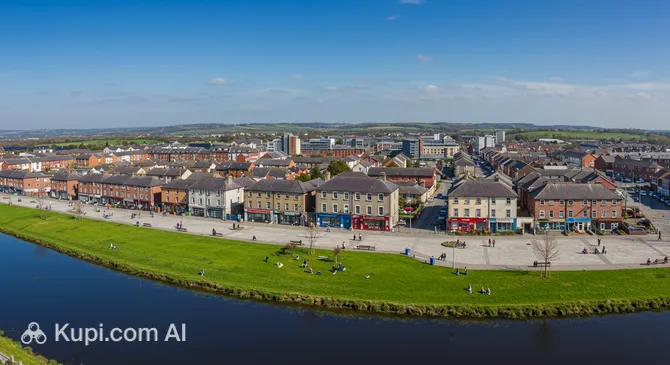
Finglas. Illustration.
Source: Kupi.com AI

Finglas is proud of its historical past. One of the iconic landmarks is St. Canice's Church, a reminder of the ancient monastic settlements that existed here many centuries ago. For lovers of nature and peaceful relaxation, Tolka Valley Park is an excellent choice, offering scenic walking trails along the Tolka River. Finglas is also known for its active local community and cultural events that allow for a deeper immersion into Irish life.

A visit to Finglas is an opportunity to see a different side of Dublin, get to know its historical roots, and enjoy the hospitality of the locals. This district is sure to leave a pleasant impression on those looking for an authentic Irish experience.

You can find more interesting facts on the Finglas history page

Weather Overview

The weather in Finglas is characterized by a temperate maritime climate, typical for Ireland. Expect cool and damp summers, with average high temperatures in July-August hovering around 18-19°C, while average daily temperatures are about 15.7-15.9°C. Winters here are mild but also damp, with an average January temperature of around 5.5°C and minimum temperatures rarely dropping significantly below freezing. Rainfall is distributed fairly evenly throughout the year, with the number of rainy days per month varying from 12 to 17, meaning frequent but usually not overly intense rain.

To get a more detailed idea of the weather conditions and better plan your trip, we recommend checking the detailed information on the Finglas Climate page.

Average monthly temperature

Average monthly precipitation

Interesting Facts

In addition to its modern amenities and proximity to Dublin, Finglas hides many surprising stories and facts rooted deep in the past. Here are just a few that will help you look at this area in a new way:

  • The name "Finglas" itself comes from the Irish "Fionn-ghlas", which means "clear streamlet". This poetic name was given in honor of a small stream that once flowed here and emptied into the River Tolka.

  • During the Early Christian period, Finglas was the site of one of the most important monasteries in IrelandFinglas Abbey. Founded, according to tradition, by St. Canice in the 6th century, it was famous as a major center of learning and spiritual life, and its influence spread far beyond the region.

  • There is historical evidence that the last High King of Ireland before the Norman conquest, Roderic O'Conor (Ruaidrí Ua Conchobair), set up his camp in the vicinity of Finglas during the siege of Dublin in 1171, highlighting the strategic importance of this area at that time.

  • In Finglas, you can see the historic Netterville Almshouses. These buildings were constructed in the early 19th century according to the will of Viscount Netterville to house the poor and elderly, and they are not only an interesting architectural monument but also an important testament to the social history of the district.

How to Get There

Finglas, being a busy suburb of Dublin, boasts excellent transport accessibility. Thanks to its location, getting here is very simple both from the center of the Irish capital and from abroad. If you are planning a trip, we recommend checking all the ways to get to the city in advance to choose the most convenient route.

The main air gateway for travelers is Dublin Airport (IATA: DUB). This is the country's largest international airport, located just 3.9 km from Finglas. This close proximity makes the journey as comfortable as possible: a taxi ride will take literally 10–15 minutes, and you can also use local bus routes. If you are planning a trip to the northern part of the island, an alternative option could be Belfast International Airport (IATA: BFS), located in the city of Belfast. It is approximately 141 km from Finglas, and a transfer from there will take about 2–2.5 hours by car or bus.

For clarity, here is summary information for the main airports:

AirportPassenger trafficDistance
Dublin Airport34.6 mln4 km
Isle of Man Airport652 274135 km
George Best Belfast City Airport2.4 mln139 km
Belfast International Airport6.8 mln141 km
Ireland West Airport Knock834 000176 km

If you prefer land transport and are traveling from Great Britain, your route will likely include a ferry crossing (Rail & Sail system). There is no railway station in Finglas itself, but you can start your journey from major British hubs such as Manchester Piccadilly Station (IATA: QQM) in Manchester or Lime Street Station (IATA: LXL) in Liverpool. After arriving by ferry at the Port of Dublin, you can reach Finglas by taxi or city bus in 20–30 minutes.

Below is information about the nearest major railway hubs (taking into account ferry connections across the Irish Sea):

StationPassenger trafficDistance
Lime Street Station12.3 mln221 km
Chester Central Station4.5 mln229 km
Swansea railway station2.2 mln253 km
Oxenholme Lake District Station542 270256 km
Manchester Piccadilly Station25.8 mln269 km

In addition to taxis and car rentals, Finglas is excellently served by the Dublin Bus network, which runs regularly between the suburb and the city center.

Main Attractions

Finglas, an area with a rich historical heritage and a dynamically developing modern side, offers travelers several notable places. If you want to get to know this authentic part of Dublin more deeply, you will find both ancient shrines and peaceful green parks — there is something for everyone.

One of the main gems of Finglas is undoubtedly Tolka Valley Park. This vast green oasis, stretching along the picturesque banks of the River Tolka, provides a magnificent opportunity to take a break from the hustle and bustle of the city. Tourists and locals alike highly value it for its well-maintained walking and cycling paths, ideal picnic spots, and the chance to simply enjoy the beauty of nature. The park also plays an important role in preserving the local ecosystem, making it especially attractive to ecotourism enthusiasts and those who appreciate quiet outdoor recreation.

For those passionate about history and architecture, a visit to St. Canice's Church is highly recommended. This is not just an active place of worship, but a site with centuries of history, closely linked to one of the oldest monastic settlements in Ireland, founded, according to tradition, by St. Canice as far back as the 6th century. The current building, belonging to the Church of Ireland, impresses with its austere architecture and special atmosphere of peace, allowing visitors to touch the rich spiritual heritage of Finglas.

Another historical site worth noting is the Netterville Almshouses. These distinctive 19th-century buildings were erected as a shelter for those in need according to the will of Viscount Netterville. Today, they represent not only a valuable architectural monument of that era but also an important community center. Exploring the almshouses provides an opportunity to deeper understand the social history of the area, appreciate its philanthropic past, and see well-preserved historical buildings that tell the story of life in Finglas in centuries past.

These attractions are just a part of what Finglas has to offer its guests. Each of these places is unique in its own way and helps reveal the multifaceted character and rich history of this remarkable district of Ireland.

Local Cuisine

The gastronomic scene in Finglas offers guests a chance to dive into the world of traditional Irish cuisine, known for its heartiness, use of high-quality local ingredients, and soulful atmosphere. As part of Greater Dublin, Finglas shares many of the culinary traditions of Ireland's capital while maintaining its local character, especially in its pubs and family-run establishments.

Be sure to try classic Irish dishes. Irish Stew is a flavorful and filling dish made with lamb or beef, potatoes, onions, and carrots, which will warm you up in any weather. Another iconic dish, particularly characteristic of Dublin and its surroundings, is Coddle, a simple but delicious meal of pork sausages, bacon, potatoes, and onions simmered in broth. And, of course, you cannot overlook the famous Full Irish Breakfast, which includes eggs, bacon, sausages, black and white pudding, beans, tomatoes, and mushrooms — the perfect start to a day of exploring the area.

As for drinks, Ireland is world-famous for its beer and whiskey. In any Finglas pub, you'll be offered a pint of the legendary Guinness stout, as well as various types of local ale and lager. Connoisseurs of spirits can enjoy famous Irish whiskey. Among non-alcoholic drinks, tea is the absolute favorite — it is drunk often and in large quantities, usually brewed strong and served with milk.

The dining culture in Finglas is largely centered around pubs, which here are not just places for drinking, but true community hubs where you can eat tasty and inexpensive food, chat with locals, and enjoy live music. In addition to pubs, the district has cozy cafes offering breakfast, lunch, and homemade pastries, as well as restaurants with a more diverse menu. The Finglas food scene attracts with its authenticity, hospitality, and the chance to try real Irish food away from the noisy tourist centers, feeling the genuine spirit of the neighborhood.

Travel Tips

Planning a trip to Finglas? Excellent! To ensure your journey to this interesting district of Ireland is as comfortable as possible and leaves only pleasant memories, we have prepared some practical tips for you.

  1. Clothing and essentials: The climate in Ireland is famous for its variability, so for a trip to Finglas, layered clothing is best. Be sure to bring a waterproof jacket or a good umbrella, as rain is not uncommon at any time of year. Don't forget comfortable shoes for walking around the city and parks. A universal adapter for British sockets (Type G) will also come in handy.

  2. Transport: The primary way to get around Finglas and for trips to central Dublin is public buses (Dublin Bus). The route network is well-developed. Information on schedules and routes can be found online or at bus stops. Taxis and popular ride-hailing apps are also available. Car rental can be useful if you plan to explore the outskirts of Dublin, but it's not always necessary for travel within Finglas and the city center, plus parking can be difficult.

  3. Finances: The official currency in Ireland is the Euro (€). You can exchange currency at banks or exchange offices, but it's often more advantageous to withdraw cash from ATMs, which are widely available. Most shops, restaurants, and pubs accept international credit and debit cards. Tipping culture involves leaving 10-15% of the bill in restaurants for good service if a service charge is not automatically included. In pubs, tips are usually not left when ordering at the bar, but you can round up the amount if the service was particularly pleasant.

  4. Health and safety: There are pharmacies in Finglas, but it's worth checking their opening hours in advance as not all of them are 24-hour. In case of a medical emergency, call the single European number 112 (or 999). Finglas is generally considered a safe area, especially during the day. However, as in any large urban area, standard precautions should be observed: watch your belongings and avoid poorly lit and deserted places after dark.

  5. Communication: The main language of communication is English. Irish (Gaelic) is the first official language of Ireland, but the entire population speaks English fluently. For connectivity, you can purchase a local SIM card from mobile operators (e.g., at the airport or specialized stores). Free Wi-Fi is quite common in cafes, pubs, shopping centers, and some public places.

  6. Local etiquette: Irish people are known for their friendliness and hospitality. Standard greetings are "Hello", "Hi", "Good morning/afternoon/evening". Politeness and a sense of humor are valued in conversation. It is customary to queue in shops and at transport stops. In pubs, drinks and food are usually ordered at the bar if there are no servers.

  7. What to avoid: Try not to touch upon highly sensitive political or historical topics in conversations with people you don't know well, especially those concerning relations with the UK, unless your interlocutors initiate such a conversation themselves. Also, as everywhere, avoid excessively loud behavior in public places, particularly in residential areas in the evening.

  8. Additional tip – explore local parks: Finglas is proud of its green spaces, such as Tolka Valley Park. Don't miss the chance to walk there, enjoy nature, and perhaps see locals going about their daily activities. It's a great way to feel the atmosphere of the district.

We hope these tips help you better prepare for your trip and get the most out of your visit to Finglas. We wish you an unforgettable journey!

Entertainment & Nightlife

When the sun sets over Finglas, this lively Dublin suburb offers its own options for evening and nighttime leisure, although for the loudest clubs and most concentrated nightlife districts, it is worth heading to Dublin city center. Nevertheless, you can have a great time in Finglas itself, especially if you appreciate the authentic atmosphere of Irish pubs.

The foundation of evening entertainment in Finglas is, of course, traditional Irish pubs. These are not just places where you can grab a pint of Guinness, but real centers of social life. Popular local spots include, for example, The Full Shilling or The Drake Inn, where people often gather to discuss the news, listen to live music (especially on weekends), and simply have a good time. The atmosphere in such pubs is usually very friendly and relaxed, and there is generally no dress code — the main thing is that you are comfortable. Many pubs also offer hearty dinners featuring local cuisine. Pub opening hours can vary, but most are open until late, especially on Friday and Saturday.

Regarding specific areas or streets where nightlife thrives, in Finglas itself, these are more likely to be individual popular pubs scattered throughout the district rather than entire "bar streets." For a more concentrated nightlife with a larger selection of clubs, modern bars, and concert venues, it is better to head to Dublin city center, for example, to the Temple Bar area (though it is very touristy) or the streets around George's Street and Wexford Street. You can get to Dublin city center from Finglas by bus (check the night routes) or by taxi.

Practical tips for evening leisure:

  • Timing: It is customary to arrive at Irish pubs in the evening, after 19:00-20:00, especially if you plan to listen to music or have dinner. Clubs in Dublin city center usually start filling up closer to midnight.
  • Prices: The cost of a pint of beer in Dublin and its surroundings can vary but averages around 6-8 euros. Cocktails and club entry will be more expensive.
  • Night transport: Check in advance for Dublin Bus night routes (Nitelink), which run from the city center to the suburbs, including Finglas, on weekends. Taxis are also available; you can use popular ride-hailing apps.

Safety: Finglas, like most areas of Dublin, is generally safe, but standard precautions should always be taken after dark. Try to stick to well-lit and busy streets, especially if you are alone. If returning late, it is better to use a taxi or travel in a group. Before calling a taxi, make sure you are using a licensed company.

During the day, Finglas also offers leisure options. You can visit local parks like Tolka Valley Park for walks or explore historical sites such as St. Canice's Church. For a wider choice of museums, theaters, and large entertainment centers, it is worth heading to Dublin city center, which is within easy reach.

Parks & Museums

Finglas, a cozy suburb of Dublin, offers its guests pleasant opportunities for outdoor relaxation and getting to know the local cultural heritage. Although major museum complexes and world-class galleries are typically concentrated in the center of the Irish capital, Finglas itself charms with its green spaces and historical corners that speak eloquently of its rich past and can be very interesting for the thoughtful tourist.

The main green gem of Finglas is undoubtedly Tolka Valley Park. This vast and well-maintained park, stretching along the picturesque banks of the River Tolka, is an ideal place for leisurely walks, morning jogs, or family bike rides. Here you can enjoy the beauty of nature, have a picnic on the grass on a nice day, or simply take a break from the city bustle while watching the local flora and fauna. For tourists, this is a wonderful opportunity to see how locals relax and recharge with positive energy in the fresh air. In addition to this large park, there are other, more compact green zones and public sports fields in Finglas that encourage active leisure.

Regarding museums in the classic sense, Finglas, being a historical suburb, is secondary to central Dublin with its famous national collections. However, it more than compensates for the lack of formal museums with its historical landmarks, which are "open-air exhibits" in their own right. A key role in getting to know the cultural and historical heritage of the area is played by the majestic St. Canice's Church. This is not just an active religious building, but a site with centuries of history connected to one of Ireland's oldest monastic settlements. A visit here allows you to touch the spiritual roots of this land. No less interesting for the curious traveler are the Netterville Almshouses — a characteristic 19th-century architectural ensemble that is not only pleasing to the eye but also tells the story of the social history and philanthropic traditions of Finglas.

For a more authentic immersion into the atmosphere of Finglas, don't limit yourself to just the well-known spots. Stroll through its old streets, paying attention to the details of local architecture and everyday life. Sometimes small community centers or local libraries may host local exhibitions or cultural events reflecting the life and creativity of the community — it's worth asking about their program upon arrival to catch the genuine spirit of this Irish corner.

Getting Around

Getting around Finglas and traveling to Dublin city center and other parts of Ireland's capital is quite convenient thanks to a well-developed public transport system. The main mode of transport serving Finglas is the bus, which is integrated into Dublin's overall transport network. Although there is no metro or trolleybus system in Dublin, the existing system makes it easy to reach most places of interest to a tourist.

The main operator of bus services is Dublin Bus. Its routes densely cover Finglas and provide regular connections to Dublin city center, as well as to interchange stations for other modes of transport, such as the Luas tram system and DART suburban trains. Although Luas and DART lines do not pass directly through Finglas, they are easily accessible by bus, expanding your travel options throughout the Dublin region.

The fare payment system in Dublin is quite modern. The most convenient and economical way for tourists is to use the Leap Card contactless smart card. This card can be topped up and used to pay for travel on Dublin Bus, Luas trams, DART trains, and some other suburban and private bus routes. Trips with a Leap Card are usually significantly cheaper than paying in cash. For example, a standard 90-minute journey within Dublin with a Leap Card costs about €2.00 for an adult, while paying cash for a similar trip may be higher. When paying cash on Dublin Bus, it is important to have the exact change, as drivers do not usually give change. The TFI Go mobile app is also available, allowing you to buy tickets for certain routes online. Various multi-day travel passes are also available and can be beneficial for active travelers.

To use public transport, the Leap Card must be touched against a validator when boarding a bus (and sometimes when getting off, depending on the fare type and carrier, especially on Luas and DART — "tag on" and "tag off"). You can purchase a Leap Card at numerous newsagents, shops with the Leap Card logo, as well as some post offices and online. Dublin Bus services run from early morning until late at night. On Fridays and Saturdays, there are also Nitelink night routes that connect the city center with the suburbs, including Finglas. For route planning, it is very convenient to use the official Transport for Ireland (TFI) website and their TFI Journey Planner app, as well as popular mapping services.

Besides public transport, other ways of getting around are available in Finglas and Dublin. Taxis can be called by phone, through mobile apps (like Free Now), or found at designated ranks. The cost of a taxi ride will depend on the distance and time of day. For those who enjoy active recreation, the Dublinbikes rental system operates in central Dublin; it's worth checking how accessible its stations are from Finglas or near bus routes leading there. Car-sharing services like GoCar also operate in Dublin and can be convenient for certain trips if you have an international driving license and meet the service requirements.

Accommodation

When planning a trip to Finglas, you will find a variety of accommodation options to suit different budgets and preferences. The typical range of housing in this Dublin suburb and its surroundings includes cozy guesthouses (B&Bs), small mid-range hotels, as well as apartments and short-term rentals. While budget hostels and large luxury hotels are more characteristic of Dublin city center, which is easily accessible, in Finglas itself, you can find comfortable and more authentic accommodation options offering immersion in the local atmosphere.

When choosing a place to stay in Finglas, look for areas with convenient access to bus stops connecting to Dublin city center. This will allow you to easily combine peaceful suburban living with active exploration of Ireland's capital attractions. Proximity to local shops, cafes, and green areas like Tolka Valley Park will also add comfort to your stay.

Although there may not be many large chain hotels in Finglas itself, there are hospitable local inns and B&Bs. For a wider selection, including well-known hotel brands and more luxurious options, consider staying in the surrounding Dublin districts or directly in its center. Information on available options and traveler reviews can easily be found on popular online booking platforms.

Booking tip: To ensure the best selection and the most favorable prices, it is recommended to book accommodation in advance. This is especially relevant if your trip to Finglas and Dublin coincides with the peak tourist season (usually the summer months) or the dates of major festivals and events in the capital.

The price range for accommodation in Finglas usually varies from budget to mid-range, which often makes it a more attractive option compared to central Dublin districts. To search for and book accommodation, it is most convenient to use well-known online platforms or, in some cases, contact the websites of hotels or guesthouses directly.

Nearby Cities

For those looking to explore the surroundings, Finglas serves as an excellent starting point for day trips to several interesting nearby locations:

CityPopulationDistance
Ashtown22 7403 km
Dublin1 173 1795 km
Palmerstown11 1306 km
Swords36 9249 km
Clondalkin47 90510 km

These nearby destinations provide insight into the diverse culture and landscapes of the region. Each of these trips can be an exciting addition to your stay in Finglas, revealing new facets of Ireland.

Shopping & Souvenirs

Shopping in Finglas is primarily oriented towards the needs of local residents, offering a good selection of everyday goods and services. Although Finglas is not a major destination for exclusive or designer shopping, you can find everything you need and even pick up something to remember your trip to Ireland. The area offers both modern shopping centers and individual shops located along busy streets.

The main shopping spots are concentrated around Finglas Village and along key transport arteries like Finglas Road. Here you will find supermarkets, pharmacies, small boutiques, and shops for various goods. These are convenient places for everyday purchases and getting acquainted with local retail.

There are several notable shopping centers in Finglas and its immediate vicinity. One of the largest is Charlestown Shopping Centre, which offers a wide range of clothing, footwear, electronics, and home goods stores, as well as a supermarket, cinema, and food court. Another popular center is Clearwater Shopping Centre, which houses a large Tesco supermarket and a number of other stores catering to diverse shopper needs. These centers are popular shopping destinations for residents of north Dublin.

As for markets, Finglas is not famous for large permanent markets like those found in Dublin city center. However, from time to time, local fairs or farmers' markets may be held here, offering fresh produce and handmade items. It is best to check for information on such events locally or in local communities.

If you are looking for typical Irish souvenirs, the selection in Finglas may be limited compared to central Dublin. Nevertheless, in large supermarkets or some shops in the shopping centers, you can find popular Irish goods: items with Celtic patterns, products with shamrock symbols, local chocolate, or tea. For a wider range of souvenirs, including Aran wool products, Claddagh rings, or Irish whiskey, it is recommended to head to specialized shops in Dublin city center.

Shops in Finglas usually operate on a standard Irish schedule: Monday to Saturday from 9:00/10:00 to 18:00. Some large shopping centers and supermarkets may stay open later, especially on Thursdays and Fridays (until 20:00 or 21:00). On Sundays, opening hours are usually reduced (for example, from 12:00 to 18:00). Cash (Euro, ) and bank cards (Visa, Mastercard) are universally accepted, and contactless payment is widespread.

For tourists from countries outside the European Union, the Tax Free Shopping system is available. When making purchases above a certain amount in participating stores (look for the corresponding sign), you can apply for a VAT refund. To do this, you must ask the salesperson for a special form, fill it out, and present it along with the goods at customs when leaving Ireland or the EU.

Nearby cities

Reached the end of the page?

That means the route is fully explored