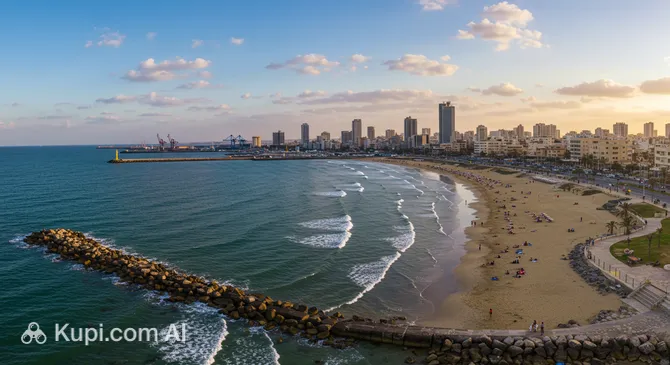
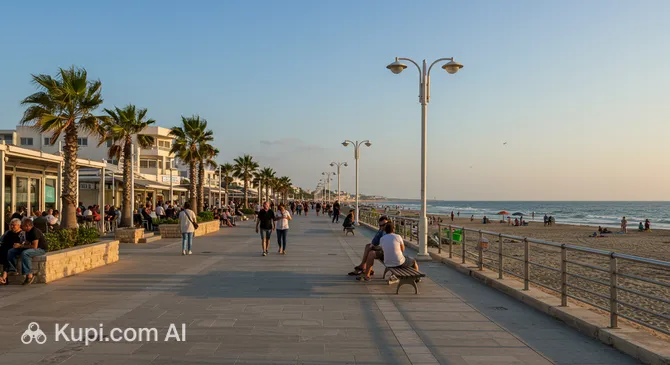
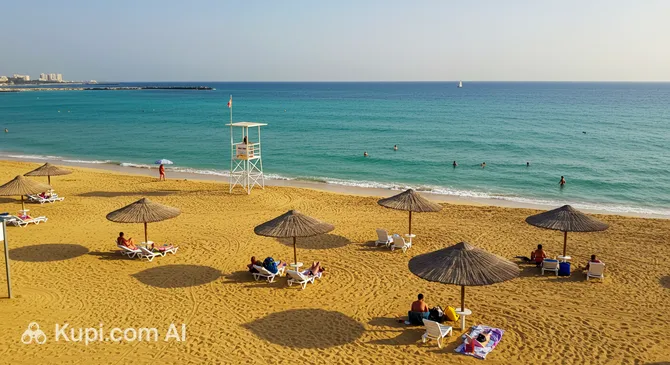
Ashdod is a dynamic and modern port city located on the picturesque Mediterranean coast of Israel. As the country's sixth-largest city, it harmoniously combines the status of a major industrial hub with the atmosphere of a coastal residential area featuring spacious beaches and well-kept promenades. Ashdod. Illustration.
Source: Kupi.com AI
The city was founded in 1956 on sand dunes, and today its population exceeds 228,000 people. Although the history of modern Ashdod began in the mid-20th century, the name itself dates back to antiquity, referring to one of the five main cities of the Philistines. Today's metropolis is famous for its massive port, which handles the majority of the country's imports, and its unique cultural diversity: it is home to numerous communities from Morocco, Georgia, and other countries.
For travelers, Ashdod is attractive for its wide sandy shores, modern shopping centers, and parks. It is an excellent destination for those who want to see the real, vibrant Israel off the beaten path, enjoy fresh seafood, and feel the rhythm of a modern Mediterranean city. Visit Ashdod to discover its industrial grandeur and cozy recreation areas.
Weather Overview
Ashdod is dominated by a classic Mediterranean climate, characterized by hot, dry summers and mild but wet winters. Its coastal location brings refreshing sea breezes that help make the summer heat more tolerable, though air humidity remains quite high during this period.
The typical city's climate features a temperature range from 25°C to 31°C in the summer months (June–September) when rainfall is almost non-existent. In winter, especially in January and February, temperatures usually fluctuate between 12–18°C, and this is when the majority of rain occurs. If you're planning a trip, note that the most comfortable conditions for walking occur during the transition periods—spring and autumn.
It is worth considering that proximity to industrial zones and the port can sometimes affect air quality, especially on windless days. Nevertheless, the spacious beaches and open coastline promote good ventilation of the city, making a holiday by the water pleasant throughout most of the year.
Average monthly temperature
Average monthly precipitation
Interesting Facts
Founded on dunes: Modern Ashdod was established in 1956 literally "from scratch" on deserted sand hills, just a few kilometers from the site of the ancient city.
The country's maritime gateway: The local port is the largest in Israel; approximately 60% of all goods imported into the country pass through it.
Cultural kaleidoscope: The city is considered the unofficial capital of several communities—it is home to the country's largest groups of Moroccan, Georgian, and Karaite Jews.
Young status: Although the area's history spans millennia, Ashdod only received official city status relatively recently—in 1968.
Impressive scale: By 2024, the population exceeded 228,000 people, making it one of Israel's key metropolises.
How to Get There
Getting to Ashdod is quite simple thanks to its location in the central part of the coast and excellent connections to the country's largest transport hubs. If you are planning a trip, check out the detailed information on how to get to the city in the most convenient way.
Most international travelers arrive via Ben Gurion Airport (TLV), located about 40-50 minutes away by car. From the airport, you can take a train with a transfer or a taxi along the modern Highway 4. Since Ashdod is a vital port, it also hosts numerous cruise ships, making it a convenient arrival point for sea tourists.
Rail service is one of the most comfortable ways to travel. Trains run regularly between Ashdod and Tel Aviv, with the journey taking between 40 to 60 minutes. The train station is on the eastern outskirts of the city, from where the central districts and beaches can be easily reached by bus or taxi. The city is also linked by an extensive network of bus routes to Jerusalem and the southern regions of the country.
Station
Passenger traffic
Distance
Ashdod Ad Halom Metropol railway station
10
4 km
Yavne East Railway Station
7
10 km
Yavne West Railway Station
5
12 km
Ashkelon Railway Station
11
15 km
Rehovot Railway Station
8
18 km
Rishon LeZion – HaRishonim Railway Station
8
21 km
Main Attractions
Despite its predominantly industrial character, the city offers guests excellent opportunities for outdoor recreation. One of the most popular locations is Ashdod Yam Park. This vast green space stretching by the sea attracts visitors with its walking paths, a lake, and a musical fountain that is particularly beautiful in the evening. Ashdod Yam Park. Illustration.
Source: Kupi.com AI
Traveler photos:
The city's coastline is famous for its clean and well-equipped beaches. Mei Ami Beach is one of the northernmost in the city, making it ideal for a quiet family holiday and long walks along the water's edge. It features excellent infrastructure for a comfortable stay under the gentle Israeli sun. Mei Ami Beach. Illustration.
Source: Kupi.com AI
Traveler photos:
Another wonderful spot for sea breeze lovers is Oranim Beach. This beach is chosen by those who appreciate the coziness and cleanliness of a sandy shore. The wide coastal strip allows you to find a secluded spot even on busy weekends, making a holiday in Ashdod truly relaxing.
Local Cuisine
The gastronomic scene in Ashdod is a true melting pot of flavors, reflecting the ethnic diversity of its residents. You should definitely try Moroccan dishes here, such as fragrant meat and dried fruit tagines or the spicy fish dish chraime. Thanks to the large Georgian community, you can find authentic khinkali and hot khachapuri prepared according to traditional recipes.
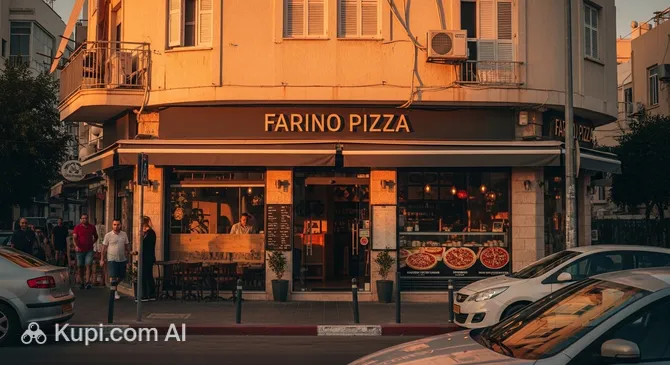
For lovers of more familiar European dishes with a modern twist, it's worth stopping by Farino Pizza. This establishment is famous for its approach to classic Italian baking in the heart of the Israeli port. Farino Pizza. Illustration.
Source: Kupi.com AI
Traveler photos:
For a hearty dinner in a cozy atmosphere, the restaurant Gambrinus is a great choice, known for its satisfying meals and wide selection of drinks. Locals often choose it for evening gatherings. Gambrinus. Illustration.
Source: Kupi.com AI
Traveler photos:
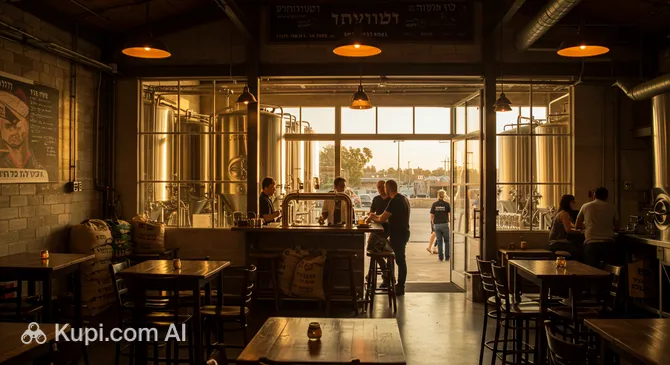
Don't forget classic Israeli street food: fresh falafel, hummus with warm pita, and juicy shawarma are sold on every corner. In coastal restaurants, you can always order the fresh catch of the day—grilled sea bream or sea bass, complemented by Mediterranean salads. Popular drinks include fresh juices, strong coffee with cardamom, and products from local breweries.
Travel Tips
Preparing for your trip to Ashdod will help make your holiday as comfortable as possible and avoid frustrating surprises. Here are some practical tips from experienced travelers:
Clothing and essentials: In summer, bring light cotton clothing and be sure to pack sunscreen. In winter, a windbreaker is useful for walks by the sea. For visiting religious neighborhoods or synagogues, choose modest clothing that covers shoulders and knees.
Transport: Getting around the city is easiest by bus or taxi (use the Gett app). If you plan to travel around the area a lot, renting a car is the best solution, but remember the rush hour traffic.
Finance: The local currency is the New Israeli Shekel (ILS). Cards are accepted almost everywhere, but it's better to have some cash for markets and small shops. Tipping in restaurants is usually 10-12%.
Health and Safety: The city is safe, but avoid walking alone in industrial zones near the port late at night. Pharmacies (Super-Pharm) are easily found in large shopping centers.
Communication: Hebrew is the primary language, but many residents speak excellent Russian and English. You can buy a SIM card at any mall or at the airport.
Local Etiquette: Shabbat (from Friday evening to Saturday evening) is a time of quiet. Most shops and public transport do not operate during this time. Keep this in mind when planning your travels.
What to avoid: Do not attempt to enter the port area without a special pass—it is a restricted facility. Do not photograph military sites or security personnel.
Useful tip: If you love seafood, look for small restaurants in the old port area—they always have the freshest catch.
We hope these tips help you enjoy Ashdod's hospitality and discover all the facets of this interesting city!
Entertainment & Nightlife
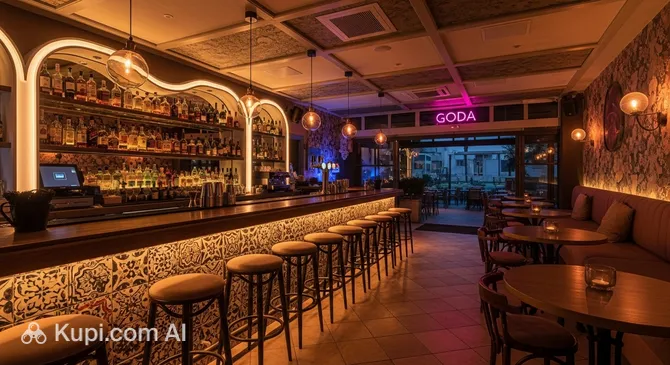
Leisure in Ashdod is mainly concentrated around the coastal zone and central districts, where life flows at a calmer pace than in neighboring Tel Aviv. The evening atmosphere here is perfect for leisurely walks along the promenade and relaxing in local venues. A popular choice is the bar Goda, where you can enjoy pleasant music and an excellent selection of drinks in the company of locals. Goda. Illustration.
Source: Kupi.com AI
Traveler photos:
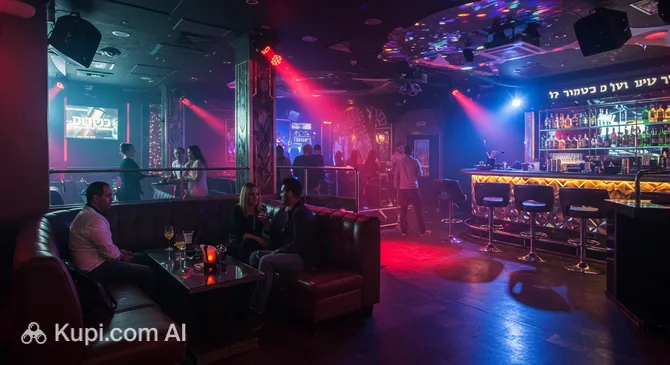
For those looking for a more informal setting, the bar Shlomper is a great fit. This place is famous for its hospitality and lively energy. If you want to spend time actively and have fun with friends, it's worth checking out the Ashdod Karaoke Rooms — a wonderful way to enjoy yourself and show off your vocal talents. Karaoke Rooms Ashdod. Illustration.
Source: Kupi.com AI
Traveler photos:
Overall, the city's nightlife is local in character and lacks excessive pretension. Most bars and cafes stay open until midnight or slightly later, and safety on the streets is ensured by good lighting and patrolling. If you're in the mood for large-scale club parties, Tel Aviv is only a 30–40 minute taxi ride away, making Ashdod a convenient base for quiet living with the option for quick trips to find noisier entertainment.
Parks & Museums
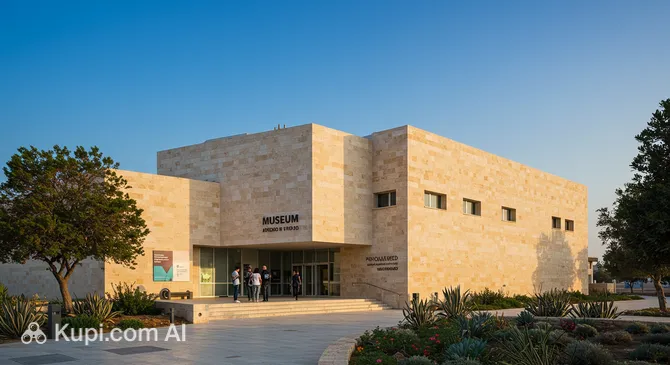
The city's cultural life is closely intertwined with its history and contemporary art. One important place to visit is the House of Testimony (Beit HaEdut). This museum and memorial center is dedicated to preserving the memory of the Holocaust and heroism, offering a deep dive into significant pages of Jewish history. Testimony House. Illustration.
Source: Kupi.com AI
Traveler photos:
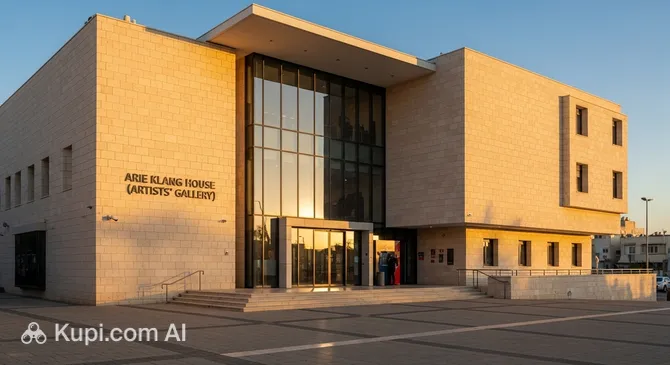
For art and modern design enthusiasts, the Arye Klang House (Artists' Gallery) is open. This unique cultural space, located in a building with unusual architecture at the foot of Jonah's Hill, serves as a venue for exhibitions by local artists, concerts, and creative workshops. Arie Klang House (Artists' Gallery). Illustration.
Source: Kupi.com AI
Traveler photos:
The city's green zones, such as Ashdod Yam Park, provide residents and guests with a necessary break from the industrial pace. Although Ashdod is a major industrial center, the municipality pays attention to landscaping residential neighborhoods, creating cozy squares for family walks and outdoor sports. It's also worth visiting the Tel Ashdod archaeological excavations located on the outskirts to connect with the ancient roots of this place.
Getting Around
The transport system in Ashdod is well-developed and oriented toward the daily needs of residents and port workers. The main form of urban transport is buses, primarily operated by the Egged company. Routes cover all residential areas, shopping centers, and beaches; however, keep in mind that buses can be crowded during peak hours due to the large flow of people working in the industrial zone.
Fares are paid using the universal Rav-Kav transport card, which can be topped up via mobile apps or at special terminals. Drivers do not accept cash. For tourists, it is convenient to use apps like Moovit or Pango to plan routes and pay for trips.
Rail links connect Ashdod with Tel Aviv and other cities in the center of the country. The "Ashdod – Ad Halom" station is a vital transport hub. Within the city itself, many prefer to get around by taxi or rental cars, as wide highways make driving quite comfortable, though morning traffic jams heading toward Tel Aviv are common. Bike rentals are not very developed in the city, but there are convenient paths for walking along the promenade.
Accommodation
Choosing accommodation in Ashdod has its own specifics: the city is geared more toward business travelers, sailors, and those looking for long-term rentals than traditional vacationers. Nevertheless, you can find decent lodging options for every taste.
For those who value comfort and proximity to the sea, hotels located along the coastline are the best choice. In central areas, mid-range apartments and guesthouses predominate. Short-term apartment rentals through international booking services are also popular in Ashdod, which often proves to be a more budget-friendly option for families or large groups.
Accommodation prices here are generally lower than in Tel Aviv, but seasonality should be considered—during summer months and religious holidays, rooms in the best hotels fill up quickly, so we recommend booking in advance. Most hotels offer practical service focused on convenience rather than excessive luxury.
Nearby Cities
Ashdod serves as an excellent starting point for exploring the central and southern parts of the country, thanks to its location at the intersection of major transport routes. In just 20-30 minutes, you can reach the city of Ashkelon, which is known for its ancient national parks and magnificent sandy beaches.
For those interested in science and education, an interesting destination is Rehovot, home to the famous Weizmann Institute. It's also worth visiting cozy Gedera—a town with a special atmosphere that has preserved the spirit of the early settlers. Not far from Ashdod are smaller settlements like Gan Yavne and Kiryat Malakhi, which allow you to see the everyday life of the Israeli provinces.
City
Population
Distance
Gan Yavne
22 453
5 km
Kiryat Malakhi
23 100
12 km
Gedera
26 217
12 km
Ashkelon
134 454
17 km
Rehovot
132 671
18 km
Exploring the surroundings of Ashdod will help you gain a deeper understanding of Israel's diverse landscapes and culture. Whether it's a short trip to Tel Aviv for shopping or a pilgrimage to Jerusalem, convenient transport links make such journeys easy and pleasant.
Shopping & Souvenirs
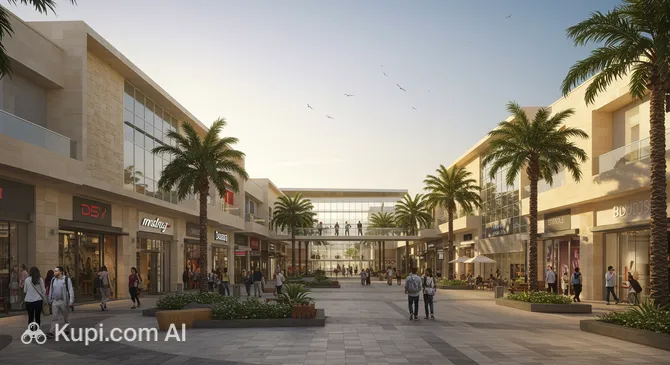
Shopping in Ashdod is primarily focused on practicality and convenience, offering a wide selection of goods in modern shopping centers. One of the most popular venues is BIG Fashion Ashdod—a stylish open-air shopping complex featuring both international brands and Israeli clothing and footwear labels. BIG Fashion Ashdod. Illustration.
Source: Kupi.com AI
Traveler photos:
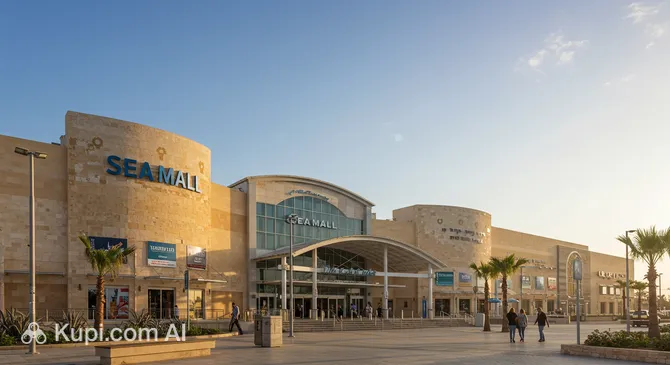
Another notable spot is the Sea Mall. Located in the city center, it offers not only shops but also food courts, a cinema, and play areas, making it a great place for family time. Sea Mall. Illustration.
Source: Kupi.com AI
Traveler photos:
If you're looking for something more local, check out the markets in the central districts. There you can buy fresh Israeli fruits, famous citrus, oriental sweets, and spices. As souvenirs, tourists often bring back handmade items by local craftsmen, Dead Sea cosmetics, and jewelry. Shops usually operate Sunday through Thursday from 9:00 AM to 8:00 or 9:00 PM, close early on Friday for Shabbat, and reopen on Saturday evening.