Support

Caravaggio

About

Caravaggio is a charming town in the Lombardy region of Italy, nestled in the province of Bergamo, just 40 kilometers from bustling Milan. The town is situated on a fertile plain between the Alps and the Po Valley, surrounded by green fields and vineyards, which creates the unique atmosphere of a true Italian province, perfect for leisurely strolls and inspiring discoveries.

With a population of about 16,000 people, Caravaggio retains the spirit of a small but very welcoming place. There is no hustle and bustle of a metropolis here; instead, a steady and friendly atmosphere reigns, where every corner breathes history. The town's compactness makes it easy to explore on foot, and locals are always ready to show the way and share an interesting story.
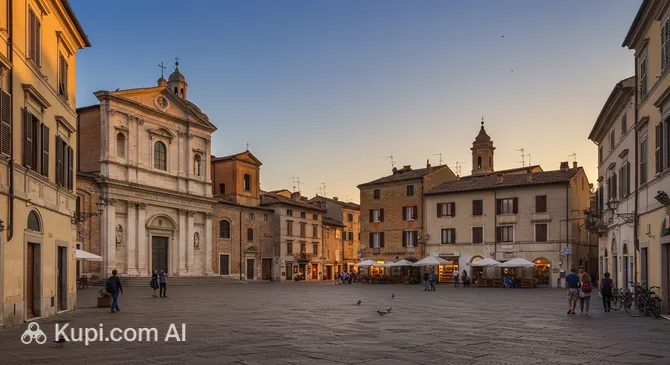
Caravaggio. Illustration.
Source: Kupi.com AI

Caravaggio attracts visitors with its authenticity and rich cultural heritage. Here, time seems to slow down: cozy squares, ancient churches, family-run trattorias, and colorful markets create a special mood. The town is famous not only for its name but also for being the birthplace of the great artist Michelangelo Merisi da Caravaggio, whose influence is still felt in its atmosphere and traditions.

If you are looking for a place to immerse yourself in authentic Italian life, enjoy some peace, and touch the history of art, then Caravaggio is undoubtedly worth a visit. This journey will give you a sense of genuine Italian hospitality and leave you with warm memories.

You can find more interesting facts on the history of Caravaggio page.

Weather Overview

In Caravaggio, you can expect a climate with clearly defined seasons. Look forward to warm summers, with average temperatures in July and August around 24.3°C (with highs reaching 29.2°C), and occasional rain, especially in May, when there is about 5 mm of precipitation and up to 18 rainy days. Winters here are cool, with an average January temperature of about 4.1°C (minimum values can drop to -0.2°C) and low precipitation, particularly in January (1 mm) and February (2 mm). Learn more about the weather in Caravaggio.

Average monthly temperature

Average monthly precipitation

Interesting Facts

Besides being the birthplace of one of history's greatest artists, this charming town in Italy holds many surprising details and stories that not everyone knows. Here are just a few of them:

  • The world-famous artist Michelangelo Merisi, who became famous under the name Caravaggio in honor of his hometown, was not only a genius of painting but also a true rebel. His biography is full of daring acts; he often got into fights, befriended adventurers, and frequently became the subject of scandalous stories, adding a special edge to the legacy associated with this place.

  • Although most of Caravaggio's masterpieces now grace famous museums in Rome, Naples, and Malta, his story began right here in Caravaggio, this small town in Lombardy. Places connected to the future master's childhood and youth are still preserved here, allowing visitors to touch the origins of his genius.

  • Caravaggio is home to the grand Santuario di Caravaggio (Santuario della Beata Vergine di Caravaggio) – one of the most revered pilgrimage sites in the region. Many people don't know that it isn't just a majestic church, but a major pilgrimage center that attracts thousands of believers from across Italy and abroad every year to venerate a miraculous icon.

  • The town is proud of its living traditions and regularly hosts colorful festivals dedicated to art, music, and local crafts. Summer holidays are especially vibrant, when the streets of Caravaggio fill with music, the aroma of street food, and the joyful voices of locals, creating the unique atmosphere of a true Italian celebration.

How to Get There

There are several ways to reach the town of Caravaggio in Italy, but the most convenient for most tourists will be flying into nearby international airports followed by a transfer.

Caravaggio does not have its own airport. The nearest and very convenient option is Orio al Serio Airport (IATA: BGY), located in Milan, about 20.5 km from Caravaggio. This is a major international airport serving many European destinations, including low-cost airline flights. A trip from Orio al Serio Airport to Caravaggio by taxi or bus will take approximately 50-60 minutes.

Another significant option is Milan Linate Airport (IATA: LIN), also in Milan, at a distance of about 28.6 km from Caravaggio. This is an important city airport, and the journey to Caravaggio from here will take roughly 1 hour to 1 hour 15 minutes. For passengers arriving on long-haul flights, the main hub is Milan's largest airport, Milan Malpensa Airport (IATA: MXP). It is located further away, about 73.9 km from Caravaggio, and the transfer (taxi or a combination of train/bus and taxi) can take about 2 hours 10 minutes.

For convenience, here is a summary of the main airports used to reach Caravaggio:

AirportPassenger trafficDistance
Orio al Serio International Airport17.4 mln20 km
Milano Linate Airport10.6 mln29 km
Milano Malpensa Airport28.7 mln74 km
Lugano Airport190 69880 km
Verona Villafranca Airport3.7 mln98 km

If you prefer traveling by train, the main railway hubs to reach Caravaggio are also located in Milan, as Caravaggio itself does not have a large railway station serving long-distance routes. One of the nearest stations is Rogoredo Station (Milano Rogoredo, IATA: IMR), located in Milan about 32.3 km from Caravaggio. This is a medium-sized station from which you can reach Caravaggio by taxi or local transport in about 1 hour 10 minutes. A larger and more central option is Milano Centrale (IATA: XIK), Milan's main railway station. It is located about 34.3 km from Caravaggio. Various transfer options are available from here, and the trip to Caravaggio will take approximately 1 hour 15 minutes.

Below is information about some railway stations through which you can travel to Caravaggio:

StationPassenger trafficDistance
Rogoredo Railway Station7.5 mln32 km
Milano Centrale Station120 mln34 km
Porta Garibaldi Station25 mln36 km
Cadorna Railway Station15 mln73 km
Lugano Railway Station11.2 mln78 km

Additionally, Caravaggio can be reached by car, as the town has good road connections with the region's major cities. Information regarding intercity bus routes should be checked on the websites of regional transport companies or locally.

Main Attractions

Caravaggio, a small but historically significant town in Lombardy, primarily attracts travelers through its inseparable connection with one of the greatest masters of painting — Michelangelo Merisi da Caravaggio. Besides the legacy of the famous artist, the town offers several interesting attractions that are well worth a visit.

The main gem of the town is the majestic Sanctuary of Our Lady of Caravaggio (Santuario di Santa Maria del Fonte). This monumental structure, built on the site of a reported apparition of the Virgin Mary in 1432, attracts pilgrims and tourists alike with its impressive architecture, rich interior decoration, and spiritual atmosphere. The complex includes a basilica, a crypt with a holy spring, and a vast square, making it an important center for religious and cultural tourism.

No less significant is the Church of Saints Fermo and Rustico (Chiesa Parrocchiale dei Santi Fermo e Rustico). It is believed that young Michelangelo Merisi was baptized in this parish church. For connoisseurs of history and art, this place is of special interest, offering a connection to the early years of the great master's life. The church is also an important architectural monument of the town.

While walking through the historical center, take note of Palazzo Gallavresi, formerly known as the Palazzo Marchionale. This building is often mentioned as one of Caravaggio's supposed birthplaces. Although the artist's exact birthplace is a subject of debate among historians, the palace itself is of architectural interest and serves as a reminder of the noble families who played a major role in the town's life during the Renaissance.

The historical center of Caravaggio itself deserves a leisurely walk. Narrow streets, old houses with arcades, and small squares create the charming atmosphere of a typical Lombard town. Here you can feel the spirit of the past, imagine what the town was like in the days of the great painter, and enjoy the calm, steady life of the Italian province.

Local Cuisine

The cuisine of Caravaggio is a true immersion into the gastronomic traditions of Lombardy, where hearty dishes made from the freshest local ingredients are highly valued. Here everyone will find something to their liking, from aromatic main courses to exquisite desserts that reflect the rich culinary history of this region of Italy.

Be sure to try casoncelli – traditional Lombard ravioli, most often with a meat filling, generously drizzled with melted butter and sage and sprinkled with grated cheese. No less famous is polenta, which is served here in various versions, for example, with stewed meat or local sausages. And for dessert, a surprise awaits gourmets – "Polenta e osei", an original cake made of marzipan and chocolate that skillfully imitates corn porridge with small birds.

Among other iconic dishes, saffron risotto stands out, as well as the famous Bergamo sausages, which often accompany polenta or are served as a standalone dish. Cheeses hold a special place in local gastronomy – the surroundings of Caravaggio are famous for the production of exquisite varieties that pair perfectly with homemade bread and local wines.

Speaking of drinks, one cannot fail to mention local wines, especially white varieties that beautifully complement the region's traditional dishes. Of course, classic Italian non-alcoholic drinks are always available, from mineral water to freshly squeezed juices, which are excellent for quenching thirst on a warm day.

Locals and tourists enjoy food in cozy trattorias and restaurants serving Lombard classics, as well as at lively markets. At the markets, you can not only buy fresh products – cheeses, cured meats, olives, and fragrant bread baked according to old recipes – but also try street food. Throughout the year, various fairs and gastronomic festivals may take place in Caravaggio and its surroundings, offering a unique opportunity to meet local producers and taste the best dishes of regional cuisine.

The gastronomic scene of Caravaggio attracts tourists with its authenticity and loyalty to tradition. By trying signature dishes like casoncelli or the sweet "Polenta e osei" and enjoying the atmosphere of local markets, you will gain unforgettable impressions and truly experience the taste of Lombardy.

Travel Tips

Planning a trip to Caravaggio, a charming Italian town with a rich artistic heritage? To ensure your trip goes smoothly and leaves only pleasant impressions, we have prepared some practical tips to help you better prepare.

  1. Clothing and items for the season: The climate in Italy, and specifically in the Lombardy region, is temperate. In summer (June-August), bring light clothing made of natural fabrics, sunscreen, a hat, and glasses. In spring and autumn, the weather is changeable, so a windbreaker, sweater, and umbrella will be useful. Winters can be chilly, so warm clothes are a must. A key point is comfortable shoes for walking around town. Don't forget an adapter for electrical appliances (Italy uses Type F and L sockets). When visiting the Sanctuary of Caravaggio (Santuario di Caravaggio) and other religious sites, follow the dress code: shoulders and knees should be covered.
  2. Getting around town: Caravaggio is a small town, and its historical center is easy to explore on foot. Public transport is mainly represented by buses that connect the town with surrounding settlements and potentially larger transport hubs. Taxis can be found, but it is not the most common way to get around. Renting a car might be advisable if you plan to explore the picturesque Lombardy countryside, but it is not necessary for Caravaggio itself.
  3. Financial matters: The official currency is the Euro (EUR). Credit and debit cards (Visa, Mastercard) are accepted in most hotels, restaurants, and shops. However, it is always useful to have some cash on hand for small purchases, markets, or small cafes. ATMs (Bancomat) are quite common. In restaurants, a service charge ("coperto") is often included in the bill, so tipping is at your discretion but usually welcomed (5-10% of the bill for good service).
  4. Health and Safety: Pharmacies (Farmacia) are easily recognized by a green cross. Some may operate 24 hours or on a duty schedule (information about this is usually posted on the doors). The emergency number in Italy is 112. Caravaggio is considered a quiet and safe town. Nevertheless, always follow standard precautions: watch your belongings in crowded places and do not leave valuables unattended.
  5. Language and Connection: The official language is Italian. In tourist areas, staff may speak English, but knowing a few basic Italian phrases (e.g., "Ciao" – hello/goodbye, "Grazie" – thank you, "Prego" – you're welcome, "Buongiorno" – good morning/day) will be very helpful and appreciated by locals. A local SIM card can be purchased at mobile phone shops. Wi-Fi is available in most hotels, cafes, and restaurants.
  6. Local Etiquette: Italians are friendly and outgoing. When entering a shop or small cafe, it is customary to say hello ("Buongiorno" in the morning and afternoon, "Buonasera" in the evening). When visiting churches and the Sanctuary, behave quietly, do not talk loudly, and do not use flash photography if it is prohibited. Respect for local traditions is the key to pleasant communication.
  7. What to avoid: Try not to be excessively noisy in public places, especially near residential buildings and churches. Keep in mind that many shops may close for "riposo" (lunch break), usually from 13:00 to 15:00 or 16:00. It is also best to avoid discussing controversial political topics.
  8. Special tip for Caravaggio: The town is inextricably linked with the name of the great artist Michelangelo Merisi da Caravaggio and is an important pilgrimage center thanks to the famous Sanctuary of Our Lady of Caravaggio. Try to allocate enough time for a leisurely visit to these iconic sites. It might be worth planning your visit on a weekday to avoid large crowds and fully immerse yourself in the atmosphere of this unique town.

We hope these tips make your stay in Caravaggio even more pleasant and fulfilling. We wish you an unforgettable journey through this corner of Italy, full of art and spirituality!

Entertainment & Nightlife

Caravaggio, a small and charming town in Lombardy, offers its guests an authentic Italian evening experience rather than the frantic nightlife of a metropolis. Here you can immerse yourself in the atmosphere of leisurely conversations over a glass of wine and enjoy local hospitality, especially in the historical center around the main squares where most of the activity is concentrated.

Evening life in Caravaggio usually begins with the aperitivo tradition. Locals and tourists gather in bars to enjoy drinks and light snacks before dinner. The atmosphere in such establishments is generally very friendly and relaxed, encouraging socialization. The dress code is usually casual. Drink prices are quite reasonable: a glass of local wine might cost 3-5 euros, while a popular aperitivo (drink with snacks) is around 5-10 euros.

Regarding late-night entertainment, Caravaggio is not a town of loud nightclubs and discos that stay open until dawn. Instead, it offers a more peaceful and soulful experience. You will find traditional Italian bars and enotecas (wine bars) here. Examples include classic Italian cafes where you can feel the local flavor, or cozy wine bars specializing in excellent local wines. (Note: specific venue names are not provided with links as current data for them is unavailable). These places may feature live music on weekends. Most of them are concentrated in the historical center and stay open until late evening, but not into the small hours, especially on weekdays.

When planning an evening in Caravaggio, keep in mind that most establishments close relatively early. The best time to go out is early evening for an aperitivo, which smoothly transitions into dinner and subsequent drinks at a bar. Moving around the town center is easy on foot. If you need a taxi late at night, it is best to book one in advance. Caravaggio is considered a safe town, but standard precautions at night are always a good idea.

During the day, Caravaggio also has much to offer for cultural leisure. You can visit the famous Sanctuary of Caravaggio (Santuario di Caravaggio), explore historical churches, or simply stroll through the charming streets of this Lombard town, soaking up its peaceful atmosphere. There are few museums in the traditional sense or large theaters here; the town is better suited for a slow-paced discovery of its historical heritage.

Parks & Museums

Caravaggio, a small town in Italy known as the birthplace of the great artist Michelangelo Merisi da Caravaggio, offers its guests not only an immersion into the world of art and history but also pleasant opportunities for outdoor relaxation and discovery of the region's cultural heritage.

For those seeking peace and greenery, there are cozy spots in Caravaggio and its surroundings. The town's public gardens (Giardini Pubblici) provide a wonderful opportunity for a leisurely walk or resting in the shade of trees. Nature lovers and those enjoying active recreation and long walks should note the proximity to regional natural parks, such as Parco del Serio, where you can enjoy the beauty of Lombard landscapes and get acquainted with local flora and fauna.

The main magnet for culture enthusiasts in Caravaggio is, undoubtedly, the legacy of its most famous native. While the town may not have a large museum entirely dedicated to the artist's life and work, the very atmosphere of his home region and buildings related to his era are of significant interest. A key site to visit is the majestic Sanctuary of Our Lady of Caravaggio (Santuario di Santa Maria del Fonte). It is not only an important pilgrimage center but also an outstanding architectural complex with a rich history housing valuable works of art. Also worth noting is the Parish Church of Saints Fermo and Rustico (Chiesa Parrocchiale dei Santi Fermo e Rustico Martiri), which often serves as a repository for local artistic and historical heritage.

Strolling through the historical center of Caravaggio is a cultural experience in itself. Here you can see characteristic Lombard architecture, old houses, and narrow streets that have preserved the spirit of past centuries. Pay attention to the details of building facades and the old town atmosphere that inspired many masters.

To truly feel the authentic atmosphere of Caravaggio, stop by one of the local trattorias to try traditional dishes from the Lombardy region, or enjoy a cup of aromatic Italian coffee in one of the small squares, watching the slow rhythm of life in this historical town.

Getting Around

Getting around Caravaggio and its surroundings is quite convenient thanks to the existing public transport system and the town's compact size. The main form of transport within the town and for connecting with nearby settlements is buses. They run on various routes, connecting the center with peripheral areas and important sites.

For longer trips, such as to other cities in the Lombardy region, residents and guests of Caravaggio can use railway services. The town has a railway station from which trains depart regularly.

The payment system for public transport in Caravaggio, as in many Italian cities, involves purchasing tickets in advance. Bus tickets can usually be bought at newsstands (tabaccherie), some bars, and sometimes at vending machines at major stops or at the station. Buying a ticket directly from the driver, if such an option is available, is usually more expensive. The cost of tickets for short trips around town is generally low. There are also passes for longer periods or a specific number of trips, which can be beneficial if using transport frequently. Be sure to validate your ticket when entering the bus or before boarding the train in the special machines on the platform – this is a very important rule, and failure to comply can result in fines.

Buses in Caravaggio usually run according to a schedule that can be found at stops or on the websites of transport companies. During the day, service intervals are more frequent, while in the evening and on weekends, the number of trips may be reduced. Therefore, when planning a trip, especially late at night, it is better to check the schedule in advance.

Besides public transport, you can move around Caravaggio in other ways. Given the town's relatively small size, many of its central parts and attractions are easily accessible on foot. This is a great way to enjoy the atmosphere of the ancient streets. For faster travel or trips with luggage, you can use taxi services. Taxi stands are usually located at the railway station and other key points in the town, or a car can be called by phone. During the warmer months, a bicycle can be a good alternative, especially for exploring the surroundings.

Accommodation

When planning a trip to Caravaggio, you will find a variety of accommodation options to suit different preferences and budgets. This charming town in Italy offers both cozy family-run establishments and more standard hotel options, allowing every traveler to find something suitable.

In Caravaggio, tourists can choose from several types of housing. Traditional hotels offering various levels of comfort are available, as well as welcoming B&Bs (Bed and Breakfasts), where you can dive deeper into the local atmosphere and enjoy home comforts. Additionally, you might consider renting apartments or guest houses, which is particularly convenient for families with children or groups of friends planning a longer stay.

For maximum convenience and a full experience of Caravaggio and its iconic sites, such as the famous Sanctuary of Caravaggio, it is recommended to choose accommodation in the central part of the town or in close proximity to main tourist routes and transport hubs. This will allow you to easily reach attractions of interest on foot or by public transport, saving time on travel.

Various hotels are represented in Caravaggio, capable of meeting the needs of both budget travelers and those looking for enhanced comfort. The choice includes small family hotels with a personalized approach as well as hotels offering a wider range of standard services. Before booking, it is recommended to study reviews from other travelers and carefully check the location and amenities offered.

To guarantee the best accommodation option, especially during the peak tourist season or during local festivals and holidays, it is highly recommended to book your accommodation in advance. Most hotels and apartments in Caravaggio are available for booking through popular international online platforms (such as Booking.com, Expedia) or directly on the hotels' official websites. The price range varies from quite budget-friendly options to mid-range and higher-class offers, allowing you to select accommodation in accordance with your financial possibilities.

Nearby Cities

For those who want to explore the surrounding area, Caravaggio serves as an excellent starting point for day trips to several interesting nearby locations.

Here are a few ideas for such trips:

Treviglio, located just 5 km from Caravaggio, charms with its well-preserved historical center and the impressive Basilica of San Martino. It is a wonderful place for a leisurely stroll and an introduction to Lombard architecture. You can find more information about Treviglio on its dedicated page.

Crema, located about 15 km away, is a picturesque town known for its impressive Cathedral (Duomo), elegant palazzos, and a special atmosphere familiar to many from the film "Call Me by Your Name". Crema is ideal for lovers of art and beautiful cityscapes.

Romano di Lombardia, just 9 km away, offers an immersion into medieval history thanks to its mighty Rocca Viscontea fortress and ancient churches. This is a good choice for those interested in fortifications and regional history. Learn more about Romano di Lombardia.

Below is a table with some nearby cities that may be interesting to visit:

CityPopulationDistance
Treviglio29 8155 km
Romano di Lombardia20 4869 km
Cologno al Serio11 18011 km
Cassano d'Adda19 05711 km
Pandino9 03512 km

These nearby destinations provide a glimpse into the diverse culture and landscapes of the Lombardy region.

Shopping & Souvenirs

Shopping in Caravaggio is more of an immersion into the atmosphere of a small Italian town with its cozy shops than a pursuit of global brands. Here you will find shops offering locally produced goods, food, and everyday items. The town is not famous for any specific types of goods, but the charm lies precisely in its authenticity and the opportunity to find something unique away from the hustle of large shopping centers.

The main retail outlets in Caravaggio are concentrated in the town's historical center. Strolling along its main streets, such as Via Bernardo da Caravaggio or around the central square, you will discover small clothing boutiques, shoe stores, jewelry shops, and home goods stores. This is a wonderful opportunity to combine sightseeing with shopping.

Caravaggio, being a relatively small town, does not have the large modern shopping centers common in metropolises. Shopping here is more traditional, with an emphasis on individual shops and boutiques. For large-scale shopping in big malls, you might need to head to the region's larger cities, such as Bergamo or Milan.

As in many Italian towns, a weekly market (mercato settimanale) may be held in Caravaggio. These markets typically offer fresh local produce – fruits, vegetables, cheeses, cured meats – as well as clothing, shoes, and home goods at attractive prices. It's an excellent place to feel the local flavor and purchase something authentic. We recommend checking the market's days and hours with locals or at the tourist information center upon arrival.

For souvenirs from Caravaggio, it is worth looking for products related to the name of the great artist Michelangelo Merisi da Caravaggio – these could be reproductions of his paintings, books, or postcards. Gastronomic souvenirs from the Lombardy region are also popular: local cheeses (such as Gorgonzola or Taleggio), salami, and wines. In small shops, you can find items made by local craftsmen, ceramics, or textiles.

Shops in Caravaggio usually open in the morning, around 9:00-10:00 until 12:30-13:00, followed by a lunch break (siesta) until 15:30-16:00. In the evening, shops are open until approximately 19:30-20:00. On Sundays and public holidays, most shops may be closed, except for some souvenir shops or grocery stores in tourist areas. Large supermarkets, if any exist on the outskirts, may have longer working hours. Both cash (Euros) and bank cards (Visa, Mastercard) are accepted in most shops. However, in small shops or at markets, cash may be preferred.

Tourists from non-EU countries can take advantage of the Tax Free system when making purchases in Italy above a certain threshold (usually around 155 euros on a single receipt in participating stores). To do this, you must ask the store for a special Tax Free form, present your passport, and then, upon leaving the EU, present your purchases and receipts at customs to receive a stamp. Tax refunds can be obtained at special points at the airport or through intermediary companies.

Nearby cities

Reached the end of the page?

That means the route is fully explored