Support

Caserta

About

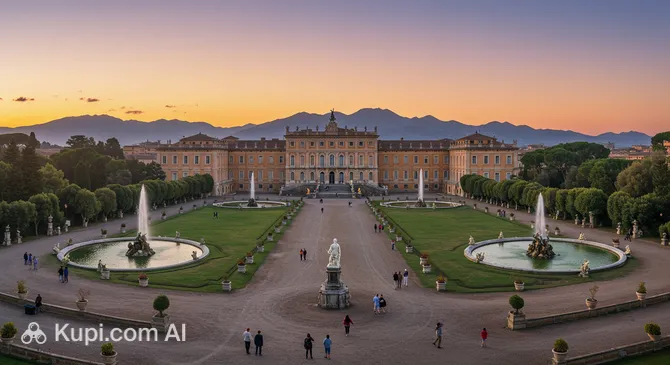
Caserta is a true gem in the south of the country, nestled in the heart of the picturesque Campania region. Spreading out at the foot of the Apennine Mountains and surrounded by olive groves and green hills, this city offers travelers a unique combination of tranquility and majestic architecture. Located just 22 kilometers north of Naples, Caserta serves as an excellent starting point for exploring the southern part of Italy thanks to its convenient transport links.

Caserta. Illustration.
Source: Kupi.com AI

Despite its relatively small population of about 75,000 people, the city is an important administrative center where traditional Italian slow pace harmoniously coexists with an energetic rhythm of life. The history of Caserta is inextricably linked to the reign of the Bourbon dynasty, whose influence transformed this area into one of the centers of 18th-century European culture. Today, trade thrives in the central squares, and you can always enjoy the local flavor in cozy cafes.

The main pearl that draws thousands of tourists every year is the Royal Palace (Reggia di Caserta), a UNESCO World Heritage site. This monumental complex is often compared to Versailles due to its scale, luxurious interiors, and magnificent gardens. However, the city is interesting for more than just the palace: it is worth looking into the medieval quarter of Casertavecchia to stroll through its ancient streets. Caserta is definitely worth visiting for its unique charm, southern hospitality, and the opportunity to touch a great past.

Weather Overview

The climate in Caserta is typical for southern Italy: hot, sunny summers and mild but rather humid winters await you here. The warmest period is July and August, when the average temperature reaches 25.5°C, and daytime maximums often exceed 30°C. This is an ideal time for those who love warmth, as rain in mid-summer is very rare, especially in July, when only about 4 rainy days are recorded.

Autumn and spring bring a pleasant coolness, but with it an increase in precipitation. For example, in November and March, the number of days with precipitation can reach 15–16 per month. In winter, the temperature rarely drops to extreme values, holding on average around 7–9°C in January and December, although you should be prepared for frequent variable cloudiness and rain.

Expect a hot, dry summer and a cool winter with regular precipitation. To plan your trip as comfortably as possible, we recommend finding out in advance what weather in Caserta is expected on the dates of your visit.

Average monthly temperature

Average monthly precipitation

Interesting Facts

Beyond its world-famous architectural monuments, Caserta holds many fascinating stories and cinematic secrets. Here are a few facts that will allow you to look at this Italian city from a new perspective.

Royal Palace of Caserta. Illustration.
Source: Kupi.com AI

Traveler photos:

  • The grand Royal Palace of Caserta, often called the "Italian Versailles," is so impressive in its scale and luxury that it has become a popular filming location. Its interiors can be seen in the Star Wars films (as Queen Amidala's palace) and Mission: Impossible III.

  • In Caserta, there was a unique 18th-century social experiment — the Belvedere of San Leucio complex. It was a utopian city built around a royal silk factory, where workers lived according to progressive principles of equality for that time. Today, there is a museum here dedicated to the ancient art of silk making.

  • The palace park is famous for its perfect geometry and complex hydraulic system. The water for the cascades, including the majestic Fountain of Diana and Actaeon, falls from a height of 82 meters, creating one of the most picturesque artificial waterfalls in Europe.

  • On the heights above the modern center lies the ancient district of Casertavecchia. It is a true medieval town where time seems to have stopped: narrow cobblestone streets and ancient buildings have been preserved here, and the observation decks offer a breathtaking view of the entire valley.

How to Get There

When planning a trip to this magnificent Italian city, it is important to think through your route in advance. Thanks to its favorable location near major transport hubs in the Campania region, getting here is easy. You can find all the details and consider all the ways to get to the city on our dedicated page, and below we will tell you about the main options.

Caserta itself does not have its own airport, so most tourists fly into nearby large cities. The most convenient option is Naples Capodichino Airport (NAP). It is located just 20.9 km from the destination. A taxi or transfer trip usually takes 30–40 minutes, although travel time may increase to 50 minutes during peak hours. This is a major international hub receiving many flights from all over Europe.

An alternative option could be Ciampino–G. B. Pastine International Airport (CIA), located in Rome. The distance to Caserta is about 166 km. The journey by car along the highway will take approximately 1 hour 45 minutes to 2 hours. This airport is often chosen by travelers using low-cost airlines.

For clarity, here is a summary of the main airports through which you can reach the region:

AirportPassenger trafficDistance
Naples International Airport12.7 mln21 km
Pontecagnano400 00070 km
Gino Lisa60 447109 km
Abruzzo Airport872 701152 km
Ciampino–G. B. Pastine International Airport3.9 mln166 km

The railway service in Italy is excellently developed, and many tourists prefer to get to Caserta by train, using major stations nearby as transfer points. One of the key hubs is Napoli Centrale (INP) station, located in Naples, about 25 km from Caserta. From here, you can quickly reach your destination by regional train or use a taxi (travel time by car will be about 30–40 minutes).

It is also worth noting the modern Napoli Afragola (NHR) station, which is even closer — only 15.6 km from Caserta. This futuristic building, designed by Zaha Hadid, serves high-speed trains. A car ride from the station to the center of Caserta will take about 20–30 minutes.

Below is a table with the nearest major railway stations:

StationPassenger trafficDistance
Napoli Afragola High-Speed Railway Station12 mln16 km
Mergellina Railway Station6.2 mln22 km
Naples Centrale Station50 mln25 km
Salerno Railway Station6 mln58 km
Tiburtina Railway Station51 mln177 km

Main Attractions

Attractions:

Caserta is a city where the grandeur of royal architecture meets the charm of medieval antiquity. Naturally, the primary magnet for travelers is the grand Bourbon residence, but beyond its walls, there are places that can surprise even the most seasoned tourist. A walk through these iconic locations will allow you to fully experience the spirit of Italy's aristocratic past.

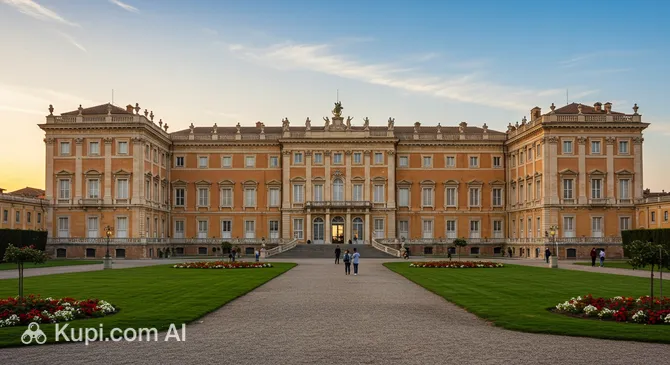
The heart of the city and its hallmark is the Royal Palace of Caserta. This masterpiece by architect Luigi Vanvitelli was conceived as a symbol of the power of the Neapolitan kings and rivals the French Versailles in its scope. Inside the palace, there are 1,200 rooms decorated with frescoes, stucco, and gold. Be sure to visit the Throne Room and climb the monumental Grand Staircase — this is where you will feel true royal luxury.

Royal Palace of Caserta. Illustration.
Source: Kupi.com AI

Traveler photos:

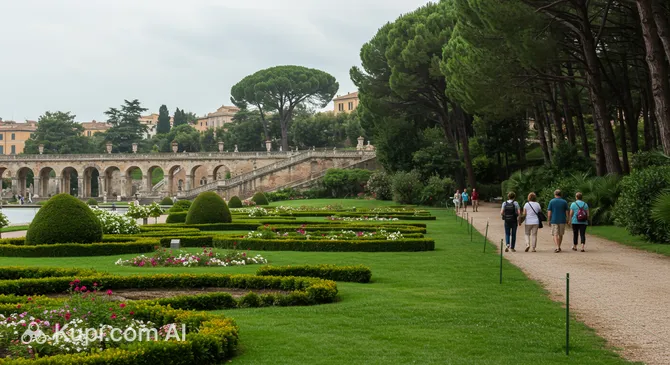
An integral part of the palace complex is the magnificent Royal Gardens of the Palace of Caserta. The park stretches for three kilometers, creating an amazing perspective with cascading fountains, alleys, and sculptural groups. It is an ideal place for long walks, where nature is subject to strict geometry and harmony. At the end of the park ensemble is the impressive Great Waterfall, which is fed by water from the Carolino Aqueduct.

Special attention in the park area should be given to the English Garden. Unlike the formal Italian park, this corner was created at the request of Queen Maria Carolina as a landscape garden mimicking wild nature. Here you will find rare exotic plants, picturesque ruins, and secluded ponds. One of the most romantic spots in the garden is the Bath of Venus — a secluded pond with a grotto and a statue of the goddess, surrounded by dense greenery, where an atmosphere of mystery and peace reigns.

English Garden. Illustration.
Source: Kupi.com AI

Traveler photos:

If you want to see a completely different Caserta, head to the medieval borgo of Casertavecchia, where the Cathedral of Saint Michael the Archangel stands. This church, built in the 12th century, is a beautiful example of Arab-Norman architecture and contrasts sharply with the lavish Baroque of the royal residence. The cathedral attracts with its austere beauty, unique bell tower, and ancient stone lions guarding the entrance, while the square in front of it offers a breathtaking panorama of the surroundings.

Local Cuisine

The gastronomy of Caserta is a bright reflection of the culinary traditions of the Campania region, enriched with unique local accents. The main gastronomic symbol of the city is rightfully considered buffalo mozzarella (Mozzarella di Bufala Campana) — a delicate cheese made from the milk of black water buffaloes. Locals treat this product with special reverence: it is served as a standalone snack, added to salads, or used as a main ingredient for pizza and pasta. You can try the freshest mozzarella in almost any trattoria or buy it at the farmers' markets for which the district is famous.

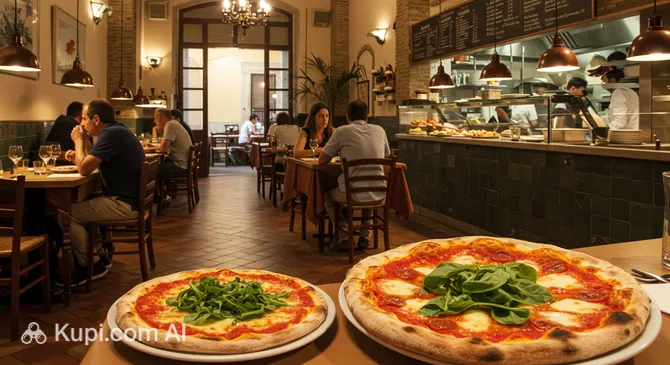
Speaking of food in Caserta, it is impossible to ignore the pizza culture. This city confidently competes with Naples for the title of the world's pizza capital, offering gourmets both classic options and bold modern interpretations. A must-visit for many tourists is the pizzeria I Masanielli Francesco Martucci, which regularly tops world rankings thanks to its innovative approach to dough and toppings. No less popular is his brother's establishment — I Masanielli Sasà Martucci, which also upholds high quality standards.

I Masanielli by Francesco Martucci. Illustration.
Source: Kupi.com AI

Traveler photos:

In addition to pizza, the menus of local restaurants abound with hearty Southern Italian dishes. It's worth ordering homemade pasta with a thick sauce of fresh tomatoes, fragrant lasagna, or ravioli with delicate ricotta. Proximity to the sea is reflected in the presence of excellent seafood dishes, which are often grilled or stewed with herbs. Street food lovers will enjoy appetizing paninis with ham and cheese, as well as various fried snacks that are convenient to eat on the go during a walk through the historic center.

Ending a meal in Caserta is traditionally done with dessert. Classic Neapolitan sweets reign here: rum-soaked "babà" and crispy cannoli with cream. As for drinks, lunch or dinner will be perfectly complemented by a glass of local wine from the vineyards of Campania, and the evening can be spent over a cocktail in one of the cozy venues, such as Il Bacio bar or the stylish Mazzini Glamour Lounge Bar, enjoying the lively atmosphere of an Italian evening.

Travel Tips

Welcome to Caserta! To ensure your trip to this "Italian Versailles" goes perfectly and leaves only pleasant memories, we have prepared a list of useful recommendations for you to help plan your trip wisely.

  1. Clothing and Seasonality. In summer, the Campania region can be very hot, so choose clothes made of light natural fabrics and be sure to wear a hat. In winter, the climate is mild but humid — an umbrella or a raincoat will be useful. Since exploring the Royal Palace park involves long walks (the distances there are huge), comfortable shoes are your most important accessory. For visiting churches, observe the dress code: shoulders and knees must be covered.
  2. Transport. The historic city center is compact and pleasant to explore on foot. However, if you want to visit the medieval borgo of Casertavecchia, located on a hill, it's better to use a local bus or a taxi, as the walking climb will be tiring. Taxis are easier to find at specialized stands (for example, at the station) than by hailing them on the street. Renting a car in the city itself is not necessary unless you plan trips to surrounding villages.
  3. Finances. The official currency is the euro. Cards are accepted almost everywhere: in museums, restaurants, and supermarkets. However, for buying souvenirs, bus tickets, or a snack in small cafes, it's better to have some cash with you. Tipping in Italy is not a strict obligation (a "coperto" fee is often included in the bill), but leaving 1-2 euros or rounding up the bill amount would be a sign of good manners.
  4. Health and Safety. Caserta is a peaceful city, but in crowded places (especially at the station and in lines at the palace), keep an eye on your personal belongings. Pharmacies are easily recognized by a sign with a green cross (Farmacia); on-duty pharmacies are open 24/7. You can safely drink water from street drinking fountains; it is clean and cool.
  5. Communication. The main language is Italian. At the palace ticket offices and large hotels, staff speak English, but in small family trattorias, you will have to explain yourself with gestures or a translator on your phone. Learn simple words: "Buongiorno" (good day) and "Grazie" (thank you) — locals will really appreciate it. Free Wi-Fi is available in many cafes, but for reliable communication, it's better to buy a local SIM card.
  6. Local Etiquette. In the south of the country, people are open and emotional. It is customary to say hello when entering any small shop or cafe. Remember the coffee culture: an espresso drunk at the bar counter (al banco) usually costs less than if you sit at a table. And never order a cappuccino after lunch — Italians only drink it for breakfast.
  7. What to Avoid. Don't plan an early dinner. Most good restaurants and pizzerias open in the evening no earlier than 7:30 PM. Also, at local markets and vegetable stalls, you categorically must not touch fruits and vegetables with bare hands — use disposable gloves or ask the seller to pick the items for you.
  8. Park Hack. The Royal Palace park extends for 3 kilometers in length. If you want to see the famous waterfall and the English Garden but are not ready for a long march under the sun, use the shuttle bus that runs through the park or rent a bike right on the complex territory.

Caserta is capable of making you fall in love at first sight with its royal scale and southern coziness. By following these simple tips, you can feel confident and focus on the main thing — the beauty of the architecture and the unsurpassed taste of the local cuisine.

Entertainment & Nightlife

The nightlife in Caserta, which locals call "movida," can be a pleasant discovery for travelers. Unlike the noisy and chaotic Naples, evenings here are held in a more elegant and relaxed atmosphere, yet the city by no means falls asleep at sunset. Thanks to a large number of students and young people, the streets of the historic center are filled with laughter, music, and the clinking of glasses, especially on Fridays and Saturdays.

The epicenter of evening entertainment includes Via Mazzini, Corso Trieste, and Piazza Dante. Most fashionable venues are concentrated here, where it is customary to start the evening with a traditional Italian aperitivo. The crowd here is quite diverse: from university students to the local elite out for a promenade. The dress code in most places is casual, but Italians love to dress stylishly (smart casual), so to feel like a "local," it's worth avoiding beachwear.

Mazzini Glamour Lounge Bar. Illustration.
Source: Kupi.com AI

Traveler photos:

If you are looking for a place with a modern atmosphere and high-quality cocktails, check out the Mazzini Glamour Lounge Bar. Located on one of the main pedestrian arteries, this venue is famous for its stylish interior and excellent music. Here you can not only have a signature cocktail but also enjoy a rich selection of snacks during "happy hours." It is a popular meeting point before heading to a club or a late dinner.

For those who prefer a more intimate setting, Il Bacio bar is an excellent choice. This place is valued for its coziness and friendly service. Groups of friends often gather here to discuss news over a glass of wine or beer. The bar fits perfectly into the concept of a quiet Italian-style evening, where the main entertainment is lively conversation and tasty drinks.

The Casertavecchia district deserves a special mention. Although this place is located away from the modern center, the ancient borgo is transformed at night. Narrow medieval streets are lit by lanterns, creating an incredibly romantic atmosphere. People come here to sit in wine bars and enjoy the panoramic view of the city lights spreading out below.

Practical Tips and Safety:

  • Prices: The cost of cocktails in city center bars ranges from 7 to 12 euros, while a glass of wine will cost 5–8 euros. Entry to nightclubs (if there is a fee) usually costs around 10–15 euros and often includes one drink.
  • Transport: Public transport is rare at night. If you stay out late or plan a trip to Casertavecchia, it's better to use a taxi. Hailing a car on the street is not common — it's more reliable to call one by phone or find one at a taxi stand near the station or Piazza Vanvitelli.
  • Safety: Central districts of Caserta (around the Royal Palace and Via Mazzini) are considered safe for night walks as they are always crowded. However, as in any city, it's worth avoiding dark, unlit alleys on the outskirts and keeping an eye on your belongings in crowded bars.

During the day, the city's entertainment program is no less intense but has a more cultural character. Art lovers should check the schedule of the Teatro Comunale, which regularly hosts plays and classical music concerts. Shopping on Via Mazzini, home to famous brand boutiques, or visiting the La Reggia Designer Outlet in the suburbs are also popular leisure activities.

Parks & Museums

Caserta offers travelers a wonderful balance between majestic architecture and picturesque natural landscapes. Although the city is primarily known for its royal history, its green spaces and museum collections deserve no less attention, turning a walk here into a true cultural discovery.

The undisputed dominant feature among the green zones is the Royal Gardens of the Palace of Caserta. This is not just a park, but a grand example of landscape art spanning 120 hectares. Here you can spend hours walking along the famous "water way," admiring the perfect symmetry of the alleys and cascades. The jewel of the park complex is considered to be the English Garden — a botanical paradise created for Queen Maria Carolina. Unlike the formal park, there is an atmosphere of natural wildness here with rare plants brought from all over the world, winding paths, and romantic ruins. For fans of more secluded relaxation, the WWF oasis "Bosco di San Silvestro" is of interest — a preserved area of ancient forest where kings once hunted, and now you can enjoy the silence and birdsong.

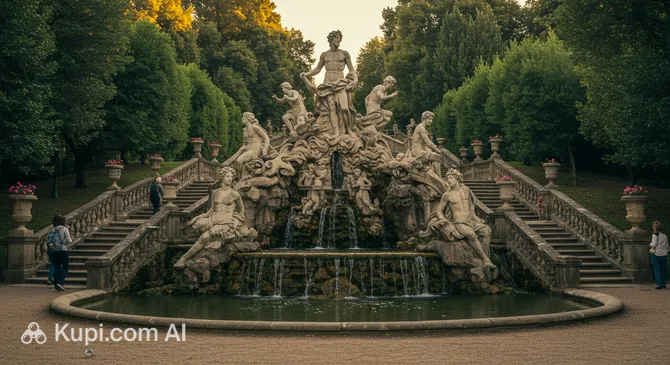
Fountain of Aeolus. Illustration.
Source: Kupi.com AI

Traveler photos:

The main museum center of the city remains the Royal Palace of Caserta. In addition to the luxurious royal apartments, tourists should pay attention to the Art Gallery (Pinacoteca) with works by Italian and Dutch masters, as well as the unique Terrae Motus contemporary art collection, gathered after the 1980 earthquake. Another important cultural site is the monumental Belvedere of San Leucio complex. Located in the suburbs, it is a unique museum of industrial archaeology where you can see old looms and learn the history of the famous silk production that made this region famous throughout Europe.

Walking through the palace park, you will encounter real masterpieces of open-air sculpture. The Fountain of Aeolus, depicting the god of winds and many other mythological figures set on artificial rocks, makes a special impression. In the upper part of the park is the majestic Fountain of Diana and Actaeon, illustrating the dramatic myth of the goddess of the hunt. And deep within the English Garden is hidden the Bath of Venus — a picturesque grotto with a marble statue, considered one of the most photographed and romantic places in all of Caserta.

Insider Tip: If you want to see Caserta from an unusual perspective, head up to the San Leucio complex at sunset. From there, you get a breathtaking view not only of the Royal Palace and the city but also of Vesuvius and the Bay of Naples in the distance. This place is less crowded with tourists and allows you to feel the grandeur of the past architects' visions.

Getting Around

The transport system in Caserta is quite simple and convenient for travelers, as the city itself is compact. Most key attractions in the center, including the famous Royal Palace, are within walking distance of each other. The railway station is located right across from the palace complex, making walking the primary and most pleasant way to move around the historic part. However, if you plan to visit outlying districts, such as the medieval borgo of Casertavecchia or the San Leucio silk factories, you will need public transport.

Buses are the main form of urban transport. The route network covers the entire city and the nearest suburbs. The main transport hub is the square in front of the railway station (Piazza Garibaldi), from where most routes depart. The buses here are modern and generally follow the schedule, although slight delays are possible during peak hours. For a trip to the high-altitude part of the city, look for routes heading towards Casertavecchia; the journey will take about 20–30 minutes and provide picturesque views from the window.

The fare payment system is typical for the region. Tickets cannot be bought from the driver — this should be taken care of in advance. You can purchase travel vouchers at newsstands (Edicola) or tobacco shops, which are easily recognized by a sign with a large letter "T" (Tabaccheria). There are single tickets valid for 90 minutes and day passes, which are advantageous for active movement. Recently, the UnicoCampania mobile app has been gaining popularity, allowing you to buy tickets online and avoid searching for open kiosks.

It is critically important to remember to validate your tickets. Upon entering the bus, be sure to stamp the paper voucher in a special device (usually yellow or orange). If the machine is not working, you should write the date and time of boarding on the ticket by hand. Inspectors work regularly on the lines, and fines for fare evasion or an unvalidated ticket can be quite substantial.

As an alternative to buses, you can use a taxi. Official taxi stands are located at the exit of the railway station and near the main gates of the Royal Palace. The white cars are equipped with meters, but for trips outside the city or at night, it's better to clarify the approximate cost in advance. Taxi calling apps are not as active here as in large metropolises, so it's more reliable to take a car at a stand or ask the hotel reception to call one.

For those who love freedom of movement, car rental services are available in the city, but for exploring the center, a car is more likely to be a burden due to parking problems and limited traffic zones (ZTL). If you prefer active recreation, you can rent a bicycle in warm weather. This is a great way to explore the flat part of the city, although a good level of physical fitness or an e-bike will be required to climb to the old districts on the hills.

Accommodation

The choice of accommodation in Caserta, while smaller in scale than neighboring Naples, can satisfy the needs of a wide variety of travelers. The city offers a balanced range of accommodation options: from modern international business-class chain hotels to cozy family-run guest houses (B&Bs), which are particularly popular here. For those seeking an authentic experience, apartments in historic buildings are available, and nature and peace lovers will appreciate agritourism (agriturismo) in the green surroundings of the city.

The most convenient area for most tourists is the historic center, located in close proximity to the main attraction — the Royal Palace of Caserta. Staying here, especially in the area of Piazza Dante or Corso Trieste, allows you to walk to the palace complex and the railway station, which is ideal for those traveling without a car. This is where the main city life, shops, and restaurants are concentrated.

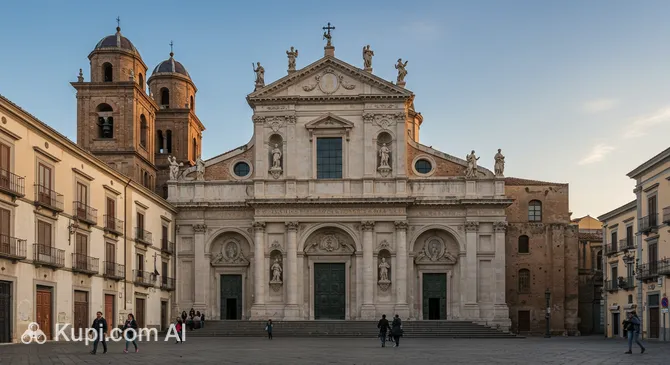
If you dream of romance and a medieval atmosphere, you should consider staying in Casertavecchia. This ancient borgo is located on a hill a few kilometers from the modern center. Hotels and mini-inns here are housed in stone buildings with centuries of history. Waking up with a view of the ancient Cathedral of Saint Michael the Archangel and a panorama of the valley is an unforgettable impression, though it's worth noting that it's more convenient to get here by taxi or a rented car.

Cathedral of Saint Michael the Archangel. Illustration.
Source: Kupi.com AI

Traveler photos:

The price range in Caserta is generally lower than in Rome or on the Amalfi Coast. Budget accommodation in a hostel or an inexpensive B&B will cost 40–60 euros per night. Mid-range hotels (3–4 stars) offer rooms for 70–120 euros, while the cost of staying in luxury apartments or boutique hotels can start from 150 euros. Booking accommodation through popular online platforms is recommended, but you can sometimes get a better price by contacting small family-run hotels directly.

Booking Tip: Caserta is a popular destination for day trips, so finding a free room is usually not difficult. However, if your trip falls on Easter holidays, August, or dates of major events at the Royal Palace, you should take care of booking a few weeks in advance to guarantee the best price-to-quality option.

Nearby Cities

For those who want to explore the surroundings, Caserta serves as an excellent starting point for day trips to several interesting nearby places. Its convenient location in the Campania region allows you to quickly reach neighboring towns, each possessing its own unique character and history.

Maddaloni is located very close and is inextricably linked with the history of the Royal Palace. It is here that the famous Vanvitelli Aqueduct (Carolino Aqueduct) is located — an 18th-century engineering masterpiece and a UNESCO World Heritage site that feeds the palace fountains with water. A visit to Maddaloni will allow you to see the majestic arches of this structure with your own eyes, as well as explore the ruins of the medieval castle towering over the town.

Aversa is a city with a rich Norman heritage, often called the "city of a hundred churches" due to its abundance of religious monuments. It is an ideal place for a cultural walk and gastronomic discoveries. Aversa is famous for its culinary traditions: they produce magnificent buffalo mozzarella here and bake "polacca" (polacca aversana) — the famous sweet pastry with custard and cherries that every guest must try.

Acerra will be of interest to lovers of folklore and antiquity. This city is considered the birthplace of Pulcinella — the most famous mask of the Neapolitan commedia dell'arte. The main architectural landmark is the Castle of the Counts (Castello dei Conti), which now houses a museum dedicated to local history, archaeology, and the musical traditions of the region.

CityPopulationDistance
Capodrise10 1334 km
Casapulla8 5974 km
Marcianise39 7925 km
Macerata Campania10 5075 km
San Prisco12 3335 km

These nearby destinations allow you to get a sense of the diverse culture and landscapes of the region, perfectly complementing the experience of visiting Caserta itself.

Shopping & Souvenirs

Shopping in Caserta is a pleasant combination of leisurely strolls through the elegant boutiques of the historic center and the opportunity to make large-scale purchases in nearby modern shopping complexes. The city is not inferior to large metropolises in the choice of brands but compares favorably with them due to its calmer atmosphere and lack of hustle. Here you can find high-quality Italian clothing and shoes, as well as unique handicraft products for which the Campania region is famous.

The heart of urban commerce and the main place for a promenade is Via Mazzini. This pedestrian zone, paved with cobblestones, is literally dotted with shop windows. Well-known Italian brands of clothing, perfumes, and accessories are represented here, alongside historic shops that have been operating for decades. You can continue shopping on the wide Corso Trieste and the adjacent Via Alois, where more budget-friendly stores and cozy bookshops are concentrated.

For those aimed at a serious wardrobe update, La Reggia Designer Outlet will be a true mecca. It is located just 10–15 minutes by car from the center of Caserta, in the neighboring town of Marcianise. This is one of the largest designer outlets in southern Italy, part of the McArthurGlen network. The complex is styled after Neapolitan architecture and brings together more than 140 boutiques of international and Italian brands, offering discounts of up to 70% year-round. Adjacent to it is the huge "Campania" shopping center with a hypermarket, a cinema, and hundreds of mass-market stores.

To feel the true local flavor, it's worth checking out the city markets. The largest of them takes place in the Via Ruta area on Wednesdays and Saturdays. It is a typical noisy southern market where clothing, household utensils, the freshest seasonal fruits, and local delicacies are sold together. Here you can find excellent leather goods at very attractive prices, but don't forget that bargaining is part of the culture.

When choosing souvenirs, pay attention to the main pride of local craftsmen — San Leucio silk. The traditions of its production date back to the 18th century and the Bourbon royal dynasty. Ties, scarves, shawls, or home textiles made of this noble material will be an exquisite and high-status gift. Of the gastronomic souvenirs, you should definitely bring back local mozzarella (ask sellers to pack it in a thermal bag for travel), Limoncello liqueur made from Sorrento lemons, and traditional handmade pasta.

When planning a shopping trip, take into account the traditional Italian schedule. Most small shops in the city center close for a lunch break (siesta) from approximately 1:00 PM – 1:30 PM to 4:00 PM – 4:30 PM. Large shopping centers and the outlet operate without breaks until late evening (usually until 9:00 PM). On Sundays, many private shops in the city may be closed, while malls remain open. Bank cards are accepted almost everywhere, but it's better to have cash euros for market purchases or small souvenirs.

Tourists residing permanently outside the European Union can use the Tax Free system. If your purchase amount in one store exceeds the legal minimum (since 2024, this threshold in Italy was lowered to 70.01 euros), you are entitled to a VAT refund. Be sure to ask the seller to issue a special receipt (fattura) and present your passport at the time of purchase to later receive a refund at the departure airport.
Reached the end of the page?

That means the route is fully explored