Support

Montichiari

About

Montichiari is a charming town in the heart of Lombardy, located about 20 kilometers south of Brescia. This cozy corner, presented to travelers by sunny Italy, is in close proximity to the famous Lake Garda. Surrounded by picturesque hills and green valleys, the town offers guests a perfect balance between natural beauty and architectural elegance, inviting leisurely walks and contemplation.

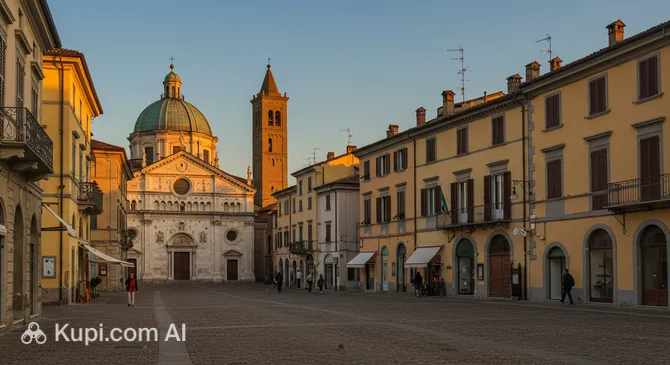
Montichiari. Illustration.
Source: Kupi.com AI

Geographically, the town has always occupied an important strategic position at the intersection of trade routes. The rich history of Montichiari has turned it into a unique crossroads of cultures, which is reflected in the appearance of its ancient buildings and squares. With a population of about 25,000, the town maintains the atmosphere of an authentic province: a measured rhythm of life prevails here, and the streets are filled with the local color so valued by lovers of "real" Europe without the glossy tourist veneer.

Montichiari is an excellent choice for those who want to avoid noisy crowds and queues. Here you can enjoy the spirit of antiquity by visiting majestic architectural monuments, such as Bonoris Castle or the main cathedral, and relax in cozy family restaurants. The town invites you to slow down time, relax, and fully immerse yourself in an atmosphere of warm hospitality.

Weather Overview

The climate in this region can be described as moderately warm, making travel comfortable most of the year. When planning a trip, consider the seasonality: detailed weather in Montichiari will help you choose the ideal time for your visit and pack your luggage correctly.

Summer here is truly warm and conducive to long walks. In July and August, the average temperature stays around 24–25°C, and during the day the air often warms up to 28–29°C. However, even in the hottest months, precipitation is possible, so an umbrella may come in handy. Spring arrives gradually, but it's worth remembering that May is the wettest month of the year, with rainy weather possible for up to 19 days.

The winter period here is cool but rarely severe. In January and February, night temperatures drop to 1–2°C, and during the day the thermometer usually rises to 8–11°C. Expect a warm summer with occasional rain and a mild winter, which is great for sightseeing without the exhausting heat.

Average monthly temperature

Average monthly precipitation

Interesting Facts

In addition to the main attractions, Montichiari holds many fascinating secrets and legends that give the journey a special charm. Here are a few facts that will help you look at this Italian town from a new perspective:

  • The symbol of the town, the majestic Bonoris Castle, is a brilliant architectural stylization. It was built in the late 19th century on the ruins of a real medieval fortress, and it is said that the echoes of old balls and mysterious rustles of the past can still be heard in its towers.

  • Montichiari is known far beyond the region as a place of mystical power. It is home to the Rosa Mistica sanctuary, where pilgrims flock every year in hope of a miracle: this place is shrouded in legends of unexplained healings and apparitions that grant hope to the faithful.

  • Local legends say that a network of ancient dungeons is hidden beneath the historical center. Residents pass down stories from generation to generation about treasures of noble families hidden there, but these hoards remain undiscovered to this day.

  • The cultural life of the town is inextricably linked with gastronomy and crafts. Traditional fairs here are not just trade events but large-scale harvest festivals where every guest can feel like part of a large Italian family and taste authentic local delicacies.

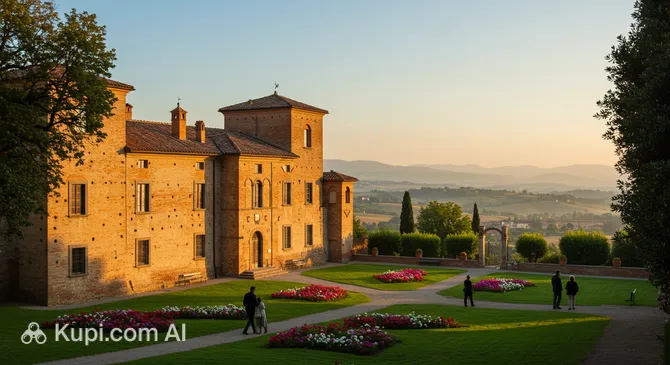
Bonoris Castle. Illustration.
Source: Kupi.com AI

Traveler photos:

How to Get There

When planning a trip to this picturesque corner of Lombardy, it is worth thinking through the logistics in advance, as the town is located slightly away from the main highways but within easy reach of major transport hubs. Welcoming Italy offers many travel options, and you can learn more about how to get to Montichiari by studying the optimal routes.

Since the local airport does not serve regular passenger flights, travelers usually arrive at neighboring air gateways. The closest and most convenient option is Verona Villafranca Airport (IATA: VRN), located in the city of Verona, just 39 km from Montichiari. This is a regional hub receiving many flights. A trip from there by taxi or rental car will take approximately 35–45 minutes with clear traffic.

Another popular choice, especially for those flying with low-cost carriers, is Orio al Serio Airport (IATA: BGY). It is located near Milan (Bergamo), about 61 km from your destination. This is a very large airport with developed infrastructure. The journey to Montichiari by car from here will take about an hour.

For clarity, here is a summary of the main airports:

AirportPassenger trafficDistance
Verona Villafranca Airport3.7 mln39 km
Orio al Serio International Airport17.4 mln61 km
Milano Linate Airport10.6 mln87 km
Guglielmo Marconi Airport10.8 mln121 km
Lugano Airport190 698133 km

Railway connection is another great way to get closer to the destination, although there is no direct train to the center of Montichiari. The nearest major station is Verona Porta Nuova Station, located in the city of Verona (about 46 km from Montichiari). From here, you can continue your journey by bus or taxi.

If you are traveling via the fashion capital, Milano Centrale Station in Milan will suit you. Despite being 93 km from Montichiari, it is one of the country's largest transport hubs, where high-speed trains arrive from all over Europe.

Below is information about the nearest railway stations:

StationPassenger trafficDistance
Verona Porta Nuova Station25 mln46 km
Reggio Emilia AV Mediopadana Station1.7 mln79 km
Rogoredo Railway Station7.5 mln90 km
Milano Centrale Station120 mln93 km
Porta Garibaldi Station25 mln95 km

Main Attractions

Attractions:

Montichiari is a town where history comes alive on every street. Although it may seem small, the concentration of architectural and cultural monuments here is impressive. A walk through the historical center will allow you to touch the rich past of the region and see masterpieces created by Italian masters centuries ago.

The absolute dominant feature of the town is the majestic Bonoris Castle. Rising on San Pancrazio Hill, it seems to guard the town. This structure, built in the 19th century by Count Gaetano Bonoris, is a magnificent example of Neo-Gothic architecture, erected on the ruins of an ancient medieval fortress. Tourists are attracted here not only by the powerful crenellated walls and towers but also by the luxurious interiors decorated with frescoes, antique furniture, and weapons. The castle is surrounded by a picturesque park, a walk through which will provide a fairytale feeling.

Bonoris Castle. Illustration.
Source: Kupi.com AI

Traveler photos:

An equally significant symbol of the town is the Duomo di Santa Maria Assunta (Duomo di Santa Maria Assunta). This cathedral, consecrated in honor of the Assumption of the Virgin Mary, amazes with its grandeur and harmony of forms. Built in the 18th century, it is topped with a huge dome that is visible from almost any point in the town. Inside, visitors will find rich decoration: marble altars, intricate stucco work, and canvases by famous Italian painters, creating an atmosphere of solemnity and spirituality.

Lovers of antiquity should visit Pieve di San Pancrazio (Pieve di San Pancrazio) — one of the oldest religious buildings in the province of Brescia. This church, dating back to the 11th–12th centuries, is a beautiful example of Lombard Romanesque architecture. The austere stone facade and simple interior transport guests to the early Middle Ages, allowing them to feel the spirit of that era in silence and peace.

Also worthy of attention is the Lechi Museum (Museo Lechi), located in an elegant palazzo. It houses an impressive collection of artworks gathered by the noble Lechi family. The exhibition includes paintings, drawings, and ancient documents telling the story of the cultural life of the town and region over several centuries. This place is a must-visit for anyone who wants to gain a deeper understanding of Italian art and history.

Local Cuisine

The gastronomy of Montichiari is a true journey into the world of authentic Lombardy flavors, where traditions are honored as sacredly as history. Local cuisine is based on simple but incredibly high-quality ingredients grown on the fertile lands of the province of Brescia. The hallmark of the table here is polenta, served in many different variations: with stewed meat, mushrooms, or melted cheese. No less popular is the golden saffron risotto and homemade tagliatelle pasta with a rich meat ragù.

Meat lovers should look out for game dishes, which are often found on the menus of local establishments, as well as the famous Brescian sausage — luganega. Thanks to the proximity of rivers and lakes, fresh fish can always be found in restaurants. If you are looking for a place to get acquainted with culinary traditions in a cozy setting, it is worth stopping by the Maragoncello restaurant, which is popular with both locals and visitors.

The dining culture in Montichiari is not limited to hearty lunches. It is customary to start the evening here with an aperitivo — a glass of local wine or a cocktail with light snacks. Small atmospheric bars like Room e Pera are perfect for this, where you can relax after a walk around town. As for drinks, the region is famous for its vineyards: be sure to try the local white and red wines, which perfectly complement the taste of traditional dishes.

Those with a sweet tooth will also find something to enjoy in Montichiari. For dessert, classic tiramisu or aromatic fruit pies are often served. During the holiday season, the king of the table is the fluffy panettone cake. And if you are lucky enough to be in town during the warm season, don't miss the opportunity to visit street markets or gastronomic festivals where farmers offer the freshest vegetables, olive oil, cheeses, and homemade pastries.

Travel Tips

Welcome to Montichiari! To ensure your journey through this cozy Lombard town goes perfectly and Italy leaves only pleasant memories, we have prepared a list of practical recommendations to help you feel right at home here.

  1. Clothing and belongings. The climate here is temperate, so your wardrobe depends on the season: light natural fabrics, sunglasses, and a hat are essential in summer, while a windproof jacket and umbrella will come in handy in winter and late autumn. Since there are many cobblestones in the town, bring comfortable flat shoes. For visiting active churches (such as the Duomo), follow the dress code: shoulders and knees must be covered. Don't forget a plug adapter (type L or F) if your devices have non-standard plugs.

  2. Transport. The historical center of Montichiari is compact and most pleasant to explore on foot. There is no city metro or trams here. The bus network connects the town with Brescia and Lake Garda, but the schedule may change on weekends. For trips around the area and visits to wineries, we strongly recommend renting a car — this will give you the necessary freedom and save time.

  3. Finances. The official currency is the euro. Although Visa and Mastercard are accepted in most restaurants and supermarkets, small coffee shops, kiosks, and markets often ask for cash. Always carry small denomination bills. ATMs are available everywhere. Tipping is not a strict rule, as a service charge ("coperto") is often included in the bill, but leaving 1–2 euros or rounding up the bill is a sign of good manners.

  4. Health and safety. Montichiari is a quiet and safe town. However, as everywhere, do not leave your belongings unattended. Pharmacies are marked with a green cross sign (Farmacia); emergency points also operate at night. Tap water is drinkable, but tourists often prefer bottled. The emergency number is 112.

  5. Communication. Locals speak Italian. In hotels and large restaurants, staff generally speak English, but it may not be useful in small shops. Download an offline translator and learn a couple of polite phrases: "Buongiorno" (hello) and "Grazie" (thank you) — this will instantly win over your interlocutor. Free Wi-Fi is available in many cafes, but for a stable connection, it is better to buy a local SIM card at mobile stores or tobacco kiosks (Tabacchi).

  6. Local etiquette. Italians value friendliness: when entering a shop or bar, be sure to say hello. If you visit a food market, never touch fruits and vegetables with your bare hands — this is considered a serious hygiene violation. Use disposable gloves or ask the seller to pick the items for you.

  7. What to avoid. Do not plan active shopping or lunch between 12:30 and 15:30. At this time, "riposo" (similar to siesta) begins, and many shops and some establishments close for a break. Also, avoid ordering a cappuccino after a heavy lunch or dinner — locals only drink it for breakfast, and after a meal, they prefer a classic espresso (caffè) to improve digestion.

  8. Extra tip. Montichiari is known for its exhibition center, Centro Fiera. Check the event calendar before your trip: during large exhibitions and fairs, the town's population temporarily increases, which can lead to a shortage of seats in the best restaurants and traffic jams at the entrance. Book a dinner table in advance if your visit coincides with a major event.

We hope these tips help you avoid minor inconveniences and allow you to fully focus on the beauty of the architecture and the taste of Italian cuisine. We wish you an unforgettable trip to Montichiari!

Entertainment & Nightlife

Montichiari offers its guests a quiet but atmospheric leisure time, ideal for those who appreciate Italian social culture and gastronomic pleasures. The nightlife here is devoid of the hustle and bustle of metropolises like Milan; instead of noisy techno clubs, the town focuses on cozy lounge bars, enotecas, and long dinners with friends. The evening here traditionally begins with the "aperitivo" ritual, when locals fill the terraces in the central squares to enjoy a glass of Spritz or Prosecco before dinner.

The epicenter of evening activity is the historic town center, especially the areas around Piazza Santa Maria and the adjacent ancient streets. A relaxed and friendly atmosphere prevails here. The crowd in the establishments is mixed: from young people to elderly couples, everyone is dressed in smart casual style. The dress code in most places is democratic, but Italians love to look elegant, so when heading out for an evening promenade, it is worth opting for neat and stylish clothing.

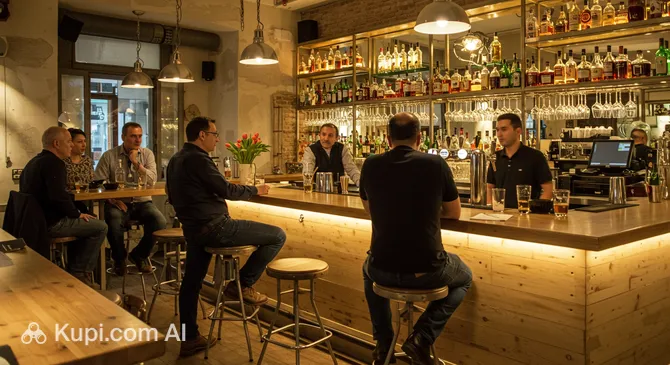
Rhum e Pera. Illustration.
Source: Kupi.com AI

Traveler photos:

If you are looking for a place with an excellent drink list and a lively atmosphere, be sure to stop by the Room e Pera bar. This establishment is popular for its stylish interior and quality cocktails. Here you can not only have a drink but also enjoy light snacks while listening to pleasant music and socializing. It is an excellent spot to start the evening or end it in the company of locals.

For those who want to diversify their gastronomic experience and are looking for an alternative to traditional Italian cuisine in the evening, the Syrian Restaurant will be an interesting discovery. This place offers an immersion into the atmosphere of the East right in the middle of Lombardy. Dinner here takes place in a calm setting, which is perfect for a romantic date or a leisurely conversation after a busy day.

Speaking of the practical side, it is worth remembering that nightlife in Montichiari winds down earlier than in major tourist centers. Bars usually stay open until 1:00 or 2:00 AM, and restaurant kitchens close around 10:30 PM. Prices here are moderate: a cocktail costs on average 6–10 euros. From a safety perspective, the town is very comfortable for night walks, although lighting on the outskirts may be dim. Catching a taxi on the street at night is practically impossible — a car needs to be called by phone or through an app in advance.

As for daytime entertainment, Montichiari is known for more than just historical monuments. The town is famous for its Velodrome (Velodromo Fassa Bortolo) — the only indoor cycling track in Italy, which often hosts exciting sports competitions. Cultural leisure can also be diversified by visiting the Centro Fiera exhibition center, where antique fairs, exhibitions, and festivals attracting guests from all over Europe are regularly held.

Parks & Museums

Montichiari offers travelers not only architectural beauty but also opportunities for quiet relaxation in nature and a deep immersion into the cultural context. The town harmoniously combines well-kept green zones with museum collections that tell of the region's glorious past, its battles, and peaceful traditions.

Among the town's green oases, the park surrounding the famous Bonoris Castle occupies a special place. This magnificent English-style garden creates an atmosphere of privacy and romance around the fortress. Walking along the shaded paths among centuries-old trees, you can enjoy panoramic views of the town and the surrounding hills. It is an ideal place for those who want to take a break from the hustle and bustle and take beautiful photos against the backdrop of historical architecture.

For a more spiritual and contemplative holiday, it is worth visiting the Fontanelle area. This is not just a natural zone but a kind of open-air sanctuary, known as the "Rosa Mistica" pilgrimage site. Here, amidst the greenery and silence, a special atmosphere of peace prevails. The well-maintained territory with springs and a small amphitheater is a wonderful place for reflection and walks away from town noise, regardless of your religious views.

History buffs will find it interesting to visit the Museum of the Risorgimento (Museo Storico del Risorgimento). The exhibition is dedicated to the dramatic events of the struggle for Italian unification, which also affected these lands. It features documents, weapons, and uniforms that allow one to vividly imagine the era of great changes and battles that took place in the vicinity of Montichiari. This is a great opportunity to learn more about the heroes of the past who shaped the modern appearance of the country.

To understand the soul of the local people and their roots, be sure to visit the Giacomo Bergomi Ethnographic Museum (Museo Etnografico Giacomo Bergomi). It is located on the territory of the exhibition center and represents a unique collection of peasant life items. The collection tells about agricultural traditions, crafts, and the daily life of the inhabitants of the Po Valley and the Alpine foothills, immersing visitors in the authentic atmosphere of old Lombardy.

Insider tip: if you find yourself in the town on a hot summer day, head to Prato Blu. This is a popular water park with vast green lawns, swimming pools for adults and children, and relaxation zones. Locals love to spend entire weekends here, escaping the heat and enjoying picnics in the fresh air.

Getting Around

The transport system of Montichiari is compact and simple, which fully corresponds to the size of this cozy town. You won't find a metro, tram lines, or trolleybuses here. The main form of public transport is buses, which connect the center with the outskirts and provide connections to neighboring Brescia, Desenzano del Garda, and other settlements in the region. For getting around the historical center itself, transport is often not needed — most attractions are within walking distance of each other.

Bus service is operated by regional carriers. The most popular routes connect the town with the Brescia railway station, which is especially convenient for those arriving by train. It is important to remember that bus schedules can change significantly depending on the day of the week: on Sundays and holidays, the number of trips is noticeably reduced, and evening routes may end quite early. We recommend checking the current schedule at stops or on the websites of local transport companies (e.g., Arriva) in advance.

The fare payment system here is traditional for the region. It is better to purchase tickets in advance at newsstands or tobacco shops, which are easily recognized by the sign with a large letter "T" (Tabaccheria). Buying a ticket from the driver is not always possible and, as a rule, costs more. Don't forget the main rule: upon entering the bus, the ticket must be immediately validated in a special device (usually yellow or green). Fines for traveling with an unvalidated ticket can be substantial, and ignorance of the rules is no excuse.

If you prefer more freedom and plan to visit wineries or remote corners of the province, renting a car would be the optimal solution. There are rental points in Montichiari and the surrounding area, but it is better to book a car in advance. This will free you from dependence on bus schedules. There are taxis in the town, but catching a car on the street by hand is practically impossible. A car must be ordered by phone or found at special stands (usually near main squares or the exhibition center), and the cost of the trip will be higher than the average in large metropolises.

In the warm season, a bicycle becomes a great alternative to transport. The terrain in the town itself and its immediate surroundings is quite comfortable for cycling. Some hotels offer bicycle rentals to their guests, allowing you to explore picturesque streets and parks at your own pace, enjoying the atmosphere of the Italian province.

Accommodation

Accommodation options in Montichiari fully reflect the spirit of this cozy Lombard town: you won't find giant hotel complexes or noisy "all-inclusive" resorts here. In this region, welcoming Italy focuses on intimacy and an individual approach. The foundation of the housing stock consists of small family-run hotels, cozy guest houses (Bed & Breakfast), and apartments that allow you to feel not like a tourist, but like a welcome guest.

When choosing an area to stay, you should be guided by the purpose of your visit. Most travelers prefer to stay in the historical center. This is the most atmospheric option: narrow streets, ancient buildings, and walking distance to the main attractions, such as Bonoris Castle. Life here flows slowly, and in the morning you will be awakened by the aroma of fresh coffee from the neighboring coffee shop.

If you are traveling by car and looking for quiet, pay attention to the surroundings of the town. In the countryside around Montichiari, agriturismo (farmhouse) stays are popular — farmhouses converted into mini-hotels. This is a great chance to live in nature, enjoying fresh air and local products, while being only a 10–15 minute drive from the center.

Particular attention should be paid to booking by those planning a trip during major exhibitions at the local Centro Fiera center. During these days, demand for housing rises sharply, and rooms in hotels, especially in the business segment, can be sold out several months in advance. At other times of the year, there are usually no problems with availability.

The price range in Montichiari can be described as moderate, which favorably distinguishes it from its more expensive neighbors — Desenzano del Garda or Verona. Budget travelers can find inexpensive rooms in B&Bs, while comfort seekers can find elegant rooms in 3-4 star hotels. It is most convenient to book accommodation through popular online platforms, although many small owners are happy to accept direct requests by email.

Nearby Cities

Для тех, кто хочет исследовать окрестности, Монтикьяри служит отличной отправной точкой для однодневных поездок в несколько интересных близлежащих мест:

Just 20 kilometers away is Brescia — a major cultural and historical center of the region. This city is called the "Lioness of Italy" and is famous for its rich heritage: from the monumental Roman forum and the Santa Giulia Monastery, which is a UNESCO World Heritage site, to the majestic castle on the hill. A trip here will be a real treat for lovers of art and architecture.

If you are looking for relaxation by the water, head to Desenzano del Garda, which is only 13 kilometers away. This is a lively resort on the southern shore of Lake Garda, known for its picturesque promenade, old port, and many restaurants. Here you can not only enjoy the lake views but also visit an ancient castle or go on a boat trip.

Also worthy of attention is Castiglione delle Stiviere, located 8 kilometers from Montichiari. This town is known as the birthplace of the idea for the International Red Cross, and it houses a unique museum dedicated to this organization. Quiet streets and a historical atmosphere make it a pleasant place for a short informative visit.

CityPopulationDistance
Calcinato12 8945 km
Carpenedolo12 9577 km
Castiglione delle Stiviere23 5708 km
Calvisano8 5438 km
Ghedi18 7199 km

These nearby destinations provide insight into the diverse culture and landscapes of the region, from Alpine lakes to ancient Roman ruins.

Shopping & Souvenirs

Shopping in Montichiari is an opportunity to combine pleasant purchases with a walk through a cozy Italian town. You won't find endless rows of luxury boutiques here as in Milan, but the town offers a great selection of shops with high-quality clothing, shoes, and local products. The atmosphere here is calm and inviting, allowing you to choose gifts and souvenirs without unnecessary hustle and tourist crowds that popular Italy often suffers from.

The heart of the town's commercial life is the historical center. Walking along the streets adjacent to Piazza Santa Maria and Via Trieste, you can find many small family shops and elegant boutiques. They sell stylish Italian clothing, leather accessories, and jewelry. The windows in the center are decorated with special taste, inviting you to look inside and chat with the friendly owners, who often stand behind the counter themselves.

If you are interested in large-scale shopping and famous international brands, you should pay attention to the surroundings. Although there are no large malls in the very center of Montichiari, one of the region's most popular shopping complexes — Il Leone Shopping Center — is located just a few minutes' drive away (towards Lonato). This is a huge two-story mall housing dozens of mass-market, electronics, and home goods stores. Locals and tourists come here to update their wardrobe and visit the hypermarket.

Local markets, which are an integral part of Italian culture, deserve special attention. A traditional weekly market unfolds in the town center on Friday mornings. This is a place where you can buy fresh farm products, flowers, clothing, and household items at very attractive prices. In addition, the Montichiari Exhibition Center (Centro Fiera) regularly hosts specialized fairs, including famous antique and vintage exhibitions where collectors can find unique pieces of antiquity.

As souvenirs from Montichiari, it is best to bring back gastronomic delicacies. The region is famous for its cheeses, particularly Grana Padano, and meat products such as traditional salami. A bottle of local wine from the vineyards located near Lake Garda would make an excellent gift. You should also look at handmade items that can be found in small craft workshops in the old town.

When planning your shopping, remember the working hours. Most small shops are open from 9:00 or 9:30 until 12:30, and then close for a long break — "riposo." Trading resumes around 15:30 and continues until 19:30. Large shopping centers and supermarkets usually work without a break and close later. Bank cards are accepted almost everywhere, but for purchases at the market or in small cafes, it is better to have some cash euros with you.

Tourists from non-EU countries can use the Tax Free system. If you make a purchase in one store for an amount exceeding the established minimum (usually around 155 euros, although the threshold may change), look for a "Tax Free Shopping" sticker on the window. Don't forget to ask the seller for a special tax refund form, which you will need to present at customs when flying out of the country.
Reached the end of the page?

That means the route is fully explored