Support

Brescia

About

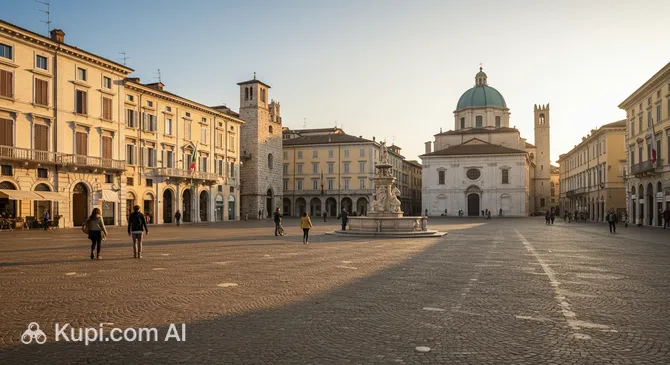
Brescia is the true heart of Lombardy, nestled comfortably at the foot of the Alpine foothills. The city harmoniously combines the dynamic rhythm of a modern metropolis with the slow-paced charm that Italy is so famous for. Thanks to its fortunate geographical location, just a few kilometers from the sparkling lakes of Garda, Iseo, and Idro, Brescia serves as an ideal starting point for both mountain routes and lakeside relaxation.

Brescia. Illustration.
Source: Kupi.com AI

As the second largest city in the region after Milan, Brescia has about 197,000 inhabitants. Despite its size, the city maintains a cozy atmosphere: narrow streets intertwine with spacious squares, and ancient architecture stands alongside lively cafes. Here, you can experience authentic Italian character without the excessive tourist hustle and bustle.

The city is a real treasure trove for lovers of antiquity and art. The multifaceted history of Brescia has left its mark in the form of unique monuments: you will find evidence of its ancient Roman past, exquisite Renaissance palaces, and a majestic fortress towering over the city on Cidneo Hill. This is a place where traditions are carefully preserved without hindering modern development.

Brescia is worth visiting for its rich cultural heritage, magnificent local cuisine, and the opportunity to discover the amazing corners of Lombardy. This city will give you unforgettable impressions and allow you to see the life of the region from a new, fascinating perspective.

Weather Overview

The climate in this region can be described as moderately warm, which makes the city pleasant to visit at any time of year if you prepare correctly. Before planning your trip, we recommend checking the current weather in Brescia to choose the ideal season for walks.

Winters here are quite cool but not severe. The coldest month is January with an average temperature of 2.9°C, when the thermometer can drop to -1.1°C at night. Spring arrives gradually; however, travelers should be prepared for precipitation: May is considered the "wettest" month of the year, with up to 22 rainy days.

The summer season brings comfortable warmth without extreme heat. In July and August, the average temperature stays around 22°C, while daytime maximums reach a pleasant 26.4°C, although rain is possible during this time too. Expect a warm summer with occasional precipitation and cool winters that require warm clothing for evening walks.

Average monthly temperature

Average monthly precipitation

Interesting Facts

Brescia is a city that knows how to surprise even the most seasoned travelers. In addition to famous architectural monuments, it hides fascinating stories and unique traditions that not everyone knows about.
  • The city bears the proud nickname "The Lioness of Italy." Brescia received this title for its heroic defense during a ten-day uprising in the 19th century. A symbol of this spirit and courage is the statue of a lion found in the historical center, reminding everyone of the residents' resilience.

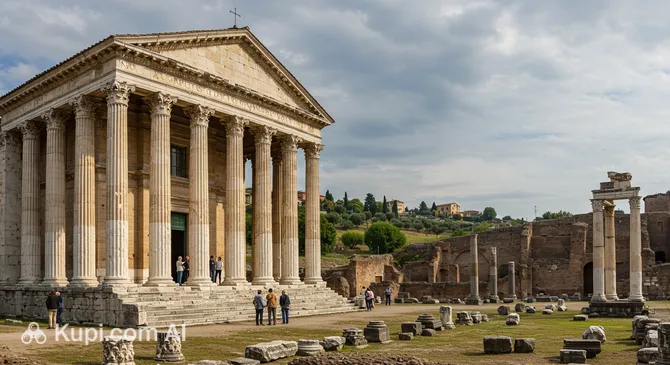
  • It is home to the largest archaeological zone of the Roman era in the north of the country. Walking along the ancient stones, you will see the Capitolium, built by Emperor Vespasian. This complex is a UNESCO World Heritage site and allows you to literally touch ancient history preserved through the millennia.

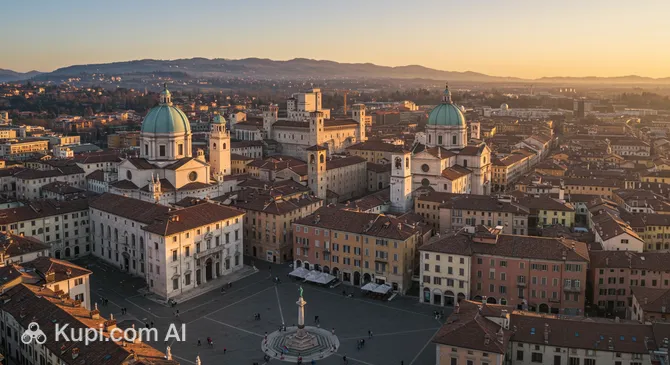
  • A unique architectural feature of the city is Piazza Paolo VI, where two cathedrals stand side-by-side. The Old Cathedral (Duomo Vecchio) is built in a rare circular Romanesque form, while the New Cathedral impresses with the grandeur of late Baroque — such proximity is a rarity even for Italy.

  • Brescia is the birthplace of the legendary "Mille Miglia" race. Every year, a parade of rare vintage cars starts here, attracting enthusiasts from all over the world. This event turns the city streets into a real open-air automotive museum, where you can see masterpieces of past engineering.

  • Towering over the city, Brescia Castle is called the "Falcon of Italy" for its strategic position on Cidneo Hill. Today, inside the powerful fortress walls, resides one of the most significant arms museums in Europe, housing unique armor and weaponry from past centuries.

Capitoline Temple. Illustration.
Source: Kupi.com AI

Traveler photos:

How to Get There

Brescia occupies a strategically advantageous position in Lombardy, located at the intersection of important transport routes in Northern Italy. Getting here is quite simple both by plane and by rail, using the developed network of neighboring metropolises. To choose the best route and save time, we recommend checking out details on how to get to Brescia to explore all available options.

Brescia itself does not have its own civil airport for regular passenger flights; however, travelers can use the airports of neighboring cities. One of the most convenient options is Orio al Serio Airport (IATA: BGY), located in Bergamo (Milan). It is only 42 km from Brescia, and the journey by taxi or transfer takes about 1 hour and 20 minutes. This airport is particularly popular with those flying with low-cost airlines.

Another excellent alternative is Verona Villafranca Airport (IATA: VRN), located in Verona, about 55 km from the destination. A trip from here by car takes about 1 hour and 40 minutes. It is also worth mentioning the region's largest international hub — Milan Malpensa Airport (IATA: MXP), located in Milan (about 117 km away). Most long-haul flights arrive here.

For convenience, here is a summary of the main airports:

AirportPassenger trafficDistance
Orio al Serio International Airport17.4 mln42 km
Verona Villafranca Airport3.7 mln55 km
Milano Linate Airport10.6 mln73 km
Lugano Airport190 698114 km
Milano Malpensa Airport28.7 mln117 km

Rail connections in the country are excellently developed, and traveling by train is often the most comfortable way to get around. Although many tourists arrive directly at Brescia station, it is useful to know about major transit hubs nearby for planning complex routes. For example, Milan Central Station (Milano Centrale) is a grand hub in the city of Milan, located about 79 km from Brescia. High-speed trains depart from here to all corners of the country.

Another important transport hub is Verona Porta Nuova Station, located in Verona at a distance of about 61.5 km. This is a convenient point for those traveling from the east of the country or from Austria. You can get from these major stations to Brescia by regional trains or by using taxis and intercity buses.

Below is information about the nearest major railway stations:

StationPassenger trafficDistance
Verona Porta Nuova Station25 mln62 km
Rogoredo Railway Station7.5 mln77 km
Milano Centrale Station120 mln79 km
Porta Garibaldi Station25 mln80 km
Reggio Emilia AV Mediopadana Station1.7 mln97 km

Main Attractions

Attractions:

Brescia is a city where every stone breathes history. Here, ancient ruins stand next to Renaissance palaces, and medieval fortresses guard the peace of modern quarters. A walk through the local sights will allow you to take a journey through time spanning several millennia.

The absolute dominant feature of the city is the majestic Brescia Castle. This powerful medieval fortress, located on Cidneo Hill, is perfectly preserved to this day. Tourists should climb up here not only to inspect the bastions and the drawbridge but also for the breathtaking panoramic views of the city and the Alpine foothills. Inside the fortress walls are interesting museums, including the Arms Museum, which boasts one of the best collections in Europe, and the Museum of the Risorgimento.

For immersion in the cultural heritage of the region, be sure to visit the Santa Giulia Museum. This monastery complex, included in the UNESCO World Heritage List, is called the "City Museum" because its exhibition covers history from prehistoric times to the Venetian period. Here you can see unique frescoes, ancient Roman mosaics, and the famous Cross of Desiderius, decorated with precious stones. This place is striking in its scale and atmosphere.

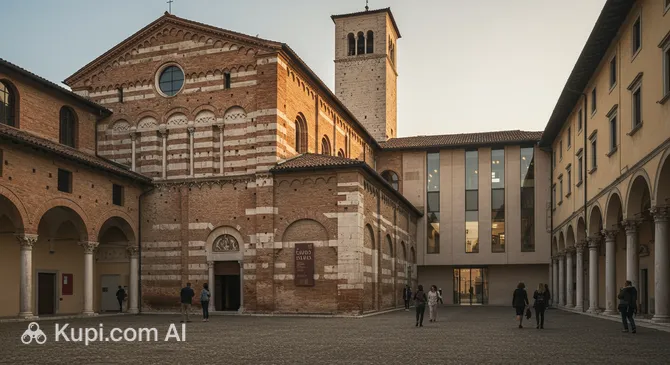
Santa Giulia Museum. Illustration.
Source: Kupi.com AI

Traveler photos:

The heart of social life and an example of graceful Venetian architecture is Piazza della Loggia. The square is surrounded by beautiful buildings, among which the Loggia Palace stands out with its snow-white marble facade. Particular attention is drawn to the old clock tower with an astronomical clock, where two mechanical figures, called "maccari de le ore," strike the time with hammers. This is an ideal place for a leisurely walk and a photo session.

Lovers of sacred architecture should look into the unique Old Cathedral (Duomo Vecchio), also known as the "Rotonda" because of its circular shape. Built in the 11th century on the foundations of an even older basilica, it is one of the most significant examples of Romanesque architecture in Italy. A mysterious twilight reigns inside, and fragments of ancient Roman baths are preserved in the crypt. The contrast between the stark stone of the old cathedral and the lavish decoration of the neighboring New Cathedral leaves an indelible impression.

Local Cuisine

Brescia's culinary traditions are a real feast for the palate, where Alpine heartiness meets Italian sophistication. The main gastronomic symbol of the city is undoubtedly "casoncelli" — homemade ravioli with a rich meat filling, traditionally served generously drizzled with melted butter and garnished with sage leaves. Polenta is no less popular here: it is baked with aromatic local cheeses and sausages, creating a hearty and warming dish.

A special place in the hearts of locals is held by "spiedo" — meat slowly roasted on a spit with the addition of herbs and spices. This dish is usually prepared on weekends, bringing large families together at the table. For a light snack, head to the farmers' markets, where you can find the pride of the region — aged "Bagòss" cheese and fresh mozzarella. The perfect accompaniment to them is the crispy traditional "micheletta" bread.

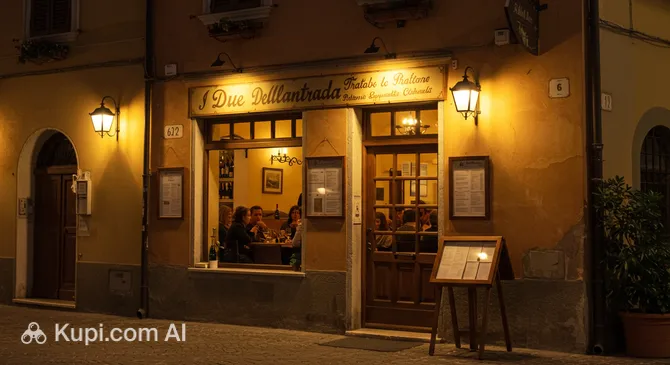
I Due Della Contrada. Illustration.
Source: Kupi.com AI

Traveler photos:

Speaking of drinks, it is impossible not to mention that Brescia is located in the Franciacorta wine region. Local sparkling wines are world-famous and boldly compete with French champagne in terms of quality. A glass of this noble drink makes a wonderful aperitivo before dinner.

The gastronomic life of the city bustles in cozy trattorias and at seasonal festivals. In autumn, they celebrate the festival of chestnuts and wine, and in summer, street food festivals take place. To immerse yourself in the atmosphere of local hospitality and try authentic dishes, you can look into the restaurant I Due Della Contrada. If you just want to relax with a glass of wine in a pleasant setting, L'Oste Sobrio bar is an excellent choice.

Travel Tips

Welcome to Brescia! To ensure your acquaintance with this ancient Lombard city goes as smoothly as possible and leaves only pleasant memories, we have prepared a list of useful recommendations. These practical tips will help you quickly find your way around and feel like a local.

  1. Clothing and dress code. The historical center is paved with old cobblestones, so comfortable flat-soled shoes are your main ally for long walks. If you plan to visit churches (such as the Duomo Vecchio), remember the strict dress code: shoulders and knees should be covered. In summer, be sure to bring a hat and sunglasses, and in winter, a warm scarf will come in handy as humidity can increase the feeling of cold.

  2. Transport. Brescia is proud of its modern automated metro, which connects the northern part of the city with the southeast. This is a fast and convenient way to get around. For trips around the center, it is best to walk, as many streets are closed to vehicles. If you rent a car, avoid ZTL zones (restricted traffic zones) to avoid getting a fine, and use park-and-ride lots near metro stations.

  3. Finances. The currency is the Euro (€). Bank cards are accepted almost everywhere, but having a small amount of cash (5–20 euro bills) is necessary for paying for coffee, souvenirs, or market purchases. Tipping in Italy is not mandatory, as a service charge ("coperto") is often already included in the bill, but rounding up the amount or adding a couple of euros on top will be received with gratitude.

  4. Health and safety. Brescia is a calm and safe city; however, you should exercise standard vigilance and watch your belongings in the railway station area. Pharmacies are marked with a green cross and the word Farmacia; on-duty pharmacies work around the clock. The single emergency number is 112.

  5. Communication and connectivity. The official language is Italian. In tourist areas, staff often speak English, but this is rare in small trattorias. Learn a few phrases: "Buongiorno" (Good day) and "Grazie" (Thank you) — this will open many doors. Free Wi-Fi is available in many public areas and cafes, but for stable connectivity, it is better to buy a local SIM card (TIM, Vodafone, WindTre) at service salons with your passport.

  6. Local etiquette. When entering a shop or cafe, it is customary to greet the staff loudly. At markets and vegetable stalls, never touch the products with your bare hands — use special disposable gloves or ask the seller to pick the items for you. Coffee at the bar ("al banco") usually costs less than at a table.

  7. What to avoid. Do not order a cappuccino after 11:00 AM or during lunch — for Italians, it is exclusively a morning drink, and such an order will immediately mark you as a tourist. Also, do not plan to shop during lunch hours: many shops close for "siesta" (approximately from 12:30 to 15:30).

  8. Insider advice. While in Brescia, be sure to try the local alternative to the popular spritz — the "Pirlo" cocktail. This is a traditional city aperitivo that locals drink before dinner. Order it at one of the bars in Piazza della Loggia to enjoy the authentic atmosphere.

By following these simple rules, you can avoid awkward situations and focus on the main thing — enjoying the beauty and hospitality of Brescia. We wish you an unforgettable journey full of bright discoveries and delicious moments!

Entertainment & Nightlife

Entertainment:

Brescia's nightlife is an elegant continuation of the day, beginning not with loud music but with the famous Italian ritual of the aperitivo. As the sun begins to set, the city transforms: historic squares fill with people holding glasses of orange "Pirlo," and the hum of friendly conversation fills the old streets. People here know how to relax with style, preferring quality over quantity, so evening leisure in Brescia is primarily about socializing, style, and excellent drinks.

The epicenter of evening activity is considered to be the Piazzale Arnaldo area. This is a place where old granaries have been transformed into trendy lounge bars and restaurants. The crowd here is very diverse: from local university students to established business people. The atmosphere is casual but with a touch of chic. Another popular area is Carmine, located to the west of the center. This is a more bohemian and alternative neighborhood where you can find craft bars, small pubs, and venues with live music. If you are looking for something less formal and more creative, this is the place to go.

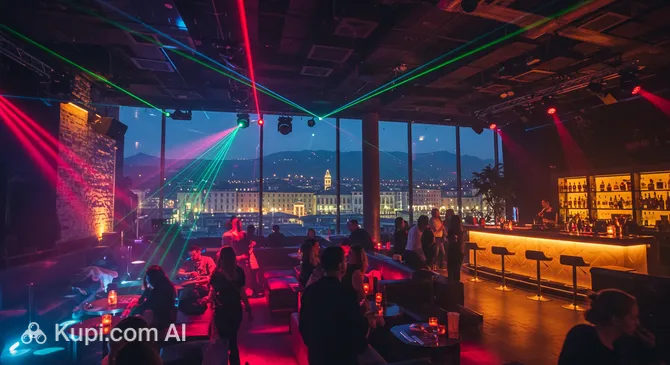
Amante. Illustration.
Source: Kupi.com AI

Traveler photos:

For those who want to immerse themselves in the atmosphere of real Italian fun, it is worth checking out the Amante nightclub. This establishment is popular for its themed parties and excellent cocktail menu. Here you can not only dance but also just have a good time in the company of friends. The dress code in most such places is "smart casual": avoid beachwear and tracksuits, as Italians love to dress up when going out.

Another bright spot on the entertainment map is Modì Café. This place combines the coziness of a coffee shop during the day and the drive of a night bar in the evening. The interior invites long stays, and the music selection often features current hits. Venues in the center usually stay open until 1:00 or 2:00 AM, while large discos may stay open until dawn but are often located outside the historical core.

If you want to balance your gastronomic and bar adventures with something active and exciting, Brescia offers excellent intellectual leisure options. For example, you can test your wits at Kronos Escape Room Brescia. This is a great way to switch gears after visiting museums and get a shot of adrenaline before dinner. During the day, the city is also rich in cultural events: theaters (such as the Teatro Grande) and numerous exhibitions are always open to art lovers.

Practical tips for night owls:

  • Safety: The city center and the Piazzale Arnaldo area are considered safe even late at night. In the Carmine neighborhood, you should be a little more careful, but in general, Brescia is a peaceful city.
  • Transport: The metro runs until midnight (sometimes later on weekends), but the most reliable way to get to your hotel at night is by taxi. Uber is not as popular here; it is better to use the local "Radio Taxi Brixia" service or find a taxi stand at the station or main squares.
  • Prices: The average cost of a cocktail in a bar varies from 6 to 10 euros. Entrance to clubs may be paid (10–20 euros), and often one drink is included in this price.

Parks & Museums

Brescia harmoniously combines the dynamics of an industrial center with the serenity of green oases. For those who want to take a break from the city's bustle or delve into the study of art, the city offers magnificent parks and world-class museums that will be a great addition to visiting historical monuments.

Among the green zones, Parco Ducos is particularly loved by locals. This is the city's oldest park, often called the "green lungs" of Brescia. Designed in the English style, it features a picturesque pond home to turtles and ducks, while the shaded alleys are ideal for leisurely walks or morning jogs. A completely different atmosphere is offered by the modern Parco Tarello. Located in the Brescia Due district, it is a wide open space without fences, offering an unusual view of the city's modern skyscrapers — an ideal place for a picnic on the grass.

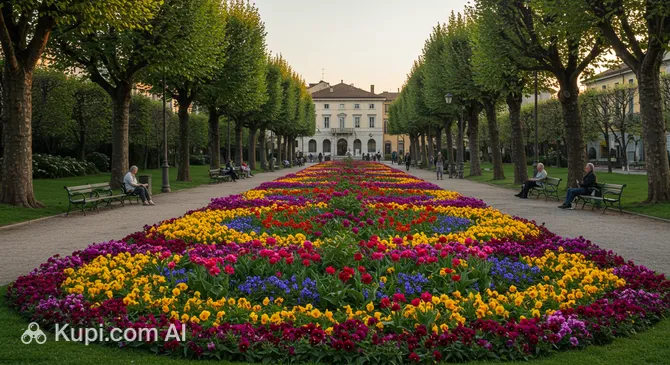
Ducos Park. Illustration.
Source: Kupi.com AI

Traveler photos:

The city's cultural life is unthinkable without visiting its galleries. A true treasure trove is the Pinacoteca Tosio Martinengo. The recently renovated palace houses an important collection of paintings, including masterpieces by Raphael and famous masters of the Brescian Renaissance school, such as Moretto and Romanino. This place is a must-visit for all connoisseurs of classical art wishing to understand the artistic code of the region.

To finally immerse yourself in the past, head to the Brixia Archaeological Park. This is the largest Roman archaeological zone in Northern Italy. Here you can walk along the ancient decumanus and see the preserved interiors of sanctuaries, creating an amazing effect of presence in the ancient era. The museum is cleverly integrated into the urban environment, allowing you to literally touch thousands of years of history.

Insider Tip: If you are looking for an unusual place that combines nature and science, check out the Parco dell'Acqua. It is not just a recreation area, but an ecological park with an aquarium and educational trails dedicated to water. It is quiet, cozy, and very informative, especially if you are traveling with family.

Getting Around

The public transport system in Brescia is characterized by efficiency, modernity, and convenience for travelers. The city is quite compact, but the presence of a developed network of routes makes it easy to reach any attraction or remote area without the need to rent a car.

The pride of the city is the automated light metro (Metropolitana di Brescia). This is a futuristic driverless line connecting the northern part of the city with the southeast. Trains run frequently, at intervals of 3–6 minutes, and the stations feature modern design and safety (platforms are separated from the tracks by glass doors). This is the fastest way to cross the city while avoiding traffic jams.

Surface transport is represented by an extensive network of buses, which cover areas that the metro does not reach. Buses run from early morning until late evening (around midnight). The routes are designed to make it convenient to transfer from one line to another or to the metro, creating a unified transport ecosystem.

The fare payment system in Brescia is integrated: the same ticket is valid for both the metro and buses. A standard ticket (Biglietto ordinario) is usually valid for 90 minutes from the moment of validation and allows for transfers. For active tourists, there are 24-hour passes that give unlimited access to transport within the selected zone (Zone 1 covers the entire city).

Tickets can be purchased at machines in metro stations, at newsstands, and in tobacco shops (look for the sign with the letter "T"). Contactless payment with a bank card directly at turnstiles or validators is also becoming increasingly popular, as is buying tickets through mobile applications such as Bresciapp! or DropTicket. Don't forget to validate paper tickets when entering a bus or metro station to avoid fines.

As an alternative to public transport, the city has a well-developed bike-sharing system called Bicimia. This is a convenient option for short trips around the center, where there are many pedestrian zones. Pre-registration is required to use the service. It is best to order a taxi in Brescia by phone or through an app, as it can be difficult to catch a car just on the street; taxi stands are usually located near the station and main squares.

Accommodation

Where to stay:

Brescia offers travelers a variety of accommodation options that will suit any taste and budget. Hospitality here is combined with reasonable prices, which are often lower than in neighboring Milan or the popular resorts of Lake Garda. In the city, you can find cozy family Bed & Breakfasts located in old buildings, as well as modern business hotels with a full range of services, and apartments for those who prefer home comfort.

For tourists who want to fully immerse themselves in the city's atmosphere, the best choice is the historical center (Centro Storico). Staying here, you will be within walking distance of the main museums and monuments. Living near such iconic places as Piazza della Vittoria or Piazza della Loggia means having the opportunity to start the day with a cup of coffee surrounded by majestic architecture. This is an ideal area for romantic trips and cultural tourism, although it should be noted that car access to this zone may be restricted (ZTL).

Victory Square. Illustration.
Source: Kupi.com AI

Traveler photos:

If you are traveling by car or visiting for business, pay attention to the Brescia Due district. This is a modern business quarter south of the railway station. Here you will find new chain-style hotels that offer spacious rooms, private parking, and excellent transport accessibility thanks to the metro line. From here, it is easy to get to the center in a few minutes while enjoying the quiet and comfort of a modern area.

The area around the railway station is also convenient for those who plan to use Brescia as a base for trips around the region — for example, to Verona or the lakes. Accommodation here is usually more affordable, and the transport links allow you to quickly reach any point in Lombardy.

Booking tips: Brescia is a popular destination but not overcrowded with tourists, so you can almost always find a free room. The exceptions are during the famous "Mille Miglia" race (usually in May) and major exhibitions. During these periods, it is worth booking accommodation several months in advance, as prices soar and the best options are taken instantly. During the rest of the year, the price range remains moderate: from budget options to mid-range, with booking available through popular online platforms.

Nearby Cities

For those who want to explore the surrounding area, Brescia serves as an excellent starting point for day trips to several interesting nearby locations:

Special attention should be paid to Rovato, often called the "gateway" to the famous Franciacorta wine region. This town attracts tourists not only with the picturesque ruins of its Venetian fortress walls and its castle but also with its gastronomic traditions. It is here that you can try the authentic dish "Manzo all'olio" (beef in oil), which gourmets from all over the area come to enjoy.

Right nearby is Gussago — a charming settlement nestled in the greenery of hills and vineyards. Its hallmark is the monumental "Santissima" complex — a former Dominican monastery proudly towering on a hilltop. It is an ideal place for leisurely walks in nature and getting to know the rural architecture of Lombardy, located just a few minutes' drive from the bustling city.

CityPopulationDistance
Botticino Sera10 8577 km
Flero8 8797 km
Castel Mella11 0107 km
Gussago16 6817 km
Borgosatollo9 2718 km

These nearby destinations provide an insight into the region's diverse culture and landscapes, offering a great opportunity for a change of scenery without exhausting travel.

Shopping & Souvenirs

Shopping in Brescia is an exciting activity that harmoniously combines Italian elegance and practicality. The city offers a rich selection: from luxury boutiques of famous brands in the historical center to large modern shopping complexes on the outskirts. Brescia is not as overcrowded with tourists as Milan, which allows you to shop in a more relaxed and comfortable atmosphere while enjoying high-quality goods and service.

The heart of fashion shopping is the central streets of the city, decorated with magnificent porticoes that protect from the sun and rain. The main shopping artery is Corso Palestro, where clothing, footwear, and accessory stores of popular brands are concentrated. Walking further, you will reach the elegant Corso Zanardelli. This wide pedestrian street is famous for its historic buildings and prestigious boutiques, which present the latest collections from Italian and international designers.

For those who prefer large-scale shopping in one place, Brescia offers excellent shopping centers. The most famous and popular is ELNÒS Shopping, located in the suburb of Roncadelle. It is a huge complex, the only one in the region with an IKEA store inside, which also houses hundreds of boutiques, restaurants, and entertainment areas. Another convenient option for shopping is Triumplina Retail Park, where you can find sporting goods, electronics, and clothing at affordable prices.

An integral part of the local culture is the markets. They regularly unfold in the main squares, for example, in Piazza della Loggia. Here you can find not only the freshest products but also vintage items, antiques, and handmade products. Of particular interest are the flea markets held on weekends, which attract collectors from all around with unique interior items and old trinkets.

As souvenirs from Brescia, tourists most often bring home the region's gastronomic treasures. Be sure to pay attention to a bottle of Franciacorta sparkling wine, which is produced in local vineyards. A piece of hard "Bagòss" cheese with the addition of saffron or olive oil from the shores of Lake Garda would make a magnificent gift. The city is also famous for its metalworking traditions, so you can find exquisite copper cookware and high-quality kitchen utensils here.

Shops in the city center usually operate from 9:00 or 9:30 until 19:30; however, it is worth remembering the traditional lunch break (siesta), which can last from 12:30 to 15:30. Large shopping centers are generally open without breaks until late evening (21:00–22:00) and are open seven days a week. Bank cards of the main payment systems are accepted almost everywhere, but it is better to have cash euros with you at the markets.

Tourists residing permanently outside the European Union can use the Tax Free system. If your purchase amount in one store exceeds the established minimum (usually around 70 euros, but rules may change), ask the seller to issue a special check for a VAT refund. Look for "Global Blue" or "Tax Free Shopping" stickers in windows to save on brand-name purchases.
Nearby cities

Reached the end of the page?

That means the route is fully explored