Support

Diocesan Museum of Brescia

About

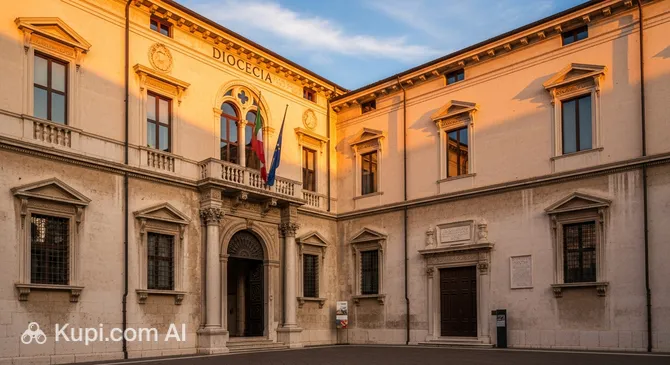
In the heart of the historical center of Brescia lies a true treasury of spiritual and artistic heritage — the Diocesan Museum. Housed in a majestic 16th-century monastery building, this museum boasts one of the most significant collections of ecclesiastical art in Italy. Established in 1978, it has become home to thousands of pieces spanning centuries of local diocesan history.
Diocesan Museum of Brescia
Diocesan Museum of Brescia. Иллюстрация. Источник: Kupi.com AI

The museum's collection is spread across 23 renovated halls, where modern lighting highlights the beauty of the old masters. The exhibition is divided into four key areas: from exquisite painting and sculpture to extremely rare illuminated manuscripts and liturgical fabrics. This is a place where religious tradition meets high art, creating a unique atmosphere of tranquility and sublimity.

Visitors are drawn not only by the wealth of the holdings, numbering over 2,000 items, but also by the architecture of the complex itself. A stroll through the museum's halls is both a journey through time, allowing you to see how artistic tastes and techniques have changed over the centuries while preserving a deep spiritual meaning.

Contacts

To clarify current information about exhibitions and special events, you can contact the administration directly. The museum is located in the historical center, and its staff is always ready to answer visitors' questions by phone or through the official website.

How to contactContact
AddressVia Gasparo da Salò, 13, 25122 Brescia BS, Италия
Phone+39 030 40233
Websitemuseodiocesano.brescia.it

What to Do

The main magnet for art lovers is the painting gallery, featuring works from the 14th to the 18th centuries. You can see masterpieces by renowned masters such as Tintoretto, Tiepolo, and Romanino. Of particular note are the 'Madonna and Child' by Paolo Veneziano and the majestic polyptych of Saint Ursula by Antonio Vivarini.

History and calligraphy enthusiasts should visit the room of illuminated manuscripts. It houses 22 manuscripts dating from the 12th to the 16th centuries. Examining the exquisite miniatures of the French and Bolognese schools in the ancient books of Bishop Giacomo de Atti, one can only marvel at the painstaking labor of medieval masters.

The section of sacred objects made from precious metals is equally impressive. The showcases display filigree chalices, monstrances, and reliquaries crafted from gold and silver. One of the centerpiece exhibits is the Pontevico chalice from 1714 — a masterpiece by Milanese jeweler Carlo Grossi, which amazes with its elegant forms and decoration.

Getting There

Finding the Brescia Diocesan Museum is easy, as it is located in the heart of the historical district, in the building of the ancient Monastery of Saint Joseph. If you are already walking in the center, the walk from the famous Piazza della Loggia will take only a few minutes at a leisurely pace.

For those who prefer public transport, numerous city buses stop within walking distance (routes No. 1, 2, 3, 5, 11, and others), connecting the center with other parts of the city. If you arrive in the city by train, the walk from Brescia railway station to the museum takes about 15–20 minutes, allowing you to admire the city's architecture along the way.

Travelers arriving by car should keep in mind that the museum is located in a limited traffic zone (ZTL). It is best to leave your car in one of the paid parking lots nearby, such as Piazza Vittoria or Via San Zeno, and complete the journey on foot, enjoying the atmosphere of the old Italian streets.

Ближайший город: Brescia

History & Facts

One of the most unique parts of the museum is the liturgical textiles section, which opened in 2007. It features around 100 luxurious vestments from the 15th to the 19th centuries, made of Venetian velvet, silk, and damask. The collection is so extensive that the display is updated every year, allowing frequent guests to see new rare examples of ancient craftsmanship.

A special place in the museum's history is held by the new section opened in 2024, dedicated to Saint Paul VI — the Pope who was a native of this area. Visitors can see his personal belongings, including his episcopal ring and zucchetto, as well as a unique series of gold medals created by prominent contemporary masters.

While strolling through the museum, be sure to visit the large main cloister. A picturesque cherry tree grows at its center, and the courtyard offers a magnificent view of the Cathedral dome and the ancient Torre del Pegol tower. This spot is perfect for momentarily forgetting the city's hustle and bustle and immersing yourself in an atmosphere of peace and contemplation.

Time Needed

To leisurely explore all 23 halls of the permanent exhibition and pay attention to the details, it usually takes about 1.5–2 hours. This is plenty of time to get acquainted with the painting collection, study rare manuscripts, and walk through the monastery courtyard.

If you are a connoisseur of ecclesiastical art or plan to study the new section dedicated to Paul VI in detail, we recommend allowing a bit more time. The museum is very well-organized, and the modern lighting system allows you to view the exhibits without unnecessary eye strain.

Working Hours

The museum follows a specific schedule that is worth considering when planning your visit. Typically, the doors are open on Monday, Thursday, and Friday from 10:00 AM to 12:00 PM and from 3:00 PM to 6:00 PM. On weekends — Saturday and Sunday — the museum operates without a midday break from 10:00 AM to 6:00 PM.

Please note that Tuesday and Wednesday are closing days. Since the schedule may change depending on religious holidays or temporary exhibitions, it is recommended to check the museum's official website before your visit to confirm current opening hours.

DayWorking hours
понедельник10:00–12:00, 15:00–18:00
вторникЗакрыто
средаЗакрыто
четверг10:00–12:00, 15:00–18:00
пятница10:00–12:00, 15:00–18:00
суббота10:00–18:00
воскресенье10:00–18:00

Nearby

The museum's location in the city's historical core makes it easy to combine your visit with other iconic sites. A walk through the surrounding area will reveal the grandeur of Medieval and Renaissance architecture for which this part of Lombardy is so famous.

Exploring the nearby squares and castles will help you feel the historical context more deeply and make your journey through the city as rich as possible. Below is a list of interesting sites within walking distance.

NameDistance
Broletto Palace0.2 km
L'Oste Sobrio0.2 km
Modì Café0.2 km
Piazza della Loggia0.2 km
Piazza Paolo VI0.3 km
I Due Della Contrada0.3 km
Old Cathedral (Duomo Vecchio)0.3 km

Reached the end of the page?

That means the route is fully explored