Support

Old Port of Classe - Parco Archeologico di Classe

About

The Ancient Port of Classe Archaeological Park (Antico Porto di Classe) is a unique window into the past, offering a view of one of the most important trading hubs of the 5th century AD. Located in the city of Ravenna, this complex consists of the remains of an ancient Roman port that was once a key link between Europe and Byzantium. During the late antiquity era, Italy received valuable goods from across the Adriatic Sea through these very piers.
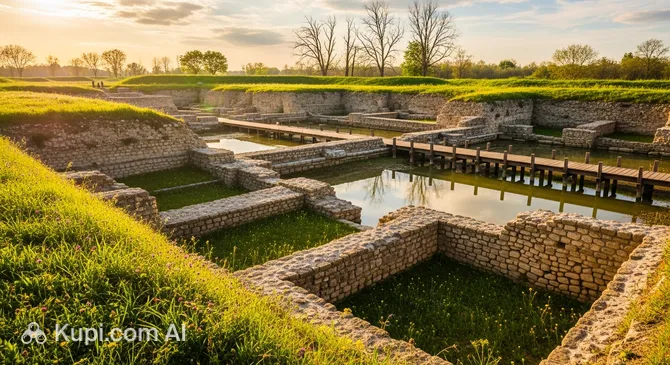
Old Port of Classe Archaeological Park
Old Port of Classe Archaeological Park. Иллюстрация. Источник: Kupi.com AI

Today, the park is part of a UNESCO World Heritage site and invites visitors to walk among the ruins of vast warehouses, canals, and port facilities. The site is impressive not only for its historical significance but also for the achievements of Roman hydraulic engineering: here you can see traces of dams and building foundations constructed with incredible precision over fifteen hundred years ago.

The complex includes a modern museum displaying unique artifacts—ranging from ceramic amphorae to elements of maritime rigging. The atmosphere of the park, spread over the site of an ancient lagoon, allows you to feel the scale of the past power of the Roman Empire and its maritime traditions.

Contacts

For the latest information on visiting the park or booking tours, you can use the following contact details:

How to contactContact
AddressVia Marabina, 7 Zona Ponte Nuovo-Classe, 48124 Ravenna RA, Италия
Phone+39 320 953 9916
Websiteravennantica.it

What to Do

A fascinating journey awaits you in the park along wooden walkways laid directly over historical foundations. Walking along them, you can view the preserved piers and canals in detail without damaging the ancient masonry. Be sure to stop by the museum to see models of ancient ships and authentic mosaics found during the excavations.

Of particular interest are the foundations of the Basilica of San Severo, where unique 5th-century decorative elements have been preserved. Nature lovers will enjoy the opportunity to have a small picnic in the park's green zone or go birdwatching, as the territory borders a nature reserve. During the summer, night tours with artistic lighting are often held, giving the ruins a mystical and majestic appearance.

For a deeper immersion into the subject, we recommend using an audio guide or joining a guided tour. You will learn about the intricacies of the engineering solutions that allowed the port to function in lagoon conditions. Archeological workshops are often organized for families with children, where young explorers can feel like real scientists.

Getting There

Reaching the archaeological zone from the city center is quite straightforward. The most convenient option for tourists is public transport. Buses No. 5 and No. 44 depart regularly from the train station. The journey takes about 15–20 minutes; you should get off at the "Classe" stop.

For those who prefer an active holiday, there is a dedicated bicycle path connecting the historic center with the Classe district. The ride on flat terrain takes about 20 minutes and allows you to enjoy the picturesque surroundings. If you are traveling by car, follow the SS16 highway south from the city; convenient parking is available on-site.

Travelers arriving from other regions via Bologna Airport (BLQ) will find it easiest to take a train to Ravenna station first and then transfer to a local bus. Taxi services are also available to take you directly to the park entrance at Via Marabina, 7.

Ближайший город: Ravenna

History & Facts

The history of this site began in the 5th century AD, when a new port was established by order of Empress Galla Placidia. It was intended not only to protect the city from external threats but also to turn it into a major trade hub. Over time, the port became a true "gateway to the East": ships laden with silk, spices, and grain from Egypt, Syria, and Constantinople docked here.

During the heyday of the Byzantine Empire, the Port of Classe played a key strategic role, but nature had other plans. By the 7th century, due to the gradual silting of the Po River delta and changes in the coastline, the harbor began to grow shallow. This led to the gradual decline of Ravenna as a great maritime power, and the once-busy piers were hidden under layers of earth for many centuries.

The modern park is the result of painstaking work by archaeologists that began in the 1960s. Scientists managed to discover the remains of 27 shipwrecks, which preserved amphorae, coins, and weapons. Today, these finds help reconstruct the lives of people at the crossroads of antiquity and the early Middle Ages, demonstrating the grandeur of Roman engineering.

Time Needed

To leisurely explore all the key sites of the park, it is recommended to set aside 1.5 to 2.5 hours. This time is quite sufficient to walk through the excavation site, study the information boards, and visit the museum exhibition.

If you plan to book a professional guided tour or use a detailed audio guide, you should count on 3 hours. It is also worth leaving a little time to just sit on a bench, admiring the panorama and imagining how life bustled here hundreds of years ago as huge ships came to dock.

Working Hours

Currently, the site is listed as temporarily closed. During the regular season, the schedule depends on the time of year: in the summer period (from April to October), the park is most often open from 8:30 AM to 7:00 PM, while in winter, visiting hours are reduced to 4:30 PM.

Before planning your trip, we strongly recommend checking the current schedule on the Ravenna Antica project website, as opening times may change depending on the season and ongoing restoration work.

Nearby

A visit to the ancient port is just one part of immersing yourself in the region's rich history. The surroundings of Classe and Ravenna itself are literally dotted with monuments, many of which are recognized as world heritage sites and deserve separate attention.

A stroll through the nearby neighborhoods will allow you to see magnificent Byzantine mosaics and architectural masterpieces that harmoniously complement the experience of the archaeological park.

NameDistance
Porta Nuova2 km
MAR - Ravenna Art Museum2.2 km
Public Gardens of Ravenna2.2 km
Basilica of Sant'Apollinare Nuovo2.5 km
Dante's Tomb2.6 km
Neonian Baptistery2.7 km
Archiepiscopal Museum2.7 km

Reached the end of the page?

That means the route is fully explored