Support

Archbishop's Chapel of St. Andrew

About

Imagine a hidden gem tucked away inside an ancient palace. The Archiepiscopal Chapel of St. Andrew is a unique private church of the bishops of Ravenna, located on the first floor of the Archiepiscopal Museum. This intimate architectural monument, situated in the city of Ravenna, is rightfully considered one of the most personal and impressive sites Italy has to offer history lovers.
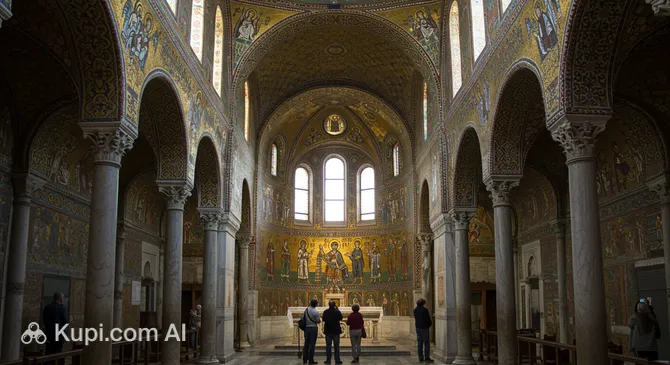
Archiepiscopal Chapel of St Andrew
Archiepiscopal Chapel of St Andrew. Иллюстрация. Источник: Kupi.com AI

The chapel's primary value lies in its Early Christian mosaics dating from the 5th and 6th centuries. Since 1996, the site has been included in the UNESCO World Heritage list. It is the only surviving example of a private episcopal oratory from that period. Inside, visitors are met by the solemn glow of gold and azure, embodied in Byzantine imagery that has retained its brilliance for a millennium and a half.

Architecturally, the chapel is built in the shape of a Greek cross with a small vestibule (narthex). Despite its modest size, it strikes visitors with its powerful energy and exquisite finishing. It is important to remember that the chapel is not just a museum exhibit but also a monument of faith, where silence is strictly observed and photography is prohibited to preserve these fragile masterpieces of art.

Contacts

For up-to-date visiting information or to book tours, you can use the official contact details of the Archiepiscopal Museum, which includes the chapel.

How to contactContact
AddressP.za Arcivescovado, 1, 48121 Ravenna RA, Italy
Phone+39 0544 541688
Websitewww.ravennamosaici.it

What to Do

The main purpose of visiting the chapel is, undoubtedly, contemplation. It is worth lingering at each mosaic panel, examining the faces of the apostles, biblical scenes, and majestic processions of saints. Pay special attention to the vaults: the skill of Early Byzantine artists in conveying light and color within such a confined space is simply astounding.

Beyond the chapel itself, be sure to dedicate time to the exhibits in the Archiepiscopal Museum. Highlights include the famous Throne of Maximian, intricately carved from ivory, and fragments of ancient floor mosaics. Studying these artifacts helps to gain a deeper understanding of the city's history and the significance of episcopal power in the Early Middle Ages.

For a more immersive experience, it is recommended to use an audio guide, which will explain the complex symbolism of the iconography. Since photography is prohibited inside, visitors often note that this helps them concentrate better on the details and feel the mystical atmosphere of the place. After touring the interiors, it is pleasant to stroll through Piazza Arcivescovado, admiring the austere facade of the palace and the neighboring Cathedral.

Getting There

Finding the sanctuary is quite simple: it is located at P.za Arcivescovado, 1, in the very heart of the historic center, just a few steps from the main Cathedral (Duomo). If you are already in the center, a pleasant walk from the Basilica of San Vitale or the train station will take no more than 5–10 minutes.

For those who prefer public transport, bus routes heading to the "Piazza Duomo" or "Ravenna Centro" stops are ideal. From there, it's only a few dozen meters to the museum entrance. If you are taking a taxi, simply tell the driver Piazza Arcivescovado—it is one of the city's most well-known landmarks.

Travelers arriving by car should keep in mind that the chapel is located in a Limited Traffic Zone (ZTL). It is recommended to leave your car in one of the parking lots outside the historic core and switch to a bicycle—the most popular way to get around among locals. Coordinates for navigation: 44.415056, 12.197238.

Ближайший город: Ravenna

History & Facts

The history of this remarkable place dates back to the late 5th and early 6th centuries. The Archiepiscopal Chapel was built between 494 and 520, during the reign of the Ostrogothic king Theodoric. It was commissioned by Bishop Peter II, who wished to have a private oratory directly within the bishop's palace.

During that time, Ravenna was experiencing its golden age, becoming a vital cultural and political bridge between Rome and Byzantium. The chapel became a striking example of this symbiosis: its Greek cross floor plan is characteristic of memorial structures of that era, while its interior decoration showcases the peak of Early Byzantine craftsmanship.

The monument's significance was officially recognized by the global community in 1996, when the chapel, along with other Early Christian sites, was added to the UNESCO World Heritage list. Interestingly, the building underwent a major restoration in 1914, during which the entrance and the mosaic lunette were updated, yet the main interiors have preserved their original appearance for over fifteen hundred years.

Time Needed

Since the chapel is part of a museum complex, you should allocate between 45 to 60 minutes for your visit. This is plenty of time to leisurely admire the mosaic details, explore the Archiepiscopal Museum exhibits, and soak in the silence of this ancient site.

If you are interested in iconography or plan to use an audio guide, your visit might last up to an hour and a half. Given the site's compact size, it is easy to fit into a busy itinerary of the city's main attractions as either a morning or afternoon stop.

Working Hours

The attraction welcomes visitors daily, which is very convenient for planning a weekend trip. The doors to the chapel and museum are open from 9:00 AM to 6:30 PM without a lunch break.

This schedule applies to every day of the week, including Monday and Sunday. Nevertheless, it is recommended to check the official website before visiting on public holidays, as opening hours may vary slightly depending on the season.

9:00 – 18:30

Nearby

Ravenna is a compact city, and most of its greatest treasures are within walking distance of each other. A visit to the Chapel of St. Andrew is easily combined with exploring other UNESCO sites, allowing you to fully immerse yourself in the atmosphere of the Late Roman and Byzantine eras.

NameDistance
Archiepiscopal Museum0 km
Neonian Baptistery0.1 km
Rasponi Palace delle Teste0.2 km
Dante's Tomb0.3 km
Piazza del Popolo0.3 km
Cabiria Wine Bar0.4 km
Trattoria La Rustica0.4 km

Reached the end of the page?

That means the route is fully explored