Support

Cattedrale di San Cetteo

About

San Cetteus Cathedral is the main Catholic church of Pescara, located in the heart of sunny Italy. This majestic structure, built in the Romanesque Revival style with traditional elements of Abruzzo architecture, is the spiritual center and one of the most recognizable architectural landmarks of the city.
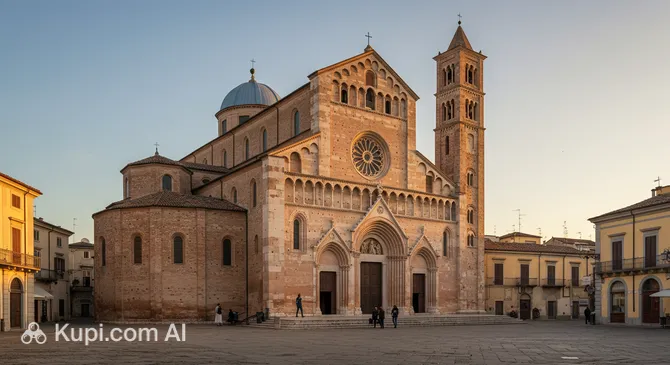
Cathedral of Saint Cetteus
Cathedral of Saint Cetteus. Иллюстрация. Источник: Kupi.com AI

The cathedral building is a classic three-aisled basilica, divided by elegant marble columns with Ionic capitals. Its rectangular facade is decorated with magnificent rose windows and mosaics, most notably the central image of Christ Pantocrator. The bronze statues of saints, including the city's patron, San Cetteo, add a special grandeur to the temple.

One of the unique features of this site is its unbreakable link with the past: the remains of an ancient Roman circular structure known as Santa Gerusalemme are hidden beneath the modern cathedral building. Through special glass panels in the floor, visitors can see fragments of ancient columns, creating a fascinating dialogue between eras in the very center of modern Pescara.

Contacts

For planning your visit to San Cetteus Cathedral, it is helpful to have current contact information at hand. The church is located on one of the city's central squares and is always ready to welcome parishioners and tourists alike.

How to contactContact
AddressPiazza San Cetteo, 1, 65127 Pescara PE, Italy
Phone+39 085 690492

What to Do

Inside the cathedral, a wealth of artistic and historical details awaits visitors. Be sure to notice the magnificent wooden coffered ceiling in the central nave and peek into the Chapel of San Cetteo, which houses a silver bust of the city's patron saint. Classical painting enthusiasts will appreciate the canvas by the famous master Guercino that decorates the church's interior.

Be sure to find time to visit the chapel to the right of the high altar—this is the final resting place of the mother of poet Gabriele d’Annunzio. The atmosphere of the cathedral is enhanced by exquisite stained-glass windows by artist Duilio Cambellotti, which fill the space with soft, colored light, creating the perfect environment for quiet contemplation.

Don't forget to step out onto the square to take a closer look at the facade with its mosaic lunettes and bronze statues. Next to the main building is the bell tower, restored in 2018, and a small baptistery, which complete the harmonious ensemble of this important religious complex.

Getting There

The cathedral is conveniently located at Piazza San Cetteo, 1, in the heart of the city's historic district. If you arrive at the Pescara Centrale main railway station, a pleasant walk to the church will take about 20 minutes (a distance of approximately 1.5 km). The route passes through lively city streets, allowing you to immediately immerse yourself in the atmosphere of Pescara.

For those who prefer public transport, city buses running between the center and the seafront stop near the square. You can also use taxi services—the ride from the central beaches or the station is short and comfortable. The cathedral is within walking distance of the promenade, making a visit an excellent addition to a stroll along the coast.

Ближайший город: Pescara

History & Facts

The history of the modern San Cetteus Cathedral began in 1929 on the site of a dilapidated 17th-century church. The old building was well-known to locals and even mentioned in the short stories of the great writer Gabriele d’Annunzio. It was at the initiative of the famous poet, who donated personal funds and commissioned architect Cesare Bazzani, that construction of the new grand temple began.

Originally, the building was conceived as the Temple of Reconciliation (Tempio della Conciliazione) in honor of the agreement between the Italian state and the Catholic Church. The main works were completed in 1938; however, after the damage of the mid-20th century, the cathedral's facade had to be partially rebuilt, giving it its modern appearance while remaining faithful to the Romanesque traditions of the Abruzzo region.

Interestingly, the cathedral only received its official status in 1949. Before that time, the parish belonged to the archdiocese of the neighboring city of Chieti. Today, the church is not only a religious center but also carefully preserves the memory of the city's deep roots, rising above the ancient ruins of the Santa Gerusalemme era, which are visible through glass inserts in the floor.

Time Needed

A thoughtful visit to San Cetteus Cathedral typically takes about 1–2 hours. This is enough time to admire the architectural features of the facade, explore the internal chapels, and marvel at the play of light through the exquisite stained-glass windows.

If you plan to visit the cathedral during a service or want to examine the ancient ruins under the glass floor in detail, allow for a bit more time. Exploring the exterior grounds, the free-standing bell tower, and the charming baptistery will also take an additional 20–30 minutes of your itinerary.

Working Hours

San Cetteus Cathedral is open to visitors daily, making it a convenient stop on any travel itinerary. The church welcomes guests during morning and evening hours, with a traditional afternoon break.

The opening hours are as follows: from Monday to Sunday, the cathedral is open from 07:00 to 12:30 and from 16:30 to 19:30. Please note that access for tourist sightseeing may be limited during religious services or ceremonial events.

7:00 – 12:30, 4:30 – 19:30

Nearby

The location of San Cetteus Cathedral in the city center makes it easy to combine your visit with other iconic sites. Exploring the surrounding area will reveal different facets of Pescara: from the austere administrative buildings of the early 20th century to modern public spaces and cultural centers.

Studying nearby attractions will help you better understand the cultural context of the region and allow you to enjoy the architectural diversity of this dynamic seaside city.

NameDistance
Gabriele D'Annunzio Birthplace Museum0.1 km
Museum of the People of Abruzzo0.2 km
19th Century Museum Persio-Pallotta Foundation0.3 km
Villa De Riseis Park1 km
Madonnina of the Port1.1 km
Imago Museum1.2 km
Ponte del Mare1.3 km

Reached the end of the page?

That means the route is fully explored