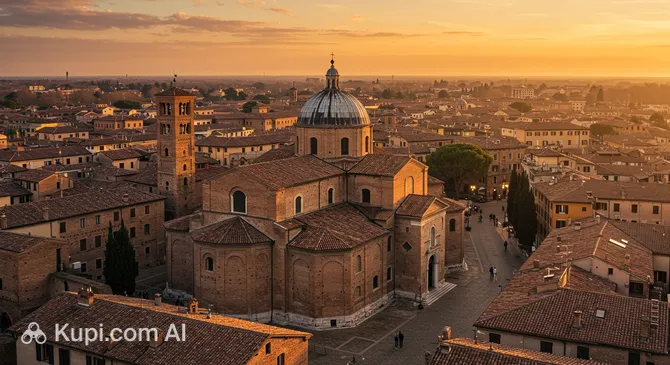
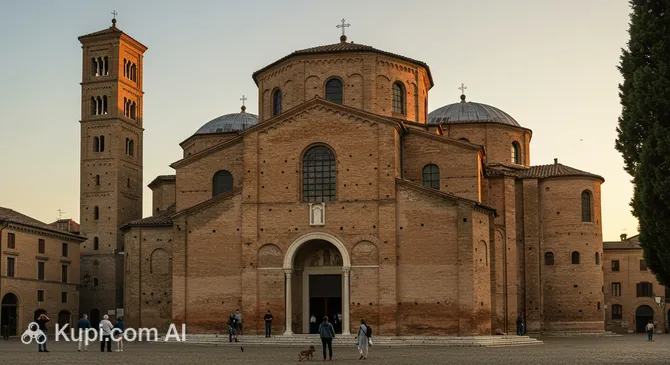
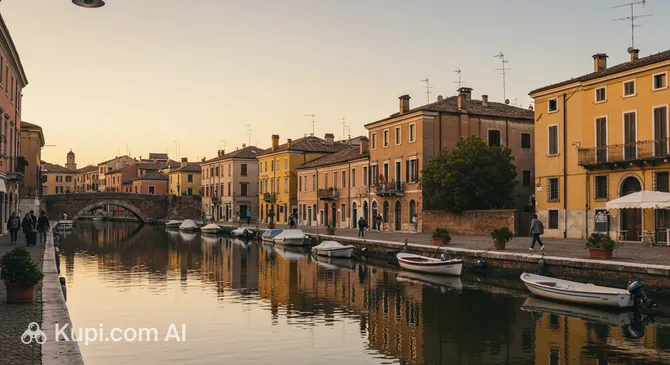
Shopping in Ravenna is a calm and aesthetic pursuit that harmoniously complements the cultural program. The city doesn't strive to compete with the fashion capital Milan, but it offers an excellent balance between elegant boutiques, popular Italian brand stores, and unique craft shops. The main feature of local shopping is the emphasis on artistic traditions and the high quality of local products, whether it's food, textiles, or art.
Most commercial life is concentrated in the historical center, which is a pedestrian zone. The main shopping arteries are Via Cavour and the neighboring Via Diaz. Walking here, you'll find many stores selling clothing, shoes, and accessories from famous brands, as well as perfumeries and bookstores. For those looking for more authentic items and antiques, it's worth checking out Via Cairoli and the small alleys around the central squares, where artists' workshops are hidden.
If your goal is large-scale shopping and a wide selection of mass-market brands in one place, it's better to head outside the old town. Here you'll find the Esp Shopping Center — one of the largest retail areas in the region. This complex brings together dozens of clothing, electronics, and home goods stores, as well as a large hypermarket. It's a convenient option for family shopping, especially if the weather isn't suitable for outdoor walks.
Ravenna's markets deserve special attention, as they are a vital part of the Italian lifestyle. Every Wednesday and Saturday, a large street market unfolds at Piazza Costa and the surrounding streets, where you can buy everything from clothes and bags to the freshest farm products. For foodies, the Covered Market (Mercato Coperto) is a must-visit — a historical building transformed into a modern gastronomic space selling the best delicacies of the Emilia-Romagna region.
The choice of souvenirs in Ravenna is inextricably linked to its history. The most symbolic gift is mosaic art. In local workshops, you can buy finished works of art (boxes, panels, jewelry) as well as DIY kits with real smalto and tools. Also highly valued are printed fabrics (tele stampate) with traditional rust-red or blue patterns, which have been produced in this region for centuries. For edible souvenirs, bring home local Sangiovese wine, olive oil from Brisighella, or a special pan for making piadina flatbreads.
When planning your shopping trip, keep traditional working hours in mind. Small boutiques and shops in the center are usually open from 9:00–10:00 until 19:30 but close for a lunch break (siesta) from approximately 13:00 to 15:30. Large shopping centers and chain stores on the main streets generally work without a break and are open on Sundays. Credit cards are accepted almost everywhere, but for small purchases at the market or kiosks, it's better to have some cash on hand.
Tourists residing permanently outside the European Union can take advantage of the Tax Free system. A VAT (IVA) refund is possible for a single purchase in one store exceeding 70 euros (the minimum threshold was lowered in 2024). Look for "Tax Free Shopping" or "Global Blue" stickers in the windows and remember to ask the salesperson for the special form to process the refund at customs upon departure.