Support

Museo per la Memoria di Ustica

About

This unique memorial complex, located in the city of Bologna, is a deep and moving tribute to one of the most mysterious tragedies Italy has ever known. The Museum for the Memory of Ustica was opened in 2007 in a former tram depot to commemorate the victims of the 1980 plane crash.
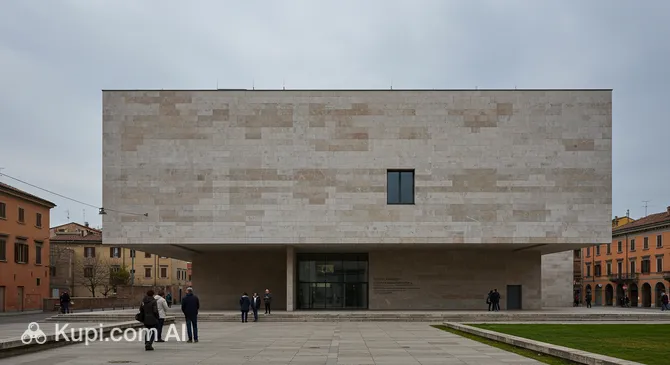
Museum for the Memory of Ustica
Museum for the Memory of Ustica. Иллюстрация. Источник: Kupi.com AI

The central exhibit and the heart of the museum is the wreckage of the DC-9 aircraft, which was painstakingly reassembled from over two thousand fragments recovered from the seabed. The sight of the reconstructed fuselage in the vast hangar makes a powerful impression, transforming a technical object into a symbol of life's fragility.

The museum combines the features of a historical archive and an art installation. Created at the initiative of the Association of the Relatives of the Victims, it serves not only as a place of remembrance but also as an important information center that tells the story of the search for truth and the preservation of human dignity.

Contacts

For those planning a visit, here is the museum's current contact information. You can check visiting details by phone or find the latest news on the official website.

How to contactContact
AddressVia di Saliceto, 3/22, 40128 Bologna BO, Italy
Phone+39 051 377680
Websitewww.museomemoriaustica.it

What to Do

Inside the museum, visitors come face-to-face with the DC-9 fuselage, which dominates the entire space. Around it, French artist Christian Boltanski created a unique memorial installation: 81 light bulbs pulse from the ceiling, and 81 black slabs with mirrors are placed around the aircraft—one for each victim of the tragedy.

A special atmosphere is created by hidden speakers emitting soft whispers, symbolizing the voices of those who were lost. Behind the mirrors, nine large black boxes contain the personal belongings of the victims; although the items themselves are hidden from public view, photographs of them are displayed in the museum, adding a sense of intimacy and sorrow to the exhibit.

In addition to the main hall, guests can visit a video room featuring documentary materials about the history of the disaster and the creation of the memorial. It is worth noting that a visit to the museum can leave a strong emotional impression, so it may be challenging for sensitive visitors or small children.

Getting There

Getting to the museum is quite simple: it is located at Via di Saliceto, 3/22. From Bologna Central Station, it is just about a 10-minute walk, making the site easily accessible even for those visiting the city for a short time.

If you prefer public transport, you can take city buses running from the city center. It is also convenient to take a taxi from anywhere in the city; the ride will be short and comfortable.

It is important to remember that the museum entrance is through a garden on the Via di Saliceto side. Sometimes the signs on the main street may not be very noticeable, so look for the markers and the park entrance.

Ближайший город: Bologna

History & Facts

The history of this site is inextricably linked to the tragic event of June 27, 1980, when Itavia Flight 870 crashed over the Tyrrhenian Sea. The Museum for the Memory of Ustica was established thanks to the initiative and persistence of the Association of the Relatives of the Victims, who sought to commemorate their loved ones.

The memorial was officially opened exactly 27 years after the disaster—on June 27, 2007. A former tram depot was chosen as the venue; its industrial atmosphere emphasizes the solemnity and austerity of the exhibition.

The central element is the wreckage of the DC-9 aircraft, which was recovered from the seabed and literally reconstructed piece by piece by specialists. The work of assembling more than two thousand fragments became not only a technical feat but also a deeply symbolic process of reclaiming the memory of the tragedy.

The artistic design of the space was entrusted to Parisian artist Christian Boltanski. His installation, featuring mirrors and lights, transformed the museum into a unique art piece where every element serves as a reminder of the 81 lives lost on that fateful day.

Time Needed

It is recommended to set aside 1 to 1.5 hours for a visit. The exhibition is compact, focused on the main hall and the video room, which allows you to see everything in a relatively short amount of time.

However, keep in mind the emotional weight of the memorial. The profound atmosphere of the installation and the tragic story may require a little more time for reflection and quiet absorption. This is not a place to rush.

Working Hours

Please note that the museum operates on a specific schedule and is closed at the beginning of the week. A major benefit is that admission to the museum is free for all visitors.

The opening hours are as follows:

  • Thursday and Friday: 09:30 – 13:30
  • Saturday and Sunday: 10:00 – 18:00
  • Monday, Tuesday, and Wednesday: Closed

DayWorking hours
ПонедельникЗакрыто
ВторникЗакрыто
СредаЗакрыто
Четверг9:30 – 13:30
Пятница9:30 – 13:30
Суббота10:00 – 18:00
Воскресенье10:00 – 18:00

Nearby

Exploring the surrounding area after visiting the museum can offer a change of pace and enrich your impressions of the city. Entertainment venues and interesting city landmarks are within walking or driving distance of the memorial.

NameDistance
MAMbo - Museum of Modern Art of Bologna1.6 km
Little Venice1.7 km
Finestrella on Via Piella (Little Window on the Canale di Reno)1.7 km
Porta San Donato1.7 km
Cantina Bentivoglio1.7 km
National Art Gallery of Bologna1.7 km
Mortadella Lab1.9 km

Reached the end of the page?

That means the route is fully explored