Support

San Giovanni Rotondo

About

San Giovanni Rotondo is a charming town nestled on the picturesque Gargano Peninsula in the Apulia region, in southeast Italy. Surrounded by rolling hills, the dense Foresta Umbra, and located in close proximity to the Gargano National Park, it is a true oasis of nature and tranquility. From here, breathtaking panoramas of the Apulian plains and the Adriatic coast unfold, while the mild and sunny climate delights residents and visitors almost year-round.

With a population of about 27,000 people, San Giovanni Rotondo preserves the unique atmosphere of a traditional Italian town where time seems to move a little slower, and locals are famous for their hospitality. Despite its relatively small size, the city plays an important administrative role in the province of Foggia and is rightfully considered one of the country's most significant spiritual centers.

San Giovanni Rotondo. Illustration.
Source: Kupi.com AI

The main appeal of San Giovanni Rotondo lies in its unique combination of deep religious significance and the warm, welcoming atmosphere of southern Italy. This town attracts pilgrims from all over the world seeking to visit its shrines. History buffs will enjoy exploring the ancient, winding streets of the historical center, while foodies will appreciate the authentic dishes of local Apulian cuisine, rich in flavors and aromas.

San Giovanni Rotondo is a place where a rich past harmoniously intertwines with the present, and centuries-old traditions are carefully preserved and passed down through generations. A visit to this town will give you a sense of the real, non-touristic Italy, with its sincere smiles, heartfelt warmth, and unique character. It is a journey that will be remembered for a long time!

You can find more interesting facts on the history of San Giovanni Rotondo page.

Weather Overview

The weather in San Giovanni Rotondo is characterized by a warm Mediterranean climate. Summers here are generally hot and dry, with average temperatures in July and August reaching 26-27°C, and maximum values can rise above 31°C. Winters are mild, with average temperatures around 8-9°C in January and February, while minimum temperatures rarely drop significantly below 4-5°C.

Precipitation in San Giovanni Rotondo is not heavy throughout the year, averaging about 1-3 mm per month. The highest number of rainy days occurs in November, March, and May, but even during these periods, the total amount of precipitation remains low. In general, expect a warm, sunny summer with rare rain and cool, wetter winters. To learn more about weather conditions in different seasons, you can explore the climate of San Giovanni Rotondo in more detail.

Average monthly temperature

Average monthly precipitation

Interesting Facts

In addition to its worldwide fame as a pilgrimage center, San Giovanni Rotondo hides many surprising details and stories. Here are just a few interesting facts that will help you look at this city in a new way:

Padre Pio Wax Museum. Illustration.
Source: Kupi.com AI

Traveler photos:

  • One of the most significant and perhaps unexpected projects associated with Padre Pio is the "Casa Sollievo della Sofferenza" (Home for Relief of the Suffering) hospital. This is not just a medical facility, but a large modern hospital built on the saint's initiative through the donations of the faithful, and today it is considered one of the most advanced in Italy.

  • Although the city gained world fame in the 20th century, its roots go deep into the past. San Giovanni Rotondo was founded as early as 1095 on the ruins of an ancient Roman settlement, and its historical center still preserves its medieval charm.

  • For a more visual introduction to the life of the city's most revered saint, there is the Padre Pio Wax Museum. This is a rather unusual way to learn about the key moments of his biography and ministry.

  • While the city's connection with Padre Pio is widely known, the scale of the pilgrimage is staggering: every year millions of people from all over the world come here to visit the sites associated with the saint, including the famous Sanctuary of Saint Mary of Grace.

How to Get There

There are several ways to reach San Giovanni Rotondo. The main options include flying to one of the regional airports followed by a transfer, or taking a train to the nearest major railway hubs, from which ground transport will also be required.

The primary air gateways for travelers heading to San Giovanni Rotondo are several airports located at various distances from the city. It is recommended to choose an airport based on flight availability and preferred travel time to the final destination.

One of the most convenient options is the international Palese Airport (IATA: BRI), located in the city of Bari. This is a fairly large airport, situated approximately 107 km from San Giovanni Rotondo. A trip by car or taxi from the airport to the city will take about 2.5-3 hours. You can also reach the center of Bari from the airport by public transport, and from there take regular buses to San Giovanni Rotondo.

Another major international hub is Naples Capodichino Airport (IATA: NAP) in Naples. It is located further away, about 151 km from San Giovanni Rotondo. The drive by car from here may take about 3.5-4 hours. This airport offers a wide range of international and domestic flights, which may be convenient for many travelers.

The nearest, though smaller, is the Gino Lisa Airport (IATA: FOG), located in the city of Foggia, just 34 km from San Giovanni Rotondo. This is a small regional airport. A taxi ride from here to your destination will take about 1-1.5 hours. It is recommended to check flight availability in advance, as it mainly serves domestic and charter destinations.

For clarity, here is a summary of the main airports:

AirportPassenger trafficDistance
Gino Lisa60 44734 km
Palese Airport6.5 mln107 km
Pontecagnano400 000139 km
Abruzzo Airport872 701151 km
Naples International Airport12.7 mln151 km

There is no direct railway connection to the town of San Giovanni Rotondo itself. Travelers who prefer the train will need to reach one of the major stations in neighboring cities and then use a bus or taxi. The nearest major railway hub often used for trips to this region is the station in Foggia, however, detailed information for it is not available in the provided list. Among the stations with available data, the following can be highlighted:

One option is the modern high-speed station Napoli Afragola (NHR), located in Naples, about 145 km from San Giovanni Rotondo. This major transport hub serves high-speed trains from all over Italy. From here, you can reach San Giovanni Rotondo by rental car or regular bus; the journey will take approximately 3.5-4 hours.

You can also consider the Salerno Railway Station (ISR) in the city of Salerno. It is located at a distance of about 140 km from San Giovanni Rotondo. This is a fairly busy station with average passenger traffic. The trip from Salerno to San Giovanni Rotondo by car or bus will take approximately 3.5-4 hours.

Below is summary information for some railway stations that can be used for route planning:

StationPassenger trafficDistance
Bari Centrale Station14 mln116 km
Salerno Railway Station6 mln140 km
Napoli Afragola High-Speed Railway Station12 mln145 km
Mergellina Railway Station6.2 mln152 km
Naples Centrale Station50 mln154 km

When planning your trip, it is recommended to check the bus schedules from Foggia, Bari, or Naples to San Giovanni Rotondo in advance, as this is the most common way to reach the town from major transport hubs. You might also consider renting a car for greater convenience when traveling around the picturesque Apulia region.

Main Attractions

San Giovanni Rotondo, nestled in the Italian region of Apulia, attracts pilgrims and tourists from all over the world. The city is closely linked to the name of Saint Padre Pio, and many of its attractions reflect this spiritual connection, but there are other interesting places here that deserve attention as well.

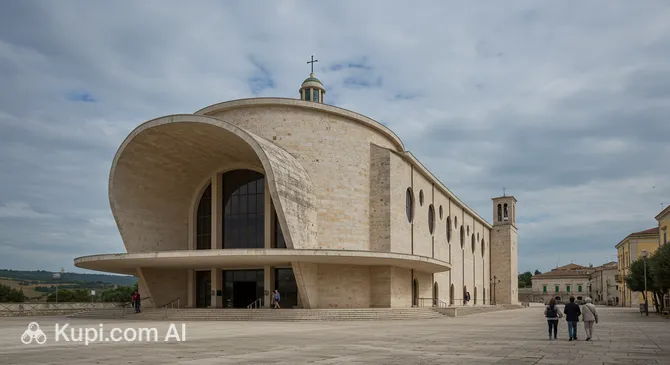
The main center of attraction is undoubtedly the Sanctuary of Saint Mary of Grace. It is a vast complex that includes the old church where Padre Pio spent most of his life and where his relics are kept, as well as the new, modern Padre Pio Pilgrimage Church designed by the famous architect Renzo Piano. This site attracts millions of pilgrims every year with its spiritual atmosphere and impressive architecture.

Sanctuary of Saint Mary of Graces. Illustration.
Source: Kupi.com AI

Traveler photos:

For those who want to learn more about the life of this revered saint, it is worth visiting the Padre Pio Wax Museum. The museum's exhibition uses realistic wax figures and dioramas to recreate key episodes from the life of Padre Pio, his ministry, and his miracles. This is an educational site for both believers and those interested in history and the biographies of significant 20th-century figures.

Padre Pio Wax Museum. Illustration.
Source: Kupi.com AI

Traveler photos:

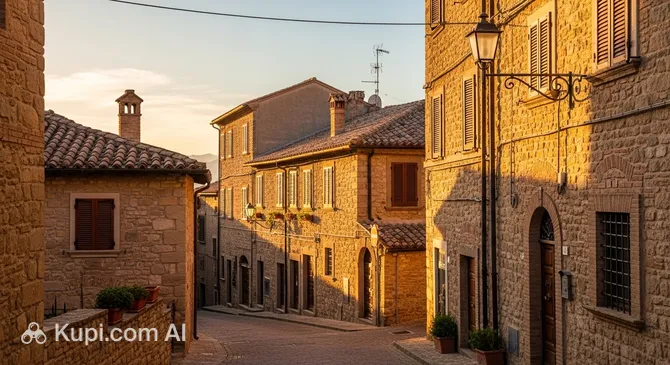
Not far from the main pilgrimage sites is the Historical Center of San Giovanni Rotondo. A walk through its narrow, cobbled streets allows you to immerse yourself in the atmosphere of an old Apulian town. Here you can see traditional stone houses, small squares, and experience a calmer, more authentic rhythm of life that contrasts with the bustle around the sanctuary. It is an excellent place to take a break and enjoy the local flavor.

Historic Center of San Giovanni Rotondo. Illustration.
Source: Kupi.com AI

Traveler photos:

Local Cuisine

The gastronomy of San Giovanni Rotondo is an authentic reflection of the rich culinary traditions of the Apulia region. Fresh local products are highly valued here: fragrant bread, extra virgin olive oil, a variety of cheeses, and, of course, handmade pasta are always on the table. One of the main dishes that is definitely worth trying is "orecchiette" — ear-shaped pasta traditionally served with a sauce made from turnip greens or a rich meat ragu.

Due to the proximity of the Adriatic Sea, fresh seafood dishes are often found on the menus of local establishments. Do not miss the chance to try the delicate "burrata" cheese — a soft fresh cow's milk cheese with cream inside. Another local snack is the crunchy "taralli" bread rings, which are perfect with a glass of Apulian wine. Among drinks, besides local wines, fresh juices and, of course, classic Italian coffee are popular.

For those with a sweet tooth, San Giovanni Rotondo offers delightful desserts. Be sure to try "pasticciotto" — small shortcrust pastries with custard, or fluffy "zeppole" doughnuts, which are especially popular during holidays. And, of course, one cannot overlook the famous Italian gelato, presented here in a wide variety of flavors.

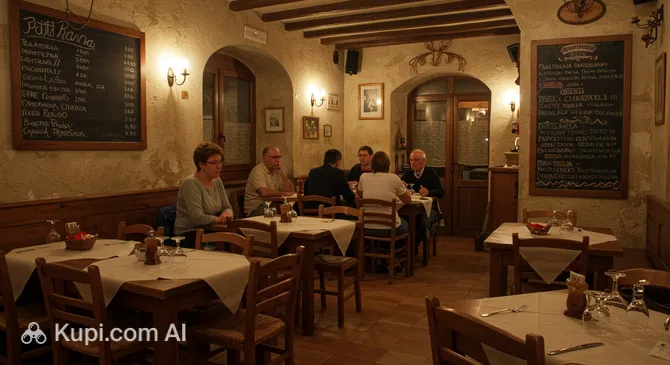
The food culture in San Giovanni Rotondo involves leisurely meals with family and friends. Locals and tourists prefer to have lunch and dinner in traditional trattorias and restaurants, where they can enjoy an authentic atmosphere and home cooking. One such establishment where you can get acquainted with local gastronomic delights is Trattoria Chiazza Ranna. It is also worth visiting local farmers' markets, where you can buy fresh vegetables, fruits, homemade sausages, honey, and jams to experience the true taste of Apulia.

Trattoria Chiazza Ranna. Illustration.
Source: Kupi.com AI

Traveler photos:

Every meal here is an opportunity not only to enjoy delicious food but also to connect with the local culture. The city periodically hosts gastronomic festivals, especially in summer and autumn, dedicated to wine, olive oil, and other gifts of this generous land.

Travel Tips

Welcome to San Giovanni Rotondo! This city, known as a place of pilgrimage, has a special atmosphere. To ensure your journey through this significant place in Italy is as comfortable as possible and leaves only pleasant impressions, we have prepared some practical tips.

  1. Clothing and Essentials: The climate in San Giovanni Rotondo is Mediterranean, with hot summers and mild winters. In summer, bring light, breathable clothing, a hat, sunglasses, and sunscreen. During the shoulder seasons and winter, warm clothes, a jacket, and an umbrella will be useful. Key point: as the city is an important religious center, modest clothing covering shoulders and knees is mandatory for visiting churches and the Padre Pio sanctuary. Don't forget comfortable shoes for long walks and an adapter for European sockets (Type L, sometimes C/F).

  2. Getting Around Town: San Giovanni Rotondo is a relatively small town, and many of its sights, especially around the sanctuary area, are easy to explore on foot. There are local buses connecting different parts of the city and its surroundings. Taxis are also available but can be more expensive. Renting a car makes sense if you plan to explore the broader Apulia region or the Gargano National Park, but note that parking in the city, especially during peak pilgrimage season, can be difficult.

  3. Financial Matters: The official currency in Italy is the Euro (€). You can exchange money at banks or exchange offices. ATMs (Bancomat) are widespread. Credit and debit cards (Visa, Mastercard) are accepted in most hotels, restaurants, and large shops, but small stalls or cafes may prefer cash. International cards usually work without issues. A rough daily budget (excluding accommodation) can range from 50 to 100 euros. Tipping (mancia) is not mandatory but appreciated for good service in restaurants (usually a few euros or rounding up the bill); often a "coperto" service charge is already included in the bill.

  4. Health and Safety: Pharmacies (Farmacia) are easy to find by the green cross sign; some operate on a 24-hour duty schedule. For emergency medical assistance, call 112. The city is home to the large "Casa Sollievo della Sofferenza" hospital, founded by Padre Pio. San Giovanni Rotondo is considered a safe city, especially for pilgrims. Nevertheless, observe standard precautions: watch your belongings in crowded places to avoid pickpocketing.

  5. Communication: The main language is Italian. In tourist areas (hotels, restaurants, souvenir shops), staff may speak English, but not everywhere. Knowing a few basic phrases in Italian will be very helpful and appreciated by the locals: "Buongiorno" (Good morning), "Grazie" (Thank you), "Per favore" (Please), "Scusi" (Excuse me). Local SIM cards can be purchased at mobile phone shops. Wi-Fi is available in most hotels and many cafes.

  6. Local Etiquette: It is customary to greet people when entering shops or addressing someone ("Buongiorno" in the morning, "Buonasera" in the evening). In churches and holy places, behave quietly and respectfully. Italians are generally friendly and expressive; a smile and politeness will help establish contact. Pay special attention to the dress code when visiting religious sites.

  7. What to Avoid:

    • Showing disrespect in holy places: talking loudly, taking photos with a flash where prohibited, or being inappropriately dressed. Remember that for many, this place has deep spiritual significance.

    • Excessive rushing: in southern Italy, the pace of life is more relaxed. Enjoy the moment and don't get frustrated if things don't happen as fast as you're used to (the "piano piano" principle – slowly but surely).

  8. Additional Tip: Remember that San Giovanni Rotondo is primarily a place of pilgrimage to the relics of Saint Pio of Pietrelcina. The atmosphere here is imbued with spirituality. Even if you are not religious, show respect for the feelings of believers. The best time to visit is spring or autumn, when the weather is comfortable and there are fewer tourists than in summer or during major religious holidays.

We hope these tips help you better prepare for your trip and fully enjoy the unique atmosphere of San Giovanni Rotondo. We wish you an inspiring and memorable journey!

Entertainment & Nightlife

San Giovanni Rotondo, known primarily as a place of pilgrimage, also offers its guests more secular ways to spend an evening. While the vibrant nightlife here is not comparable to major metropolises, you will find cozy places to relax after a busy day, socialize, and enjoy the atmosphere of southern Italy.

The main evening activity is usually concentrated in the historical center of San Giovanni Rotondo, where it is pleasant to stroll through ancient streets illuminated by evening lights. Many restaurants and bars are located here, attracting both locals and tourists. The atmosphere in these establishments is generally friendly and relaxed, perfect for a leisurely rest.

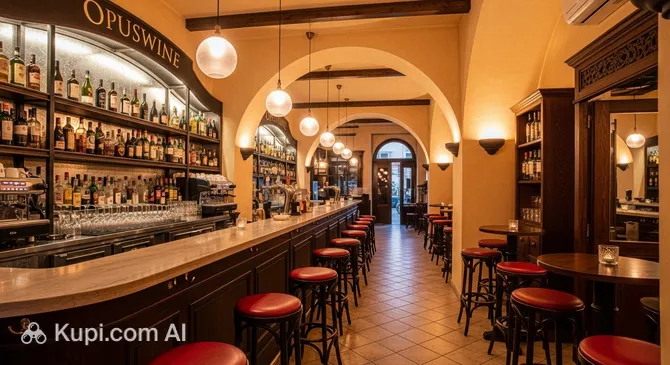
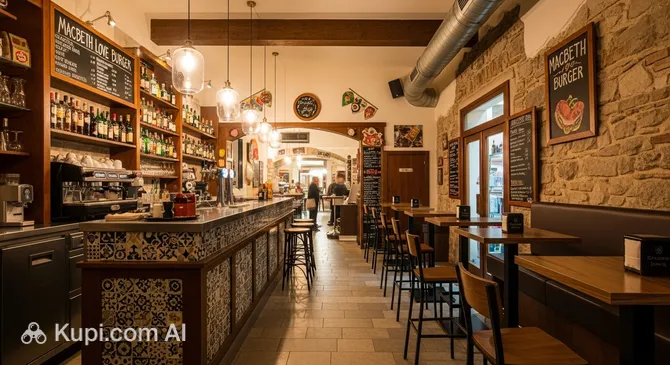
Those who enjoy spending an evening over a glass of local wine or an original cocktail will appreciate the local bars. For example, Opuswine offers a good selection of drinks in a pleasant setting. Another interesting spot is Macbeth Love Burger, where you can not only have a drink but also grab a bite to eat. Most bars stay open until late evening, and the dress code is usually casual, creating a laid-back atmosphere.

Opuswine. Illustration.
Source: Kupi.com AI

Traveler photos:

Macbeth Love Burger. Illustration.
Source: Kupi.com AI

Traveler photos:

For those looking for a more lively atmosphere and music, there are several night venues in San Giovanni Rotondo. The Ariae Dependance club and Codà Lounge Club offer opportunities to dance and listen to music. These places usually come to life closer to midnight, especially on weekends. The crowd here is mixed, and the music style can vary from popular hits to electronic music, depending on the night and the DJ.

Ariae Dependance. Illustration.
Source: Kupi.com AI

Traveler photos:

Codà Lounge Club. Illustration.
Source: Kupi.com AI

Traveler photos:

When planning your evening leisure, keep in mind that peak activity in bars and clubs usually occurs after 22:00-23:00. Prices in San Giovanni Rotondo establishments are generally moderate, allowing you to enjoy the evening without significant expense. You can get around the city at night on foot if you are staying near the center, or by taxi. It is recommended to check the numbers of local taxi services in advance or ask to call a car from your hotel or establishment, especially if you plan to return late.

San Giovanni Rotondo is considered a safe enough city for evening and night walks, especially in the central areas. However, as in any tourist destination, you should observe standard precautions at night: avoid poorly lit and deserted streets, and keep an eye on your belongings. Walking along the busy streets of the historical center is usually comfortable and safe.

During the day, the city offers other types of leisure that allow for a deeper dive into its atmosphere. You can visit, for example, the Padre Pio Wax Museum to learn more about the famous saint, or explore numerous religious shrines, such as the majestic Sanctuary of Saint Mary of Grace. These places will help you better understand the history and cultural significance of San Giovanni Rotondo.

Parks & Museums

San Giovanni Rotondo, a city with deep spiritual roots, invites its guests not only to pilgrimage but also to discover its cultural heritage and natural beauty. Here, history, faith, and picturesque landscapes create a unique atmosphere for exploration and relaxation.

Although the city itself may not boast extensive urban parks, its location in immediate proximity to the Gargano National Park provides tourists with magnificent opportunities for outdoor activities. This vast reserve is famous for its variety of ecosystems, from dense forests to breathtaking coastlines, offering numerous hiking trails where you can enjoy the unique flora and fauna of the Apulia region. The surroundings of San Giovanni Rotondo are also ideal for leisurely walks in the fresh air with panoramic views.

Cultural immersion in San Giovanni Rotondo would be incomplete without a visit to the Padre Pio Wax Museum. This site offers an alternative, visual way to get to know the legacy of Saint Pio of Pietrelcina, complementing the spiritual experience with cultural immersion through carefully created scenes from his life and ministry.

The central element of the city's cultural and spiritual landscape is the Sanctuary of Saint Mary of Grace. It is not only a place of worship but also a significant architectural ensemble where ancient buildings blend harmoniously with modern ones, reflecting the city's cultural evolution. The complex includes both historical chapels and later basilicas, each telling its part of the story of this revered site.

For those interested in the city's history prior to its transformation into a major pilgrimage center, a walk through the historical center of San Giovanni Rotondo is a must. Wandering through its narrow, cobbled streets, you can discover charming old houses and feel the slow pace of life that has been preserved here for centuries. This area offers a journey through time, allowing you to touch the authentic spirit of old Apulia.

To further immerse yourself in the local flavor, turn off the main tourist paths and find a small family bakery (forno) or pastry shop (pasticceria). There you can try traditional regional pastries and sweets. If your trip coincides with a market day, don't miss the chance to visit the local market – it's a great opportunity to see a variety of fresh produce and artisanal goods.

Getting Around

Public transport in San Giovanni Rotondo is mainly represented by a bus network that connects different areas of the city and its surroundings. Given the size of the town, buses are a fairly convenient way to get around, especially for tourists wishing to reach the main attractions, including the Padre Pio sanctuary.

Bus tickets can usually be purchased at tobacco shops (tabaccheria), newsstands, or sometimes directly from the driver, although the latter option may be more expensive or not available on all routes. It is recommended to buy tickets in advance. The cost of a single trip is usually within 1-2 euros. There are also day passes or multi-trip tickets available, which can be advantageous if you use transport frequently. Do not forget to validate your ticket in the special machine when entering the bus – this is a mandatory requirement.

Buses run according to a schedule, which can be found at stops or on the websites of local transport companies. On weekends and public holidays, the intervals between buses may increase. Central routes linking key points of the city usually have more frequent service.

As an alternative to public transport in San Giovanni Rotondo, taxi services are always available. Taxi ranks are usually located near large hotels, the bus terminal, or main bus stops, as well as at the sanctuary. This is a more expensive but also more comfortable way to travel, especially if you are traveling with luggage or in a group. Options for bike rentals or car-sharing in a small town like San Giovanni Rotondo are limited, but it is worth checking locally if you are interested in such options.

Accommodation

In San Giovanni Rotondo, an important pilgrimage center, travelers will find various accommodation options to suit different needs and budgets. Choices include modest guest houses and B&Bs (bed and breakfast), comfortable mid-range hotels, and apartments for those who prefer more independence. Many establishments are geared towards receiving pilgrims and tourists visiting the city's shrines.

The most sought-after areas for staying are those located in the immediate vicinity of the main shrines, such as the Sanctuary of Saint Mary of Grace. Another convenient option could be accommodation near the historical center of San Giovanni Rotondo, which allows for easily combining a spiritual program with walks through ancient streets. Choosing accommodation in these zones ensures walking distance to major attractions and infrastructure facilities.

Sanctuary of Saint Mary of Graces. Illustration.
Source: Kupi.com AI

Traveler photos:

Although specific examples of famous hotels are not provided in the current list, the city has many hotels of various categories. It is recommended to check reviews and ratings on popular travel portals to find the best option that matches your expectations for comfort and service.

When planning a trip to San Giovanni Rotondo, especially during major religious holidays or peak tourist season, it is highly recommended to book your accommodation in advance. The price range varies from budget options to mid-range and higher-class offers. You can book a room or apartment through well-known online booking platforms, as well as directly on hotel websites or by contacting them by phone.

Nearby Cities

For those who want to explore the surroundings, San Giovanni Rotondo serves as an excellent starting point for day trips to several interesting nearby places:

CityPopulationDistance
San Marco in Lamis13 5838 km
Manfredonia56 90618 km
Monte Sant'Angelo12 34219 km
Sannicandro Garganico15 22419 km
Apricena13 17425 km

For example, Foggia, located only 31 km away, is the administrative center of the province and offers an introduction to the rich history of the region. The city attracts visitors with its historical center, which features the Cathedral of the Assumption of the Blessed Virgin Mary, as well as numerous churches and palaces. A trip to Foggia will be an interesting addition to your journey.

Just 18 km from San Giovanni Rotondo is the coastal town of Manfredonia. It is famous for its impressive Swabian-Angevin castle, picturesque promenade, and the opportunity to enjoy fresh sea air. This is a great place for those who want to combine cultural leisure with walks by the sea. A bit further away, at 63 km, is Barletta, known for its Colossus — a giant bronze statue — as well as a medieval castle and a beautiful historical center.

These nearby destinations provide an insight into the diverse culture and landscapes of the region of Italy.

Shopping & Souvenirs

Shopping in San Giovanni Rotondo has its own specifics, determined by the city's status as an important pilgrimage center. You won't find huge malls with global brands here, but you can purchase unique souvenirs and high-quality local products. The main emphasis in trade is on religious items, as well as traditional products and delicacies from the Apulia region.

The main retail outlets are concentrated around the major shrines, such as the Sanctuary of Saint Mary of Grace, and in the streets of the Historical Center of San Giovanni Rotondo. Many small shops and stalls are located here, offering icons, figurines, books, and products by local artisans. A walk through these areas is a pleasure in itself, allowing you to immerse yourself in the city's atmosphere.

Modern large shopping centers, common in big cities, will likely not be found in San Giovanni Rotondo. However, you may come across small shopping galleries or store complexes where you can find clothing, shoes, and other everyday goods. For more extensive shopping, you might have to head to the larger cities in the region.

As for markets, small local markets may operate periodically in the city, where farmers offer fresh fruits, vegetables, cheeses, and other products. This is a great opportunity to try and buy authentic gifts from the Apulian land. Information about the operating days of such markets is best checked locally.

The main souvenirs from San Giovanni Rotondo are, of course, items related to Padre Pio: icons, medallions, rosaries, books, and other religious paraphernalia. It is also worth paying attention to the work of local craftsmen, ceramics, and textiles. Among gastronomic souvenirs, extra-class olive oil, local wines (for example, Primitivo or Negroamaro), handmade pasta, sun-dried tomatoes and artichokes, as well as traditional sweets are popular.

Shops in San Giovanni Rotondo usually follow a standard Italian schedule: in the morning from about 9:00-10:00 to 13:00, and after the lunch break (siesta) – from 16:00-17:00 to 19:30-20:00. On Sundays, many shops, except for souvenir stalls in tourist areas, may be closed. Bank cards (Visa, Mastercard) are accepted in most places, but small shops or markets may prefer cash.

For tourists from countries outside the European Union, a Tax Free system operates in Italy. If you make purchases exceeding the established limit (it is recommended to check the current amount before the trip, it is usually around 155 euros in one shop), you can apply for a VAT refund. To do this, you must ask the store for a special Tax Free receipt and present it together with your purchases and passport at customs when leaving the EU.

Reached the end of the page?

That means the route is fully explored