Support

Centro Storico di San Giovanni Rotondo

About

Nestled on the hillsides, the Historic Center of San Giovanni Rotondo is a unique blend of medieval charm and deep spirituality. This district in the city of San Giovanni Rotondo is famous for its white stone architecture, which contrasts strikingly with the lush greenery of the surrounding Puglia region, Italy.
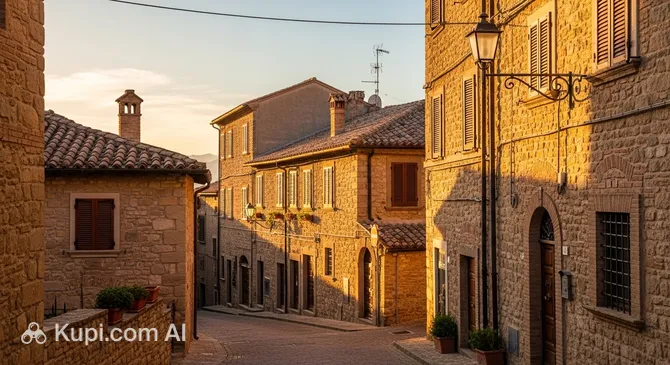
Historic Center of San Giovanni Rotondo
Historic Center of San Giovanni Rotondo. Иллюстрация. Источник: Kupi.com AI

The main feature and world fame of this place are inextricably linked with the name of Saint Padre Pio. It is here that the Capuchin monastery where this revered mystic lived is located, along with the magnificent modern sanctuary that has become one of the most visited pilgrimage sites in the world. Named after Saint John the Baptist, the city center maintains an atmosphere of silence and piety, attracting thousands seeking solace and healing.

Beyond religious shrines, the Centro Storico surprises with its elegance: narrow cobbled streets lead to small squares and viewpoints offering breathtaking vistas of the surroundings. It is also home to the famous medical center "Home for the Relief of Suffering", founded by Padre Pio himself, which remains a symbol of mercy and care today.

Contacts

For those planning a self-guided visit to the Historic Center of San Giovanni Rotondo, it is helpful to know the exact location of Puglia's spiritual heart. Although it is an open urban area, having the precise address will help with navigation.

How to contactContact
Address71013 Сан-Джованни-Ротондо, Фоджа, Италия

What to Do

In the heart of this spiritual site, visitors can enjoy a rich program combining pilgrimage with traditional Italian architecture. The main stop is invariably the Sanctuary of Saint Pio of Pietrelcina. Here, you can venerate the saint's relics displayed in the crypt of the modern basilica and visit his cell in the old Capuchin monastery, where personal belongings are preserved and the atmosphere of his humble life is recreated.

Walking through the Centro Storico is a chance to enjoy the authenticity of Puglia. It's worth getting lost in the labyrinth of white buildings, admiring ancient portals and cozy courtyards. Be sure to visit the Church of San Pio, striking for its unusual architectural form, and the majestic "Home for the Relief of Suffering", which inspires respect even from the outside with its sheer scale. Many guests find peace by lighting candles or joining a mass, which are held regularly.

Even if you are not religious, it is worth taking time for panoramic walks. The heights of the historic center offer magnificent views of the valleys, making it an ideal place for contemplation and quiet relaxation. Local shops offer not only religious items but also traditional regional products like olive oil and handmade souvenirs, allowing you to take a piece of this land's warmth home.

Getting There

The journey to this significant pilgrimage center usually begins in the city of Foggia, the administrative center of the province of the same name. Foggia is home to the nearest regional airport (about 40 km away), as well as a major train station where trains arrive from Rome, Naples, and Bari. Intercity buses regularly depart from the Foggia station, taking travelers directly to the borders of the historic center in about 40–50 minutes.

For those who prefer to travel by car, the route passes through the picturesque hilly landscapes of Puglia. The city is well-connected by a network of roads to Barletta and Manfredonia. Parking zones are provided near the main religious sites, many of which are free for pilgrims. Organized bus tours specializing in religious routes throughout Italy are also a popular way to visit.

Within the city of San Giovanni Rotondo itself, the historic part is easily accessible by local taxi or on foot if you are staying in one of the many nearby hotels. Convenient navigation and signs will help you quickly find your way to the key shrines and ancient quarters.

Ближайший город: San Giovanni Rotondo

History & Facts

The history of this place dates back to the 11th century, when a small settlement served as a brief stop for pilgrims heading to the famous grotto of the Archangel Michael. For centuries, the town remained a quiet corner of Italy, until its fate changed forever in the 20th century thanks to the work of Padre Pio (Francesco Forgione). In 1916, the young monk arrived at the local Capuchin monastery, where he spent the rest of his life.

The most mysterious fact in the city's history was the appearance of stigmata on Padre Pio — non-healing wounds on his hands, feet, and side, similar to the wounds of the crucified Christ. These phenomena emerged in 1918 and persisted for fifty years, sparking intense debate and attracting the attention of both scientists and the Vatican. Despite numerous medical checks, the origin of these marks never received a rational explanation, strengthening the faith of millions in the monk's holiness.

Alongside his spiritual achievements, Padre Pio left behind a grand material legacy — the “Home for the Relief of Suffering” hospital (Casa Sollievo della Sofferenza). Founded in 1940 through the donations of believers, it has grown into one of Europe's most modern medical centers, becoming a symbol of active mercy. Today, the city welcomes millions of visitors annually, seeking to touch the history of a man whose miracles and faith turned a modest village into a global pilgrimage center.

Time Needed

To leisurely explore the main shrines, walk through the narrow streets of the old town, and visit the monastery complex, most travelers need about 4–6 hours. This is enough time to visit the saint's tomb, admire the architecture of the basilica, and take commemorative photos against the backdrop of Puglia's panoramic views.

If your goal includes participating in a mass, a detailed study of the museum exhibition in the monastery, or visiting the “Home for the Relief of Suffering” hospital, we recommend setting aside a full day. Many pilgrims prefer to stay overnight to experience the city's special peaceful atmosphere in the evening hours after the tour groups have left.

Working Hours

The Historic Center of San Giovanni Rotondo itself, as an urban area, is open for walking 24/7. However, the main pilgrimage sites have their own schedules. The Sanctuary of Padre Pio usually welcomes visitors from 05:30 to 19:30. Access to the saint’s tomb is open in two intervals: in the morning from 07:30 to 12:00 and in the afternoon from 15:30 to 18:00.

Since opening hours may change depending on church holidays or special events, tourists are advised to check the latest information on the sanctuary's official website or at the local information office before planning a trip.

Круглосуточно

Nearby

Exploring the surroundings of San Giovanni Rotondo will help you gain a deeper understanding of the region's history and culture. In close proximity to the center are numerous small architectural forms, commemorative signs, and ancient buildings, each preserving a piece of local heritage.

Below are interesting sites located within walking distance or a short drive from the historic center:

NameDistance
Opuswine0 km
Padre Pio Wax Museum0 km
Locanda Dauna0 km
Trattoria Chiazza Ranna0.1 km
Codà Lounge Club0.6 km
Macbeth Love Burger1.1 km
Ariae Dependance1.6 km

Reached the end of the page?

That means the route is fully explored