Support

Tortoli

About

Tortolì is the lively heart of the Ogliastra region and one of the most dynamic towns on the east coast of Sardinia. This town wonderfully combines the atmosphere of an active commercial center with the relaxed pace of a seaside resort, surrounded by citrus groves and vineyards. Home to around 11,000 people, it serves as an important hub for the surrounding territories while maintaining the cozy hospitality for which Italy is so famous. Thanks to its favorable location on a plain sheltered by hills, it enjoys a mild climate that allows for an enjoyable trip almost year-round.

The town has deep roots stretching back to antiquity. Strolling through its streets, you can feel the breath of the past, as the history of Tortolì is rich with events: from the mysterious Nuragic civilization to periods of Spanish influence that shaped the unique cultural code of the locals. It is particularly interesting to observe how historical heritage exists alongside modernity, creating a unique urban landscape.
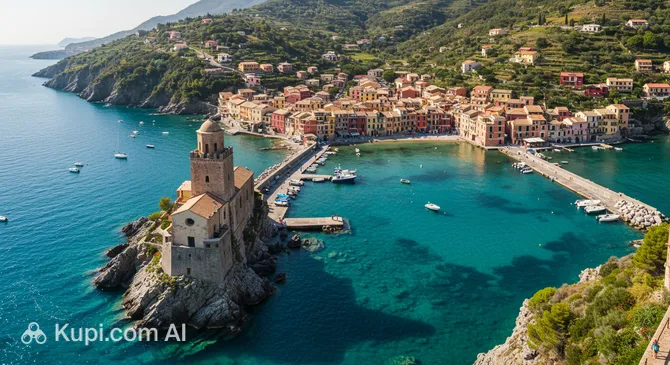
Tortolì. Illustration.
Source: Kupi.com AI

The main draw for tourists is the incredible natural beauty and landmarks. The hallmark of the coast is the famous Red Rocks (Rocce Rosse) in the Arbatax area, where fiery porphyry contrasts with the azure sea. Equally impressive are the beaches, such as Lido di Orrì, which are considered among the cleanest and most beautiful on the island. Furthermore, the town itself is an open-air museum: thanks to the Su logu de s'iscultura project, the streets of Tortolì are decorated with works by contemporary artists, turning an ordinary walk into a cultural discovery.

A visit to Tortolì is an opportunity to see the real, living Sardinia, where traditions are interwoven with modern comfort. Whether you are looking for a relaxed beach holiday, gastronomic adventures, or cultural immersion, this sunny town is sure to find something to surprise and charm you.
Weather Overview

The climate of Tortolì can be characterized as classic Mediterranean, mild and favorable for travel almost all year round. Thanks to its fortunate location, extreme cold is rare here, and the sea breeze softens the summer heat. To choose the perfect time for a visit, it is worth checking in advance what weather in Tortolì is expected on your travel dates, though the overall picture remains consistently pleasant.

The summer season here is hot and dry. July and August are the warmest months, with average temperatures around 24.7–24.8°C, and daily maximums regularly reaching 29.2°C. Precipitation is very rare at this time: for example, an average of only one rainy day is recorded in July, creating ideal conditions for beach holidays and swimming in the sea.

The shoulder seasons and winter bring coolness and more moisture but remain comfortable. The coldest month is January, with an average temperature of 8.4°C and night minimums around 5.6°C. Expect a hot, sunny summer with almost no rain and a mild winter with occasional rain, peaking in November (about 14 rainy days). Spring (April-May) and early autumn (September) delight with pleasant temperatures ranging from 12°C to 21°C, which is excellent for walks and excursions.

Average monthly temperature

Average monthly precipitation

Interesting Facts

Beyond its main attractions, Tortolì hides many fascinating secrets that reveal the city from an unexpected side. Here, ancient traditions intertwine with cinematic history and contemporary art, creating a unique atmosphere for explorers.
  • Cinematic Fame of the Red Rocks: The famous porphyry rocks in the Arbatax area served as the backdrop for the finale of the cult 1974 film "Swept Away" directed by Lina Wertmüller. This landscape impressed viewers so much that it became one of the most recognizable symbols of Sardinia's east coast.

  • Arabic Roots in the Name: According to one of the most common versions, the name of the Arbatax port district comes from the Arabic phrase "Arba‘at ‘Ashar," which means "fourteen." This is a reference to the fourteenth watchtower that once stood here as part of the coastal defense system against Saracen pirates.

  • The City as a Canvas: Tortolì is a true museum without walls. Thanks to the Su logu de s'iscultura project, the town's streets are adorned with dozens of sculptures by modern masters. These works of art are not hidden behind glass but are harmoniously integrated into the urban environment, meeting passersby in parks, squares, and at intersections.

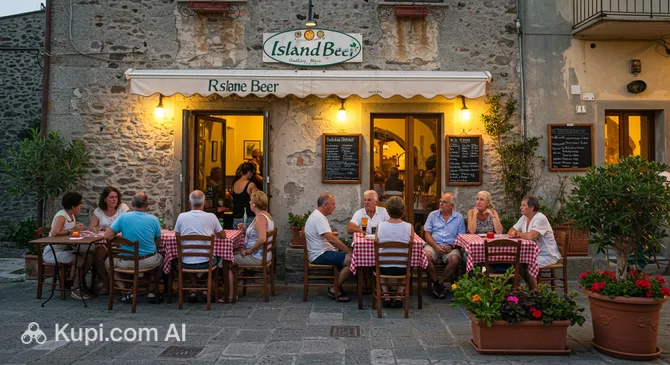
  • Gastronomic Contrast: While Sardinia is traditionally associated with wine, the culture of craft brewing has been developing rapidly here in recent years. In the city, you can find venues like Island Beer that showcase this modern trend, offering a great alternative to classic wine evenings.

Island Beer. Illustration.
Source: Kupi.com AI

Traveler photos:

How to Get There

Since Tortolì is located on the island of Sardinia, a journey here almost always begins with a flight or a ferry crossing. There is no direct air service to the town itself, so tourists arrive at one of the island's major airports and then continue their journey by land. You can find out more about how to get to Tortolì by exploring various routes and modes of transport.

The most convenient option for most travelers is Cagliari Elmas Airport (IATA: CAG). This is Sardinia's main and busiest aviation hub, handling many international flights. It is important to note that the airport is not in Tortolì, but in the city of Cagliari, about 91 km away. A trip from there by rental car or taxi will take approximately 1 hour and 30 minutes, and by bus—just over two hours. Due to the high passenger traffic, the choice of flights here is usually the widest.

Another popular alternative is Olbia Costa Smeralda Airport (IATA: OLB), located in the northeast of the island. It is in the city of Olbia, about 109 km from Tortolì. This airport is particularly popular during the summer season and serves many charter and scheduled flights. The drive to Tortolì by car takes about 1 hour and 40 minutes along the scenic SS125 highway. You can also consider flying into Alghero-Fertilia Airport (IATA: AHO), although it is located further away—in the city of Alghero (about 140 km), which increases the transfer time to 2–2.5 hours.

For clarity, here is a summary of the main airports through which you can reach the region:

AirportPassenger trafficDistance
Cagliari Elmas Airport4.8 mln91 km
Olbia Costa Smeralda Airport3.2 mln109 km
Alghero-Fertilia Airport1.6 mln140 km
Sud Corse Airport877 070181 km
Ajaccio Napoleon Bonaparte Airport1.6 mln233 km

Regarding rail connections, Tortolì does not have a classic train station included in the national Trenitalia network. The main ground public transport connecting the city with the airports and other parts of Sardinia is the regional ARST bus service. They are quite comfortable and run on schedule. However, for maximum freedom of movement and the ability to enjoy the scenery along the way, most tourists prefer to rent a car immediately upon arrival on the island.

Main Attractions

The main attractions of Tortolì are inextricably linked to its unique nature and coastal location. The undisputed symbol of the town and the entire Ogliastra region is the Red Rocks of Arbatax (Rocce Rosse). This impressive natural monument made of red porphyry, rising directly from the emerald waters of the sea, creates an incredible contrast of colors. Tourists come here for breathtaking photos, especially at sunset when the stone seems to glow from within, and to feel the power of nature that created this open-air "cathedral."

For beach lovers, a true treasure is Lido di Orrì. This is not just a beach, but a several-kilometer stretch of coastline with soft white sand and crystal-clear water that remains shallow for a long distance from the shore. The location is ideal for families with children as well as for those seeking solitude in small coves framed by granite rocks. Lido di Orrì regularly receives the prestigious "Blue Flag" award, confirming the cleanliness and eco-friendliness of this spot.

To touch history and enjoy panoramic views, it is worth climbing up to the San Gemiliano Tower. This watchtower, built by the Spanish in the 16th–17th centuries to protect against pirates, stands on the cape of the same name, towering over the sea. The climb is easy, and the reward for travelers is a magnificent view of the bay, the beaches, and the town. This site allows you to feel the spirit of the past and appreciate the strategic importance of the coast in former times.

Another major point of interest is the Tortolì Pond (Stagno di Tortolì)—a vast lagoon located just behind the town. This place is of great importance to the region's ecosystem and attracts nature lovers with the opportunity to observe rare birds. Flocks of pink flamingos, herons, and cormorants can often be seen here in their natural habitat. Additionally, the lagoon is famous for its fishing industry, and it is here that the famous local mullet is harvested.

Local Cuisine

The gastronomy of Tortolì is a vivid reflection of the soul of the Ogliastra region, where coastal culinary traditions harmoniously intertwine with ancient shepherd recipes from the inland mountainous areas. The local cuisine is famous for its authenticity and the use of simple but incredibly high-quality "zero-kilometer" products. Here, food is not just about satisfying hunger, but an important social ritual that brings families and friends together around long tables.

The king of the local table is rightfully considered to be culurgiones. This special type of pasta, resembling dumplings, is the hallmark of Ogliastra. They are stuffed with a mixture of potato, pecorino sheep cheese, and fresh mint, and the edges are pinched in a specific way so that they resemble an ear of wheat. Culurgiones are usually served with a simple tomato sauce and grated cheese. Another mandatory meat delicacy is porceddu—a suckling pig roasted on a spit with branches of myrtle and rosemary. Its crispy skin and tender meat will not leave any gourmet indifferent.

Thanks to the presence of the Tortolì Pond and the proximity of the sea, fish dishes occupy an important place on restaurant menus. A special pride of the town is bottarga—dried mullet roe, which is called "Sardinian gold" here. It is thinly sliced as an appetizer or grated into pasta, giving the dish a rich oceanic flavor. It is also worth trying the freshest grilled fish, eels from the lagoon, or traditional seafood soup.

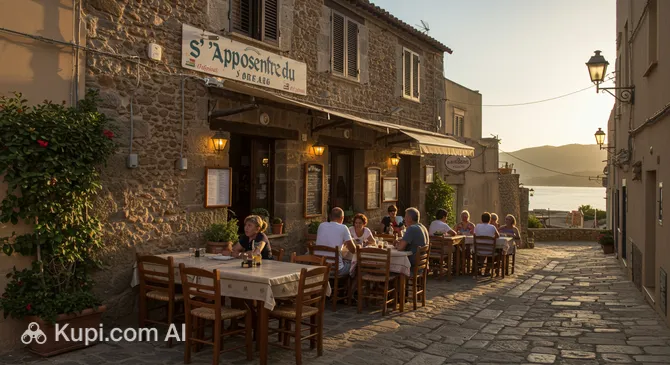
S'Apposenteddu. Illustration.
Source: Kupi.com AI

Traveler photos:

No meal in Tortolì is complete without a glass of good wine. The region is famous for its powerful red wine, Cannonau, which is considered the elixir of longevity for local residents. Those who prefer lighter drinks will enjoy white wines such as Vermentino. It is customary to end the dinner with a small glass of ice-cold Mirto liqueur, infused with the berries of the myrtle bush that grows everywhere here.

The food culture in the town is diverse: from street kiosks with panini to cozy family trattorias. Locals value establishments that maintain a homey atmosphere and loyalty to tradition. A perfect example of such a place is the restaurant S’Apposenteddu, where you can enjoy classic Sardinian dishes in an authentic setting. For a lighter snack or an aperitif, the numerous bars on the central streets are suitable, where local olives, cheeses, and sausages are generously served with drinks.

Travel Tips

A trip to Tortolì promises to be peaceful and enriching, but a little advance preparation will make your holiday even more comfortable. We have put together a list of practical recommendations to help you quickly find your bearings and feel at home in this hospitable corner of Sardinia.

  1. Clothing and sun protection: In summer, the climate here is hot, so bring light clothing made of natural fabrics, sunglasses, and hats. The sun in Sardinia is very intense—sunscreen with a high SPF is a must even for city walks. For visiting churches, choose outfits that cover shoulders and knees. In the evening, a fresh breeze can blow from the sea, so a light sweater won't be out of place.

  2. Transport issues: Although there are buses connecting the center with the port and beaches, their schedule is not always convenient for tourists. The optimal way to get around is renting a car. This will give you the freedom to explore not only Tortolì but also the picturesque surroundings of Ogliastra. Taxis are best ordered in advance by phone, as catching a car on the street is difficult.

  3. Finances and payment: The currency is the Euro. Bank cards are accepted in most restaurants and shops, but terminals may not work in small kiosks or markets. Always have some cash with you (small denomination bills). Tipping in Italy is not a strict obligation, as the service charge (coperto) is often already included in the bill, but leaving 1–2 euros or rounding up the bill is considered good manners.

  4. Observing the siesta: Life in Tortolì follows a traditional schedule. From 1:00 PM to 4:30–5:00 PM, most shops, pharmacies, and offices close for an afternoon rest (siesta). Plan your shopping and important errands for the morning or evening. Large supermarkets may work without a break during the tourist season.

  5. Health and safety: Tortolì is a safe town where you can walk peacefully even in the evening. Pharmacies are marked with a green cross, and the schedule for on-duty pharmacies is usually posted on the door. Tap water is considered drinkable, but due to its specific mineral content, tourists often prefer bottled water. The emergency number is 112.

  6. Communication: Locals speak Italian and Sardinian. In tourist areas, staff speak English, but it may not be common in more remote parts. Learn a couple of phrases: Buongiorno (good day) and Grazie (thank you)—this will instantly endear you to your conversation partner. Free Wi-Fi is available in many cafes, but for reliable connection, it's better to buy a local SIM card.

  7. What to avoid: The most important rule in Sardinia is never take sand, shells, or pebbles from the beaches as a souvenir. This is considered a serious environmental crime and is punishable by huge fines (up to several thousand euros) during airport checks. Leave the natural beauty where it is.

  8. Gastronomic advice: Don't try to have dinner at 6:00 PM. Restaurants in Tortolì, as in the rest of Italy, open for dinner late, usually after 7:30 or 8:00 PM. If you get hungry earlier, head to one of the local bars for an aperitif with snacks—it's a great tradition before the main meal.

By following these simple rules, you can avoid annoying misunderstandings and focus on the main thing—enjoying the magnificent nature, delicious food, and unique atmosphere of Tortolì. We wish you a light and pleasant journey!

Entertainment & Nightlife

Nightlife in Tortolì differs from that of noisy metropolises: you won't find massive multi-story nightclubs with lasers here, but you will immerse yourself in the relaxed atmosphere of the Italian "dolce far niente." Evenings here are traditionally spent leisurely, enjoying conversation, music, and the sea breeze. The main activity begins after sunset, when the heat subsides and locals head out for the passeggiata—the traditional evening stroll.

The epicenter of evening activity is the town's main artery—Via Monsignor Virgilio. This street transforms into a lively promenade, home to most of the gelato parlors, lounge bars, and shops that stay open late. A friendly and safe atmosphere prevails here, and the crowd is a mix of local families, young people, and tourists. The dress code in most establishments is relaxed: smart casual is appropriate everywhere, from restaurants to bars.

Another important hub is the port district of Arbatax. In the summer, especially in the square by the Red Rocks (Rocce Rosse), concerts and music festivals often take place, including the famous jazz and blues festival Rocce Rosse Blues. This is a unique opportunity to listen to live music under the open sky against the backdrop of the sea and rocks. On regular days, the Arbatax waterfront attracts those who want to enjoy a glass of wine overlooking the moored yachts.

Bellavista Bio Café. Illustration.
Source: Kupi.com AI

Traveler photos:

If you are looking for a place with a pleasant atmosphere for an aperitif or an evening cocktail, it's worth stopping by the Bellavista Bio Café. This venue is known for its attention to quality products and a cozy setting, perfect for starting the evening. For those who prefer a more substantial dinner that flows into a late-night session, the restaurant S’Apposenteddu is an excellent choice, where you can enjoy local cuisine in an authentic interior.

Fans of beer and a more informal setting should definitely visit Island Beer. This spot has become a gathering point for craft beer enthusiasts and good company, offering a great alternative to classic wine bars. The average bill in Tortolì’s establishments is moderate compared to fashionable resorts: a cocktail will cost approximately 6–10 euros.

Practical tips and safety: Tortolì is a very safe town, and night walks here carry no risks even alone. However, public transport practically does not run at night. If you are staying far from the center or in the Arbatax area, take care of your return trip in advance: it's best to call a taxi by phone or through your hotel, as catching a car on the street at night is difficult. Most bars close around 01:00–02:00 AM.

As for daytime entertainment, it is more cultural and calm in nature. The town has a Multisala cinema, where films are occasionally shown in their original language. During the day, you can also visit small art galleries or continue exploring the open-air sculptures, though the main focus of daytime leisure in Tortolì remains centered on beach relaxation and nature.

Parks & Museums

While Tortolì is often primarily associated with its magnificent beaches, the town and its surroundings offer tourists much more than just a seaside holiday. Here, green oases, unique nature reserves, and open-air cultural spaces are wonderfully interwoven, turning a walk through the town into a fascinating journey through eras and styles.

Among the natural areas, La Sughereta Park (Parco La Sughereta) holds a special place. These are the true "green lungs" of the town, located almost in the center of the residential area. The park consists of a dense grove of ancient cork oaks, providing pleasant shade even on the hottest days. For tourists, it is an ideal spot for morning runs, leisurely strolls, or picnics surrounded by typical Sardinian flora. Another important natural attraction is the Tortolì Pond—a protected lagoon where you can observe pink flamingos and other rare birds in their natural habitat.

The cultural life of the town is concentrated not in dusty halls but right on the streets. Tortolì's main pride is Su Logu de s'Iscultura—an open-air museum of contemporary art. The project began in the 1990s and has since transformed the town into a living gallery. Massive sculptures by Italian and foreign masters are harmoniously integrated into the urban landscape, meeting passersby in parks, squares, and at intersections. This makes art accessible and democratic, allowing everyone to interpret the artists' works in their own way.

To immerse yourself in ancient history, a visit to the S'Ortali 'e su Monti Archaeological Park is a must. This complex transports visitors back to the times of the mysterious Nuragic civilization. Here, you can see a well-preserved nuraghe (an ancient stone tower), a "Giant's Tomb," and menhirs. The site has a special energy and allows you to touch the millennial history of Italy and Sardinia, understanding how the ancient islanders lived long before the arrival of the Romans.

Architecture lovers will be interested in the Church of Sant'Andrea on the main square. Built in a classical style at the end of the 18th century, the building impresses with its austere but elegant facade and rich interior decoration. And for those looking for hidden gems, we suggest paying attention to the small rural churches in the vicinity, such as the Church of San Salvatore, located near the beach, where colorful religious processions take place annually.

Insider tip: The best time to visit the S'Ortali archaeological park is during the pre-sunset hours. At this time, the red granite of the ancient stones takes on a particularly warm hue, and the heat subsides, making the excursion as comfortable as possible. Don't forget to bring water and comfortable shoes, as you will be walking on dirt paths.

Getting Around

The public transport system in Tortolì is quite simple and adapted to the needs of a small town. Since there are no subways, trams, or trolleybuses, the main means of transport for those who do not use a private car are buses. The primary carrier is the regional company ARST. Its blue buses connect the town center with the port district of Arbatax, as well as with nearby settlements and beaches.

For fare payment, a system of paper tickets is used, which must be purchased in advance. You can buy them at authorized sales points: newsstands (edicola) and tobacco shops marked with a large "T" sign (Tabacchi). The cost of a single trip around town or to Arbatax is quite affordable, at around 1–1.50 euros. In recent years, mobile apps such as DropTicket or Tabnet have become increasingly popular, allowing you to buy tickets online directly from your smartphone, eliminating the need to search for an open kiosk.

An important detail for tourists: upon entering the bus, you must validate your ticket in a special yellow or green validator. If the machine is not working, you should immediately inform the driver or write the date and time on the ticket with a pen to avoid a fine during an inspection. Tickets are not always sold by the driver and usually cost more, so it's better to take care of your travel document before boarding.

A unique transport feature of Tortolì is the Trenino Verde ("Little Green Train"). Although technically a railway, it is not used for regular passenger transport but serves as a popular tourist attraction. The vintage train departs from the station in Arbatax and takes travelers deep into the island along scenic mountain routes. It is not a way to get from point A to point B, but a full-fledged adventure that allows you to see the region's wild nature.

As an alternative to buses, taxi services operate in the town; however, they cannot be "hailed" on the street with a wave of the hand—a car must be ordered by phone or found at special ranks (for example, at the port or the main square). Given that bus schedules can be sparse, especially in the evenings and on weekends, many tourists prefer to rent a car. This gives you freedom of movement throughout the picturesque Ogliastra region. During the summer season, renting bicycles and scooters for trips to the Lido di Orrì beaches is also popular.

Accommodation

Accommodation options in Tortolì are capable of satisfying the needs of a wide variety of travelers: from budget backpackers to families seeking the comfort of a resort holiday. The town offers a balanced selection of housing, including cozy Bed & Breakfasts (B&Bs), classic mid-range hotels, apartments for long-term stays, and luxurious resort complexes on the coast. Well-equipped campsites located in the shade of pine groves near the beaches are also popular in the surrounding areas, which is an excellent option for nature lovers.

When choosing a place to stay, it's worth considering the geographical features of the town, which is effectively divided into two zones. Tortolì Center is ideal for those who want to be in the heart of the action, close to shops, the evening promenade, and restaurants. Small urban hotels and guest houses predominate here. The second popular area is Arbatax and the coastal zone. This is the choice for those who prioritize proximity to the sea. It is here, near the Porto Frailis beaches and the Rocce Rosse cliffs, that larger hotels and resorts with swimming pools and panoramic views are concentrated.

The price range for housing depends heavily on the season. During peak months (July and August), the cost of staying in "luxury" and "standard" category hotels can increase significantly, and demand exceeds supply. Budget options, such as hostels or inexpensive apartments, can be found, but their number is limited. In the off-season, prices become much more democratic, and you can book a great room at a very attractive price.

Booking tip: Sardinia is an extremely popular destination, so it is better to plan your trip in advance. If you intend to visit Tortolì in August, it is recommended to book your accommodation 4–6 months before the trip. For searching and reserving, it is most convenient to use major international online platforms; however, many small B&Bs and apartments also take direct bookings through their websites or by email, sometimes offering more favorable terms.

Nearby Cities

For those who want to explore the surroundings, Tortolì serves as an excellent starting point for day trips to several interesting nearby locations. Its convenient location makes it easy to reach both mountainous areas and other significant Sardinian cities, each possessing its own unique character.

One of the most interesting destinations is Nuoro, located just 52 km from Tortolì. This is the cultural heart of the island, nestled at the foot of Mount Orthobene. The city is known for its museums, which preserve the traditions and way of life of Sardinians, as well as its stunning mountain panoramas. If you are willing to drive a bit further (about 91 km), be sure to visit the island's capital—Cagliari. Here, you will find the majestic historic Castello district, ancient bastions, and the lively atmosphere of a large seaside city. Also worth noting is Oristano, a city with a rich medieval history located on the west coast.

CityPopulationDistance
Dorgali8 59641 km
Nuoro36 57952 km
Siniscola11 53172 km
Dolianova9 69674 km
Sinnai17 56280 km

These nearby destinations provide an insight into the diverse culture and landscapes of the region, making your Sardinian holiday even more rewarding and memorable.

Shopping & Souvenirs

Shopping in Tortolì is a calm and pleasant activity, devoid of the bustle of huge metropolises. The town does not claim to be a high-fashion capital, so you won't find endless rows of luxury brand boutiques here. However, as the commercial center of the Ogliastra region, Tortolì offers an excellent selection of shops where you can purchase everything you need for your holiday, high-quality Italian clothing, and, of course, unique local products. A particular pleasure is combining an evening promenade with a visit to small shops where owners are always happy to chat and help with your choice.

The heart of the town's commercial life is the main street, Via Monsignor Virgilio. This lively artery crossing the town is literally dotted with shops selling clothing, shoes, accessories, and beach gear. In the evening, when the heat subsides, the street becomes a pedestrian zone for strolling, and shop windows light up with welcoming glows. It is also worth exploring the adjacent Corso Umberto I, where you can find cozy souvenir shops and stores selling home goods.

There are no giant shopping malls in Tortolì in the traditional sense, which is quite typical for small Sardinian towns. Locals and tourists do most of their shopping in large supermarkets and small commercial complexes located on the outskirts of town or along the main roads. Here you can find a wide range of food, cosmetics, and household goods at affordable prices. These are excellent places to stock up on gastronomic souvenirs before leaving.

The true flavor of local trade is revealed at the markets. The most popular is the weekly town market, which usually takes place on Fridays. It is a noisy and colorful place where farmers from surrounding villages sell the freshest vegetables, fruits, cheeses, and sausages. You can also find inexpensive clothing, textiles, and handmade products here. For tourists, it is not just a place for shopping but an opportunity to immerse themselves in the authentic atmosphere of Sardinian life.

When choosing souvenirs, bet on local handicrafts and gastronomy. From Tortolì, it is worth bringing the famous Cannonau wine produced in this region, as well as "Sardinian gold"—bottarga (dried mullet roe). Look for local ceramics with traditional patterns, handmade textiles, and the filigree jewelry for which the island is famous. Natural cosmetics based on myrtle or olive oil also make excellent gifts.

When planning your shopping, it's important to remember the traditional Italian daily routine. Most small shops close for a long lunch break (siesta) from approximately 1:00 PM to 4:30 PM or 5:00 PM. In the evening, trade resumes and continues until 8:00 PM or 8:30 PM. Large supermarkets often work without a break. Credit cards are accepted almost everywhere, but for purchases at the market or in small kiosks, it's better to have some cash in euros.

Tourists from non-European Union countries can take advantage of the Tax Free system when making large purchases in stores in Italy. If the receipt amount in one store exceeds the established minimum (usually around 70 euros, but rules may change), look for the "Tax Free" sticker in the window or ask the salesperson about the possibility of issuing a VAT refund form for when you fly out of the country.

Reached the end of the page?

That means the route is fully explored