Support

Oristano

About

Oristano is an elegant and peaceful city located on the west coast of Sardinia. Unlike bustling tourist resorts, it exudes an atmosphere of noble antiquity and authenticity. It is an ideal destination for those who want to discover the real Italy, steeped in the spirit of the Middle Ages and fresh sea breezes.

As the administrative center of the province of the same name, the city has about 31,000 residents. The climate is typically Mediterranean, with mild winters and hot summers, making walks through the cozy streets pleasant at almost any time of year. Oristano is surrounded by picturesque lagoons and fertile plains, creating a unique natural landscape.

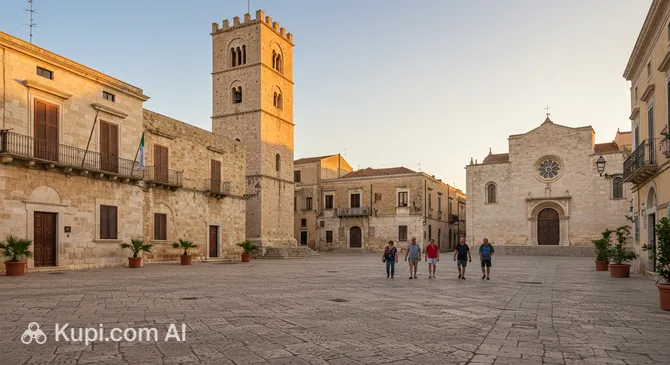
Oristano. Illustration.
Source: Kupi.com AI

The rich history of Oristano is inextricably linked to the era of the powerful Judicate of Arborea and the name of the national heroine Eleonora d’Arborea. The city's past comes alive in its architecture: be sure to see the majestic Tower of Mariano II (also known as the St. Christopher Tower), preserved since the 13th century, and the beautiful Cathedral of Santa Maria Assunta, which is the largest on the island.

The city's special charm is enhanced by the famous Sartiglia carnival — a thrilling equestrian competition rooted in knightly traditions. Oristano invites travelers to enjoy a slow pace of life, magnificent local cuisine, and proximity to the wild beaches of the Sinis Peninsula.

Weather Overview

The climate in Oristano is typically Mediterranean, providing comfortable travel conditions almost year-round. Summers are hot and sunny, ideal for a beach holiday: in July and August, average temperatures often reach 30°C, and rain is very rare. Winters are mild and frost-free, with average thermometer readings ranging from 7°C to 14°C, although this period, along with late autumn, sees the highest number of overcast days.

Expect warm, dry summers and mild winters with occasional precipitation, which usually peaks in November. Spring and early autumn offer pleasant warmth, with temperatures hovering around 15–20°C, perfect for excursions. To choose the best dates for your visit and pack properly, we recommend checking what the weather in Oristano is expected to be during your trip in advance.

Average monthly temperature

Average monthly precipitation

Interesting Facts

Помимо основных достопримечательностей, Ористано хранит множество увлекательных секретов, которые открываются лишь самым любознательным путешественникам. Этот город, пропитанный духом средневековья и гордостью за свое прошлое, готов удивить вас уникальными традициями и историческими деталями.
  • The city is rightfully proud of its great ruler Eleonora, whose statue adorns the heart of the historic center — Eleonora d’Arborea Square. A surprising fact is that it was this woman who, in the 14th century, granted Sardinia the "Carta de Logu" — one of the first and most progressive codes of law in Europe, which remained in effect on the island for nearly 500 years until the unification of Italy.

  • Oristano is literally built from the past. In the 11th century, the residents of the wealthy ancient city of Tharros, tired of constant Saracen raids from the sea, decided to leave their homes. They dismantled the buildings of Tharros and moved the stones inland to build a new city — Oristano. Local legend says that every stone in the city's old buildings is steeped in the history of the ancient Phoenicians and Romans.

  • One of the most mysterious carnivals in the Mediterranean, the Sartiglia, is held here. Its main feature is the figure of the rider, Su Componidori. From the moment the androgynous mask is placed on him until the end of the ceremony, he is considered a demigod and is not allowed to touch the ground with his feet, so as not to lose the sacred power that is supposed to bring the city a rich harvest.

  • The city was once an impregnable fortress. The majestic Tower of Mariano II, which you can see today, is not just a standalone structure but one of the two surviving gates that were part of a massive defensive wall with 28 towers that once surrounded medieval Oristano.

  • Oristano is the birthplace of the unique wine "Vernaccia," often called "Sardinian Sherry." It was the first wine in Sardinia to receive the prestigious DOC quality mark. Interestingly, the barrels of this wine are never filled to the top: thanks to a special yeast culture, a film (flor) forms on the surface, giving the drink its unique almond aroma.

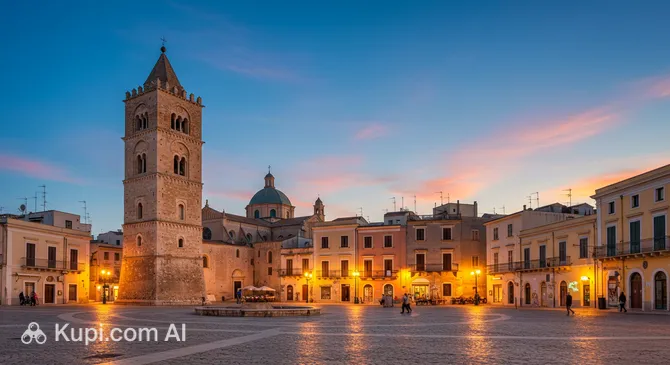
Eleonora d'Arborea Square. Illustration.
Source: Kupi.com AI

Traveler photos:

How to Get There

Oristano is conveniently located in the central part of Sardinia's west coast, making it easily accessible from various points on the island. While the city does not have its own airport, a well-developed transport network allows you to reach it quickly from the region's main air hubs. For detailed route planning and choosing the best transport, you can check the how to get to Oristano page, which lists all available options.

There is no airport in the city of Oristano itself, but the closest and most popular hub for tourists is Cagliari Elmas Airport (IATA: CAG). It is located in the city of Cagliari, approximately 83 km from Oristano. This is the island's main air gateway, handling numerous international and domestic flights. The journey from here by car or taxi takes about 1 hour and 15 minutes, and the airport also has a convenient rail link to the city.

An alternative option is Alghero-Fertilia Airport (IATA: AHO), located in the city of Alghero, 84.5 km from Oristano. Low-cost carriers and charter flights often land here. The journey by taxi or rental car takes about 1 hour and 20 minutes. If you arrive in the northeast of the island, you can use Olbia Costa Smeralda Airport (IATA: OLB) in the city of Olbia, though it is further away — at 135.5 km, with the trip taking about 2 hours.

For convenience, here is a summary of the main airports:

AirportPassenger trafficDistance
Cagliari Elmas Airport4.8 mln83 km
Alghero-Fertilia Airport1.6 mln84 km
Olbia Costa Smeralda Airport3.2 mln136 km
Sud Corse Airport877 070182 km
Ajaccio Napoleon Bonaparte Airport1.6 mln225 km

Rail travel is one of the most comfortable and budget-friendly ways to reach Oristano, especially if you fly into Cagliari. Oristano's railway station is located in the eastern part of the city and is an important hub on the island's main "Cagliari – Olbia/Sassari" line. Trains from Cagliari run regularly, with travel times ranging from 50 minutes to 1 hour. From the station, the historical center can be reached on foot in 15–20 minutes or by local bus.

If you prefer to travel by car, Oristano has excellent road connections. The city is located directly off Sardinia's main highway — SS131 "Carlo Felice," which crosses the island from south to north, connecting Cagliari with Sassari and Porto Torres. This makes a car trip fast and comfortable, allowing you to enjoy the scenic views along the way.

Main Attractions

The attractions of Oristano are a living illustration of Sardinia's rich history, where majestic medieval architecture stands alongside elegant buildings from later eras. A walk through the city allows you to touch the glorious past of the Judicate of Arborea and see the monuments that have shaped the appearance of this capital for centuries.

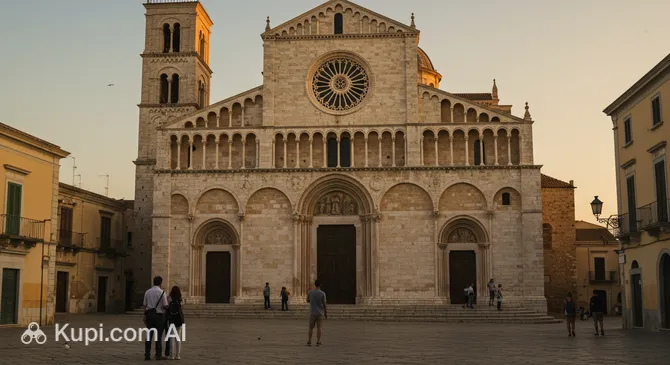
The dominant feature of the old town and its spiritual center is the Cathedral of Santa Maria Assunta. This majestic temple, built on the site of a Byzantine church, is striking in its scale and beauty. Its dome, covered in colored majolica, has become one of the symbols of the city. Inside the cathedral, elements from various eras have been preserved, from a medieval chapel to Baroque interiors, while the treasury holds valuable items of religious art.

Cathedral of Santa Maria Assunta. Illustration.
Source: Kupi.com AI

Traveler photos:

The heart of social life in Oristano is rightfully considered Eleonora d’Arborea Square. It is an ideal place to start exploring the city: the space is surrounded by beautiful neoclassical buildings, most notably the Town Hall and the Scolopi Palace. In the center of the square stands a marble statue of Eleonora herself — the national heroine who gave the island its code of laws. Tourists come here to feel the rhythm of the city, relax in the shade of trees, and take commemorative photos.

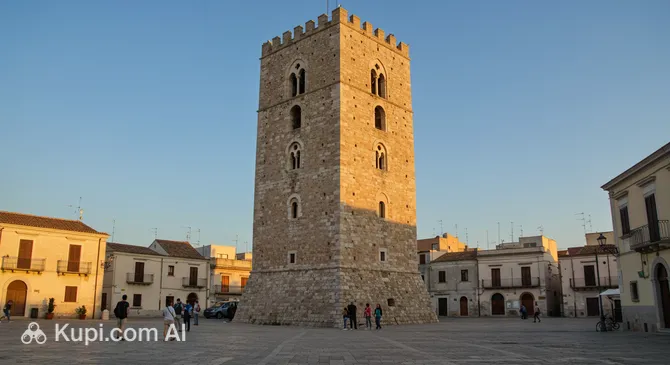
Another important witness to history is the Tower of Mariano II, also known as the Tower of St. Christopher. Erected at the end of the 13th century, it was part of the powerful fortress walls that protected the city. Today, this sandstone structure is considered one of the most significant monuments of medieval military architecture in Sardinia. The tower's imposing presence on Piazza Roma serves as a reminder of the times when Oristano was an impregnable fortress.

Local Cuisine

The cuisine of Oristano is a true gastronomic mirror of the territory, where the flavors of the sea, the salty lagoons, and the fertile lands of inland Sardinia intertwine. Local culinary traditions are characterized by simple recipes but incredibly rich flavors thanks to the high quality of ingredients. The main pride and symbol of the region is considered "Sardinian gold" — bottarga (Bottarga di Muggine), cured mullet roe produced in the neighboring fishing villages of the Sinis Peninsula.

An introduction to local cuisine should start with spaghetti with bottarga. In this dish, the grated roe gives the pasta a savory, intense marine flavor with light nutty notes. Another must-try item on the menu is malloreddus — traditional Sardinian pasta in the shape of small ribbed shells, which in Oristano is often prepared "alla Campidanese": with a thick sauce of fresh sausage, tomatoes, and saffron. Fish lovers will be offered a unique ancient dish called Sa Merca — mullet that is boiled in salted water and then wrapped in local marsh grass to impart a special aroma and preserve freshness.

The city's wine list deserves special attention. Oristano is the birthplace of the unique wine Vernaccia di Oristano, the first on the island to receive the prestigious DOC status. This noble amber-colored wine with hints of almond is aged in barrels under a layer of yeast film, resembling sherry in style. It is drunk as an exquisite aperitif or paired with local sweets, such as mustazzolus — dense cookies made from grape must and honey.

The dining culture here is leisurely and heartfelt. Locals prefer to dine late, enjoying food in the company of friends or family. There are many small trattorias and restaurants in the city serving dishes made from "zero-kilometer" products. If you want to try excellent pastries or classic Italian dishes in a trusted spot, a good choice would be Pizzeria Santa Marghe, known for its attention to the quality of dough and ingredients.

It is customary to end a meal in Oristano with a seadas dessert — a large fried "ravioli" filled with slightly sour sheep's cheese, generously drizzled with warm, bitter strawberry tree honey. And as a digestif, you will surely be offered an ice-cold Mirto — a sweet and viscous liqueur made from myrtle berries, which is considered the quintessence of the aromas of the Sardinian macchia.

Travel Tips

Welcome to Oristano! To ensure your journey through this authentic corner of Sardinia is as comfortable and hassle-free as possible, we have prepared a list of useful recommendations to help you quickly adapt to the local pace of life.

  1. Clothing and Seasonality. In summer, it is hot in Oristano, so prefer light clothing made of natural fabrics (linen, cotton) and always wear a hat. However, evenings can be cool and windy due to the proximity of the sea, so a light wrap or a long-sleeved shirt won't hurt. For walks through the historical center with its ancient cobblestones, choose comfortable shoes with flat soles. If you plan to enter the Cathedral of Santa Maria Assunta, remember the dress code: shoulders and knees must be covered.
  2. Transport Nuances. The historical center is compact and best explored on foot. For trips to the beaches (for example, Is Arutas), it is most convenient to rent a car, as bus schedules can be limited, especially on weekends. If you use public transport, remember the golden rule: tickets must be bought in advance at tobacco shops (Tabaccheria) or through an app, and they must be validated upon entering the bus to avoid fines.
  3. Finances and Payment. The official currency is the Euro (€). Bank cards are accepted in most restaurants and shops, but in small cafes, souvenir shops, or at the market, cash is still necessary. ATMs are available everywhere. Tipping in Italy is not a strict obligation, as a service charge ("coperto") is often already included in the bill, but leaving 1–2 euros or rounding up the amount for good service is considered polite.
  4. Health and Safety. Oristano is a quiet city where you can safely walk even in the evening. Pharmacies are marked with a green cross (Farmacia); on-duty pharmacies follow a schedule posted on the door. An important nuance: due to the proximity of lagoons and ponds around the city, there may be many mosquitoes in the summer, so be sure to bring or buy repellent. Tap water is safe, but many tourists prefer bottled water due to a specific aftertaste.
  5. Language and Communication. The main language is Italian; locals also speak Sardinian. In tourist areas, staff often speak English, but in small shops, it may not be common. Learn a few phrases: "Buongiorno" (good day) and "Grazie" (thank you) — this will immediately endear you to the Sardinians. Wi-Fi is available in most hotels and cafes, and a SIM card for mobile internet can be purchased at mobile phone shops with a passport.
  6. Local Etiquette and Rhythm of Life. Sardinians are hospitable but value politeness. It is customary to say hello when entering a shop or cafe. Be sure to account for siesta time: from 13:00 to 16:30–17:00, most shops and even some churches close, and the city "goes quiet." This is a time for rest and lunch, so do not plan active shopping for the middle of the day.
  7. What to Avoid. Don't try to have dinner early: restaurants in Oristano open for dinner no earlier than 19:30 or 20:00. Also, avoid walking around the city in beachwear or with a bare chest — this is considered poor form and is only acceptable on the Torre Grande promenade, not in the historical center.
  8. Advice on the Wind. Oristano is located on the west coast, open to winds, especially the Mistral. Before going to the beach, always check the weather forecast and wind direction: if a strong west wind is blowing, choose more sheltered bays or dedicate the day to visiting the city's museums.

By following these simple rules, you can avoid typical tourist mistakes and enjoy the relaxed atmosphere of Oristano just as the locals do. We wish you an unforgettable journey!

Entertainment & Nightlife

Nightlife in Oristano differs from that of bustling metropolises or major resorts: here you won't find massive multi-story clubs with laser shows. Instead, the city offers a cozy, relaxed, and very "Italian" atmosphere that locals call movida. Evening entertainment here revolves around socializing, excellent food, and quality drinks. The epicenter of nightlife is the historical center, which fills with people walking through ancient streets and squares as dusk falls.

A traditional evening in Oristano begins with an aperitif around 7:00 PM, slowly transitioning into a late dinner. One of the main points of attraction is the area around Eleonora d’Arborea Square. Here and on adjacent streets, such as Corso Umberto I and Via De Castro, there is a concentration of wine bars, pubs, and cafes with outdoor terraces. The crowd here is very diverse: from young people to elderly couples enjoying the evening cool. The dress code in most establishments is casual — a smart casual style will be appropriate everywhere.

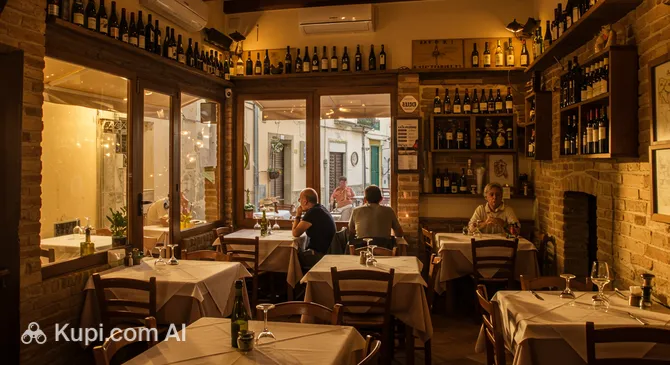
For a great start to the evening, we recommend checking out local gastronomic spots. For example, the popular Pizzeria Santa Marghe is a great place for a hearty dinner before heading out to explore the city's bar scene. After dinner, locals often move to the bars near the Tower of Mariano II on Piazza Roma, which serves as an excellent landmark for meeting up.

Santa Marghe Pizzeria. Illustration.
Source: Kupi.com AI

Traveler photos:

During the summer season (from June to September), the center of nightlife shifts to the coast, to the resort district of Torre Grande (Marina di Torre Grande), located a 10-minute drive from the city. The promenade comes alive: beach bars (chiringuitos) and open-air discos open here, featuring DJs and live music concerts. It is the best place for dancing until dawn, where the atmosphere becomes more festive and youthful.

Practical Tips and Safety:

  • Safety: Oristano is a very quiet and safe city. You can walk through the historical center even late at night without any concerns. The streets are well-lit, and the crime rate is extremely low.
  • Prices: The cost of entertainment here is lower than on Sardinia's popular Emerald Coast. A glass of wine or beer will cost 3–5 euros, and a cocktail 6–8 euros.
  • Transport: Public transport is rare or non-existent at night. If you plan a trip to Torre Grande and intend to consume alcohol, find out the numbers of local taxi services in advance, as hailing a car on the street can be problematic.

As for daytime entertainment, Oristano offers more leisurely activities. Culture lovers can visit the Garau Theater (Teatro Garau), which hosts plays and concerts. For shopping and family recreation, the Porta Nuova shopping center is suitable, where you can not only browse the shops but also have a snack or a coffee between excursions.

Parks & Museums

While the historical center of Oristano is quite compact and densely built, there are places in and around the city where you can enjoy peace and nature. The main urban oasis is considered to be Parco della Resistenza. This well-maintained space with shaded alleys and benches is a favorite spot for local families. If you are looking for wilder nature, be sure to visit the lagoons around the city, such as the Santa Giusta pond. These are unique natural areas where you can observe pink flamingos in their natural habitat — a sight that will be one of the most vivid memories of your trip.

To dive into the region's rich history, a visit to the Antiquarium Arborense is worthwhile. It is the city's main archaeological museum, located in the Palazzo Parpaglia. It houses an impressive collection of artifacts found during excavations of the ancient cities of Tharros and Otala, as well as unique wooden altars. Art lovers will be interested in the Carlo Contini Art Gallery (Pinacoteca Carlo Contini), which features works by 20th-century Sardinian artists reflecting the soul and traditions of the island through painting.

Getting Around

The transport system in Oristano is simple and logical, perfectly matching the leisurely pace of life in this small city. Since the historical center is compact, the main attractions are best explored on foot. There is no metro, tram, or trolleybus network here. The primary form of public transport is the bus, which connects residential neighborhoods with the center, the railway station, and the coastal resort area of Torre Grande.

Bus services are operated by the regional company ARST. City routes (servizio urbano) run regularly, but it should be noted that on weekends and holidays, intervals increase, and some services may be canceled. The most popular route for tourists is the one connecting the city with Torre Grande beach: in summer, the number of services on this route increases significantly. Schedules can be found at stops (pay attention to the marks "Feriale" — working days and "Festivo" — holidays).

The fare payment system is standard for the region. Bus tickets (biglietto) must be purchased in advance. This can be done at newsstands (edicola) or in tobacco shops marked with a large "T" sign (Tabaccheria). The cost of a single trip within the city is about 1.30 euros, and the ticket is valid for 90 minutes. 12-trip passes are also available, which offer some savings. It is not always possible to buy a ticket from the driver, and it will cost more.

For those who prefer digital technology, using the DropTicket mobile app is a convenient option. It allows you to buy tickets online without searching for kiosks. The most important rule when using a paper ticket is to validate it immediately upon entering the bus in a special yellow or green machine. Without a time stamp from the validator, the ticket is considered invalid, which can lead to a substantial fine.

As an alternative to public transport, you can use a taxi. In Oristano, it is not customary to hail them on the street with a hand wave. Cars wait for passengers at special stands (for example, at the railway station or on Piazza Roma), or they must be called by phone. Taxi trips here are not cheap, especially at night.

Thanks to its flat landscape, Oristano is ideal for cycling. Rental points are available in the city, and it is a great way to reach the nearest beaches or lagoons while enjoying the scenery. If you have rented a car, be careful: the historical center is a Limited Traffic Zone (ZTL). Entering without a special permit is prohibited and recorded by cameras, so it is better to leave the car in paid or free parking lots around the perimeter of the old town.

Accommodation

Oristano offers a welcoming selection of accommodations, where the emphasis is on coziness and authenticity rather than large, impersonal complexes. Small city hotels, family-run bed and breakfasts (B&Bs), and apartments predominate, allowing you to feel like a local. There are few luxury five-star resorts within the city limits, but the level of service in mid-range hotels (3–4 stars) is traditionally high and offers good value for money.

When choosing a place to stay, you should consider the purpose of your visit. The historic center is ideal for those who want to be in the thick of things, enjoy evening walks, and have quick access to cultural monuments. Staying here will put you within walking distance of iconic sites like Eleonora d’Arborea Square and numerous restaurants. Additionally, the center is convenient in terms of logistics for travelers without a car.

Tower of Mariano II. Illustration.
Source: Kupi.com AI

Traveler photos:

If your priority is a beach holiday, consider the coastal district of Torre Grande, located a few kilometers from the city center. Here you can find hotels, campsites, and guest houses in close proximity to the sea and pine groves. Agriturismos (farm stays) are also very popular in the vicinity of Oristano — restored farm estates where guests are offered peace, connection with nature, and excellent home cooking made from products produced on-site.

Price Range and Booking: The cost of accommodation in Oristano is generally more affordable than on Sardinia's fashionable Emerald Coast. You will find options ranging from budget rooms to comfortable suites. It is easiest to book accommodation through popular online platforms, though many small B&Bs also accept direct bookings.

Traveler Tip: Although the city is not as overcrowded with tourists as the north of the island, demand for good rooms is high during the peak summer season (July-August). Special attention should be paid to the dates of the famous Sartiglia carnival (February or March): during these days, the city is packed to capacity, and it is necessary to book a hotel several months, if not half a year, in advance.

Nearby Cities

For those who want to explore the surroundings, Oristano serves as an excellent starting point for day trips to several interesting nearby locations. Thanks to its location, it is easy to reach both picturesque coastal towns and cultural centers in the heart of the island.

For example, just an hour's drive south is the city of Iglesias, known for its rich mining past and well-preserved medieval center with ancient walls and churches. A trip north will lead you to Alghero — a charming fortress city with a strong Catalan influence, famous for its bastions, Gothic palaces, and lively promenade. And if you head east into the island's interior, you can visit Nuoro, which is called the cultural heart of Sardinia. It is the birthplace of many famous Sardinian writers and artists, offering guests rich ethnographic museums.

CityPopulationDistance
Cabras9 1656 km
Terralba10 19621 km
Guspini11 72541 km
Macomer10 01943 km
San Gavino Monreale8 59443 km

These nearby destinations allow for a deeper acquaintance with the diverse culture, history, and landscapes of this unique region of Italy.

Shopping & Souvenirs

Shopping:

General Overview: Shopping in Oristano is not a pursuit of high fashion or a race through massive outlets, but rather a leisurely pleasure of finding unique local treasures. The city does not claim to be a fashion capital, but it is famous for its craft traditions and gastronomic riches. Here you will find many small boutiques, family shops, and workshops selling goods made with soul that reflect the culture of Sardinia.

Main Shopping Areas: The main artery for shopping enthusiasts is the city's historical center. Take a stroll down the pedestrian street Corso Umberto I, which locals often call "Via Dritta." Here, as well as on adjacent streets such as Via De Castro and Via Mazzini, there is a concentration of clothing and shoe stores, jewelry salons, and souvenir shops. The atmosphere here is very cozy: you can leisurely move from one shop to another while simultaneously admiring the architecture of the old town.

Shopping Centers: If you are looking for a more familiar shopping format with well-known mass-market brands under one roof, head to the Porta Nuova shopping center. It is located near the entrance to the city and is Oristano's main mall. It features a good selection of clothing, electronics, and cosmetics stores, as well as a large supermarket where you can buy groceries at good prices.

Markets: To get a real taste of local life, be sure to visit the indoor market Mercato Civico di San Martino on Via Cimarosa. It is a gourmet paradise: the freshest fish and seafood from the gulf, mounds of seasonal vegetables, fragrant cheeses, and meat delicacies. Also, street markets operate in the city on Tuesdays and Fridays in the Via Aristana and Via Curiel area, where, in addition to food, you can find inexpensive clothing and household goods.

Souvenirs: Oristano is famous for its ceramics. Local potters create amazing pieces, from simple jugs to artistic plates, continuing centuries-old traditions. For a delicious souvenir, it is worth bringing back bottarga (cured mullet roe), often called "Sardinian gold," or a bottle of the famous Vernaccia di Oristano wine. Also, look for traditional Sardinian jewelry made of gold and silver filigree and items made from cork wood.

Opening Hours and Payment: Most shops in the city center follow a traditional Italian schedule with a siesta break. They are open from approximately 09:00 to 13:00 and then from 16:30 or 17:00 to 20:00. Large shopping centers and supermarkets usually work without a break until late evening. Many small shops may be closed on Sundays and Monday mornings. Credit cards are accepted almost everywhere, but it is better to have some cash for purchases at the market or small kiosks.

Tax Free: Tourists residing permanently outside the European Union are entitled to a VAT refund (Tax Free) when purchasing goods for an amount exceeding the legally established minimum (usually about 70 euros on one receipt). Look for stores with a "Tax Free Shopping" sticker in the window and remember to ask for a special form when paying for your purchase to process the refund at the departure airport.
Reached the end of the page?

That means the route is fully explored