Support

Sassari

About

Sassari is the heart of northern Sardinia, a city that seems to have grown out of the limestone plateau upon which it majestically sits. As the island's second-largest city and the administrative center of its province, it serves as an important cultural hub where ancient traditions harmoniously intertwine with a vibrant modern spirit. When planning a trip to Italy, many tourists head straight for the coast; however, it is here, just 12 kilometers from the famous Coral Coast with its golden beaches, that you can find true, non-touristy charm.

Sassari. Illustration.
Source: Kupi.com AI

The city is home to about 116,000 people and boasts a wonderfully calm atmosphere: the pace of life is unhurried, and the locals are known for their sincere hospitality. Strolling through the cozy streets, you will notice that the rich history of Sassari has left its mark on every facade and in every alleyway. This is a place where time flows differently, allowing you to enjoy the aromas of fresh pastries from local bakeries and relax in shady green parks that provide refuge from the summer heat.

Sassari is ideal for those who want to discover authentic Sardinia without the noisy crowds. Here, picturesque valleys surrounding the city, architectural gems of the historic center, and magnificent local cuisine in cozy trattorias await you. Be sure to include this city in your itinerary to feel its unique soul and uncover the secrets hidden behind the walls of its ancient buildings.

Weather Overview

The climate in Sassari is mild and favorable for travel, with a distinct Mediterranean character. Expect warm, sunny summers with minimal rainfall and cool winters when rain occurs much more frequently.

The summer season here is truly hot and dry. In July and August, the average temperature is around 25°C, and during the day, the air often warms up to 29°C. There is almost no precipitation during this time: statistics show that in July, there might be only one rainy day. If you want to know the exact forecast for your travel dates, detailed weather in Sassari will help you better plan your wardrobe and excursions.

Winter in the city is not severe; frosts occur very rarely. In January and February, the average temperature stays around 10°C, dropping to 7°C at night. However, during this period, be prepared for rain: in November, December, and January, between 11 and 14 rainy days per month are recorded. The shoulder seasons are pleasantly comfortable: as early as May, the average temperature rises to 17°C, and September retains its summer warmth with averages around 22°C.

Average monthly temperature

Average monthly precipitation

Interesting Facts

Sassari is a city with incredibly deep roots, with a history stretching back to prehistoric times. In the surrounding area lies a unique archaeological site — the ziggurat of Monte d’Accoddi. This structure, built over 5,000 years ago, is considered the only object of its kind in all of Europe. The site is shrouded in mystery and legends, constantly attracting lovers of antiquity and the riddles of the past.

The spiritual heart and architectural landmark of the city is the majestic Cathedral of St. Nicholas. Its facade is a true masterpiece of Sardinian Baroque, striking in its abundance of exquisite details, while the interiors house rare frescoes and relics. St. Nicholas the Wonderworker is honored as the city's patron saint: every year on December 6, a grand festival is held in his honor, filling the streets with music and the aromas of traditional treats.

The status of a university city lends Sassari a special atmosphere. It is home to the oldest university on the island, founded in the 16th century. Thanks to this, the city is always full of young people, a spirit of intellectual pursuit and creativity prevails, and cozy cafes are filled with students. This lively combination of centuries-old traditions and youthful energy makes the city truly unique.

Strolling through the center, you can see fragments of medieval fortress walls, reminding visitors of Sassari's martial past. Symbols of city life include picturesque squares such as the famous Piazza d’Italia and Piazza Tola. It is here that the main fairs, open-air concerts, and folk festivities take place, gathering guests from all over Sardinia.

How to Get There

When planning a trip to northern Sardinia, it is important to think through your route in advance, as the island's location imposes its own logistical characteristics. The fastest and most convenient way to get here is by air, then continuing by land. You can find out more details about how to get to Sassari to choose the best option for your budget and schedule.

Sassari itself does not have its own airport, but it is conveniently located relative to the island's main air gateways. The closest and most convenient option is Alghero-Fertilia Airport (AHO). It is located in the city of Alghero, just 25 km from Sassari. This is a compact but important transport hub serving many flights from Europe. The journey from here to the center of Sassari by taxi or bus takes about 30–40 minutes.

Another popular option, especially during the tourist season, is Olbia Costa Smeralda Airport (OLB). It is located in the city of Olbia, approximately 83 km from your destination. Thanks to improved road infrastructure, the drive from Olbia to Sassari takes about 1.5 hours, while the bus or train journey takes about 2 hours. You can also use the island's largest airport, Cagliari Elmas Airport (CAG), located in the regional capital, Cagliari (169 km away). The trip from there by car takes about 2.5 hours via the expressway, while the train journey lasts between 3 and 3.5 hours.

For convenience, here is a summary of the main airports:

AirportPassenger trafficDistance
Alghero-Fertilia Airport1.6 mln25 km
Olbia Costa Smeralda Airport3.2 mln83 km
Sud Corse Airport877 07097 km
Ajaccio Napoleon Bonaparte Airport1.6 mln135 km
Cagliari Elmas Airport4.8 mln169 km

Regarding rail travel, Sassari is an important hub in the Sardinian railway network (Trenitalia). The city's central station is located near the historic center. Trains arrive here from Cagliari, Oristano, and Olbia (often with a transfer at the Ozieri-Chilivani station). Traveling by train is a scenic way to see the island's interior landscapes. The city is also served by an extensive network of ARST intercity buses, which connect Sassari with almost any point in Sardinia.

Main Attractions

Getting to know Sassari is impossible without visiting its iconic landmarks, where history blends with architectural grandeur. A walk through the city is a journey through the ages, from medieval traditions to 19th-century elegance.

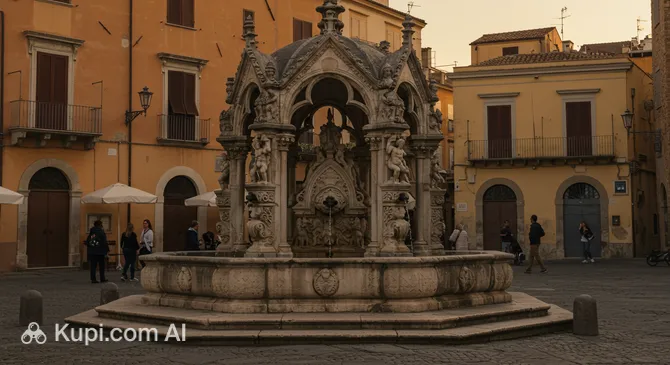
The undisputed symbol of the city is the famous Rosello Fountain. This late Renaissance architectural masterpiece was built by Genoese masters in the early 17th century. Located at the foot of the valley of the same name, the fountain impresses with its complex composition: it is decorated with statues representing the seasons and figures of river deities. For locals, it is not just a monument but an important piece of historical memory, recalling the times when water was the city's main treasure.

Fountain of Rosello. Illustration.
Source: Kupi.com AI

Traveler photos:

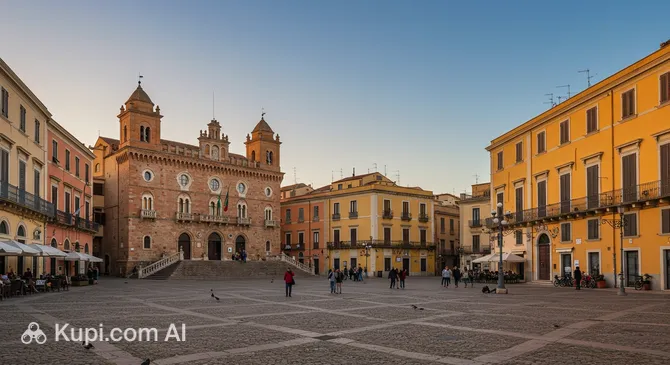
The heart of Sassari's social life is undoubtedly Piazza d’Italia. This spacious square, surrounded by majestic 19th-century buildings, serves as the city's main "living room." In the center stands a monument to King Victor Emmanuel II, and important administrative buildings line the perimeter, including the luxurious neoclassical Palazzo della Provincia. It is a pleasant place to simply stroll, admire the architecture, or pause for a moment to feel the rhythm of urban life.

The spiritual center remains the Cathedral of St. Nicholas. Its unique facade, crafted in the Spanish Baroque style, is richly decorated with carvings and sculptures, creating an incredible play of light and shadow. Inside, the cathedral houses numerous works of sacred art, and its bell tower is one of the dominant features of the city skyline. This site is a must-visit to appreciate the skill of ancient architects and the special atmosphere of majesty.

Another gem of religious architecture is the Church of St. Mary of Bethlehem. It is interesting for its eclectic appearance, which harmoniously combines elements of Romanesque and Gothic styles. This church plays a key role in the city's main holiday — the Faradda di li Candareri (Procession of the Candelieri) — serving as the final point of the solemn procession.

Local Cuisine

Sassari's gastronomic scene is a true paradise for foodies, where the traditions of Sardinian cuisine are revealed in all their diversity. Simple peasant recipes tested over centuries are just as popular as refined seafood delicacies. Local cuisine is famous for using the freshest seasonal products, making every dish truly special.

A culinary introduction to the city should begin with "zuppa gallurese". Despite its name, this is not a soup but a hearty bake made of layers of bread soaked in meat broth and melted cheese with herbs. Another point of pride for local chefs is fregola. These small balls of handmade pasta, similar to couscous, are usually served with clams or a thick meat sauce. Meat lovers must try "porceddu" — tender suckling pig roasted over coals until the skin is crispy.

No meal is complete without "pane carasau" — traditional Sardinian bread in the form of thin, crispy flatbreads that pair perfectly with olive oil and local cheeses, especially the famous Pecorino Sardo. Those with a sweet tooth will enjoy sebadas — large fried ravioli filled with young cheese and generously drizzled with bitter strawberry tree honey.

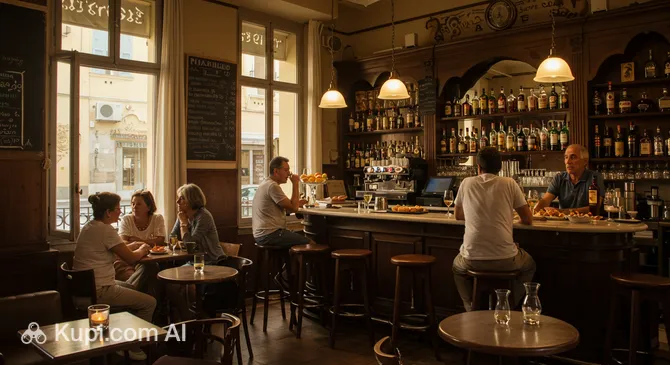
Il Vecchio Mulino. Illustration.
Source: Kupi.com AI

Traveler photos:

As for drinks, meals are traditionally accompanied by excellent local wines. Robust red Cannonau is perfect with meat, while refreshing white Vermentino complements seafood. As a digestif, locals often choose Mirto — a fragrant liqueur infused with myrtle berries — or Limoncello.

The dining culture in Sassari is very democratic. In the morning, you can grab street food like fragrant ricotta and spinach pastries, and in the evening, enjoy a leisurely dinner. To enjoy an authentic atmosphere and try classic dishes in a cozy setting, we recommend visiting the restaurant Il Vecchio Mulino. Also, don't miss the chance to visit the city markets, where you can taste and buy homemade sausages, cheeses, and olives directly from the farmers.

Travel Tips

Welcome to Sassari! To ensure your journey through Sardinia's northern capital is flawless and leaves only warm memories, we have prepared a list of useful recommendations to help you feel confident in any situation.

  1. Clothing and Seasonality. It gets hot in the city in summer, so choose clothes made of light natural fabrics, but be sure to bring a hat and sunglasses. In winter and the shoulder seasons, the weather is changeable and it often rains, so a waterproof jacket and an umbrella will come in handy. Since the historic center is paved with cobblestones, comfortable flat shoes are your best friend. When visiting active churches, observe the dress code: shoulders and knees should be covered.
  2. Transport. The historic city center is compact and best explored on foot. For trips to outlying areas, it's convenient to use ATP buses or the light metro line (Metropolitana leggera). If you plan to go to the beaches, renting a car is necessary, but be careful: there are limited traffic zones (ZTL) in the center where entry without a permit is prohibited and punishable by a fine. Park on the blue lines (paid) outside the old town.
  3. Finances. The currency is the Euro. Bank cards (Visa, Mastercard) are accepted in most restaurants and supermarkets, but always carry cash for small purchases at kiosks, markets, or for a cup of coffee in a bar. Tipping in Italy is not a strict obligation, as a service charge (coperto) is often already included in the bill, but leaving 1–2 euros or rounding up the bill is considered good manners.
  4. Health and Safety. Sassari is a safe city, but standard precautions apply: keep an eye on your bags in crowded places and at markets. Pharmacies are marked with a green cross; the schedule of on-duty pharmacies (open at night/on weekends) is usually posted on the door of any pharmacy. The emergency number is 112. Tap water is safe, but due to its specific taste, many prefer to buy bottled water.
  5. Communication. The primary language is Italian; locals also speak the Sassarese dialect. In hotels and large restaurants, staff speak English, but it may not be as useful in small shops. Download an offline translator and learn a couple of phrases: "Buongiorno" (good day) and "Grazie" (thank you) — this is very much appreciated by the locals. A SIM card can be bought at mobile shops (TIM, Vodafone, WindTre) with a passport; Wi-Fi is available in many public places.
  6. Local Etiquette. Always say hello when entering a shop or cafe. At food markets, it is strictly forbidden to touch fruits and vegetables with bare hands — ask the seller to weigh the item or put on disposable gloves, which are usually located near the counter. Also, respect siesta time: from 13:00 to 16:00, many shops close for a break.
  7. What to Avoid. Don't try to have dinner early: restaurants don't open for dinner until at least 19:30 or 20:00. And remember the unwritten rule: don't order a cappuccino after a heavy lunch or dinner — for Italians, this is exclusively a morning drink, and after a meal, they drink espresso (caffè) to improve digestion.
  8. Evening Ritual. Be sure to participate in the "passeggiata" — a traditional evening stroll. Before dinner, locals take to the streets, especially around Piazza d’Italia and Via Roma, for a leisurely walk to see and be seen and to chat with friends. This is the best way to feel the true rhythm of the city's life.

Sassari is a city with a soul that reveals itself to those who are ready to embrace its unhurried way of life and respect its traditions. By following these simple tips, you can avoid minor troubles and enjoy every minute of your stay in this authentic corner of Sardinia.

Entertainment & Nightlife

The nightlife in Sassari has its own unique charm. As a university city, it is filled with youthful energy, yet it maintains the relaxed atmosphere characteristic of Sardinia. You won't find massive, noisy mega-clubs like those in Ibiza here; instead, you'll discover many cozy bars, pubs, and elegant lounges where the fun continues late into the night. The main action begins with the traditional "aperitivo" ritual around 7:00 PM, when locals gather for a glass of wine or a cocktail before dinner.

The epicenter for evening strolls and meetings is always the historic center. The main focal points are Piazza d’Italia and its adjacent streets, such as Via Roma and Corso Vittorio Emanuele II. Most of the establishments where life bustles are concentrated here. The crowd is diverse, ranging from students occupying budget-friendly bars to elegantly dressed couples preferring more refined spots. The dress code in most places is casual, but for high-end venues, smart casual is recommended.

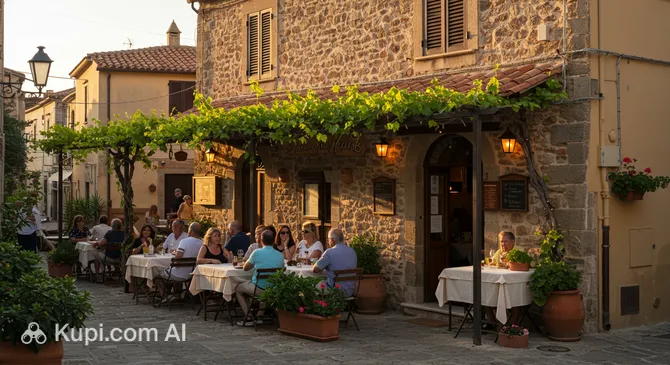
If you want to start your evening in a pleasant setting, stop by PanCafé. It is a popular spot among locals and tourists alike, where you can enjoy excellent coffee during the day or signature cocktails in the evening. The atmosphere is always friendly and conducive to conversation.

PanCafé. Illustration.
Source: Kupi.com AI

Traveler photos:

For lovers of gastronomic pleasures and a quiet evening, Il Giamaranto Restaurant is worth noting. This establishment is famous for its cuisine and cozy interior, perfect for a romantic dinner or meeting with friends before heading to a bar. In Sassari, it's customary to dine late, so restaurants usually fill up closer to 9:00 PM.

Practical Tips:

  • Prices: Sassari offers moderate prices compared to the resort coast. A cocktail in a bar will cost an average of 6–10 euros.
  • Safety: The city center is well-lit and safe for night walks. However, as elsewhere, it is best to avoid dark, deserted alleys on the outskirts and keep an eye on your belongings.
  • Transport: Public transport runs infrequently at night. If you stay out late, it's better to call a taxi. Taxi stands are located at Piazza d’Italia and near the station; you can also order a car by phone.

During the day, entertainment in Sassari takes on a more cultural character. The city is proud of its Teatro Verdi and the new Teatro Comunale, which regularly host opera productions, classical music concerts, and plays. The city also features modern cinemas and frequently hosts art exhibitions to diversify your leisure time.

Parks & Museums

Sassari offers its guests a harmonious blend of rich urban culture and cozy natural spots where you can catch your breath after sightseeing. The city carefully preserves its heritage in museum halls, while its parks serve as wonderful places to relax in the shade of Mediterranean vegetation.

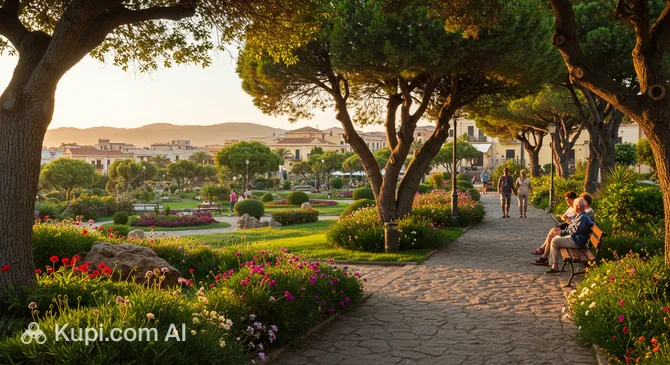
Among the city's green zones, Monserrato Park is considered a true gem. This historic park, located on the outskirts of Sassari, is a magnificent example of 19th-century landscape art. Here you can stroll through elegant alleys, admire ancient fountains and neoclassical architectural elements. It is an ideal place for a leisurely walk with the whole family or a romantic picnic surrounded by lush greenery.

Monserrato Park. Illustration.
Source: Kupi.com AI

Traveler photos:

In the very center of the city, near the university, are the Public Gardens (Giardini Pubblici). This is a popular meeting spot for locals, where you can seek shelter from the summer heat under the canopies of ancient trees. The gardens are decorated with sculptures and well-kept flower beds, creating an atmosphere of tranquility amidst the city bustle.

For those who want to dive deeper into the island's history, the "Giovanni Antonio Sanna" National Museum is a must-visit. It is the main museum of Northern Sardinia, housing an impressive collection of archaeological finds: from prehistoric times and the mysterious Nuragic civilization to the Roman period and the Middle Ages. The exhibition also includes a rich ethnographic section with traditional costumes and jewelry.

Art lovers should visit the National Gallery of Sassari (Pinacoteca Nazionale), located in a historic building on St. Catherine's Square. It features paintings by Sardinian and Italian masters, covering the period from the Middle Ages to the 20th century. The collection allows you to trace the development of the region's artistic traditions and see rare religious paintings.

If you're looking for non-touristy experiences, check out the "Sassari" Brigade Museum. It is dedicated to the history of the famous military unit but is interesting primarily as a cross-section of the island's social history and the patriotism of the locals. Also, we recommend simply peeking into the open courtyards of the old palazzos in the center — often true mini-gardens are hidden there, invisible from the street.

Getting Around

The public transport system in Sassari is compact, convenient, and managed by the company ATP. It is ideal for getting around the city if you don't want to rely on a car. The backbone of the transport network consists of buses and a light metro line, which allow you to reach almost any point in the city and the nearest suburbs.

The city's particular pride is the light metro (Metropolitana leggera), which locals often simply call the "tram." This is a modern ground-level line connecting the railway station with the historic center (Emiciclo Garibaldi square) and peripheral districts. A ride on this tram is not only a quick way to bypass traffic jams but also an opportunity to enjoy views of the city from the window. The cars run regularly, providing a stable connection between key points.

The bus network covers areas where the metro does not reach. Buses run frequently, but it's worth noting that intervals may increase on weekends and holidays. Schedules can be found at stops or in online apps. For tourists, the routes passing through the center and connecting it with large shopping centers and parks are the most useful.

The fare payment system is unified for buses and the metro. The most popular option is a single ticket valid for 90 minutes from the moment of validation. You can purchase tickets at newsstands (edicola), tobacco shops (Tabacchi) marked with a "T", or through the ATP Sassari mobile app, which is especially convenient for travelers. Remember that drivers usually do not sell tickets, so take care of your fare in advance.

An important detail for tourists: ticket validation is mandatory immediately upon entering the vehicle. Fines for traveling without a ticket or an unvalidated one are quite high, and inspectors work regularly. If you plan to move around a lot during the day, it's more economical to buy a day pass.

As an alternative to public transport, you can use a taxi. It is not customary to hail cars on the street; it is better to look for them at special stands (for example, at the station or at Piazza d’Italia) or call by phone. For independent trips outside the city, renting a car is popular; however, in the historic center itself, with its narrow streets and limited traffic zones (ZTL), a car can be a burden, as many attractions are within walking distance.

Accommodation

Sassari offers travelers a variety of accommodation options that differ from the typical resort hotels found on the coast. As a major administrative and university center, the city is dominated by urban hotels, cozy bed and breakfasts (B&Bs), and rental apartments. There are fewer massive hotel complexes with swimming pools, but plenty of intimate spots that allow you to experience the atmosphere of real Sardinian life.

When choosing an area to stay, consider the purpose of your trip. The historic center is perfect for those who want to be within walking distance of the main attractions and immerse themselves in medieval charm. However, keep in mind that many areas are pedestrian-only, and driving right up to the entrance can be difficult. If you are traveling by car, it is more convenient to stay in the modern part of the city (for example, in the Via Roma or Corso Italia areas), where it is easier to find parking and access the highways. For nature lovers and those seeking peace, "agriturismi" — farmhouses in the nearby countryside — are an excellent option, offering an authentic experience and delicious home-cooked food.

Accommodation prices in Sassari are generally more affordable than in the popular resorts of the Coral Coast or Costa Smeralda. Here, you can find everything from budget options in hostels or small B&Bs to comfortable rooms in mid-range hotels and elegant boutique hotels. The cost of living varies depending on the season but remains accessible for most tourists.

Although the city is not a beach resort, demand for accommodation increases significantly during the summer season (especially in July and August) due to the influx of tourists exploring northern Sardinia. Therefore, we strongly recommend booking your accommodation in advance, preferably several months before your trip. For searching and booking, it is most convenient to use popular online platforms where you can read reviews and compare prices, although some small guesthouses also accept direct bookings.

Nearby Cities

For those wishing to explore the surrounding area, Sassari serves as an excellent starting point for day trips to several interesting nearby locations. Thanks to its convenient location in the northwestern part of the island, you can easily reach picturesque coasts, historic ports, and mountain settlements, each with its own unique character.

Just 27 km from the city is Alghero, often called "Little Barcelona." It is one of Sardinia's most beautiful cities, having preserved a strong Catalan influence in its architecture, language, and cuisine. Stroll along its famous fortress walls at sunset, explore the narrow cobbled streets of the historic center, or take a boat trip to the impressive Neptune's Grotto.

Even closer, only 18 km away, lies Porto Torres — an ancient Roman port and a popular spot for summer vacations. Here, it's worth visiting the majestic Romanesque Basilica of San Gavino, one of the largest on the island, and exploring the archaeological park with the ruins of the Roman city of Turris Libisonis. Sea lovers will appreciate the picturesque Balai beach with its turquoise waters and rocky shores.

If you are interested in the authentic culture of the interior, head to Nuoro (about 79 km away). This city, located at the foot of Mount Ortobene, is considered the heart of Sardinian traditions. Here you can visit excellent ethnographic museums, learn about the life of Nobel laureate Grazia Deledda, and enjoy panoramic views of the wild mountain landscapes of Barbagia.

CityPopulationDistance
Sorso14 8268 km
Ittiri8 54115 km
Porto Torres22 36718 km
Alghero43 96427 km
Ozieri10 57541 km

These nearby destinations provide insight into the diverse culture and landscapes of the region, making your journey through northern Sardinia even more rewarding and memorable.

Shopping & Souvenirs

Shopping in Sassari is an exciting journey where modern trends intertwine with centuries-old craft traditions. As Sardinia's second-largest city, it is the main commercial center for the northern part of the island. You won't find the hustle and bustle of huge metropolises here, but you can enjoy leisurely strolls through boutiques, discovering unique local goods that cannot be bought anywhere else in the world.

The heart of the city's commercial life is the streets of the historic center. Start your route from the central Piazza d’Italia. From here, the main shopping arteries diverge: Via Luzzatti and Via Roma, where clothing, shoe, and accessory stores of famous Italian and international brands are concentrated. For those looking for a more authentic atmosphere, turn onto Corso Vittorio Emanuele II. This street is famous for its old shops where you can find everything from traditional sweets to jewelry.

If you prefer the comfort of large shopping complexes, Sassari has several excellent options. One of the most popular places is the Porte di Sassari Shopping Center. This is a modern mall with a huge selection of mass-market brands, electronics, and home goods, as well as a large supermarket. Another important point on the shopaholic's map is Galleria Tanit, located near the center, which also offers a wide range of brands and convenient parking.

To get a real taste of local life, be sure to visit the Civic Market (Mercato Civico). It's not just a place of trade, but a true gastronomic attraction. Here, farmers from across the province sell the freshest vegetables, fruits, seafood, and meat. It's the perfect place to buy local delicacies at great prices and chat with vendors who proudly talk about their products.

The choice of souvenirs in Sassari is vast, and the emphasis should be on the work of local artisans:

  • Ceramics: Brightly painted Sardinian-style plates and pitchers will decorate any home.
  • Textiles: Look for handmade rugs, tablecloths, and lace with traditional geometric patterns.
  • Cork: Sardinia is one of the main suppliers of cork, so many products are sold here made from this material: from coasters to bags.
  • Food and Wine: The best gifts are Pecorino cheese, thin "pane carasau" bread, olive oil, and a bottle of red Cannonau wine or Mirto liqueur.
  • Jewelry: Exquisite items made of gold and silver filigree, often using red coral.

When planning your shopping trip, keep typical Italian hours in mind. Most small shops and boutiques in the center are open from 09:00 or 09:30 until 13:00, then close for a siesta, reopening around 16:30 or 17:00 and working until 20:00. Large shopping centers and supermarkets usually work without a lunch break and are open until 21:00. On Sundays, many small shops are closed, although malls may remain open.

Bank cards are widely accepted in Sassari, but cash euros will be useful for purchases at the market or in small souvenir shops. Tourists from non-EU countries can use the Tax Free system when purchasing goods over a certain amount (usually from 70 euros) in stores marked with the corresponding logo. Don't forget to ask for a special form at the checkout and present your passport to get a tax refund when flying out of the country.
Reached the end of the page?

That means the route is fully explored