Support

Port Antonio

About

Port Antonio is a true tropical oasis where time seems to slow down. Unlike the noisy and crowded resort areas, this city has preserved its pristine charm, atmosphere of seclusion, and a special, relaxed rhythm of life. If you dream of seeing the real, non-touristy Jamaica, this region will reveal its most picturesque side to you. It is a place where dense emerald jungles sweep right down to the turquoise waters of the Caribbean Sea, creating landscapes of incredible beauty.

The city is nestled at the foot of scenic mountains on the island's northeast coast. With a population of about 15,000, it remains a quiet and cozy corner, free from the bustle of metropolises, yet serves as an important center for the parish of Portland. The climate here is humid and warm, which explains the incredible riot of vegetation: the air is filled with the scents of exotic flowers, and the surrounding forests are full of life.
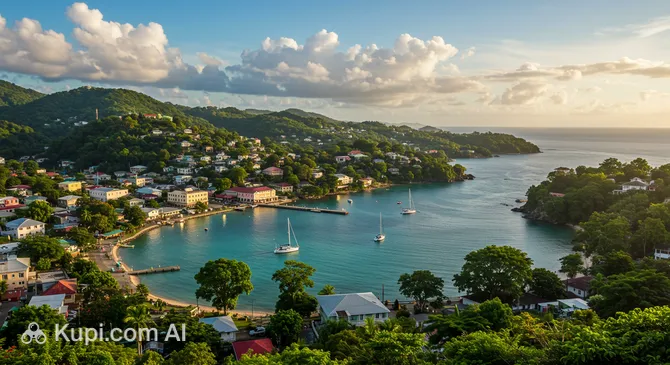
Port Antonio. Illustration.
Source: Kupi.com AI

Despite its modest size, the city boasts a rich heritage. Walking through the streets, you can notice traces of the former greatness of the "banana boom" era, when this port was one of the most prosperous in the Caribbean. The fascinating history of Port Antonio is captured in the architecture of old mansions and colonial buildings, which today harmoniously coexist with modern cafes and boutiques, giving the city a unique charm.

Travelers are drawn here primarily by unique natural wonders. It is home to the legendary Blue Lagoon, whose waters change color from turquoise to deep sapphire, and the famous Frenchman's Cove beach, where a cool freshwater river flows into the warm sea. Adventure seekers never miss the chance to go on traditional rafting down the Rio Grande River on bamboo rafts—an activity that has become the region's signature attraction.

Port Antonio is the perfect choice for romantics, nature lovers, and those seeking peace of mind. Come here to forget your worries, enjoy the sound of the surf, immerse yourself in local culture, and taste authentic island cuisine in an atmosphere of total relaxation.
Weather Overview

The climate of Port Antonio is an eternal summer with a mild tropical character. Due to its location on the windward side of the island, it receives a significant amount of rainfall, turning the surroundings into a true botanical garden full of lush greenery.

The temperature regime here is surprisingly stable and comfortable. The "coolest" months are January and February, when the average temperature is about +23.5°C, and at night the thermometer rarely drops below +22°C. In summer, from June to August, it gets hotter: average figures rise to +26.7°C, and during the day the air warms up to +28.6°C. These are ideal conditions for beach holidays and walking, as exhausting heat is rare here.

A characteristic feature of the local weather is regular rain. The number of days with precipitation varies from 19 in March to 28 in October, which is considered the wettest month. Expect warm weather year-round with high humidity and frequent, but often short-lived, tropical showers.

To choose the best time for your visit and pack your suitcase correctly, you'll find the detailed weather in Port Antonio with monthly forecasts very useful.

Average monthly temperature

Average monthly precipitation

Interesting Facts

Beyond its main attractions, Port Antonio holds many fascinating secrets and historical curiosities. This city played an unexpectedly important role in the global economy and high society of the last century, leaving behind a legacy full of legends.

  • Birthplace of the banana business: The city is considered the cradle of the "banana boom" in Jamaica. It was from here in the late 19th century that Captain Lorenzo Dow Baker began the first mass shipments of bananas to the US and Europe. This export breakthrough turned a quiet fishing village into one of the richest and busiest ports in the Caribbean, rivaling the capital in importance at the time.

  • A star-studded sanctuary: Port Antonio became the island's first true resort, opening it up to international glamour long before Montego Bay. In the mid-20th century, Hollywood stars and aristocrats flocked here. The most famous resident was actor Errol Flynn, who acquired significant holdings here. It is said that he introduced the fashion for bamboo rafting, which was originally used only for transporting crops.

  • The magic of the Blue Lagoon: One of the region's main natural gems is surrounded by a mystical aura. For a long time, locals believed that the Blue Lagoon was bottomless and inhabited by dragons. In reality, its depth reaches an impressive 60 meters. The water here is unique because it is a mixture of warm sea currents and icy underground springs; the location gained worldwide fame after the filming of the eponymous 1980 movie.

  • The legend of the "Salty Mansion": The ruins of the Folly Great House are a monument to an architectural mistake and a romantic tragedy. According to urban legend, during the construction of this luxury home, sea water was mistakenly (or due to haste) used in the cement instead of fresh water. This caused the steel structures to rust and the concrete to crumble almost immediately after completion, turning the grand mansion into picturesque ruins.

How to Get There

Getting to this secluded corner of Jamaica is a small adventure in itself, rewarded with incredible views. Since the city itself does not have a major air hub, travelers usually fly into one of the island's international airports and then continue their journey along scenic roads. You can find out more about how to get to Port Antonio by exploring all available routes and modes of transport.

There is no airport in the city of Port Antonio itself, so the most convenient option is to fly into Norman Manley International Airport (IATA: KIN), located in the nation's capital, Kingston. It is about 44 km from Port Antonio. Despite the seeming proximity, the road runs through winding mountain passes, so the trip by taxi or transfer will take about 1 hour and 30 minutes. This is the fastest way to get there.

The most popular choice for tourists arriving on charter flights is Sangster International Airport (IATA: MBJ) in Montego Bay. This is the country's largest air hub with high passenger traffic. However, it is located significantly further away—at a distance of about 159 km from Port Antonio. The journey from here will take much longer: expect to spend about 4.5 hours on the road by taxi or bus, enjoying the views of the north coast.

It is also worth considering the regional Boscobel Airport (IATA: OCJ), located in the resort town of Ocho Rios, about 60 km from the destination. This is a small airport primarily serving private and small commercial flights. The travel time from there to Port Antonio is about 1 hour and 50 minutes.

For convenience, here is a summary of the main airports:

AirportPassenger trafficDistance
Norman Manley International Airport1.8 mln44 km
Boscobel16 00060 km
Sangster International Airport5.2 mln159 km
Antonio Maceo Airport2.7 mln209 km
Sierra Maestra Airport243 km

The railway network on the island is not developed for passenger travel, and there are no active train stations in Port Antonio. The main way to move between cities remains the road network. Tourists often use comfortable express buses (such as Knutsford Express) or rent a car to have the freedom of movement and stop at beautiful spots along the way.

Main Attractions

Port Antonio is famous not so much for man-made monuments as for its incredible natural wonders that attract travelers from all over the world. Here you can find secluded beaches, mystical lagoons, and picturesque waterfalls hidden in lush tropical forests.

The main jewel of the region is rightfully considered the Blue Lagoon, which became world-famous after the release of the film of the same name. This picturesque bay, surrounded by high green hills, features water that amazes with its ability to change color from turquoise to deep sapphire throughout the day. The lagoon reaches a depth of 56 meters, and its waters are a mix of warm Caribbean Sea currents and cool flows from underground mineral springs.

No less famous is Frenchman's Cove—one of the most photographed places in Jamaica. Its uniqueness lies in the fact that a freshwater river flows directly into the Caribbean Sea here, creating an idyllic scene. Visitors can swim in both the calm river waters and the salty sea water on a small but perfect beach with soft golden sand.

For active holiday enthusiasts, a mandatory part of the program is bamboo rafting on the Rio Grande. This traditional Jamaican pastime, popularized by actor Errol Flynn, is a leisurely two-to-three-hour float down a calm river surrounded by dense jungle. The raft is navigated by a local guide who tells stories about the surroundings and local flora and fauna.

Hidden deep in the John Crow Mountains is another treasure—Reach Falls. This is a cascade of waterfalls flowing into emerald natural pools where you can swim. The path to them lies through a tropical forest, and the bravest can explore underwater caves and stand under the powerful jets of water. This place was discovered by slaves seeking refuge in the mountains.

Local Cuisine

The gastronomy of Port Antonio is a vibrant celebration of taste, where Caribbean traditions intertwine with the gifts of a generous nature. This region of the Portland parish is considered the true cradle of the famous Jamaican jerk style of cooking. Meat, most often chicken or pork, is marinated in a fiery blend of spices including allspice, nutmeg, and Scotch bonnet peppers, then slowly smoked over pimento wood coals. Trying this dish here, in its historical homeland, is a must for any foodie.

In addition to meat delicacies, the local cuisine is famous for its fresh seafood. On the menus of cafes and restaurants, you will surely find fish stewed in coconut milk with vegetables, and the national dish of the country—ackee and saltfish. When cooked, the ackee fruit resembles a delicate omelet, creating a surprising and hearty combination with the fish. Traditionally, this dish is served for breakfast, often accompanied by roasted breadfruit or boiled green bananas.

Street food in Port Antonio is a separate chapter of the gastronomic journey. Walking through the city, it is impossible to resist the aroma of patties—golden flaky pastries filled with beef, chicken, or vegetables. Also popular are "festivals" (sweet fried dough sticks) and fried plantains. For dessert, you should buy exotic fruits: sweet mangoes, papayas, or guavas can be found directly from local farmers and at market stalls.

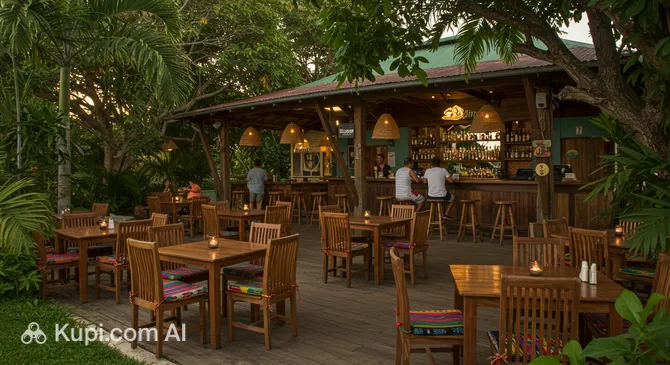
Roots 21 Bar & Kitchen. Illustration.
Source: Kupi.com AI

Traveler photos:

The choice of places to eat ranges from simple roadside grills to atmospheric venues. If you are looking for a combination of excellent cuisine and a pleasant setting, visit Roots 21 Bar and Kitchen. This place is popular for its quality service and delicious menu, which includes seafood. For those who want to combine dinner with cocktails and a livelier atmosphere, Di Hip Strip Ultra Lounge is suitable, offering both local and international dishes.

As for drinks, the famous Jamaican rum takes the top spot, enjoyed neat or in cocktails like rum punch. To refresh on a hot day, natural tropical fruit juices or cold coconut water, sold directly in the nuts on the city streets, are ideal.

Travel Tips

Traveling to Port Antonio is an immersion into the greenest, rainiest, and most authentic part of Jamaica. To ensure your holiday in this tropical paradise is as comfortable as possible and free of unexpected surprises, we have prepared a list of important practical recommendations considering the region's specifics.

  1. Clothing and Climate: Portland is the island's wettest parish, so a light raincoat or compact umbrella is a must in any season. Choose clothing made of natural, breathable fabrics (cotton, linen) because the humidity is very high. For visiting Reach Falls and the beaches, be sure to bring water shoes—the bottom can be rocky and slippery.

  2. Transport: There are no standard services like Uber in the city. The most accessible way to get around is by route taxis with red plates (Red Plates). This is legal and safe transport that works on a "pick-up" basis. If you plan to rent a car, remember: driving is on the left, and mountain roads are narrow and winding, often with potholes, so confident driving experience is required.

  3. Finances: Port Antonio is a cash city ("Cash is King"). Unlike major resorts, terminals are not available everywhere. Be sure to carry Jamaican dollars in small denominations for taxis, street food, and market souvenirs. ATMs are available in the city center, but they may not work or may run out of cash on weekends, so withdraw money in advance.

  4. Health and Safety: Tap water is considered relatively safe, but tourists are advised to drink bottled water. The main annoyance is mosquitoes, especially at sunset and in the forest, so always carry repellent. The city is safe, but do not display expensive jewelry or walk alone on unlit streets at night.

  5. Communication: The official language is English, but locals speak a dialect called Patois, which can be difficult to understand. Phrases like "Wah gwaan" (How's it going?) or "Irie" (Everything's great) will help break the ice. Wi-Fi is available in most hotels and cafes, but for reliable connection, it's better to buy a local SIM card (Digicel or Flow) at a service center in the city center.

  6. Local Etiquette: Jamaicans highly value politeness. It is customary to greet sellers, drivers, and passersby ("Good morning/afternoon"). Do not take photos of people without their permission—this is considered rude. And remember the concept of "island time": service can be leisurely; do not rush the staff, just relax and embrace the rhythm.

  7. What to Avoid: It is strictly forbidden to wear camouflage print clothing (even if it's just a cap or shorts). In Jamaica, this is the prerogative of the military and police, and such items may be confiscated. Also, avoid buying illegal substances from street vendors despite stereotypes—this can lead to serious legal problems.

  8. Useful Tip: Buy a reliable waterproof case for your phone and money. Port Antonio's main activities are water-related—river rafting, swimming in the Blue Lagoon, or under waterfalls. With a waterproof case, you can take stunning photos directly from the water without worrying about your gadgets.

Port Antonio does not tolerate rush and haste. By following these simple tips, you can avoid minor domestic inconveniences and focus entirely on the main thing—enjoying the incredible nature and unique atmosphere of the real Jamaica.

Entertainment & Nightlife

Nightlife in Port Antonio differs significantly from the loud parties of Montego Bay or Negril. Here you won't find massive nightclubs with laser shows and crowds of tourists. The local atmosphere is a relaxed vibe, with reggae and dancehall rhythms drifting from open-air bars, and cozy venues where locals and travelers mingle as equals. Evening here is a time for soulful conversations over a glass of rum and enjoying the Caribbean cool.

The epicenter of evening activity can be found in the harbor area and the city's central streets, such as West Street and William Street. This is where, along with the waterfront, small bars and pubs are concentrated. The style of most venues is "casual": there is no strict dress code, and you will feel perfectly comfortable in shorts. The crowd is very diverse but invariably friendly.

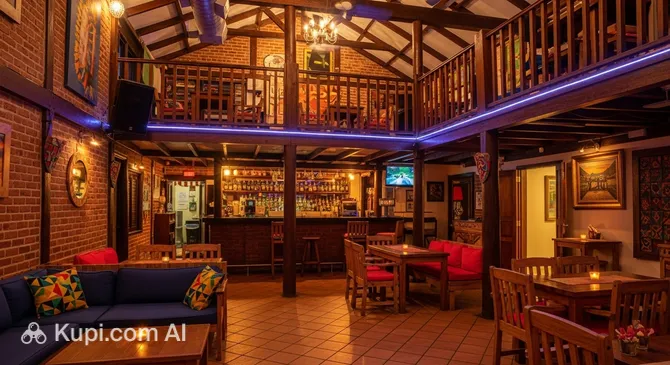
Di Hip Strip Ultra Lounge. Illustration.
Source: Kupi.com AI

Traveler photos:

If you are looking for a place to dance and feel the city's modern rhythm, check out Di Hip Strip Ultra Lounge. This popular spot attracts guests with its energetic atmosphere, good selection of drinks, and modern music. It’s a frequent gathering place for young people to have a fun and lively time.

For a quieter start to the evening, Roots 21 Bar and Kitchen is an excellent choice. This place is famous not only for its food but also for its great bar. Here you can try classic Jamaican cocktails and enjoy seafood in a pleasant setting before heading out to explore the city's night streets.

Practical tips for night owls:

  • Opening hours: Bars usually open closer to sunset and stay open until the last customer or until 1-2 AM. Peak activity occurs on weekends, especially Friday and Saturday.
  • Safety and transport: Port Antonio is considered a safe city; however, it is not recommended to walk alone in dark alleys outside the center at night. Route taxis are rare at night, so arrange a "charter taxi" with a driver in advance to pick you up, or ask the bar staff to call a car for you.
  • Prices: Drink prices here are lower than in the major resorts. Local Red Stripe beer and rum are available at very affordable prices. Most bars only accept cash (it's better to have Jamaican dollars).

As for daytime entertainment, in Port Antonio, it is inextricably linked with nature. Instead of indoor theaters and museums, the tropical forests and seascapes "perform" here. You can spend the day exploring the surroundings of the Errol Flynn Marina, where it's pleasant to walk and look at the yachts, or visit local art galleries, often located at hotels and guesthouses, offering a glimpse into the work of Jamaican artists.

Parks & Museums

Port Antonio is that rare case where the city itself and its surroundings can be called a vast open-air museum. You won't find boring halls with dusty exhibits here; instead, the region's cultural and natural heritage is woven into the everyday life of the streets, the architecture of colonial mansions, and the riot of tropical gardens. Jamaica in this part of the island demonstrates its history through legends and landscapes.

While there are no large-scale urban parks in the center in the conventional sense, the role of main green zones is played by nature reserves and gardens in the immediate vicinity of the city:

First of all, it's worth visiting Athenry Gardens. This botanical park is located on the Nonsuch estate. A walk here is an immersion into the world of exotic flora: you will see giant palms, rare orchid species, and bamboo groves. The gardens serve as the "green gateway" to the Nonsuch Caves, where ancient stalactites and fossils can be seen, but it is the above-ground part of the complex that attracts lovers of peace and quiet.

Another important natural area is the Titchfield Peninsula. Although it is a residential historic district, it is steeped in greenery and surrounded by the sea on two sides. Walking through its shaded alleys, you can enjoy views of the harbor and feel the atmosphere of old England in the tropics. It is an ideal place for a leisurely promenade where architecture harmoniously coexists with century-old trees.

In terms of museums, Port Antonio focuses on living history and architecture rather than traditional exhibitions:

The city's main historical monument is considered to be Fort George. Built in 1729 to protect against Spanish invasion and pirates, it is located on the tip of the Titchfield Peninsula. Today, powerful stone walls and old cannons aimed at the Caribbean Sea remain from the formidable bastion. Currently, Titchfield High School is located on the fort's grounds, but tourists can inspect the external fortifications and admire the city panorama.

No less impressive are the Folly Ruins. These are the remains of a grand mansion built in the early 20th century by a wealthy American. Legend has it that the house began to crumble almost immediately after construction because the cement was mixed with sea water. Today, these picturesque ruins, overgrown with ivy and trees, are a surreal sight and serve as a great backdrop for photos, reminding us of the fragility of human ambition before the forces of nature.

Art lovers should check out the small private art galleries and studios often found at boutique hotels or in the city center. Here, local artists exhibit vibrant paintings in the "naive art" style, wood carvings, and ceramics reflecting the spirit of Rastafarianism and island life.

Insider Tip: If you want to see something special, take a walk to the Folly Point Lighthouse, located near the ruins. This spot is rarely visited by organized tour groups. The lighthouse, built in 1888, towers over the rocky shore, and from here opens perhaps the most peaceful view of the ocean, especially at sunset when you can watch the fishing boats returning.

Getting Around

The public transport system in Port Antonio is significantly different from what city dwellers are used to. Here you won't find subways, trams, or strict trolleybus schedules. The city lives at its own relaxed pace, and the transport network fully reflects this lifestyle: it is chaotic and colorful, yet surprisingly efficient and inexpensive.

The primary means of transport for locals and tourists are Route Taxis. These are usually passenger cars, most often white station wagons, that run along specific routes. Their main distinguishing feature is red license plates (Red Plates). This is a sign that the operator is licensed and insured. The cars pick up and drop off passengers anywhere along the route, operating on a "shared taxi" principle.

For trips over longer distances or to neighboring cities, mini-vans (Coaster Buses) are used. They accommodate more people and often depart from the main transport square in the city center only after the cabin is full. Riding in such a bus is a distinct cultural experience, often accompanied by loud reggae music and lively passenger conversations.

The payment system here is extremely simple and conservative: cash only. No transport cards, apps, or validators exist. Payment is made to the driver upon exit or to the conductor (on buses) during the journey. It is crucial to have small denominations of local currency, as the driver may not have change for large banknotes. The fare for route taxis is fixed by the government for each segment of the journey and is very affordable.

If you want more comfort and privacy, there are Charter Taxis. Unlike route taxis, they take only you to your specific address. You must strictly negotiate the price of the trip before getting into the car. Car rental is also a popular service, but remember that driving here is on the left, and roads can be narrow and winding, requiring confident driving skills.

To navigate the city, a few practical tips will be useful for tourists. To stop a route taxi, simply wave your hand from the side of the road—there are often no designated stops. Transport runs actively during daylight hours, but after sunset (around 7:00–8:00 PM), traffic intensity drops sharply, so for late returns, it's better to arrange a private driver in advance. And the main safety rule: only get into cars with red plates.

Within the center of Port Antonio itself, many attractions and shops are within walking distance, so walking is often the best alternative to transport. Bicycle rental is poorly developed in the city due to the terrain and traffic specifics, so don't count on a bike as your primary mode of transport.

Accommodation

Accommodation in Port Antonio differs significantly from the standard "all-inclusive" format typical of other popular Jamaica resorts. Here you won't find high-rise hotel complexes blocking the horizon. Instead, the region offers more intimate and atmospheric options: from cozy family guesthouses and eco-lodges tucked away in the jungle to luxury private villas favored by international celebrities.

When choosing a place to stay, you should be guided by your plans. If proximity to city infrastructure, historic streets, and budget cafes is important to you, choose accommodation in the Titchfield Hill area or directly in the city center. However, most tourists prefer to stay east of the city, in the San San and Fairy Hill areas. This is where, along the coast, the most picturesque villas and hotels are concentrated, within walking distance of the main beaches like Frenchman's Cove and the famous Blue Lagoon.

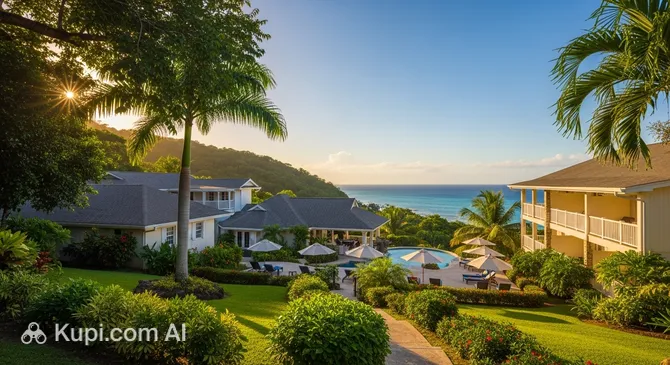
As the region is famous for its nature, the concept of eco-friendly vacationing is popular here. A clear example of this approach is the Bay View Eco Resort & Spa. This hotel is located on an elevation, offering panoramic views of the surroundings. It is an excellent choice for those seeking peace and harmony with the environment without sacrificing modern comfort and wellness treatments.

Bay View Eco Resort & Spa. Illustration.
Source: Kupi.com AI

Traveler photos:

Price Range and Booking:

  • Budget Segment: Small guest houses and hostels offer overnight stays at affordable prices, often with a homely atmosphere.
  • Mid-Range: Boutique hotels and eco-resorts provide excellent service and unique design at a reasonable cost.
  • Luxury: Renting private villas with staff (chef, housekeeper) is a signature of Port Antonio, but also the most expensive accommodation option.

For booking accommodation, it is convenient to use popular international online platforms; however, many private villas and small lodges have their own websites and accept direct bookings. Important tip: Port Antonio is a popular destination for "escaping civilization," so during the high season (December to April), the best options, especially villas with sea views, are booked several months in advance. Plan your trip early to guarantee your spot in this tropical paradise.

Nearby Cities

For those who want to explore the surroundings, Port Antonio serves as an excellent starting point for day trips to several interesting nearby locations:

First and foremost is the nation's capital—Kingston. Although it is geographically quite close, the journey through the scenic Blue Mountains takes some time, but it is well worth it. This is the island's cultural and economic center, where you can visit the famous Bob Marley Museum, stroll through the historic Devon House mansion, and feel the true rhythm of Jamaican life, so different from the quiet of Portland.

History buffs will enjoy a visit to Spanish Town. This is the former capital of Jamaica, which has preserved the spirit of the colonial era. The city is famous for its architecture, including the oldest Anglican cathedral in the Caribbean and a magnificent Georgian square surrounded by historic buildings.

Although Montego Bay is located much further away, it remains a popular destination for those who want to compare the seclusion of Port Antonio with the lively atmosphere of the island's main tourist hub. People come here for the famous beaches, active shopping, and diverse nightlife.

CityPopulationDistance
Morant Bay10 00033 km
Port Morant11 53634 km
Half Way Tree96 49440 km
Kingston580 00042 km
Port Maria7 90651 km

These nearby destinations provide a great overview of the region's diverse culture and landscapes.

Shopping & Souvenirs

Shopping in Port Antonio is significantly different from the typical shopping trips in large tourist centers like Montego Bay. Here you won't find huge duty-free megamalls or endless rows of luxury brands. Instead, the city offers an authentic experience: small shops, colorful markets, and cozy art galleries. It is an ideal place for those seeking unique handmade products, local items, and goods with a real Jamaican character rather than mass-produced souvenirs.

The heart of the city's commercial life is the area around the main square and the harbor. One of the most notable locations is the Village of St. George. This is a shopping arcade with stunning architecture that combines European, Jamaican, and Moorish styles. Here, amidst beautiful facades, are small boutiques where you can find quality clothing, books, and original gifts. A walk through this area provides aesthetic pleasure even without making a purchase.

There are no major shopping centers in the traditional sense in Port Antonio. However, it is worth mentioning Royal Mall—a small shopping complex housing stores with clothing, shoes, electronics, and basic necessities. This place is geared more toward locals, but tourists can stop by to buy beach gear or restock on travel essentials at reasonable prices.

The true soul of the city is Musgrave Market. This place is a must-visit, even if you don't plan on buying anything. The market is a bubbling cauldron of colors and aromas: farmers sell the freshest exotic fruits and vegetables, while artisans display their crafts. It is the best place to find woven baskets, wood carvings, beaded jewelry, and to chat with locals, feeling the real rhythm of life in Jamaica.

When choosing souvenirs, pay attention to the region's gastronomic brands. Since Port Antonio is near the Blue Mountains and is the home of jerk, you should consider bringing back:

  • Jerk Spices and Sauces: Authentic seasonings for meat that will allow you to recreate the taste of Jamaican cuisine at home.
  • Blue Mountain Coffee: One of the most expensive and delicious coffee varieties in the world is grown nearby.
  • Rum: A bottle of Appleton Estate or local white rum makes an excellent gift.
  • Wood Carvings: Local carvers create stunning figurines and masks from cedar and mahogany.

Most shops in Port Antonio are open from Monday to Saturday, usually from 9:00 AM to 5:00 PM. On Sundays, many shops, especially smaller ones, are closed, though some souvenir spots may be open. Major stores and hotels accept credit cards (Visa, MasterCard), but at the market, street stalls, and in taxis, you will need cash. It's best to have Jamaican dollars on hand, although US dollars are also widely accepted, though the exchange rate may not be the most favorable.

The Tax Free (tax refund) system exists in Jamaica, and some stores with an "In-Bond" license offer duty-free goods (jewelry, watches, perfumes). However, there are significantly fewer such shops in Port Antonio than in large cruise ports. If you make an expensive purchase in a specialized boutique, be sure to check with the seller about the possibility of processing the purchase tax-free by presenting your passport and return ticket.

Reached the end of the page?

That means the route is fully explored