Support

Negril

About

Negril is a true gem of the west coast, where Jamaica reveals its most relaxed and sunny side. Nestled right by the Caribbean Sea, about 80 kilometers from Montego Bay, this town is famous for its stunning sunsets and unique atmosphere of serenity.

Negril. Illustration.
Source: Kupi.com AI

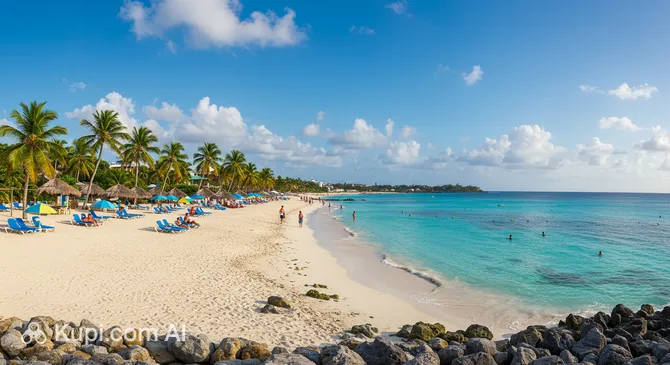
Geographically, the resort is stretched along the legendary Seven Mile Beach, which is considered one of the island's main calling cards. Despite having a permanent population of only about 4,000 people, Negril is a world-class resort. This intimacy gives it a special charm: there is no metropolitan hustle, but there is a sense of comfort and seclusion, making every guest feel at home.

Although the modern rhythm of life here is an eternal celebration with music and dancing, Negril's history shows an interesting path of development from a quiet fishing area to a popular tourist center. The town administratively belongs to the parishes of Westmoreland and Hanover, offering travelers an ideal combination of comfortable relaxation and acquaintance with authentic culture.

People come here to try exotic local dishes, participate in lively parties, or simply enjoy the azure waters and dazzling white sand. Negril is a place you want to return to again and again to once more feel the magic of the Caribbean coast.

Weather Overview

The weather in Negril is the embodiment of eternal summer, making the resort attractive to tourists year-round. The climate here is tropical, mild, and warm, without sharp temperature changes. Average thermometer readings consistently stay in a comfortable range of 26–28°C, only occasionally rising above 30°C in the summer months or dropping to 24°C on cool nights.

The year is roughly divided into dry and wet seasons. The driest period lasts from December to March: in January and February, there is only about 1 mm of precipitation, and the number of rainy days is minimal (5–7 days). The rainy season begins in May, peaking in October (up to 22 rainy days). However, don't let the statistics scare you: tropical downpours are usually intense but short-lived, quickly replaced by bright sun that refreshes nature.

Expect consistently hot weather throughout the year with periodic downpours in summer and autumn, and dry, sunny days in winter. To choose the ideal dates for your trip, we recommend studying the detailed monthly weather in Negril in advance.

Average monthly temperature

Average monthly precipitation

Interesting Facts

In addition to its recognized status as one of the best resorts in the Caribbean, Negril holds many fascinating stories and traditions that create its unique atmosphere. Here are a few curious facts that will let you look at this town from a new perspective:

  • In the 1970s, Negril became a true "promised land" for hippies from all over the world. The town became famous for its atmosphere of absolute freedom, love, and creativity. This spirit of serenity remains here to this day, and locals fondly remember the times when the resort was a modest fishing village that became home to the "children of flowers."

  • The legendary Seven Mile Beach has been repeatedly recognized as one of the best beaches in the world thanks to its dazzling white sand. This cinematic landscape attracts not only tourists but also celebrities, photographers, and directors who choose the coast as a backdrop for filming.

  • There is a beautiful local legend associated with watching the sunsets, which are considered some of the most picturesque in Jamaica. They say that if you make a wish at the famous Rick’s Cafe at the exact moment the sun disappears behind the horizon, it will surely come true. This is also where daredevils perform spectacular acrobatic dives into the water from high cliffs.

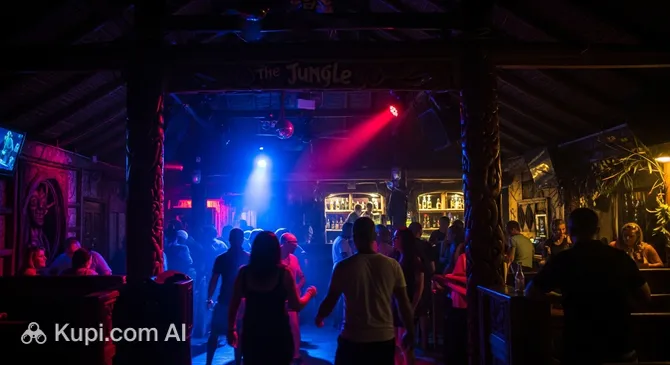
  • Music is the soul of Negril. The town is known for its street reggae festivals and parties right on the sand that last until dawn. You can often stumble upon an improvised concert by local talents, many of whom later become stars of the Jamaican scene. The center of gravity for fans of such rhythms is often The Jungle club.

The Jungle. Illustration.
Source: Kupi.com AI

Traveler photos:

How to Get There

When planning a trip to the west coast of Jamaica, you should keep in mind that Negril itself does not have its own airport. Tourists arrive at one of the country's major international aviation hubs and then reach the resort via scenic roads. You can find more details on how to get to Negril on a separate page, and below we look at the main arrival options.

The most popular and convenient option for travelers is Sangster International Airport (MBJ). It is located not in Negril itself, but in the city of Montego Bay, which is about 52 km from the resort. This is the island's main tourist hub. The journey from here to your hotel by taxi or transfer will take approximately 1 hour and 40 minutes. Due to its proximity and developed infrastructure, most guests choose this route.

Another possible route is through Norman Manley International Airport (KIN), located in the country's capital, Kingston. It is located significantly further away—at a distance of about 170 km from Negril. The journey from the capital by car will be long and take about 4 hours and 35 minutes. This option is usually chosen by those who plan to visit Kingston before heading to the beaches of the west coast.

For clarity, here is a summary of the main airports through which you can reach the region:

AirportPassenger trafficDistance
Sangster International Airport5.2 mln52 km
Boscobel16 000146 km
Norman Manley International Airport1.8 mln170 km
Charles Kirkconnel International Airport59 753225 km
Little Cayman Airport35 000239 km

As for rail transport, there is no passenger rail service in Negril, as in most resort areas of Jamaica. There are no nearby operating stations suitable for tourists. The main way to move around the island remains the roads. For airport transfers, it is best to use official taxis (with red plates) or comfortable buses provided by tour operators, such as Knutsford Express, which connects major cities and resorts.

Main Attractions

Negril is a resort where the main attractions are nature itself and the unique Caribbean atmosphere. There are no monumental historical monuments here, but there are legendary beaches, picturesque cliffs, and places that have become cult favorites for travelers from all over the world. Walking through these locations will allow you to feel the true spirit of Jamaica.

The undisputed symbol of the town is Seven Mile Beach. It is not just a beach, but the center of all tourist life in the resort. A long strip of snow-white sand, washed by calm turquoise waters, is ideal for both lazy relaxation and active water sports. During the day, you can go snorkeling or parasailing, and in the evening, watch some of the most beautiful sunsets on the planet.

For those who want to trade beach landscapes for the emerald green of the tropics, it is worth visiting the Negril Hills Golf Club. Located on the hills, slightly away from the coast, this club offers not only excellent golf courses and tennis courts but also breathtaking panoramic views of the sea and surroundings. It is a wonderful place for active recreation surrounded by lush nature.

Negril Hills Golf Club. Illustration.
Source: Kupi.com AI

Traveler photos:

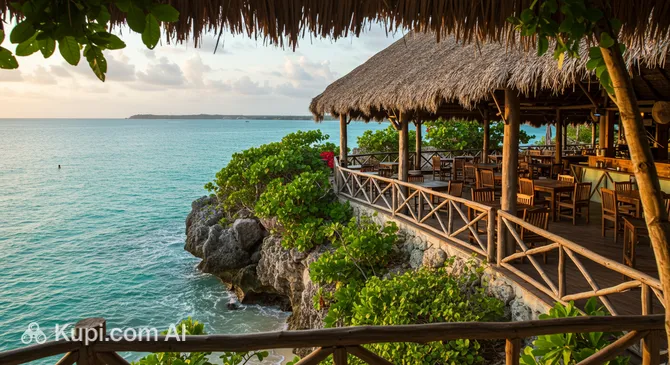
A special place on the list of iconic spots is occupied by the Ivan's restaurant and bar. Located on the cliffs in the West End area, it has long ceased to be just an eatery and has turned into a real attraction. Tourists come here for the romantic atmosphere, candlelit dinners to the sound of the waves, and the chance to see Negril's famous rocky landscapes, which are so different from the sloping sandy beaches.

Fans of immersing themselves in local culture through music and dance should not miss The Jungle. This nightclub is considered the best place to experience Jamaican reggae and dancehall. Decorated in a tropical style, it attracts hundreds of guests with its energy and authentic flavor, being the epicenter of the town's nightlife.

Local Cuisine

Negril's local cuisine is a vibrant kaleidoscope of flavors that cannot be separated from the culture of the island itself. The gastronomic soul of the resort is rightfully considered the famous Jamaican jerk. This is not just a cooking method, but a true ritual: chicken or pork is marinated in a spicy blend of seasonings, with allspice as the main ingredient, and then slowly smoked over pimento wood coals. You can try this dish everywhere—from simple street stalls shrouded in fragrant smoke to elegant restaurants.

For seafood lovers, Negril has prepared a special menu. You should definitely order freshly caught fish, lobster, or shrimp, grilled with local herbs. "Pepper shrimp"—spicy shrimp often sold in bags right on the beach—is considered a special delicacy. There is nothing better than enjoying this piquant taste while sitting on the sand and admiring the sunset over the Caribbean Sea.

Ivan's. Illustration.
Source: Kupi.com AI

Traveler photos:

In addition to main dishes, the town's gastronomic scene is rich in exotic sides and fruits. A traditional lunch rarely goes without "rice and peas"—fragrant rice with beans cooked in coconut milk, or a thick, rich "pepper pot" soup. At local markets and fruit stalls, tourists will find an abundance of tropical flavors: sweet mangoes, juicy papaya, rambutan, and, of course, refreshing coconut water drunk straight from the nut.

Completing your introduction to the region's cuisine is impossible without a tasting of drinks. Jamaican rum is king here, served both neat and in cocktails with spices and fruit juices. To feel the atmosphere of local hospitality and fine dining, you can visit Ivan's restaurant. In Negril, food is a celebration, so gastronomic festivals with live music and masterclasses often take place here, especially during the harvest season.

Travel Tips

Preparing for a trip to Negril is the key to ensuring your vacation proceeds in the famous "no problem" rhythm, allowing you to fully relax and forget the hustle. To help you feel confident and comfortable in this picturesque corner of the Caribbean, we have gathered the most important and proven recommendations for you.

  1. Clothing and Essentials. The climate in Negril is hot and humid, so prefer loose clothing made of natural fabrics (cotton, linen). Be sure to bring a hat and high-quality sunglasses. A light wrap might come in handy for evening strolls. Important: sockets here are usually the American type (with two flat pins), voltage is 110V, so take care of an adapter for your gadgets in advance.

  2. Transport Nuances. The most reliable and economical way to get around is by route taxis. Always look for cars with red license plates (Red Plates)—these are licensed vehicles with insurance. Drivers of private cars (with white plates) may overcharge. If you take a taxi without a meter, always agree on the price before you get in.

  3. Finances and Currency. Although US dollars are accepted almost everywhere, the rate can be unfavorable. For small purchases, taxi fares, and street food, it's better to exchange some money into local Jamaican dollars. Visa and Mastercard work in hotels and large restaurants, but here, cash is king. Tipping is encouraged: it is customary to leave 10–15% of the bill in restaurants if a service charge is not included.

  4. Health and Safety. The sun in Jamaica is very active, so use a high SPF cream and drink only bottled water. Negril is a friendly town, but follow basic precautions: don't walk alone in unlit alleys at night and don't leave valuables unattended on the beach. Pharmacies are in the town center, but it's better to bring specific medications with you.

  5. Communication. The official language is English, so communication won't be a problem. However, locals often speak Patois (a Creole dialect), which may be unfamiliar to the ear. Wi-Fi is available in almost all cafes and hotels. If you need constant internet, buy a local SIM card from Digicel or Flow operators—it's cheaper than roaming.

  6. Local Etiquette. Jamaicans are open and friendly people. It is customary to say hello even to strangers when entering a room or getting into a taxi. The main rule is not to rush. The concept of "Island time" means that service can be leisurely. Treat this with understanding and a smile—you're on vacation.

  7. What to Avoid. It is strictly forbidden to wear camouflage-patterned clothing. In Jamaica, this is the prerogative of the military and police, and a tourist can have their item confiscated for wearing even camouflage shorts or a cap. Also, try to politely but firmly refuse street vendors ("hustlers") if you don't need their goods. A simple "No, thank you" and a smile is usually enough.

  8. Extra Tip. Negril's famous sunsets are beautiful, but it's at dusk on the beach that sand flies become active. Their bites can be very unpleasant. Be sure to use a repellent containing DEET, or buy local insect oil before heading out to watch the sun sink into the sea.

Following these simple tips will help you avoid minor troubles and focus on the main thing—enjoying the turquoise sea, reggae music, and the unique atmosphere of freedom that Negril offers.

Entertainment & Nightlife

Negril's nightlife is a pulsing reggae rhythm, dancing on warm sand under a starry sky, and an atmosphere of absolute freedom. Unlike major metropolises, you won't find strict dress codes or excessive pretension here. Evening entertainment in this corner of Jamaica is steeped in the "one love" spirit, where locals and tourists enjoy music and Caribbean rum together.

Centers of nightly activity are roughly divided into two zones: the Seven Mile Beach coastline and the rocky West End district. On the beach, life hums in bars right by the water, which often host live music concerts and fire shows. The West End is famous for its cliffside venues, offering the best views of the sunset that smoothly transitions into a lively party. The crowd here is very diverse, and the dress code is as relaxed as possible: shorts and sandals are perfectly appropriate even in the most popular spots.

If you're looking for a place to dance until morning, head to the legendary The Jungle club. This venue is considered the epicenter of the resort's nightlife, attracting guests with top DJs and authentic dancehall rhythms. For a more relaxed start to the evening, Canoe Beach Bar is perfect, where you can enjoy cocktails and live performances by local bands right on the seashore.

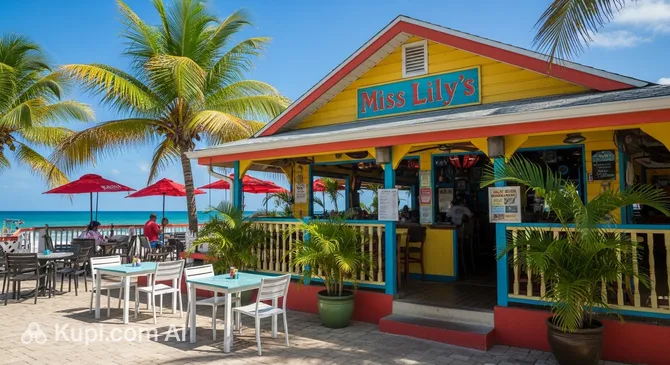
Miss Lily’s. Illustration.
Source: Kupi.com AI

Traveler photos:

Gourmets and fans of stylish interiors should check out Miss Lily's restaurant. It's a vibrant and trendy spot on the beach serving modern Jamaican cuisine, with great music playing in the evenings, creating the perfect backdrop for socializing. Also popular is the Aqua Verde Beach Bar, offering a cozy atmosphere for those who want to take a break from the hustle and bustle.

Practical Tips: Nightlife in Negril usually comes alive after 10:00 PM, although bars start filling up at sunset. Prices for drinks and club entry are quite reasonable. Regarding safety, the main tourist areas are guarded and calm; however, walking through dark alleys alone is not recommended. For moving between venues at night, it's best to use official taxis with red plates—they are easy to call from any bar or hotel.

Although Negril is famous specifically for its evening entertainment, there's plenty to do during the day too, even if there are no classic theaters or museums. Daytime leisure is focused around the sea: catamaran trips, snorkeling at the reefs, parasailing, or visiting small art galleries of local craftsmen scattered along the coast.

Parks & Museums

Negril is a unique place where the role of the main exhibition halls is played not by buildings with glass display cases, but by nature itself. The town is not abundant in classic museums, but its green zones, reserves, and open-air historical monuments allow you to touch the natural history and cultural heritage of Jamaica even better than traditional exhibitions.

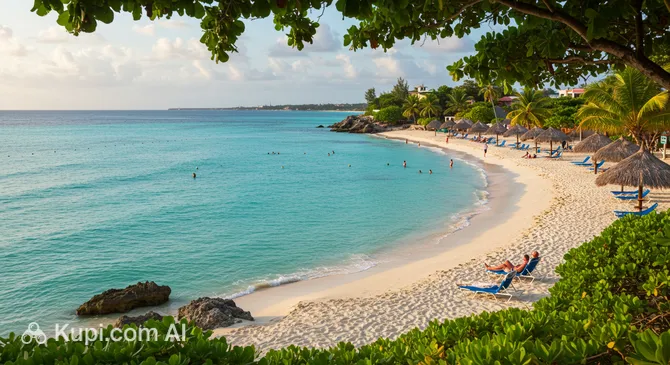
The main natural gem of the region is certainly Seven Mile Beach. While technically a beach, its scale and importance to the ecosystem make it a full-fledged natural park. It is an ideal place for long walks where you can observe marine life in the shallows and enjoy the shade of coconut palms and almond trees. The strip of snow-white sand serves as a stage for the everyday life of the resort, uniting nature and culture into a single whole.

For those who want to see another side of Jamaican flora, the Royal Palm Reserve, located in the Great Morass area, is a must-visit. This is a vast wetland where convenient wooden boardwalks are laid out for walking. Here you can see rare species of royal palms and observe herons and other waterfowl in their natural habitat. It is an oasis of silence and coolness away from the sea coast.

Seven Mile Beach. Illustration.
Source: Kupi.com AI

Traveler photos:

Another amazing green corner is Barney's Flower & Hummingbird Garden. This is a small but incredibly picturesque private garden where hundreds of hummingbirds live amidst exotic flowers. Visitors can not only admire the riot of tropical colors but also feed the tiny birds from their hands, which gives completely unforgettable emotions and great photos.

In the category of cultural and historical sites, the famous Negril Lighthouse stands out. Built back in 1894, it remains operational to this day, powered by solar energy. It is not a museum in the traditional sense, but an important historical structure from the top of which a breathtaking panorama of the Caribbean Sea and the rocky coast opens up. Climbing its steps, you can feel the spirit of the past century.

Fans of manicured landscapes and peaceful walks should take note of the Negril Hills Golf Club. Located on an elevation, it is a huge green area with perfectly trimmed lawns and tropical vegetation. Even if you don't play golf, this place attracts with its aesthetics and the views that open up over the town and sea from a bird's-eye view.

Insider Tip: For true union with nature, take a boat to the tiny Booby Cay Island. There is no infrastructure of large parks here, but you can have a Robinson Crusoe-style picnic, go snorkeling, and try the freshest lobsters prepared right on a campfire by local fishermen.

Getting Around

The public transport system in Negril differs significantly from the usual urban infrastructure of major metropolises. You won't find subways, trams, or large municipal buses running on a schedule here. The town is stretched along the coast, and all transport logistics are built on road traffic, which has its own unique local flavor and rules.

The most popular and affordable means of transportation for tourists is route taxis. They are easily recognizable by their red license plates (red plates) and the checkered patterns on the side. These cars run in two main directions: along Norman Manley Boulevard (along the beach zone) and towards the West End (the rocky part). The vehicles operate like shared shuttles: the driver picks up passengers along the way as long as there are seats available. It is an excellent way to get from one part of the resort to another quickly and inexpensively.

For more comfortable trips, there are charter taxis, which must also have red plates. Unlike route taxis, they take you individually to your destination, but the cost of such a trip will be significantly higher. Often, drivers of such cars belong to the JUTA (Jamaica Union of Travelers Association), which guarantees a certain standard of service and safety.

The payment system in Negril's public transport is as simple and conservative as it gets: only cash is accepted. There are no transport cards, validators, or mobile payment apps. It is best to pay in local currency, as the exchange rate when paying in US dollars can be unfavorable. In route taxis, the price is fixed and low, but with private charter taxi drivers, you must agree on the cost of the trip strictly before boarding.

As an alternative, many tourists choose vehicle rentals. Scooter and bicycle rentals are popular in town, allowing you to freely explore the surroundings without depending on taxi drivers. However, it's worth remembering that traffic here is on the left, and the driving style of locals can be quite aggressive. Walking is also very popular, especially along the seven-mile beach, where you can walk long distances right on the sand.

Important safety tip: always use only official carriers with red plates. Cars with white plates are private vehicles without a license to carry passengers. It is not recommended for tourists to get into such cars, as they are not covered by insurance and prices are often inflated.

Accommodation

The choice of accommodation in Negril is surprisingly diverse and capable of satisfying the requests of any traveler: from unassuming backpackers to connoisseurs of exclusive comfort. The resort's hotel map is clearly divided into two main zones, each offering its own unique style of vacation. Travelers can choose between the lively atmosphere of the sandy coast and the secluded romance of rocky cliffs.

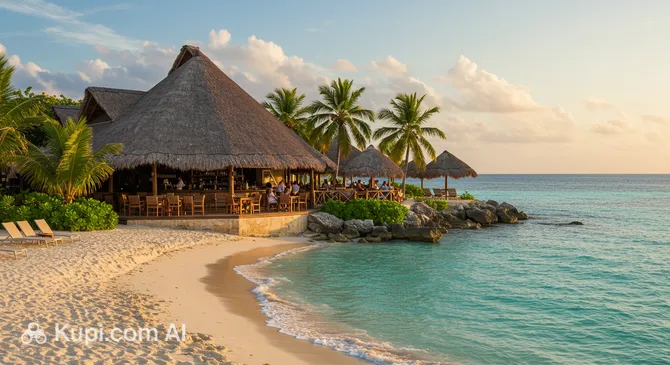
The first popular zone is the famous Seven Mile Beach. Here, along the edge of the sea, classic resort complexes operating on an "all-inclusive" system are lined up, alongside cozy family hotels. This is the ideal choice for those who want to wake up and immediately step onto soft sand. An excellent example of modern and stylish accommodation in this part is the Skylark Negril Beach Resort. Such hotels often offer guests direct access to the water, private sun loungers, and a rich entertainment program.

Skylark Negril Beach Resort. Illustration.
Source: Kupi.com AI

Traveler photos:

The second zone is the West End district, located on picturesque cliffs. A completely different atmosphere reigns here: instead of large buildings, small boutique hotels, eco-lodges, and villas hidden in tropical greenery predominate. People come here for the silence, stunning sunsets, and snorkeling right at the foot of the cliffs. A bright representative of this style is the Tensing Pen Resort, known for its unique stone cottages and bridges connecting the cliffs over the sea.

The price range in the town varies from budget to premium. Budget-conscious tourists can find inexpensive hostels and guesthouses on the second line from the beach, where a friendly, home-like atmosphere prevails. Luxury lovers will find private villas with personal service here. For booking, it is most convenient to use popular international online platforms, though many small guesthouses also take orders directly through their websites or social media.

Booking Tip: Negril is an extremely popular destination, especially during the "high season" from December to April. To guarantee your stay in a good hotel with a sea view, it is recommended to book your room 2–3 months before your trip. During the Christmas holidays and spring break, demand peaks, and the best options are snapped up very quickly.

Nearby Cities

For those who want to explore the surroundings, Negril serves as an excellent starting point for day trips to several interesting nearby locations. Although the resort itself encourages a relaxed vacation, traveling through the region will allow you to see another, more dynamic side of Jamaica.

One of the most popular destinations is Montego Bay, located just an hour and a half away. It is the country's second-largest city and a lively tourist hub. People come here to stroll along the famous "Hip Strip," visit the historic Rose Hall Great House with its ghost legends, or relax on Doctor's Cave Beach. The city offers great shopping and numerous restaurants.

For those ready for a longer journey to immerse themselves in culture, the country's capital, Kingston, is of interest. Here you will find the famous Bob Marley Museum, located in the reggae legend's former home, as well as the historic Devon House mansion. The trip will take more time but will allow you to touch the musical and historical heart of the island.

CityPopulationDistance
Savanna La Mar22 60023 km
Lucea6 00226 km
Montego Bay110 11549 km
Black River4 26158 km
Falmouth7 77976 km

These nearby destinations provide an overview of the region's diverse culture and landscapes, complementing your beach vacation with new impressions.

Shopping & Souvenirs

Shopping in the town of Negril is not a chase for high fashion or hours-long trips through huge malls, but rather a pleasant addition to a beach holiday. A relaxed atmosphere reigns here: shops are often small, colorful stalls scattered along the coast or hidden in the shade of palm trees. The town is famous primarily for its handmade souvenirs, local artisan products, and duty-free zones where you can purchase quality goods at competitive prices.

The main trading life hums along the famous Norman Manley Boulevard, which runs parallel to the beach line. Walking here, you will encounter many souvenir kiosks, small boutiques with beachwear, and supermarkets. This is the main artery of the resort, where you can buy everything you need: from sunscreen to jewelry. Another important zone is the West End district, where cozy shops with unique art objects and "boho" style clothing are hidden among the cliffs.

Although Negril is a small town, it has its own center of attraction for quality shopping lovers—the Time Square Shopping Mall. This is perhaps the most famous place for shopping in the resort. The complex brings together several stores offering jewelry, famous brand watches, premium alcohol, and perfumes. It is a civilized, air-conditioned oasis where you can take a break from the heat and shop in a comfortable setting.

For those seeking true Jamaican color, the Negril Crafts Market, located near the town center by the river, is a must-visit. This colorful place consists of many wooden huts where local craftsmen sell their creations. Here you can and should haggle: the price negotiation process often turns into a friendly conversation. At the market, you will find woven baskets, hats, bright paintings, and, of course, the famous wood carvings.

As souvenirs from your trip, it is worth bringing back what Jamaica is proud of. First and foremost, the legendary Blue Mountain coffee, considered one of the best in the world. Also look out for Jamaican rum (brands like Appleton or Myers’s), aromatic spices for making jerk chicken, and hot sauces. Wooden figurines, straw products, and clothing with Bob Marley symbols or Rastafarian colors are also popular.

Most shops in tourist areas are open from 9:00 AM to 5:00 PM or 6:00 PM, although souvenir stalls may stay open longer to accommodate the flow of tourists. Major shopping centers and supermarkets accept credit cards, but in markets and small kiosks, it is preferable to have cash. US dollars are accepted almost everywhere, but you may receive change in Jamaican dollars.

Tourists also have the opportunity to shop under the Tax Free (duty-free) system. In specialized stores, such as those in Time Square Mall, you can purchase goods (jewelry, alcohol, tobacco) without local taxes. To make such a purchase, you usually need to present a passport and a return ticket confirming your status as a foreign tourist.
Reached the end of the page?

That means the route is fully explored