Support

Kawagoe

About

Kawagoe is a charming historic city in Japan, located in Saitama Prefecture. It is often called "Koedo" or "Little Edo" because of its remarkably preserved atmosphere of past centuries. Situated just 30 minutes from bustling Tokyo, the city offers tourists a rare opportunity to travel back in time and see Japan as it was during the samurai era.

Geographically, the city is located on the Kanto Plain and covers an area of about 109 km². With a population of over 354,000, Kawagoe is an important commercial and residential hub in the region. However, for travelers, its rich heritage remains the primary attraction. Exploring the city's history helps one understand how this former castle town evolved into a prosperous trading center that supplied goods to the shogunate's capital.
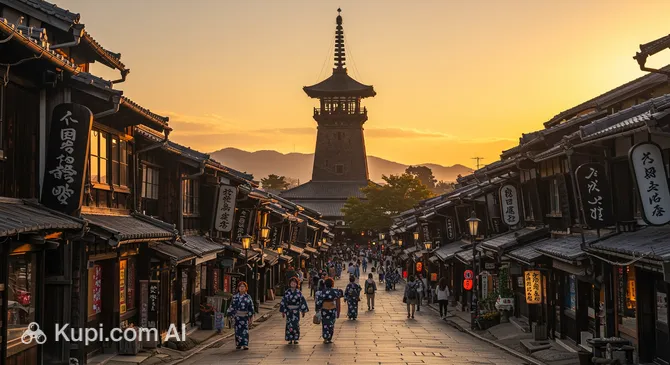
Kawagoe. Illustration.
Source: Kupi.com AI

The city's uniqueness lies in its kura-zukuri style architecture—massive clay-walled warehouses with black walls that once protected goods from fires. The main shopping street is lined with these monumental buildings, which today house cozy shops and cafes. One of the city's main landmarks is the Toki no Kane bell tower, which has been marking time for local residents for several centuries.

Kawagoe is an ideal destination for those who want to trade the pace of the metropolis for leisurely strolls along ancient streets. We invite you to immerse yourself in the nostalgic charm of this "Little Edo," taste the famous sweet potato treats, and touch the living traditions of old Japan.
Weather Overview

Kawagoe is located in a humid subtropical climate zone characteristic of the Kanto region. The weather here is clearly divided into four seasons, each giving the city its own charm. Before your trip, it is recommended to check the current weather in Kawagoe to choose your wardrobe correctly.

Summer in the city is quite hot and humid: in July and August, the average temperature stays around +25–30°C, and the humidity makes the heat more noticeable. Winter, by contrast, is cool and dry; in January, the thermometer can drop to -1°C at night, but during the day the sun often shines brightly with temperatures around +8°C. Spring and autumn are the most comfortable periods for long walks, with air temperatures staying within a pleasant +15–22°C.

Precipitation is unevenly distributed throughout the year: the peak of rain occurs in June and July (the tsuyu rainy season), as well as in September and October when typhoons are possible. Winter is considered the driest period with minimal precipitation. Overall, expect a warm summer with occasional downpours and cold, clear winters requiring good outerwear for evening strolls through the ancient quarters.

Average monthly temperature

Average monthly precipitation

Interesting Facts

  • Kawagoe miraculously escaped the catastrophic fire of 1893, which destroyed many neighboring settlements. Thanks to this, it has preserved a unique concentration of kura-zukuri warehouse houses, which are today considered a rare architectural heritage.

  • The local Kita-in Temple houses authentic parts of buildings from the famous Edo Castle. After a fire in the capital in 1638, Shogun Tokugawa Iemitsu ordered several halls of his palace to be moved to Kawagoe, and today these are the only surviving fragments of the old Imperial castle.

  • The city is officially recognized as the "Northern Guard" of old Edo. During the shogunate era, it was a key logistics hub and a supplier of high-quality fabrics, grain, and furniture for the capital's needs.

  • Kawagoe holds an honorable third place in the Kanto region (after Tokyo and Yokohama) for the number of officially recognized cultural heritage sites, making it one of the country's most important historical centers.

How to Get There

Kawagoe is considered one of Tokyo's most accessible suburbs, making it an ideal option for a day trip. Excellent transport connectivity allows tourists to easily reach it from both central districts of the capital and international air hubs. Detailed information on all routes can be found in the how to get to Kawagoe section.

Travelers arriving from abroad typically use two main airports. Narita International Airport (NRT) is connected to the region by the JR Narita Express—the journey to Omiya Station takes about an hour, after which you need to transfer to a local line to the city. From Haneda Airport (HND), it is most convenient to take the monorail or limousine buses with a transfer in Tokyo, with a total travel time of about one and a half to two hours.

AirportPassenger trafficDistance
Yokota Air Base23 km
Haneda Airport85.7 mln49 km
Atsugi NAF52 km
Narita International Airport40.8 mln83 km
Ibaraki Airport776 06388 km

The majority of tourists arrive by rail. The fastest way is the Tobu Tojo Line from Ikebukuro Station: an express train will take you to Kawagoe Station in just 30 minutes. You can also use the JR Kawagoe Line from Shinjuku or the Seibu Shinjuku Line trains, which arrive at Hon-Kawagoe Station, located closest to the historical center.

There are also bus routes for travel within the city and from neighboring prefectures, but trains remain the most reliable and fastest transport. If you plan a visit on weekends or holidays, try to avoid morning and evening rush hours when train cars are heavily crowded with commuters.

Main Attractions

One of the city's most picturesque locations is the Cherry Blossoms on the Shingashi River. In spring, the riverbanks transform into a delicate pink tunnel, and petals falling into the water create a floral carpet. This spot is perfect for peaceful walks and traditional flower viewing away from the capital's hustle and bustle.

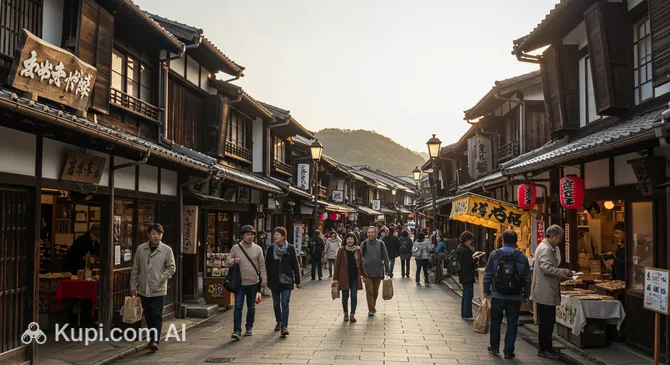
The heart of the historic district is Ichibangai Shopping Street. This is where the famous kura-zukuri warehouse houses are concentrated. Walking down this street, you will see the symbol of the city—the "Toki no Kane" bell tower, which still rings four times a day. The buildings with massive walls and tiled roofs now house shops selling knives, ceramics, and traditional Japanese fabrics.

Ichibangai Shopping Street. Illustration.
Source: Kupi.com AI

Traveler photos:

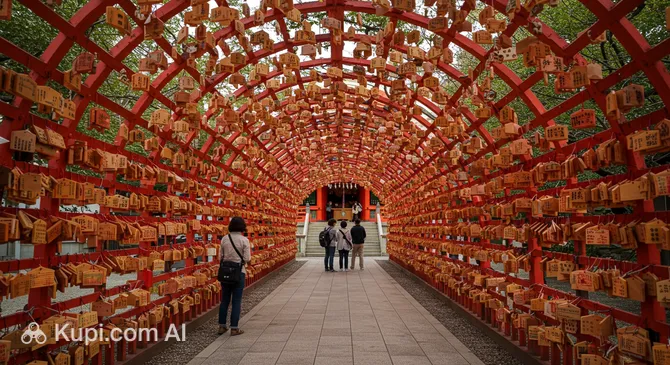
For those seeking luck in love, a mandatory stop is the Kawagoe Hikawa Shrine. This ancient shrine is famous for its photogenic "tunnels" of ema wooden plaques and its summer wind chime festival, when thousands of glass furin bells fill the air with a melodic ring. Here, you can "fish" for a unique omikuji prediction shaped like a fish using a special rod.

Kawagoe Hikawa Shrine. Illustration.
Source: Kupi.com AI

Traveler photos:

Sweet lovers should definitely visit Kashiya Yokocho (Candy Alley). This is a small street where traditional Japanese candies, lollipops, and snacks are made and sold according to recipes from past centuries. The scent of caramel and sweet potato lingering in the air creates an indescribable atmosphere of old Japanese childhood.

Local Cuisine

The gastronomic symbol of Kawagoe is undoubtedly the sweet potato (satsuma-imo). The local food culture is so closely tied to this root vegetable that it is added to almost everything here: from chips and ice cream to beer and full hot meals. In the Candy Alley area, be sure to try the imo-snacks and traditional sweets that have been prepared here for many generations.

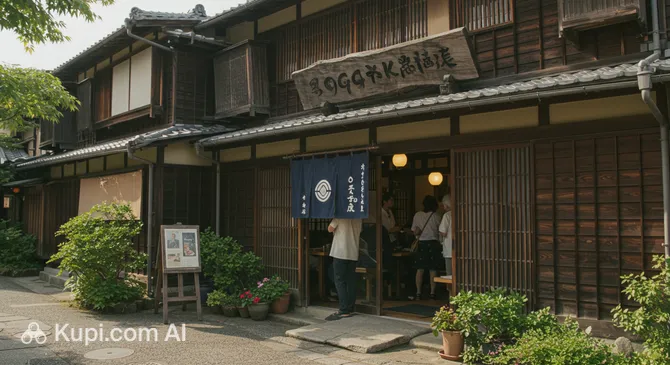
Another delicacy the city is famous for is grilled river eel. The Ogakiku restaurant is considered one of the oldest and most respected establishments specializing in this dish. The subtle aroma of kabayaki sauce and the tender eel meat attract gourmets from all over the prefecture. Keep in mind that there may be queues during popular hours, as this place is well-loved by locals.

Ogakiku. Illustration.
Source: Kupi.com AI

Traveler photos:

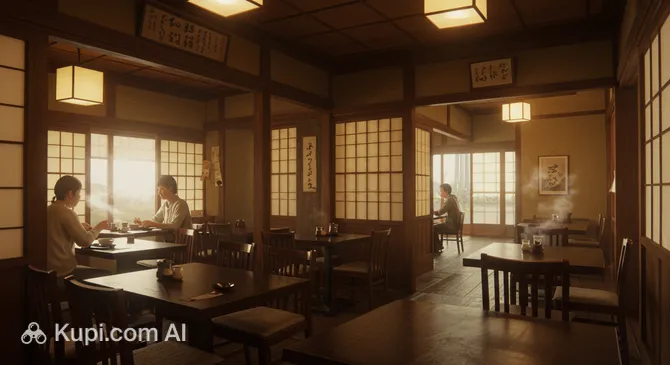
For a short break with a cup of coffee, the Coffee shop on Kanetsukitori Street is perfect. This establishment is notable for being housed in a building constructed in the traditional kura-zukuri style, fitting perfectly into the look of the ancient street. Here you can enjoy modern drinks while admiring the craftsmanship of ancient architects.

Kanetsuki-dori Coffeehouse. Illustration.
Source: Kupi.com AI

Traveler photos:

Craft beverage lovers should look out for the local Coedo beer. One of its varieties is brewed with the addition of roasted sweet potato, giving the drink a unique flavor and a deep amber color. Street food is also excellent: while walking along Ichibangai, you can snack on onigiri rice balls or hot filled buns sold directly from shop windows.

Travel Tips

Planning a trip to "Little Edo"? We have prepared some proven tips to help make your journey to Kawagoe as comfortable and rewarding as possible.

  1. Clothing and Footwear: For walking the cobbled streets of the Kurazukuri historic district, be sure to wear comfortable shoes. In summer, the region can be very humid and hot, so bring light clothing and a sun umbrella, and in winter, wear layers as temperatures can drop to zero.
  2. Transport: The best way to get around is combined. Reach the city by train, and explore the center itself on foot or use the Loop Bus. A Suica or Pasmo card will save you from having to buy tickets at machines every time.
  3. Finance: While cards are accepted in large stores and hotels, you will definitely need cash in small souvenir shops and on Candy Alley. 7-Eleven ATMs operate 24/7 and accept international cards.
  4. Health and Safety: The city is very safe, but in large crowds at festivals, keep an eye on your personal belongings. Pharmacies (Drugstores) are easy to find by signs with the character 薬, where you can buy basic over-the-counter medications.
  5. Communication: There are signs in English in tourist areas, but basic phrases like "Arigato" (thank you) and "Sumimasen" (excuse me) always win favor with locals. For internet, it is better to rent a Pocket Wi-Fi in advance or buy an eSIM.
  6. Local Etiquette: Observe silence when visiting temples and shrines. It is customary to purify your hands with water at special chozuya fountains before entering. Tipping is not customary in Japan—excellent service is considered the standard and is already included in the price.
  7. What to Avoid: Do not eat while walking directly on the main shopping street—it is considered somewhat impolite. It is better to step aside or sit on a bench near the shop where you bought your treat.
  8. Extra Tip: Try to visit Kawagoe on weekdays. On weekends and holidays, the streets fill with huge crowds of tourists from Tokyo, and taking beautiful photos without people will be almost impossible.

May your introduction to Japan's history be easy and bring only bright emotions. Have a great trip!

Entertainment & Nightlife

Entertainment in Kawagoe is of a more tranquil and traditional nature compared to neighboring Tokyo. Most activity is centered in the historic district, where festivals take place during the day and cozy izakayas open in the evenings. The most vibrant event of the year is the Kawagoe Festival in October, when huge, richly decorated floats with musicians and dancers are paraded through the streets, creating an incredible festive atmosphere.

For a relaxed evening, Cafe Matilda is an excellent choice, standing out with its laid-back atmosphere and stylish interior. This place is popular with both locals and tourists looking to rest after a long day of sightseeing. Another notable establishment is Kawagoe Art Cafe Elevato, where you can enjoy locally produced craft beer in a building with historic charm.

Nightlife in the city winds down quite early: most bars and restaurants in the historic quarter close by 11:00 PM. If you are looking for loud nightclubs or large-scale concerts, locals usually head to Saitama City or Tokyo's Ikebukuro district, which is just half an hour away. Nevertheless, nighttime walks along the illuminated ancient streets are perfectly safe and offer a completely different, mystical perception of Edo-era architecture.

Parks & Museums

Despite its high building density, Kawagoe offers tourists several wonderful places for relaxation and cultural enrichment. The Kita-in museum complex is one of the city's most significant sites. It is not just a temple, but a real open-air historical museum where you can see the 500 Statues of Rakan. Each of these stone figures has a unique facial expression and pose, and legend has it that among them you can find a figure that looks like yourself.

Those interested in early 20th-century architecture should visit the Former Yamazaki Family Villa. This building is an exquisite blend of Japanese and Western styles, surrounded by a small but very beautiful garden. The villa provides a glimpse into the lifestyle of wealthy merchant families who contributed to the city's prosperity in past centuries.

For lovers of nature and unusual spots, the Bamboo Palm is open. This small but cozy space allows you to enjoy greenery and a peaceful atmosphere away from the busy tourist paths. Also very popular is the Shingashi River embankment, which during the cherry blossom season becomes the city's main park, attracting hundreds of people for picnics under the blooming trees.

The cultural program can be complemented by a visit to the Kawagoe Festival Museum, where huge authentic mikoshi platforms are on display. The museum's exhibition allows you to feel the energy of the famous holiday at any time of year, even if you didn't make it to the actual celebration in October. The park areas near the ruins of Kawagoe Castle are also excellent for a leisurely end to the day.

Getting Around

The public transport system in Kawagoe is well-developed and focused on the convenience of both locals and numerous tourists. The main hubs are Kawagoe and Hon-Kawagoe stations, which connect the city with Tokyo and other parts of Saitama Prefecture. These stations and the main attractions are linked by a network of bus routes.

For getting around the historic center, it is most convenient to use the special tourist buses—the Co-Edo Loop Bus. They run on a circular route, stopping at all significant sites, including Kita-in Temple and the shopping street. The fare is about 200–300 yen, but it is most economical to purchase a day pass, which allows for unlimited travel throughout the day.

Fares are paid in cash or using universal contactless cards like Suica or Pasmo, which are valid throughout Japan. Simply tap the card on the reader when entering and exiting the bus. Bicycle rental is another excellent alternative for exploring the city; the flat terrain makes cycling easy and pleasant, and rental stations are located near the main stations.

During rush hours (7 to 9 AM and 5 to 7 PM), trains to Tokyo can be very crowded, so plan your travel to avoid the main flow of workers and students. Taxis are available everywhere in the city; they can be caught at stands near stations or called via an app, but for short trips around the city center, walking remains the most efficient and enjoyable way to get around.

Accommodation

Although most tourists visit Kawagoe for a day trip, the city offers a decent selection of accommodation options. Prices range from budget hostels and guesthouses to comfortable business hotels. For those who want to fully immerse themselves in the atmosphere of the past, you can find traditional mini-hotels in the historic center, with prices ranging from 5,000 to 15,000 yen per night.

The main areas for finding accommodation are the surroundings of Kawagoe and Hon-Kawagoe railway stations. Modern chain hotels like Toyoko Inn are concentrated here, convenient for transit travelers and those who value proximity to transport hubs. If your goal is early morning walks along empty ancient streets, consider apartments and small guesthouses directly in the Kurazukuri district.

It is recommended to book accommodation in advance, especially if your trip coincides with the annual festival in October or the cherry blossom season in April, when demand for available rooms spikes. Most hotels are available for booking through popular international services, while small traditional guesthouses often prefer cash payment, which is something to keep in mind upon check-in.

Nearby Cities

Thanks to its convenient location in Saitama Prefecture, Kawagoe serves as an excellent starting point for exploring central Japan. An extensive railway network allows you to reach major metropolises or, conversely, head to picturesque mountain landscapes in a short time.

Just 30 minutes away by train is Tokyo (Ikebukuro Station), which offers endless opportunities for shopping, visiting world-class museums, and vibrant nightlife. Another interesting destination is Fujimino, located just 6 kilometers away—this modern city is convenient for quiet walks and getting to know the everyday life of Japanese suburbs. For nature lovers, a trip to Chichibu, where you can enjoy mountain views and ancient shrines, is a good choice.

If you want to see the more modern side of the region, it's worth visiting Saitama City (Omiya district), home to beautiful parks and one of Japan's largest railway museums. Also in the immediate vicinity is the city of Sakado, which is easily accessible by local train.

CityPopulationDistance
Fujimino112 7456 km
Tsurugashima70 0678 km
Sakado100 8298 km
Fujimi111 8589 km
Okegawa74 11510 km

The region around the city offers a wide variety of attractions: from futuristic shopping centers to quiet forest trails. We recommend not limiting yourself to the historic center and taking time to explore neighboring prefectures to see the full diversity of Japanese culture.

Shopping & Souvenirs

Shopping in Kawagoe is primarily a hunt for unique souvenirs and traditional crafts. The main shopping area is the historic Ichibangai street, where ancient warehouse houses sell high-quality Japanese ceramics, handmade knives, and textiles. You won't find mass brands here, but you will find items with soul and history.

For gastronomic souvenirs, head to the famous Kashiya Yokocho alley. It's a true paradise for those with a sweet tooth: they sell huge sticks in sugar glaze (fugashi), handmade candies, and all sorts of sweet potato products—from cookies to jam. These goods have become the city's calling card and are often bought as gifts for loved ones.

If you need modern shopping centers and chain stores, focus on the areas around the railway stations. The Atre and Lumine complexes offer a wide selection of clothing, cosmetics, and electronics. For everyday purchases, locals often choose large supermarkets like Ito-Yokado or Aeon Mall, located in residential neighborhoods.

Typical opening hours for small shops in the historic center are from 10:00 AM to 5:00 PM or 6:00 PM, so it's best to plan your shopping for the first half of the day. In large shopping centers, stores are open until 8:00 PM or 9:00 PM. Most tourist spots accept international credit cards, but in the small shops of Candy Alley, you will definitely need cash yen. Foreign tourists can take advantage of the Tax Free system in large stores upon presentation of a passport.

Nearby cities

Reached the end of the page?

That means the route is fully explored