Support

Kokawa

About

Kokawa is a charming town located in Wakayama Prefecture, Japan. It offers travelers the chance to immerse themselves in the peaceful and authentic atmosphere of the Japanese countryside, far from the hustle and bustle of major metropolises. Nestled in the Kinokawa River valley and surrounded by picturesque landscapes, the town provides the perfect setting for a tranquil getaway and an introduction to local culture.
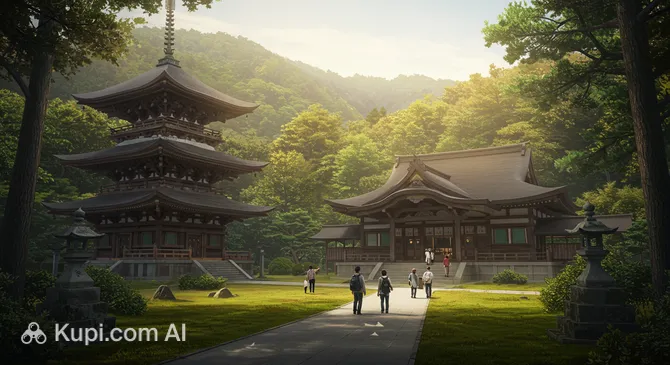
Kokawa. Illustration.
Source: Kupi.com AI

With a population of about 58,000 people, Kokawa retains the warmth and coziness of a small town where every guest feels truly welcome. This is a place where traditions are carefully preserved, and the pace of life allows you to savor every moment. The friendliness of the locals and the steady way of life make staying here especially pleasant.

Kokawa is a true find for those interested in Japanese history and spirituality. The town's crown jewel is undoubtedly Kokawa-dera Temple. This ancient and revered Buddhist temple is the third stop on the famous Saigoku Kannon Pilgrimage route, attracting pilgrims and tourists alike with its rich history and beautiful architecture. Visitors can stroll through its extensive grounds, admire the historic buildings, and experience a special atmosphere of serenity. Furthermore, the town and its surroundings invite you to enjoy the natural beauty of Wakayama Prefecture.

Leisurely walks through the streets of Kokawa, learning about local traditions, and visiting its sacred sites will leave you with the warmest memories. This town is an excellent choice for those seeking to experience authentic Japan, its culture, and its calming nature. Discover Kokawa — a corner of tranquility and Japanese hospitality!

You can find more interesting facts on the history of Kokawa page.

Weather Overview

The weather in Kokawa is characterized by distinct seasonal changes. Summer, particularly in July and August, is quite warm and humid, with average temperatures around 26-28°C (maximums can exceed 30°C) and a significant amount of rainfall, occurring on average 15-18 days per month. Winter, from December to February, is cool, with average temperatures around 5-7°C (minimums can drop to 1-3°C) and less precipitation. Spring and autumn are transitional seasons with moderate temperatures and changeable weather. Expect warm summers with periodic rain and cool, drier winters. For a more detailed forecast and monthly weather information, you can study the Kokawa climate.

Average monthly temperature

Average monthly precipitation

Interesting Facts

Kokawa is not just a charming town in Japan; it is a place that holds fascinating stories and traditions. Beyond its well-known attractions, it is ready to surprise travelers with several interesting features.

  • Did you know that Kokawa became famous throughout Japan because of its ninja clans? Legendary shinobi warriors were active here as far back as the 15th century. Today, you can visit a real ninja family house in the city, which features clever traps and secret passages, and even try your hand at the art of ancient spies.

  • Kokawa is renowned for its unique ceramics. Pottery workshops still operate in the city, where you can not only admire elegant items made from local clay fired using traditional techniques but also participate in creating them yourself.

  • Kokawa is home to an impressive art museum with a futuristic design, created by the world-famous architect I. M. Pei. The museum building is harmoniously integrated into the hilly landscape, offering visitors a chance to enjoy both modern art and the beauty of the surrounding nature.

  • Kokawa regularly becomes a hub of activity thanks to its vibrant festivals. These events are dedicated to art, traditional crafts, and martial arts, including colorful parades, engaging workshops, and even costumed performances featuring "real" ninjas.

How to Get There

When planning a trip to Kokawa in Wakayama Prefecture, it's worth noting that the town does not have its own major airport or main railway hub. However, getting here is quite convenient using the transport hubs in neighboring larger cities like Osaka.

The primary and most convenient option for international travelers is Kansai International Airport (KIX). This major international airport is located in Osaka, approximately 22.4 km from Kokawa. Due to its status and high passenger traffic, it receives flights from many countries worldwide. A trip from Kansai Airport to Kokawa by car or public transport (for example, transferring to a train or bus) takes roughly 50-60 minutes.

Another major airport in the region is Itami Airport (ITM), also located in Osaka but at a greater distance — about 56.8 km from Kokawa. Itami Airport primarily handles domestic flights within Japan. The journey from here to Kokawa takes about 1 hour and 45 minutes.

You can also consider Kobe Airport (UKB), located in Osaka at a distance of about 43.3 km from Kokawa. This is a medium-sized airport, and a trip to Kokawa from there may take around 1 hour and 25 minutes.

For convenience, here is a summary of the main airports used to reach Kokawa:

AirportPassenger trafficDistance
Kansai International Airport30.6 mln22 km
Kobe Airport3.6 mln43 km
Itami Airport14.8 mln57 km
Shirahama Airport438 41368 km
Tokushima Awaodori Airport2.3 mln75 km

Railway travel is also a popular way to get around Japan. Although Kokawa itself does not have a large railway station serving long-distance routes, you can use stations in nearby cities. One such station is Fukai Station.

Fukai Station (QKV) is located in the city of Sakai, approximately 29.6 km from the center of Kokawa. This is a station with medium passenger traffic and is part of the regional railway network. From Fukai Station, Kokawa can be reached by taxi or local bus, which takes about 1 hour.

Here is the information for the nearest railway station:

Main Attractions

Kokawa, nestled in Wakayama Prefecture, and its surroundings offer travelers a unique blend of ancient traditions and charming modern attractions. Here, you will find interesting spots that will make your trip to Japan unforgettable and provide vivid impressions.

The main gem of the region is undoubtedly Kokawa-dera Temple. It is the third temple on the famous Saigoku Kannon Pilgrimage, which consists of 33 temples. Founded according to legend in the 8th century, Kokawa-dera impresses with its scale, the majestic Sanmon Gate, the Hondo main hall, and a beautiful historic garden. The temple attracts not only pilgrims but also tourists wishing to touch ancient history and enjoy the peaceful atmosphere of this sacred place.

Not far from Kokawa, in the city of Kinokawa (of which this area is a part), lies another place that has become a real sensation — Kishi Station. This small railway station gained worldwide fame thanks to its unusual stationmasters — cats! The first star was the legendary cat Tama, and now her legacy is continued by other fluffy "employees." A visit to Kishi Station is a chance to see the adorable cat-bosses, ride the "Tama Densha" themed train, and purchase unique souvenirs. This place is guaranteed to bring plenty of positive emotions to both children and adults.

Wakayama Prefecture is known as the "Fruit Kingdom of Japan," and the area around Kokawa fully lives up to this title. Numerous farms are located here where, depending on the season, you can enjoy picking the freshest fruit — juicy peaches, sweet persimmons, fragrant mandarins (mikan), and strawberries. Fruit plantations offer visitors the chance not only to harvest the crops with their own hands but also to taste them straight from the branch. Such a trip is a great way to learn about local agriculture, enjoy nature, and, of course, savor the delicious gifts of the Japanese land.

Local Cuisine

The culinary world of Kokawa is a fascinating journey into the heart of rural Kansai cuisine, where the main principles are the freshness of ingredients and a strong emphasis on seasonality. Local culinary traditions are carefully preserved and passed down, offering visitors authentic tastes and aromas.

Be sure to try Kokawa's signature dish — local soba noodles made from buckwheat flour. They are usually served with a fragrant soy sauce and fresh vegetables. Another point of pride in the local kitchen is rice cooked with crystal-clear local water, which gives it a uniquely delicate flavor. Don't miss the chance to taste dishes made from the freshest river fish caught in the surrounding waters, as well as rich miso soup with seasonal vegetables and aromatic herbs.

Strolling through the streets of Kokawa, you will surely encounter stalls with various street foods. Look out for onigiri (grilled or fresh rice balls with fillings), traditional Japanese wagashi sweets, and delicious sweet buns filled with bean paste. Visit local farmers' markets — they are a true paradise for those with a sweet tooth, where you can find homemade desserts and juicy seasonal fruits.

The dining culture in Kokawa is diverse: from quick bites at street vendors and visits to lively markets to leisurely lunches and dinners in small family-run restaurants serving traditional dishes. As for drinks, green tea is popular here, as it is throughout Japan. It is also worth trying drinks made from fresh local fruits. Kokawa also occasionally hosts food festivals where you can dive deeper into the world of Japanese cuisine, try dishes from local masters, and even attend cooking classes.

Travel Tips

Planning a trip to the charming town of Kokawa? Wonderful! To ensure your journey through this corner of Japan goes smoothly and leaves only pleasant impressions, we have prepared some practical tips.

  1. Clothing and Essentials:

    The climate in Kokawa, as in the rest of Japan, depends on the season. Summers are warm and humid, so choose light, breathable clothing. Winters can be chilly, so don't forget warm items. Spring and autumn offer comfortable weather, but layering is always a good idea. Be sure to bring comfortable shoes, as you will likely be doing a lot of walking. Don't forget an adapter for electrical appliances (types A and B sockets are used in Japan). When visiting temples like the famous Kokawa-dera, it is customary to dress modestly: shoulders and knees should be covered.

  2. Transport:

    You can get around Kokawa and the surrounding area using local buses. For longer trips within Wakayama Prefecture or to other cities in Japan, trains are convenient. Taxis are available but can be expensive. Car rental is an option if you plan to explore the region extensively, but keep in mind that Japan has left-hand traffic. Overall, public transport in Japan is very efficient and punctual.

  3. Finances:

    The local currency is the Japanese Yen (JPY). Although credit cards are becoming more common, especially in tourist spots, having cash on hand is highly recommended, especially for small shops, cafes, and temples in towns like Kokawa. You can exchange currency at airports or banks. ATMs that accept international cards are most often found in post offices (Japan Post Bank) and 7-Eleven stores. Tipping is not customary in Japan and may be perceived as impolite.

  4. Health and Safety:

    Japan is one of the safest countries in the world, and Kokawa is no exception. Pharmacies (薬, kusuri) are easy to find, but communication can be difficult if you don't speak Japanese. Carry a basic first-aid kit with you. If you need medical assistance, ask at your hotel or look for information on clinics for foreigners. Standard precautions, such as keeping an eye on your belongings, are always relevant.

  5. Communication:

    The official language is Japanese. English is common in Japan's major tourist hubs, but in smaller towns like Kokawa, knowing at least a few basic Japanese phrases (e.g., "konnichiwa" – hello, "arigato" – thank you, "sumimasen" – excuse me/sorry) will be very helpful and appreciated by locals. Consider buying a tourist SIM card or renting a pocket Wi-Fi for constant internet access. Free Wi-Fi is available in some hotels and public places.

  6. Local Etiquette:

    The Japanese are very polite and value respect for tradition. A slight bow is a common form of greeting. In public places, especially on transport, try to speak quietly. When visiting temples and some homes, it is customary to remove your shoes. Exercise patience and observation — this will help you better understand and respect the local culture.

  7. What to Avoid:

    Never stick your chopsticks vertically into a bowl of rice — this is associated with funeral rituals. Also, try not to eat while walking in the street unless it is in a specifically designated area (such as street festivals). Loud phone conversations on public transport are considered bad manners.

  8. Special Feature of Kokawa:

    Kokawa is famous for its ancient Kokawa-dera Temple. Try to visit it not just as a tourist attraction, but to soak in its calm, meditative atmosphere. It's a great place to feel the spirit of old Japan. Also, while in Wakayama Prefecture, known for its mandarins (mikan), be sure to try the local fruit if your visit coincides with the season.

We hope these tips help you better prepare for your trip to Kokawa and enjoy every moment of your stay in this unique Japanese town. Have a great trip!

Entertainment & Nightlife

In the evenings, Kokawa offers travelers the chance to dive into a calmer and more authentic atmosphere of Japanese provincial life, quite different from the noise of big cities. Here, nightlife is centered not so much on loud clubs as on cozy establishments where you can enjoy local cuisine and conversation.

The core of evening entertainment in Kokawa consists of traditional izakayas — Japanese pubs serving various snacks, sake, and beer. This is a wonderful place to try local delicacies and observe the daily life of the residents. You can also find small bars, perhaps with karaoke, which is very popular in Japan. Restaurants usually stay open until late evening, offering local and pan-Japanese dishes. While there may not be large nightclubs, you can find venues like a cozy "hidden gem" style bar or a traditional izakaya with distinct local character. For the most up-to-date recommendations and specific names of establishments, it is best to check recent reviews or ask local residents for advice upon arrival.

The hub of evening activity is typically the area around the main railway station or along the central shopping streets. This is where most restaurants and small bars are concentrated. The atmosphere in such places is usually friendly and casual, and the dress code is generally everyday wear. Establishments may open in the evening and stay open until midnight or slightly later, especially on weekends.

As for practical advice, the best time to visit evening spots is after 7:00 PM. Prices in Kokawa are likely to be more moderate compared to major cities. At night, public transport may run less frequently or stop altogether, so it's worth planning your return to your accommodation in advance. Taxis are usually available and can be called by phone or found at designated ranks.

Kokawa is generally considered a safe city; however, standard precautions during night walks are always wise. Stick to well-lit streets and remain aware of your surroundings. If you are unsure how to call a taxi, the staff at your hotel or the restaurant where you are dining can usually assist you.

During the day, Kokawa offers other types of leisure. You can visit the famous Kokawa-dera Temple, stroll through the picturesque surroundings, explore local shops, or enjoy the tranquility of one of the city parks. While there may not be large entertainment complexes, the city's charm lies in its cultural heritage and natural beauty.

Parks & Museums

The town of Kokawa, nestled in Wakayama Prefecture, offers its guests a harmonious blend of peaceful green spaces and places where you can connect with the region's rich culture and history. Here, everyone will find something to their liking, whether it's a quiet walk in nature or an introduction to ancient traditions.

The primary place to enjoy nature and silence is undoubtedly the vast and picturesque grounds of Kokawa-dera Temple (粉河寺). This ancient Buddhist temple, one of the most important in the region, is surrounded by magnificent gardens that are especially beautiful in spring during the cherry blossom season and in autumn when the foliage turns vibrant colors. Walking along its well-maintained paths, past old buildings and stone lanterns, provides a sense of peace and a break from the city bustle. Additionally, the banks of the Kinokawa River, which flows nearby, offer pleasant routes for leisurely strolls and admiring the scenic rural landscapes.

While Kokawa may not have large modern museum complexes, Kokawa-dera Temple itself serves as an invaluable keeper of history and cultural heritage. On its grounds and in special pavilions (treasuries), you can see unique artifacts, ancient Buddhist statues, historical documents, and works of art that tell the centuries-old story of the temple and its significance. It is a true open-air museum within temple walls that will interest anyone fascinated by Japanese culture and religion. Occasionally, small temporary exhibitions dedicated to local crafts or regional history may be held in town, information about which can be found at the tourist information center.

The central historical and architectural landmark of Kokawa is certainly Kokawa-dera Temple. Its main building, the impressive Niomon Gate with guardian figures, the pagoda, and other structures are fine examples of traditional Japanese temple architecture from various eras. Exploring the details of its construction, the intricate wood carvings, and the unique architectural solutions will be a real discovery for history and architecture enthusiasts.

For a more authentic experience of Kokawa, we suggest visiting small local shops and workshops located near the temple or in the town itself. There, you can find unique handmade souvenirs, local delicacies, or traditional craft items. Furthermore, Wakayama Prefecture is famous for its fruit, especially persimmons and mandarins (mikan), so don't miss the chance to try fresh seasonal fruit if your trip coincides with the harvest season.

Getting Around

Getting around Kokawa and its surroundings is possible using public transport, which, as throughout Japan, is known for its convenience and punctuality. The core of the town's transport system likely consists of local railway lines and bus routes connecting various districts and nearby settlements.

For payment, the most convenient option is rechargeable IC smart cards, such as ICOCA (common in the Kansai region) or other nationwide cards (e.g., Suica, Pasmo). These cards can be used on both trains and buses by simply tapping them against the reader at the entrance and exit. The cost of a single trip on public transport in such Japanese towns usually starts from 150-250 yen for short distances and increases based on distance. There is also always the option to purchase single-use train tickets at station vending machines or pay the bus fare in cash directly to the driver (usually when exiting; it is best to have the exact amount ready in advance).

Train tickets are purchased at stations from special machines or ticket counters. When using an IC card, simply tap it on the turnstile or validator when entering and exiting the station. Buses usually have validators at the entrance and/or exit. Public transport in Kokawa generally begins early in the morning and ends late in the evening, but the frequency of service may decrease in the evening hours and in less populated areas. For route planning and checking schedules, mobile apps like Google Maps (well-integrated with the Japanese transport system), Japan Travel by Navitime, or Jorudan can be helpful for tourists. They will not only help find the optimal path but also provide current fare information.

As an alternative to public transport, taxis are always available in Kokawa. They offer a comfortable, albeit more expensive, way to get around, particularly convenient for traveling with luggage or at night. For exploring the town itself and the nearby scenic areas, renting a bicycle is an excellent option. If you plan on taking longer trips around Wakayama Prefecture, you should consider renting a car.

Accommodation

When planning your trip to Kokawa, you will be able to find accommodation to suit your taste and budget. The town offers various lodging options, from traditional Japanese inns (ryokans) and cozy guesthouses (minshuku), where you can dive deeper into the local culture, to more standard hotels and apartments for short-term rental. Although the choice may not be as wide as in major metropolises, hospitality and comfort are highly valued here.

When choosing a place to stay in Kokawa, look for areas near the main attractions, such as Kokawa-dera Temple, or near convenient transport links. This will allow you to easily explore the town and its surroundings. Many accommodation options are within walking distance of local restaurants and shops, adding convenience to your stay.

Regarding the price range, you can find both budget-friendly options and mid-range accommodation in Kokawa. There may not be many luxury resorts here; the focus is more on authenticity and comfort. It is recommended to book your stay in advance, especially if your trip coincides with popular tourist seasons or local festivals. To find and book accommodation, it is convenient to use well-known online platforms or, in some cases, contact the properties directly.

Nearby Cities

For those looking to explore the surroundings, Kokawa serves as an excellent starting point for day trips to several interesting nearby locations:

Wakayama, the capital of the prefecture, attracts visitors with its majestic Wakayama Castle, which offers panoramic views, as well as its picturesque coastline and Kimiidera Temple, known for its early cherry blossoms.

Kishiwada is famous for its impressive Kishiwada Castle and the annual Danjiri Festival, one of the most exciting and dynamic festivals in Japan, attracting many spectators.

Izumisano, located near Kansai International Airport, offers shopping opportunities at Rinku Premium Outlets, as well as pleasant walks along the waterfront with views of Osaka Bay.

CityPopulationDistance
Kumatori43 57015 km
Izumisano99 32816 km
Sennan59 63416 km
Kashihara58 65818 km
Hannan49 79418 km

These nearby destinations provide an insight into the diverse culture and landscapes of Japan. Each trip promises new discoveries and experiences, complementing your journey to Kokawa.

Shopping & Souvenirs

Shopping in Kokawa offers the charm of local traditions and unique finds rather than the glitz of large shopping malls. Here, you can immerse yourself in the atmosphere of a small Japanese town and find authentic goods and souvenirs that reflect the spirit of the Wakayama region. The main focus should be on searching for local products, handicrafts, and items related to the city's rich history.

The main shopping spots in Kokawa are likely concentrated along the town's main streets or near the railway station. These are usually small family-owned shops, stalls with local delicacies, fresh produce, and everyday goods. Walking through these streets can be a pleasant discovery in itself.

Large modern shopping centers are not typical for a city of Kokawa's size. However, you may come across small local department stores or supermarkets that offer a wider range of goods, including clothing, household items, and food.

While Kokawa may not have large well-known markets, it is worth looking out for possible morning or farmers' markets where locals sell fresh vegetables, fruits (especially the famous "mikan" mandarins from Wakayama Prefecture), and other regional products. Also, fairs are sometimes held near temples like Kokawa-dera, and small souvenir shops are often located there.

As souvenirs from Kokawa, consider items related to the town's main temple — Kokawa-dera. These might include traditional omamori amulets for luck and protection, incense, calligraphy, or small figurines. Also, take note of local Wakayama Prefecture delicacies: umeboshi plum products, sweets with yuzu or mandarins, and local sake. Don't forget classic Japanese souvenirs such as ceramics, tea, or textile products.

Shops in Kokawa, as in most small towns in Japan, are usually open from around 10:00 or 11:00 AM until 6:00 or 7:00 PM. Small family-run shops may have their own more flexible schedules. Regarding payment, although credit cards are becoming more common, especially in tourist spots, it is always helpful to have enough cash on hand, as not all small shops and markets may accept them. Electronic money (IC cards like Suica or ICOCA) may also be accepted in some places.

For international tourists in Japan, a consumption tax refund system (Tax Free) is available. Look for shops with the "Japan Tax-Free Shop" logo. To process a tax refund, you usually need to make a purchase of a certain minimum amount (most often 5,000 yen excluding tax) in one shop on the same day and present your passport at the time of purchase. The procedure usually takes place directly in the shop.

Reached the end of the page?

That means the route is fully explored