Support

Wakayama

About

Wakayama is a true oasis of tranquility and traditional Japanese culture, nestled in the south of Honshu Island, just an hour's drive from bustling Osaka. The city stretches along the picturesque mouth of the Kinokawa River, where green hills meet coastal cliffs and beaches, creating unique landscapes. This favorable location makes Wakayama an excellent starting point for exploring the natural and cultural riches of the Kansai region in Japan.

As the administrative center of the prefecture of the same name, Wakayama is also considered the largest city in the area after Osaka and Kobe. About 353,000 people live here, which accounts for almost half of the entire prefecture's population. The Kinokawa River, dividing the city into two parts, gives it a special charm and contributes to the diversity of its districts.
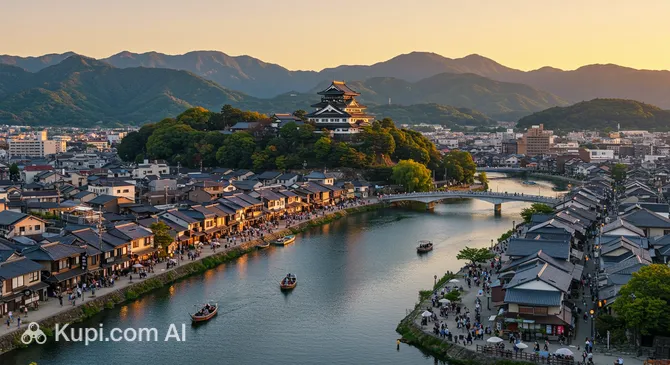
Wakayama. Illustration.
Source: Kupi.com AI

Wakayama's atmosphere is surprisingly harmonious: ancient temples and majestic castles peacefully coexist with modern neighborhoods, while lively markets give way to quiet parks and peaceful gardens. The city is famous for its tranquility, spirituality, and special Japanese hospitality. This is a place where you can deeply feel the rhythm of traditional Japan without losing touch with modernity.

Wakayama is an ideal choice for travelers wishing to combine walks along the ancient Kumano Kodo pilgrimage trails, a UNESCO World Heritage site, visit the legendary Wakayama Castle overlooking the city, and relax on picturesque beaches like Shirahama. The city captivates with its authenticity, natural beauty, and a surprising sense of calm that is so rare in modern metropolises.

If you are looking for a place to rest your soul, touch rich history and culture, and enjoy magnificent natural views, Wakayama undoubtedly deserves your attention and will become an unforgettable part of your journey through the Land of the Rising Sun.

You can find more interesting facts on the history of Wakayama page.
Weather Overview

The climate in Wakayama offers city guests warm and humid summer months, especially from June to August, when the average air temperature ranges between 21-27°C, and the number of rainy days can reach 15-16 per month. Winters, conversely, are cooler and drier: from December to February, the thermometer averages 6-8°C, and precipitation occurs less frequently. Spring and autumn provide pleasant moderate weather, ideal for walking and exploring the city. Detailed information about the climate of Wakayama will help you learn more about seasonal changes and plan your trip.

Average monthly temperature

Average monthly precipitation

Interesting Facts

Beyond its famous landmarks, the city of Wakayama hides many surprising stories and little-known details that make it truly special. Ready to learn some curious facts about this corner of Japan?

Wakayama Castle. Illustration.
Source: Kupi.com AI

Traveler photos:

  • The city prides itself on its majestic Wakayama Castle, which was not just a fortress but the residence of one of Japan's most influential shoguns, Tokugawa Yoshimune. It was from here that he began his journey before becoming the eighth shogun of the Tokugawa dynasty and implementing the famous Kyoho reforms.

  • A significant portion of the ancient Kumano Kodo pilgrimage route, a UNESCO World Heritage site, passes through Wakayama Prefecture. These sacred trails, which travelers have followed for over a thousand years, lead to the three Grand Shrines of Kumano, and part of this spiritual path is accessible directly from the city's outskirts.

  • One of the most charming and unusual symbols of Wakayama was a cat named Tama. She served as "stationmaster" at the small Kishi railway station (in the outskirts of Wakayama), attracting thousands of tourists from all over the world and effectively saving the local rail line from closure. After her death, the tradition continued, and stationmaster cats became a true hallmark of the region.

  • Wakayama is famous for its unique style of ramen, known as "Wakayama Ramen" or "Chuka-soba." Its characteristic feature is a rich broth based on pork bones and soy sauce (tonkotsu-shoyu), which attracts foodies from all over the country. Visit Maruhana Ramen, for example, to taste this local delicacy.

How to Get There

The most convenient way to reach Wakayama is by air, using one of several airports located in the Kansai region. Although Wakayama itself does not have its own major passenger airport, transport connections with nearby air hubs are well-established.

The primary and most convenient option is Kansai International Airport (IATA: KIX). This major international hub is located in Osaka, about 22.9 km from Wakayama. A trip by car, bus, or train to the center of Wakayama will take about 50-60 minutes. The airport serves many international and domestic flights, making it an excellent starting point for a trip to Wakayama.

Another significant regional airport is Itami Airport (IATA: ITM), also located in the city of Osaka. It specializes mainly in domestic flights within Japan. The distance to Wakayama from here is about 66.3 km, and the journey can take approximately 2 hours depending on the chosen transport and traffic conditions.

You can also consider Kobe Airport (IATA: UKB), located, according to provided data, in the city of Osaka (actually serves the city of Kobe), about 45.4 km from Wakayama. This is a medium-sized airport, and the trip to Wakayama from there will take about 1.5 hours. It can be convenient if your route passes through Kobe or if you find suitable flights to this specific location.

For clarity, here is a summary of the main airports serving the Wakayama direction:

AirportPassenger trafficDistance
Kansai International Airport30.6 mln23 km
Kobe Airport3.6 mln45 km
Tokushima Awaodori Airport2.3 mln53 km
Shirahama Airport438 41366 km
Itami Airport14.8 mln66 km

Railway connections also play an important role in the Japanese transport system. Although information about major railway stations directly in Wakayama may be missing from this list, you can use hubs in neighboring cities. For example, Fukai Station (IATA: QKV) is located in the city of Sakai, about 44.8 km from the center of Wakayama. This is a fairly busy station with significant passenger traffic. A trip from Fukai Station to Wakayama by local transport or taxi will take about 1.5 hours.

Information on available railway stations nearby:

When planning your trip, it is recommended to study the schedules and routes of public transport from your chosen airport or railway station to Wakayama in advance, and also consider transfer options or car rentals for maximum convenience.

Main Attractions

Wakayama is a city with a rich history and culture, offering tourists many interesting places to visit. Here, everyone will find something to their liking: from majestic castles and ancient shrines to modern museums and picturesque gardens that reflect the unique spirit of Japan.

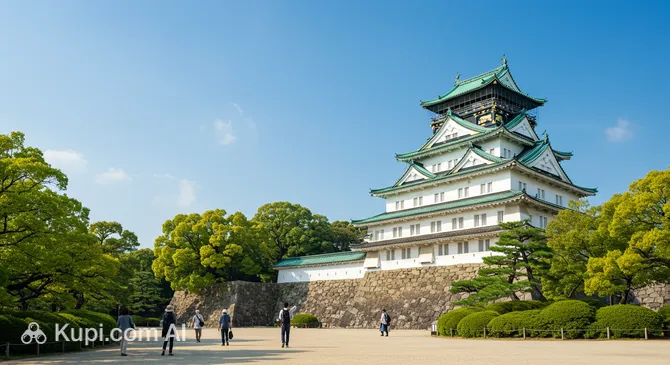
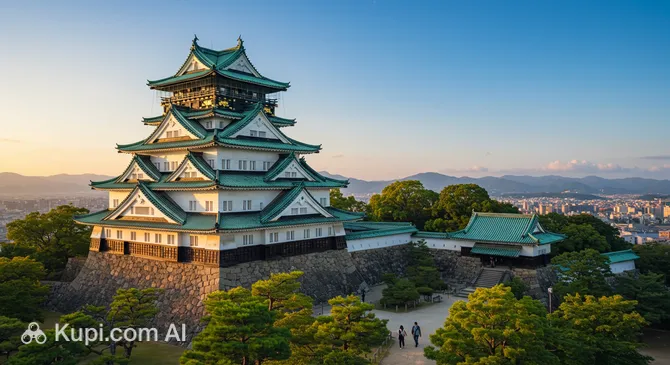
The main gem of the city is undoubtedly Wakayama Castle. Originally built in 1585, it was carefully restored after World War II and today stands proudly as a symbol of the city. The main tower offers a magnificent panoramic view of Wakayama and the surrounding landscapes. The area around the castle is also noteworthy—it is the vast Wakayama Castle Park, which includes a small but cozy zoo, popular with families with children.

Wakayama Castle. Illustration.
Source: Kupi.com AI

Traveler photos:

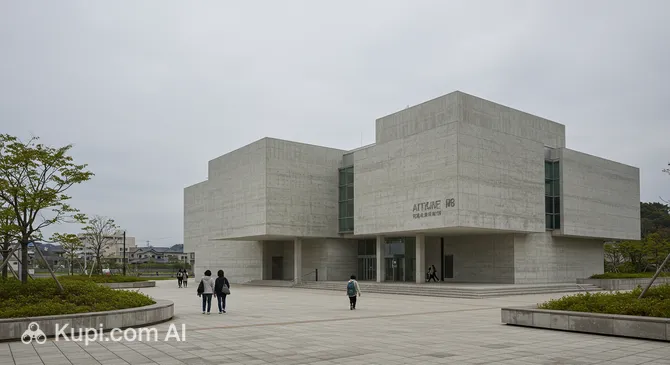
Art lovers are highly recommended to visit the Museum of Modern Art, Wakayama. Located near the castle, it presents an impressive collection of works by artists associated with Wakayama Prefecture, as well as famous Japanese and international masters. The exhibitions are regularly updated, offering visitors a fresh and deep look at contemporary art trends.

The Museum of Modern Art, Wakayama. Illustration.
Source: Kupi.com AI

Traveler photos:

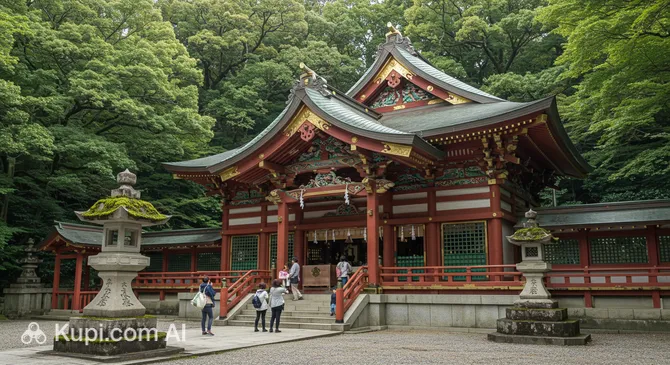
For those interested in Japanese spiritual culture and history, a visit to Kishu Tosho-gu Shrine is a must. This magnificent shrine is dedicated to Tokugawa Ieyasu, the founder of the Tokugawa shogunate, and his tenth son, Tokugawa Yorinobu, the first ruler of the Kishu Domain. It is famous for its exquisite architecture in the gongen-zukuri style, vibrant paintings, and delicate wood carvings, which is why it is often compared to the famous Nikko Tosho-gu and called the "Nikko of the Kansai region."

Kishu Toshogu Shrine. Illustration.
Source: Kupi.com AI

Traveler photos:

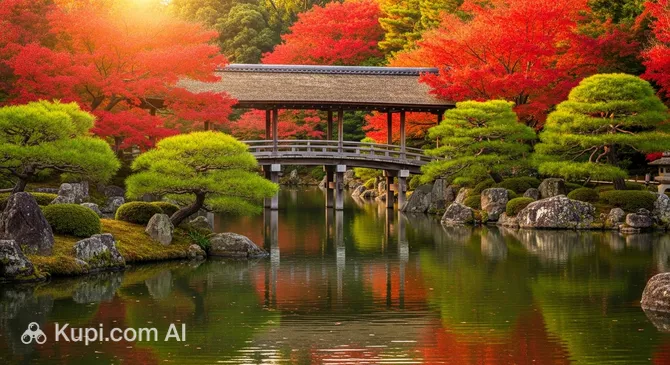
In the immediate vicinity of the castle, within its park area, lies the picturesque Momijidani Garden. This is a traditional Japanese garden with a pond and a tea house, created back in the Edo period. The garden is especially beautiful in autumn when the maple leaves (momiji) turn all shades of red and gold. It is an ideal place for a leisurely stroll, where you can enjoy the silence, the harmony of nature, and traditional aesthetics.

Momijidani Garden. Illustration.
Source: Kupi.com AI

Traveler photos:

Local Cuisine

The culinary scene in Wakayama is a true paradise for lovers of the freshest fish and seafood. The city is famous for its maguro (tuna), which is caught here and prepared according to many unique recipes. In local markets and restaurants, you can enjoy exquisite tuna sashimi, aromatic grilled fish, and a variety of other seafood dishes, making Wakayama an attractive destination for gourmets.

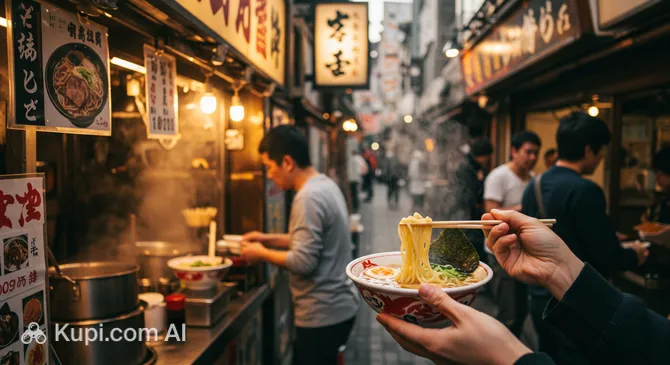
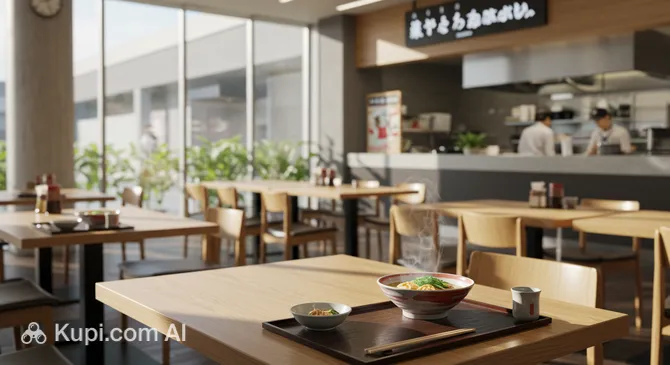
However, the hallmark of the local cuisine is undoubtedly Wakayama ramen. This dish is distinguished by a rich, thick pork broth, thin noodles, and a characteristic serving with green onions and tender slices of pork. This ramen has become a true gastronomic symbol of the region, and it can be tried in small street stalls as well as in stylish cafes. One of the popular places serving authentic ramen is Maruhana Ramen.

Maruhana Ramen. Illustration.
Source: Kupi.com AI

Traveler photos:

For lovers of sweets and unusual drinks, Wakayama offers local desserts and liqueurs. The city's surroundings are rich in harvests of ume (Japanese plum), from which the famous plum liqueur umeshu is produced. Local plums and citrus fruits are also used to make delicious marmalades, various sweets, and even ice cream with original flavors. Don't miss the chance to visit farmers' markets where you can find the freshest fruits and homemade delicacies.

Food culture in Wakayama is diverse: locals and tourists enjoy meals in traditional restaurants, lively markets where fresh produce can be bought, and cozy cafes. The city is also known for its gastronomic festivals, such as tuna festivals or plum harvest celebrations. Participating in such events allows you not only to taste the region's best dishes but also to touch Japanese culinary culture, observe traditional rituals, and even take part in workshops.

Travel Tips

Welcome to Wakayama! To ensure your trip to this charming city, known for its majestic castle and rich history, goes smoothly and leaves only pleasant impressions, we have prepared some practical tips.

  1. Wardrobe and useful items: The climate in Wakayama is subtropical, so in summer (June-August) bring light breathable clothing, and in winter (December-February)—warm things, including a jacket. In spring and autumn, layered clothing will be useful. Be sure to bring comfortable shoes for walking around the city and visiting places like Wakayama Castle or Kimii-dera Temple. Don't forget a universal adapter (type A and B sockets in Japan) and an umbrella, especially if you go during the rainy season (June-July). For visiting temples, a special dress code is usually not required, but modest clothing is appropriate.
  2. Getting around the city: The main ways to get around Wakayama are JR trains and local buses (Wakayama Bus). The city is quite compact, and many attractions can be reached on foot or by public transport from Wakayama Station. Taxis are available but can be expensive. Renting a car might be useful if you plan to explore the outskirts of Wakayama Prefecture, but for the city itself, it is not necessary, and parking can be challenging.
  3. Money and expenses: The national currency is the Japanese yen (JPY). You can exchange currency at banks or post offices. Credit cards (Visa, Mastercard) are accepted in many hotels, large stores, and restaurants, but it's better to carry cash for smaller establishments. ATMs that accept international cards are easy to find at post offices (Yucho Bank) and 7-Eleven convenience stores. Regarding budget, Japan is generally not the cheapest country; however, Wakayama, being a smaller city compared to Tokyo or Osaka, can offer more affordable accommodation and dining options. Keep in mind that costs will depend on your travel style, but options can be found here for both budget-conscious travelers and those who prefer more comfort. Tipping in Japan is not practiced—good service is already included.
  4. Health and safety: Wakayama, like most cities in Japan, is a very safe place. Pharmacies (look for the sign \"薬\" - kusuri) are everywhere, but pharmacists rarely speak English. If you need medical assistance, ask your hotel for a recommendation or, in an emergency, dial 119. Always have travel insurance. There are no specifically "dangerous" areas in the city, but standard precautions are always wise.
  5. Language and connectivity: The official language is Japanese. The level of English proficiency among the local population in Wakayama may be low, especially outside tourist sites. Learn a few basic phrases in Japanese, such as "konnichiwa" (hello), "arigato" (thank you), and "sumimasen" (excuse me/sorry). To access the internet, you can buy a local SIM card (for example, at Kansai Airport upon arrival) or rent a pocket Wi-Fi. Free Wi-Fi is available in many hotels and some public places.
  6. Local etiquette: Japanese people are very polite. When greeting someone, a slight bow is appropriate. In public places, especially on transport, try to speak quietly and avoid disturbing others. Remove your shoes when entering private homes, some temples, and traditional restaurants (ryokans). When giving or receiving something (such as money or a business card), use both hands—it is a sign of respect.
  7. What to avoid: Never stick your chopsticks vertically into a bowl of rice—this is associated with funeral rituals. Also, avoid loud phone conversations on public transport. Try not to eat or drink while walking unless it is a designated area (like a street food stall).

We hope these tips help you better prepare for your trip and enjoy every moment in hospitable Wakayama. We wish you unforgettable discoveries and bright impressions in this corner of Japan!

Entertainment & Nightlife

When the sun sets over the city of Wakayama, it doesn't fall asleep but offers its guests and residents a variety of options for evening and night leisure. While the nightlife here may not be as grand as in Japan's megacities, Wakayama has its own cozy charm and plenty of places to have a good time after a busy day.

The main center of nightlife in Wakayama is the Arochi (Arochō) district, located near the city center. This is where most of the bars, izakaya (traditional Japanese pubs), karaoke bars, and small clubs are concentrated. The atmosphere in Arochi is lively, especially on Friday and Saturday evenings. The crowd here is a mix of locals relaxing after work and tourists looking for an authentic Japanese experience. Most establishments stay open until late at night, and some until the early morning. There is usually no special dress code; casual style prevails.

Besides Arochi, interesting bars and restaurants can be found around JR Wakayama Station. Here, the selection may be quieter, focused on dinner and leisurely conversation. You can find traditional Japanese restaurants as well as establishments with European or other international cuisines. For dinner or a late snack, you can stop by, for example, Maruhana Ramen, known for its delicious ramen, or the Ginpei Wakayama Station branch, which offers local cuisine.

Ginpei Wakayama Station. Illustration.
Source: Kupi.com AI

Traveler photos:

When planning an evening out, keep in mind that many small establishments may not have English menus, but the staff is usually very friendly and eager to help. Prices vary but generally remain moderate by Japanese standards. Getting back to your hotel late at night is most convenient by taxi, as public transport stops running relatively early. Wakayama is considered a safe city, but standard precautions, especially in busy night districts, are always a good idea. Taxis can be hailed on the street in popular areas or requested at your venue.

During the day, Wakayama offers many cultural and recreational activities. You can visit, for example, the Museum of Modern Art, Wakayama, walk through the picturesque Wakayama Castle Park, or drop by the Zoo in Wakayama Castle Park. These places are perfect for getting to know the city better before diving into its evening atmosphere.

Wakayama Castle Park. Illustration.
Source: Kupi.com AI

Traveler photos:

Parks & Museums

Wakayama is a city where picturesque green oases are harmoniously interwoven with a rich cultural heritage, offering travelers many opportunities for relaxation and discovery.

Among the city's main green zones, Wakayama Castle Park stands out. It stretches around the famous Wakayama Castle, inviting you to enjoy not only well-kept alleys and beautiful views but also a touch of history. This is an ideal place for leisurely strolls. No less charming is Momijidani Garden, a classic Japanese garden that is especially beautiful in autumn when the maples burst into bright colors, creating an atmosphere of peace.

For lovers of art and history, Wakayama offers several interesting places. The Museum of Modern Art, Wakayama introduces visitors to works by both Japanese and foreign artists, often hosting exhibitions that explore the connection between contemporary creativity and local culture. Wakayama Castle itself, while being a key historical landmark, also functions as a museum. Its walls house exhibits telling the story of the feudal past and the Tokugawa clan, and displaying samurai armor and artifacts, allowing for a deeper dive into the region's history.

In addition to the majestic castle, a significant historical and architectural site is Kishu Tosho-gu Shrine. This impressive structure, dedicated to Tokugawa Ieyasu, is famous for its luxurious carvings and vibrant colors, which is why it is often called the "Nikko of the West."

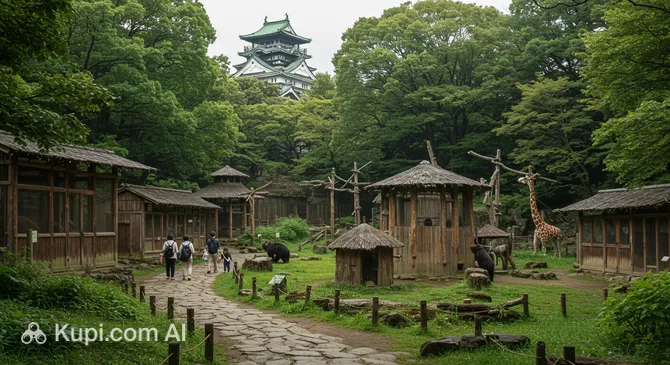
Located within the castle park is the small but cozy Zoo in Wakayama Castle Park. It will be a pleasant addition to a walk, especially for families with children, offering the chance to meet various animals surrounded by greenery.

Wakayama Castle Park Zoo. Illustration.
Source: Kupi.com AI

Traveler photos:

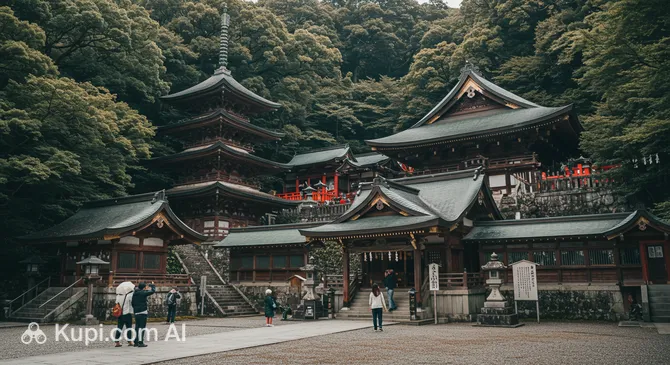
For a deeper immersion into the authentic atmosphere of Wakayama, it is worth visiting the Hinokuma and Kunikakasu Shrines. These ancient Shinto shrines may be less known to the general public, but they play an important role in the city's spiritual life. A walk through the quiet streets of the old quarters will also provide unforgettable impressions and allow you to better feel the unique spirit of Wakayama.

Hinokuma Shrine and Kunikakasu Shrine. Illustration.
Source: Kupi.com AI

Traveler photos:

Getting Around

Getting around Wakayama is quite convenient thanks to a developed public transport system, primarily consisting of buses and trains. Although there is no metro or tram system in the city, existing options make it easy to reach most interesting places.

The main form of urban transport is the buses operated by the Wakayama Bus company. They cover an extensive network of routes, connecting central districts, attractions, and railway stations. The buses are easy to recognize by their corporate livery. Boarding is usually through the back or middle door, where you need to take a ticket (if an IC card is not used), and payment is made upon exiting through the front door near the driver.

Railway connections in Wakayama are represented by the lines of JR West and Nankai Electric Railway. The main stations are Wakayama Station (served by both companies) and Wakayamashi Station (primarily Nankai). Trains are convenient not only for trips to neighboring cities but also for moving between certain districts within Wakayama itself. Special attention should be given to the Kishigawa Line (Wakayama Electric Railway), known for its charming themed Tama Densha (Tama Train), dedicated to the famous stationmaster cat. It's not just transport, but a real local attraction!

The payment system in Wakayama is standard for Japan. Reloadable transport IC cards, such as ICOCA, Suica, Pasmo, and others, are widely accepted (they can be used on trains and most buses). This is the most convenient payment method: just tap your card on the reader when entering and exiting. You can also buy single tickets at vending machines at railway stations or directly from the bus driver (it's advisable to have small change). Sometimes daily bus passes are available, which can be beneficial when planning many trips.

Train tickets are purchased at stations from vending machines or ticket counters. On buses, if you don't have an IC card, take a ticket when boarding (it shows your stop number) and pay the fare according to the rate displayed on the screen near the driver when exiting. Public transport usually operates from early morning (around 6:00 AM) until late evening (around 11:00 PM–midnight), but schedules can vary depending on the route and day of the week.

Alternative ways to get around Wakayama include taxis, which can be found at stations and popular tourist spots. This is a comfortable but more expensive option. For a leisurely introduction to specific parts of the city, consider bicycle rental—rental points are sometimes found near stations or tourist information centers. This is a great way to explore the embankments and parks.

Accommodation

In the city of Wakayama, travelers can find a variety of accommodation options to suit different budgets and preferences. The choice includes budget-friendly options such as guest houses and hostels, ideal for backpackers, as well as more comfortable mid-range hotels, including modern business hotels. For those seeking an authentic Japanese experience, traditional inns called ryokans are available, offering a unique immersion into local culture.

When choosing a place to stay in Wakayama, it is worth paying attention to several key areas. The district around JR Wakayama Station is one of the most convenient due to its excellent transport accessibility and developed infrastructure. From here, it is easy to reach the city's main attractions and take trips to neighboring regions. The area near Wakayama Castle is also popular, allowing you to be within walking distance of this significant historical site and its surrounding park. Some tourists prefer to stay in the Wakanoura Bay area, known for its picturesque views and more peaceful atmosphere.

The price range for accommodation in Wakayama varies from budget to mid-range, with the possibility of finding more expensive options, although the city does not specialize in luxury resorts. To guarantee the best selection and prices, especially during peak tourist seasons (for example, during cherry blossom season or major festivals), it is recommended to book your stay in advance. The most common booking methods are using popular international online platforms and aggregators, as well as direct booking through hotel websites.

Nearby Cities

For those who want to explore the surrounding area, Wakayama serves as an excellent starting point for day trips to several interesting nearby locations.

For example, you can head to Izumisano, which attracts travelers with its Rinku Premium Outlets and convenient access to Kansai International Airport. Another interesting option is Kishiwada, famous for its impressive castle and the colorful Danjiri Festival. In the table below, you will find more information about some nearby cities:

CityPopulationDistance
Misaki14 62910 km
Shimotsu47 69714 km
Hannan49 79416 km
Arida25 73717 km
Sennan59 63418 km

These nearby destinations provide insight into the diverse culture and landscapes of the region.

Shopping & Souvenirs

Shopping in Wakayama offers a pleasant combination of modern stores and traditional goods reflecting the region's rich culture and natural gifts. The city is famous for its fresh produce, especially citrus fruits, as well as unique handicrafts such as Kishu lacquerware and binchotan (high-quality charcoal).

The main shopping areas in Wakayama are often the districts adjacent to major railway stations, such as JR Wakayama Station and Wakayamashi Station. Here you can find both large department stores and small specialty shops and covered shopping arcades (shotengai) selling clothing, food, souvenirs, and daily necessities. Walking through such streets allows you to soak up the local atmosphere and find interesting purchases.

Although Wakayama may not boast giant mega-malls like Tokyo or Osaka, it has several decent shopping centers and department stores. For example, Kintetsu Department Store Wakayama, located next to JR Wakayama Station, offers a wide range of goods: from fashion clothing and cosmetics to food products on the basement floor (depachika) and household goods. Another popular option is the MIO shopping center, also at JR Wakayama Station, which features various shops and restaurants.

A must-visit for lovers of fresh produce and seafood is the Kuroshio Market in the Marina City area. This is a lively market where you can not only buy the freshest seafood, including the famous tuna, but also try it on the spot. Local delicacies, fruits, and souvenirs can also be found here. The market is known for its tuna-cutting shows, which attract many visitors.

As souvenirs from Wakayama, it is worth bringing back local delicacies and handmade items. Pay attention to products made from citrus (especially "mikan" tangerines)—juices, jams, sweets. Wakayama is also known for its umeboshi (pickled plums). Kishu lacquerware (Kishu shikki) items make elegant and traditional gifts. Don't forget binchotan—Japanese white charcoal used for water purification, cooking, and even cosmetic purposes. Of course, you can find souvenirs with the symbols of Wakayama Castle and other city landmarks.

Most shops in Wakayama are open from about 10:00 or 11:00 AM until 7:00 or 8:00 PM. Department stores and shopping centers may stay open slightly longer. As for payment, cash is still widely used in Japan, especially in small shops and markets. However, in large stores, department stores, and tourist areas, credit cards (Visa, Mastercard) are accepted without problems. Payment using Japanese IC cards (e.g., Suica, ICOCA) is also common in some retail outlets.

For foreign tourists in Japan, a tax refund system (Tax-Free) is available. Look for stores with the corresponding "Tax-Free Shop" logo. Usually, to process a tax refund, you must make a purchase of over 5,000 yen (excluding tax) in one store in one day and present your passport. Conditions may vary, so check the details with the sellers.

Reached the end of the page?

That means the route is fully explored