Sumoto, comfortably situated on Awaji Island, offers its guests a harmonious blend of picturesque green spaces for relaxation and interesting cultural sites that introduce the region's rich history. Here you can enjoy both natural beauty and a deep dive into the past.
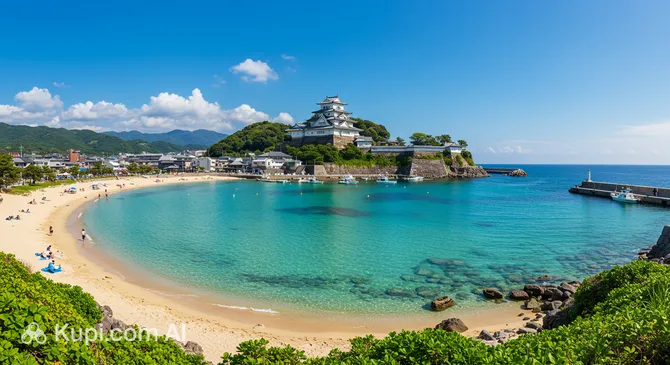
One of the main places to enjoy nature and the fresh sea air is Ohama Park. This vast coastal park is famous for its long white-sand beach, beautiful pine grove, and magnificent sea views. It is an ideal spot for leisurely walks, beach relaxation, picnics, and active games, and is particularly popular with families during the warmer months.
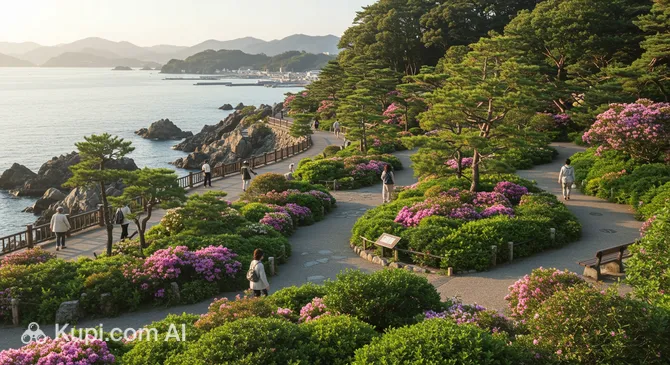
Another significant green zone definitely worth visiting is the area surrounding the famous Sumoto Castle Ruins. Although the castle itself is an important historical monument, the adjacent slopes of Mount Mikuma have been transformed into a well-maintained park. From here, breathtaking panoramic views of Sumoto City and the Kitan Strait open up. In spring, this spot is especially attractive due to the cherry blossoms, and in autumn, for the vibrant colors of the foliage.
For those interested in an in-depth study of local history and culture, a key site is the Sumoto City History and Folklore Museum (Sumoto Shiritsu Awaji Bunkashiryokan). Its exhibits feature artifacts telling the story of Awaji Island and Sumoto City from ancient times to more recent periods. Visitors can see everyday items, historical documents, archaeological finds, and works of local art, providing a deeper understanding of the region's unique heritage. Another important cultural institution is the Takadaya Kahei Museum. It is dedicated to the life and work of Takadaya Kahei, a prominent Edo-period merchant and navigator from Awaji Island. The exhibit details his contribution to the development of northern sea routes, trade, and even his role in Japanese-Russian relations in the early 19th century, making the museum particularly interesting for those fascinated by maritime history and international relations. Art and craft enthusiasts will find the Sumoto Artisan Square intriguing. This space brings together workshops, galleries, and shops where you can get acquainted with the works of local artists and craftsmen. Here, you can not only see traditional products and contemporary art from Awaji Island but also purchase unique handmade souvenirs.
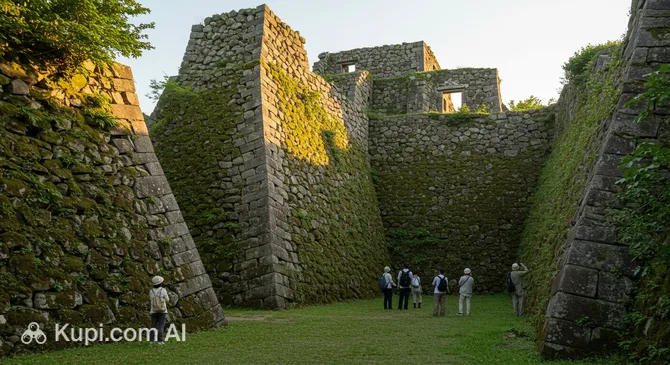
The city's central historical attraction is undoubtedly the majestic Sumoto Castle Ruins. Perched atop a hill, they serve as a silent reminder of Japan's rich feudal past. Climbing up to the ruins, visitors can not only touch centuries of history but also enjoy magnificent views of the surrounding landscapes. The main tower (tenshukaku), restored in the 20th century, though a modern reconstruction, provides a vivid idea of the castle's former grandeur and strategic importance.
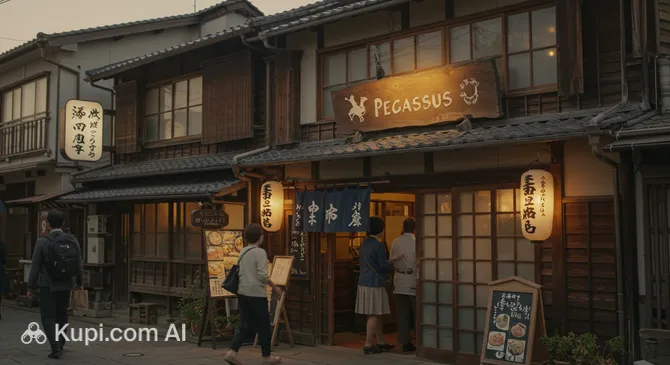
To get a more authentic experience of Sumoto, we recommend strolling through the city's old streets, where traditional Japanese houses and small craft shops can still be found. Also, if your trip coincides with one of the local festivals, don't miss the chance to attend—it's a wonderful opportunity to see vibrant local culture in action and interact with the residents.