Support

Miki

About

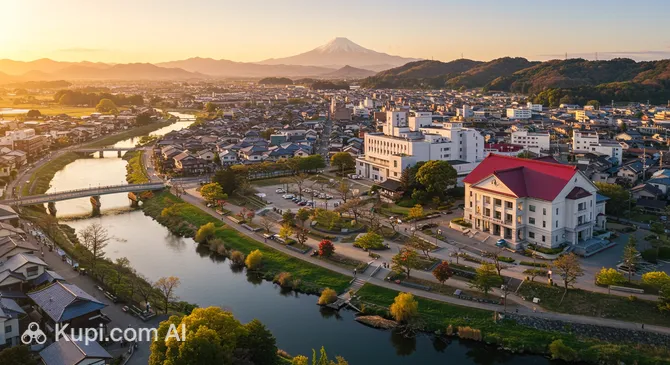
Miki is a cozy and authentic city located in Hyogo Prefecture on Honshu Island, about 30 kilometers northwest of Kobe. It lies in a picturesque valley surrounded by green hills and well-tended rice fields, creating a special atmosphere of seclusion and peace. This city is a wonderful destination for those who want to experience traditional Japan without losing touch with the modern world.

Miki. Illustration.
Source: Kupi.com AI

With a population of about 74,000 people, Miki maintains an intimate feel where every corner is steeped in history and respect for nature. The city is known for its relaxed pace of life and serves as an important administrative and cultural center in the Kinki region. Ancient temples, charming streets, and modern public spaces blend harmoniously here, creating a remarkably warm atmosphere.

Miki is famous for its hospitality: friendly residents, authentic craft shops, and numerous colorful festivals create a sense of true Japanese warmth. Tourists come here to enjoy leisurely walks, visit ancient shrines, and feel the spirit of provincial Japan, where traditions are carefully preserved and passed down through generations.

Miki is worth visiting for its unique combination of scenic nature, rich history, and vibrant cultural events. This city is perfect for both family trips and solo travelers seeking new experiences away from the tourist crowds and wishing to discover the heart of real Japan.

You can find more interesting facts on the history of Miki page.

Weather Overview

The climate in Miki is characterized by distinct seasonality. Summer, from June to August, is warm and humid: average temperatures range from 21.9°C to 27.6°C, and in July and August, the thermometer can rise above 30°C. July is also the month with the highest rainfall (9 mm) and number of rainy days (19). Winters, from December to February, are cool and drier, with average temperatures around 4.6°C - 6.4°C and minimum values dropping to 1.1°C. December is the driest month of the year (1 mm of precipitation). Generally, expect warm summers with occasional rain and cool, drier winters. You can find more detailed information on the Miki Climate page.

Average monthly temperature

Average monthly precipitation

Interesting Facts

Beyond its scenic landscapes and traditional atmosphere, the city of Miki holds many surprising details and lesser-known stories that make it a truly special place for the inquisitive traveler.

  • Miki is famous for its centuries-old blacksmithing traditions. Even today, high-quality knives and tools are produced here and known far beyond the borders of Japan. The secrets of the craft are carefully passed down from generation to generation, and the products of local blacksmiths are highly valued throughout the country and abroad.

  • One of the city's unexpected "landmarks" is the Misaka Siphon Bridge. This is not just an engineering structure, but a true marvel of its time, symbolizing Miki's drive for development and innovation even in historical designs.

  • In Miki, you can literally dive into the past by visiting the Old Ogawa Residence. This is more than just a house-museum; it is an opportunity to feel the atmosphere of life for wealthy merchant families of bygone eras and even participate in workshops on traditional Japanese crafts.

  • While Japan has many temples, some of Miki's shrines possess a unique aura. For example, Gayain Temple is considered a special "power spot" where one can find harmony and peace, while the Omiya Hachimangu Shinto Shrine not only serves as a protector for local residents but also acts as a center for colorful traditional festivals.

How to Get There

The city of Miki is located in Hyogo Prefecture, in close proximity to major transport hubs in the Kansai region. Thanks to this, traveling here is straightforward, whether by train or by plane. You can explore all ways to get to the city in more detail on our dedicated page; below, we will cover the main options.

There is no airport in Miki itself, but tourists can use the airports of neighboring metropolitan areas. The closest is Kobe Airport (UKB), located in the city of Osaka (administratively serving the Osaka Bay and Kobe region). The distance to Miki is about 28 km. This is a convenient option for domestic flights. A taxi or bus ride will take approximately 1 hour.

For international and major domestic flights, travelers often choose Kansai International Airport (KIX), also located in the Osaka area, about 47 km from Miki. This is the region's main air gateway with massive passenger traffic. The journey from here to central Miki by car takes about 1.5 hours. Another alternative is Itami Airport (ITM) in Osaka (41 km from Miki), which specializes in domestic flights; the trip will take roughly 1 hour and 20 minutes.

For your convenience, here is a summary of the main airports:

AirportPassenger trafficDistance
Kobe Airport3.6 mln28 km
Itami Airport14.8 mln41 km
Kansai International Airport30.6 mln47 km
Tajima57 19482 km
Tokushima Awaodori Airport2.3 mln82 km

Regarding rail travel, Miki can be reached via the Kobe Electric Railway (known as Shintetsu). The Ao Line runs through the city, with Miki Station being the main stop. Travelers usually transfer in the city of Kobe (for example, at Shinkaichi Station) to catch a train heading toward Miki. A train ride is an excellent way to enjoy the views of the suburbs and the hilly terrain of Hyogo Prefecture.

Main Attractions

Nestled in Hyogo Prefecture, the city of Miki boasts not only its famous blacksmithing heritage but also a variety of other interesting sites. Travelers can expect historical monuments as well as opportunities for outdoor recreation, allowing for a deeper connection with the culture and charm of this Japanese city.

One of the city's main "calling cards" is the Banshu Miki Uchihamono Museum (Blacksmithing Museum). Miki has been famous for its master blacksmiths for centuries, and this museum is the best place to learn about their art. Here, you will see an impressive collection of knives, tools, and other metal products, and learn about the history of the craft and the intricacies of the forging process. This is a unique opportunity to touch the living heritage of Japan and understand why products from Miki are valued across the country.

For nature lovers and active travelers, Miki Horseland Park is an excellent choice. This large and well-maintained complex offers more than just horseback riding or watching training sessions; visitors can simply enjoy the beautiful scenery, have a picnic, or attend one of the many seasonal events, including equestrian competitions. The park is especially popular for family outings and offers entertainment for visitors of all ages.

History buffs should visit the Miki Castle Ruins. A powerful castle once stood on this site, playing a significant role in the region's medieval history, particularly during a famous long siege. Although only stone foundations, wall fragments, and moats remain today, the surrounding area has been transformed into a picturesque park. It is a great place for a leisurely stroll—especially in spring during the cherry blossom season—and for reflecting on the city's rich historical past.

One cannot overlook the Omiya Hachimangu Shrine, an ancient and revered Shinto sanctuary. Dedicated to the deity Hachiman, the protector of warriors and agriculture, this shrine impresses with its traditional architecture, calm atmosphere, and beautiful, well-kept grounds. A visit to the shrine provides a deeper understanding of Japan's spiritual culture, an opportunity to observe local rituals, and a chance to enjoy the serenity of this sacred place.

Local Cuisine

The gastronomy of Miki is closely linked to the region's rich agricultural traditions. Travelers here can look forward to dishes prepared with the freshest local vegetables, newly harvested rice, and other gifts from the fertile land. The city's cuisine is distinguished by its authenticity and respect for seasonal products, offering guests a truly unique culinary experience.

Be sure to try "mizuyaki," one of Miki's signature dishes. it features tender chicken baked with aromatic local herbs and spices, often served in traditional taverns. It is also worth trying various seasonal vegetable dishes prepared according to old recipes. These dishes fully reveal the entire palette of flavors of the fresh produce grown in the city's surroundings.

Miki's farmers' markets are bustling with life, and here you can sample authentic street food. Popular choices include fried onigiri (rice balls) and sweet buns filled with bean paste. Don't miss out on tasting the local pickles and marinated vegetables—they perfectly complement any meal and pair wonderfully with a cup of freshly brewed green tea, the traditional drink of Japan. Regarding alcoholic beverages, local establishments offer traditional Japanese sake or local craft beer.

The dining culture in Miki is diverse: from cozy traditional taverns, where you can enjoy not only the food but also the atmosphere of Japanese hospitality, to lively farmers' markets. Locals and tourists alike also visit restaurants that serve dishes made from local ingredients. Throughout the year, the city hosts gastronomic festivals that are a true feast for the senses. This is a wonderful opportunity to learn about the region's culinary traditions, participate in workshops, and try dishes from Miki's best chefs.

Travel Tips

Welcome to Miki! To ensure your journey to this charming corner of Japan goes smoothly and leaves only pleasant impressions, we have prepared some practical tips. These will help you navigate better and enjoy every moment of your stay in the city.

  1. Clothing and Essentials: The climate in Miki, as in Hyogo Prefecture, is temperate with four distinct seasons. Summers (June-August) can be hot and humid, so choose light, breathable clothing. Winters (December-February) are cool, with occasional frosts, so warm clothes are a must. Spring and autumn are the most comfortable times with pleasant temperatures. Comfortable shoes are your best friend, as you will be doing a lot of walking. Don't forget a universal adapter (Japan uses type A and B sockets, 100V) and perhaps a small umbrella or raincoat, especially in spring and during the rainy season (June-July). When visiting temples and shrines, choose clothing that covers your shoulders and knees.

  2. City Transport: Your main public transport in Miki will likely be buses and possibly local rail lines connecting it to other cities in the prefecture. For a small city, these are the most common options. Taxis are available but can be quite expensive; apps like JapanTaxi or Go can be useful. Renting a car might be a good option if you plan to explore the outskirts of Hyogo Prefecture, but for getting around Miki itself, it is probably not necessary. Keep in mind that an international driving permit is required to rent a car.

  3. Finances: The official currency is the Japanese Yen (JPY). It is recommended to always carry some cash, as not all small shops, cafes, or temples may accept credit cards. You can exchange currency at banks or at the airport upon arrival. Major hotels and department stores usually accept international credit cards (Visa, Mastercard). ATMs that accept international cards can most often be found at Japan Post Bank branches (post offices) and in 7-Eleven stores. There is no tipping culture in Japan—attempting to leave a tip may be perceived as a misunderstanding or even impolite.

  4. Health and Safety: Japan as a whole is a very safe country, and Miki is no exception. Crime rates are low. Nevertheless, standard precautions are always appropriate. Pharmacies (look for signs saying "薬" (kusuri) or "Drugstore") are available in the city, but not all may have English-speaking staff or be open 24/7. It is recommended to carry a basic first-aid kit. Travel health insurance is highly recommended for unforeseen circumstances.

  5. Communication: The official language is Japanese. In tourist centers of major cities, staff may speak English, but in smaller cities like Miki, English proficiency may be lower. Learn a few basic phrases: "Konnichiwa" (Hello/Good day), "Arigato gozaimasu" (Thank you very much), "Sumimasen" (Excuse me/Sorry). For constant internet access, consider buying a local SIM card or renting a pocket Wi-Fi router—this is very popular in Japan. Free Wi-Fi is often available in hotels and some public places.

  6. Local Etiquette: Japanese people highly value politeness and respect for tradition. Greetings are usually accompanied by a slight bow. In public places, especially on transport, try not to talk loudly on the phone. Remove your shoes when entering private homes, some temples, traditional restaurants, and inns (ryokans). It is customary to eat neatly and not leave food behind.

  7. What to Avoid: Never stick your chopsticks vertically into a bowl of rice—this is associated with funeral rituals and is considered a bad omen. Also, avoid blowing your nose loudly in public; it is better to go to a restroom. These small gestures of respect will be highly appreciated by the locals.

  8. Miki's Specialty – City of Blacksmiths: Miki is known throughout Japan as the "Blacksmith Town" (金物のまち, kanamono no machi), famous for the production of high-quality knives, scissors, saws, and other metal tools. This is a unique feature of the city. Try to visit local workshops or specialized stores where you can not only buy authentic products but sometimes also watch the creation process. This is a wonderful opportunity to bring home a truly special souvenir.

We hope these tips make your stay in Miki even more comfortable and memorable. Enjoy the hospitality of this wonderful city and its unique atmosphere!

Entertainment & Nightlife

Evening in Miki offers guests a chance to immerse themselves in the authentic atmosphere of a Japanese city after sunset. While Miki, with its population of about 74,000, may not boast the bustling nightlife of a megacity, there are plenty of cozy spots for relaxation and a pleasant evening out.

The core of evening entertainment in Miki, as in many Japanese cities of this size, consists of traditional drinking establishments known as izakayas. These are wonderful places to try local dishes and drinks in a relaxed setting. You can also find small bars where locals gather, as well as karaoke boxes—a popular pastime in Japan. The atmosphere in such places is usually friendly and welcoming, encouraging conversation. Some restaurants also stay open late, offering dinner in a quiet environment.

Nighttime activity is generally concentrated around the railway station or on the city's main streets. The crowd is mostly local, and the style of establishments ranges from traditional to modern, without being overly pretentious. Most places come to life toward Friday evening and on Saturdays. The dress code is usually casual unless it is a special event.

When planning your evening leisure, keep in mind that many establishments may close earlier than those in larger cities. Prices are likely to be moderate. Public transport may run less frequently or stop altogether at night, so it is worth thinking about a taxi in advance. You can usually call a taxi by phone, use an app (if local services are available), or ask for assistance at your hotel.

In terms of safety, Miki, like most Japanese cities, is considered quite safe for evening walks. Nonetheless, standard precautions should always be taken. Sticking to well-lit streets and avoiding deserted areas is a standard recommendation.

While we currently do not have a list of specific recommended nightlife venues in Miki with links to their pages, you can easily find a suitable spot by walking through the central districts or asking for advice from locals or your hotel staff. Exploring on the spot often leads to the most interesting discoveries!

During the day, Miki also offers interesting leisure options. Guests can visit local parks for peaceful walks or explore cultural sites such as temples and shrines that reflect the history and traditions of the Hyogo region. There are also museums dedicated to local history or crafts, providing a deeper understanding of this unique corner of Japan.

Parks & Museums

The city of Miki, located in Hyogo Prefecture, offers its guests a harmonious blend of scenic green spaces for relaxation and interesting cultural sites that provide a deeper understanding of its history and unique traditions.

Among Miki's parks, Miki Sogo Bosai Park stands out. This is not just a vast green area with walking paths, sports facilities, and playgrounds perfect for families, but also a multifunctional park designed with disaster prevention measures in mind. Another wonderful place to connect with nature is Mikiyama Forest Park, which invites visitors to enjoy hiking trails amidst lush vegetation and admire the beauty of seasonal landscapes. These parks provide an excellent opportunity to escape the city bustle and enjoy the fresh air.

To explore the city's cultural heritage, consider visiting its local museums. The Miki City Horimitsu Art Museum showcases collections of local art and may be of interest to fans of painting and sculpture. Given that Miki is famous as a center for high-quality tools and knives, anything related to this craft is of particular interest. For example, a visit to the Miki Hardware Museum or exhibition centers like Miki Kajiya Village (Blacksmith Village) allows you to learn more about the history of blacksmithing, see unique products, and perhaps even watch the masters at work. This is a great way to experience the city's unique industrial culture.

The historical atmosphere of Miki can be felt by visiting local temples and shrines. One significant site is the Omiya Hachimangu Shrine, which, like many other such structures in Japan, serves not only as a place of worship but also as a guardian of the region's centuries-old history and traditions. A walk through its grounds allows you to enjoy the quiet and the beauty of traditional Japanese architecture.

For a more authentic Miki experience, we recommend exploring beyond the popular tourist spots. Peek into the small craft shops in the old quarters of the city, where you can find unique handmade items, or visit a local market to experience the daily life of residents and try local delicacies.

Getting Around

When planning your travel around Miki, you will find that public transport is quite convenient, though not as extensive as in major metropolises. The core of the city's transport system consists of local trains and buses that connect various districts and allow you to reach key points.

Buses are a vital part of Miki's transport network, serving routes both within the city and in its outskirts. Typically, you board the bus through the rear or middle door, where you must take a numbered ticket (整理券 - seiriken) if paying with cash. Payment is made upon exiting through the front door, next to the driver. The amount due is displayed on a screen at the front of the bus next to your ticket number. Transport IC cards are also widely accepted. The fare usually depends on the distance traveled.

The railway line, specifically the Kobe Electric Railway (Shintetsu), plays a key role in Miki's transport connections. Stations are located in different parts of the city, providing links to neighboring towns and the region's larger transport hubs. Trains run on a schedule that can be found at stations or online. This is a reliable way for longer trips within and outside the city.

The payment system in Miki is fairly standard for the region. The most convenient method is using rechargeable transport IC cards (for example, ICOCA, which is common in the Kansai region, though other popular Japanese IC cards like Suica or Pasmo are also compatible). The card can be used for both trains and buses by simply tapping it against the reader when entering and exiting. Of course, you can always pay with cash: to the driver on the bus, or for trains, by buying a ticket at a station machine. Sometimes, day passes may be available for certain routes or zones; it is worth checking at stations or with bus drivers.

Tourists should keep a few practical points in mind. Train tickets are purchased from machines at stations before boarding. On buses, if you don't have an IC card, have small change ready for the driver, as change might not be given or the process may be difficult. Transport usually starts running early in the morning (around 5-6 AM) and finishes near midnight, though schedules vary by day and route. Major signs at stations and on trains are often duplicated in English, but this is less common on buses, so having an IC card simplifies the process.

In addition to public transport, alternative ways of getting around are available in Miki. Taxis can be found at railway stations or ordered by phone; this is a more expensive but comfortable option. For a leisurely exploration of the city or its specific districts, consider bicycle rental—rental points are sometimes found at stations or tourist sites. If you plan to actively explore the surroundings of Miki and Hyogo Prefecture, renting a car could be a good solution, offering maximum freedom of movement.

Accommodation

When planning a trip to Miki, you will find a variety of accommodation options to suit different preferences and budgets. The city offers a choice ranging from more economical options, such as guest houses or small hotels, to comfortable mid-range hotels. You might also consider renting an apartment if you prefer more space and a home-like environment.

When choosing where to stay in Miki, look for areas with convenient access to transport hubs or the parts of the city you plan to visit most often. Although Miki is not a megacity, choosing a strategically located accommodation will help save time on travel. Some travelers prefer staying in traditional Japanese inns (ryokans), if available, to further immerse themselves in the local culture.

Prices for accommodation in Miki vary depending on the type of housing and the season. Generally, you can find options ranging from budget to mid-range. It is recommended to book your accommodation in advance, especially if your trip coincides with vacation periods, national holidays, or local festivals when hotel demand increases. The most common booking methods are popular online platforms and, in some cases, contacting the hotel directly.

Nearby Cities

For those looking to explore the surrounding area, Miki serves as an excellent starting point for day trips to several interesting nearby locations:

CityPopulationDistance
Ono47 3168 km
Harima33 82214 km
Kato40 72814 km
Kakogawa260 59514 km
Takasago87 22018 km

These nearby destinations offer a glimpse into the diverse culture and landscapes of the region.

Shopping & Souvenirs

Shopping in Miki is primarily an immersion into the world of traditional crafts for which this city in Japan is famous. Miki is known nationwide and abroad for its production of high-quality metal products, known as "Miki Kanamono" (Miki Hardware). Here, you won't find massive shopping malls with global brands, but rather cozy specialized shops and workshops where you can purchase unique knives, scissors, garden tools, and other handcrafted items that convey the spirit of Japanese craftsmanship.

The main shopping opportunities in Miki are centered around its pride and joy—"Miki Kanamono" products. Specialized shops and workshops can be found in various parts of the city. Particular attention should be paid to the area near the Miki Hardware Museum, where you can not only learn about the history of the craft but also buy authentic tools. Another popular place to buy local goods, including metalware, is the "Michi no Eki Miki" complex, a roadside station offering regional products.

Miki is not a city of large modern shopping centers with a wide selection of international brands. A trip here is more of an opportunity for connoisseurs of authentic goods and handicrafts. If you need everyday goods, you will find supermarkets and small local retail outlets, but for large-scale mall shopping, it is better to head to larger cities in Hyogo Prefecture.

While Miki may not have large tourist markets like some other Japanese cities, you can find small local markets or fairs, especially on weekends or during festivals. At these events, farmers and artisans may offer fresh seasonal produce, local delicacies, and handmade items. This is a great opportunity to get to know the city's daily life and buy something truly local.

The main and most valuable souvenir from Miki is undoubtedly "Miki Kanamono" ware. This could be high-quality kitchen knives known for their sharpness and durability, professional garden pruners, scissors for various needs, chisels, and other tools. Such a souvenir will be not only beautiful but also extremely practical. Additionally, you can look for other local products from Hyogo Prefecture, such as sake or traditional sweets, which can complement your experience of the region.

Most shops in Miki, especially the small and specialized ones, usually operate from 10:00 or 11:00 AM to 6:00 or 7:00 PM. Some family-run shops may have more flexible hours or a day off in the middle of the week. Regarding payment, while credit cards are becoming more common in Japan, small shops and workshops in Miki may still prefer cash. It is recommended to carry a sufficient amount of Japanese Yen, especially if you plan to shop at traditional establishments. Some places may also accept popular Japanese IC cards (such as ICOCA).

For foreign tourists in Japan, there is a Tax-Free system for purchases exceeding a certain amount (usually 5,000 Yen excluding tax) at licensed stores. When purchasing expensive "Miki Kanamono" items or other goods, look for stores with the "Tax-Free Shopping" sign. You will need to present your passport to process the tax refund. This is a good opportunity to save money when buying high-quality Japanese goods in Miki.
Reached the end of the page?

That means the route is fully explored