Support

Toyonaka

About

Toyonaka is a cozy and modern city located in the central part of Osaka Prefecture. Situated in close proximity to the north of the bustling metropolis of Osaka, it serves as a kind of quiet harbor where urban dynamics and the measured pace of everyday life harmoniously intertwine. With a population of over 400,000, Toyonaka is a major residential and educational center, attracting those who want to see the authentic side of Japan.

The city is famous for its well-developed infrastructure and abundance of greenery, which makes its atmosphere especially pleasant for walks. Here, traditions coexist with innovations: ancient shrines are hidden in the shade of trees next to modern university campuses. The fascinating history of Toyonaka as an important transport hub and cultural center is reflected in the architecture and lifestyle of the local residents, known for their hospitality.
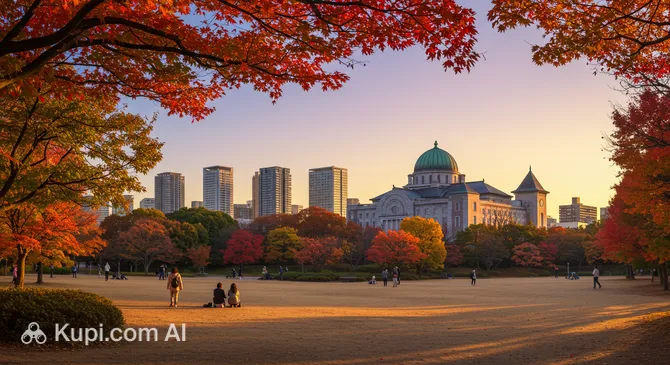
Toyonaka. Illustration.
Source: Kupi.com AI

Among the key attractions that make the city appealing to guests, the vast Hattori Ryokuchi Park stands out with its botanical gardens and recreation areas. No less interesting is the Open-Air Museum of Old Japanese Farm Houses, where you can immerse yourself in the atmosphere of the past. Thanks to its convenient location and excellent transport links, Toyonaka makes it easy to reach the main treasures of the Kansai region.

If you are looking for a place where you can relax from the hustle and bustle, enjoy hospitality and comfort, Toyonaka will be an excellent choice for your trip. It is a city that invites you to slow down and enjoy the moment surrounded by beauty and tranquility.
Weather Overview

The climate in Toyonaka is temperate, with clearly defined seasons, which makes the city interesting to visit almost all year round. However, to make your trip as comfortable as possible, you should familiarize yourself with the seasonal features beforehand. The current weather in Toyonaka will help you correctly plan your wardrobe and itinerary.

Winter (December–February) is cool here, but severe frosts rarely occur. The coldest month is January with an average temperature of 4.3°C and a minimum of around 0.8°C. This is also the driest period of the year: the precipitation level is only 1–2 mm, and the number of days with precipitation does not exceed 7–9 per month.

Spring (March–May) brings gradual warming. While in March the average temperature stays at 9.3°C, by May the air warms up to a comfortable 18.2°C. This is the time of nature's awakening, although the number of rainy days increases to 11–13 per month.

Summer (June–August) in Toyonaka is hot. The average temperature in August reaches 27.8°C, and daytime highs often exceed 31°C. July is characterized by the highest number of rainy days (up to 20 days), which is typical for the rainy season in the region.

Autumn (September–November) is the time when the heat subsides. In September it is still warm (average 24.2°C), but by November the temperature drops to 12.1°C. The amount of precipitation and wet days gradually decreases, returning to winter levels.

Expect a hot summer with frequent precipitation and cool, relatively dry winters.

Average monthly temperature

Average monthly precipitation

Interesting Facts

Beyond its main attractions, Toyonaka holds many fascinating secrets that reveal themselves only to the most curious travelers. This city combines a rich historical heritage with cutting-edge technology, offering guests unique discoveries.

  • Historical Crossroads. In the past, Toyonaka served as an important transit point on the busy trade routes connecting the ancient capital of Kyoto and commercial Osaka. Merchants and travelers often stopped here, which over centuries formed a special local culture of warmth and hospitality that can still be felt today.

  • City of Innovation. Toyonaka is known not only for its history but also for its forward-looking nature. One of Japan's leading research centers for robotics is located here. This makes the city a point of attraction for talented students and young scientists from all over the country, creating a unique atmosphere of scientific progress.

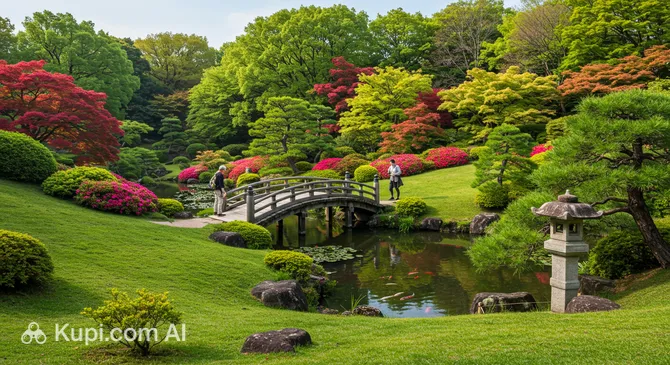
  • Sakura Viewing Traditions. In spring, the city is transformed, and locals follow the long-standing tradition of hanami — picnics under blooming cherry trees. One of the most picturesque places for this is Hattori Ryokuchi Park, where a truly fairy-tale atmosphere reigns during the blossom season. The Yodo River embankment is also popular, offering magnificent views.

  • Forge of Talent. The city is proud to be the birthplace of many famous Japanese artists, musicians, and athletes. Maintaining this reputation, Toyonaka annually hosts vibrant cultural festivals where local groups perform and new stage stars are born.

Hattori Ryokuchi Park. Illustration.
Source: Kupi.com AI

Traveler photos:

How to Get There

Toyonaka, thanks to its location next to the metropolis of Osaka, boasts excellent transport accessibility. The city is served by several major air hubs and has a developed railway network, making a trip here convenient for both international tourists and domestic travelers. You can learn more about how to get to Toyonaka by exploring various routes and choosing the most suitable one.

The nearest and most convenient air gateway is Itami Airport (ITM), often referred to simply as Osaka Airport. In fact, it is partially located within Toyonaka itself, although officially assigned to the city of Osaka, which is only 2.9 km from the center. This is the main hub for domestic flights. A trip from the terminal to the central districts of the city by taxi or bus takes only about 25 minutes.

For most overseas guests, the main gateway is Kansai International Airport (KIX). It is located in the city of Osaka on an artificial island, approximately 44.4 km from Toyonaka. This is a major international hub with a huge passenger flow. The journey from here by car or limousine bus will take approximately 1 hour and 30 minutes, and convenient rail links via Osaka are also available.

As an alternative, you can consider Kobe Airport (UKB). It is located in the city of Osaka (Kobe region), about 27.4 km from Toyonaka. This is a regional airport accepting mainly domestic flights. The journey by taxi or transfer from here will take about 1 hour.

For clarity, here is summary information on the main airports:

AirportPassenger trafficDistance
Itami Airport14.8 mln3 km
Kobe Airport3.6 mln27 km
Kansai International Airport30.6 mln44 km
Tajima57 194102 km
Tokushima Awaodori Airport2.3 mln107 km

As for rail transport, Toyonaka is integrated into the extensive train network of the Kansai region. Although there is no Shinkansen station in the city, getting here is very easy via neighboring Osaka. Travelers usually arrive at Shin-Osaka Station on a high-speed train and then transfer to the Midosuji Subway Line, which seamlessly transitions into the Kita-Osaka Kyuko Line, going directly to the center of Toyonaka (Senri-Chuo Station). The city is also served by the Hankyu Takarazuka Line, connecting it to central Osaka (Umeda Station) in just 15–20 minutes.

Main Attractions

Toyonaka, located in Osaka Prefecture, offers travelers a unique combination of modern amenities and a deep immersion into the history and culture of Japan. The city is rich in green parks and interesting museums that will make your stay here unforgettable.

One of the city's main gems is the Open-Air Museum of Old Japanese Farm Houses. This unique complex, located within Hattori Ryokuchi Park, is a collection of authentic farmhouses transported from all over Japan. Visitors can look inside the buildings to see how Japanese peasants lived in different eras. This is a true journey back in time and a wonderful opportunity to get acquainted with the country's traditional architecture and way of life.

The Hattori Ryokuchi Park itself is a huge green area, one of the largest in Osaka Prefecture. Here, you can not only visit the aforementioned museum but also enjoy walks along picturesque alleys, have a picnic on the lawn, visit the botanical garden, or even go horseback riding. The park is a favorite vacation spot for locals and offers many options for active and quiet outdoor leisure.

For fans of aviation and unusual views, Itami Sky Park is a must-visit. This park is located right next to the runway of Itami International Airport, making it an ideal spot for plane spotting. Multi-level observation decks offer a breathtaking view of taking off and landing airliners. It is especially beautiful here in the evening when the lights of the airport and the city create a magical atmosphere.

To touch the spiritual side of Japan, head to the Hattori Tenjingu Shrine. This ancient Shinto shrine is dedicated to Sugawara no Michizane, the deity of learning. Additionally, it is known as a place where people pray for leg health, making it popular among athletes and travelers. The calm atmosphere, beautiful architecture, and centuries-old trees create a sense of peace and harmony.

Local Cuisine

The gastronomic scene of Toyonaka is inextricably linked to the rich culinary traditions of the Kansai region, which is often called "the kitchen of Japan." Local food is distinguished by its rich taste, variety of textures, and soulful presentation. Here, away from the tourist bustle, you can try authentic dishes that locals eat every day.

The main stars of the local menu are dough-based dishes and seafood. Be sure to order okonomiyaki — famous "Japanese pancakes" based on cabbage, with meat, shrimp, or cheese added, generously topped with special sauce and mayonnaise. On the streets and during festivals, it is impossible to pass by the stalls with takoyaki — hot dough balls with pieces of octopus inside, served piping hot.

Thanks to its proximity to the ports of Osaka, fresh fish can always be found in Toyonaka's restaurants. Seafood lovers should try sushi and sashimi, the quality of which is top-notch here. Special attention is paid to seasonality: in summer, local chefs offer dishes made from nutritious eel, and in winter, delicate crab becomes the main delicacy.

The food culture in the city varies from quick snacks at farmers' markets to leisurely dinners in cozy establishments. For example, the popular restaurant Kadoya Hanten offers guests an immersion into the atmosphere of traditional hospitality and a taste of classic dishes. At the markets, you should look for homemade pickles and fresh fruit.

As for drinks, locals prefer chilled Japanese beer or sake, which perfectly complements the taste of fried dishes. For those who do not consume alcohol, green tea and green tea-based desserts are an ideal choice, as well as traditional mochi sweets, which are prepared here with special skill.

Travel Tips

Welcome to Toyonaka! To make your stay in this cozy and green suburb of Osaka as comfortable as possible, we have prepared a list of important practical recommendations that will help you feel confident in any situation.

  1. Clothing and Seasonality. The climate in Toyonaka is humid subtropical, so you should choose clothes according to the season. In summer (June–August), it is very hot and humid here — give preference to natural breathable fabrics. In winter, the temperature rarely drops below zero, but it can feel colder due to the humidity, so a warm coat and scarf are mandatory. Note that you will have to walk a lot, especially when visiting Hattori Ryokuchi Park, so comfortable flat shoes are your best friend.

  2. Transport Nuances. The most convenient way to get around is by train (Hankyu and Kita-Osaka Kyuko lines) and monorail. For fare payment, we strongly recommend purchasing an ICOCA card (or Suica/Pasmo equivalent). It will save you from having to buy tickets from machines every time and will be useful for paying in stores. Taxis in Japan are expensive, and the car doors are opened and closed automatically by the driver — do not try to do this yourself.

  3. Finances and Cash. The currency is the Japanese Yen (JPY). Despite technological developments, the country still remains loyal to cash payments. In small shops, old restaurants, or when buying tickets at temples, cards may not be accepted. Always have a supply of banknotes and coins with you. Withdrawing cash from international cards is easiest at 7-Eleven (Seven Bank) ATMs, which operate 24/7 and have an English menu.

  4. Communication and Internet. Free Wi-Fi is available at major stations and in cafes, but it is unstable for comfortable movement around the city. The best solution is to rent a pocket Wi-Fi router or buy a tourist SIM card right at Itami or Kansai Airport upon arrival. Install a translator app on your phone (e.g., Google Translate) with a photo translation function — this will be very helpful when reading menus and labels in shops.

  5. Etiquette and Silence. Toyonaka is a residential city, and peace is valued here. In public transport, it is categorically not accepted to talk on the phone; set your mobile to silent mode. If you enter a fitting room in a shop, a traditional restaurant, or a private house, be sure to remove your shoes. You can step on tatami in socks, but never in outdoor shoes.

  6. Trash and Cleanliness. One of the features that surprises tourists is the almost complete absence of trash bins on the streets. Be prepared to carry your trash with you to the hotel or the nearest convenience store (konbini), where there are bins for separate collection. Always have a small plastic bag with you for this purpose.

  7. What to Avoid. Never leave tips. It is not accepted here: excellent service is already included in the price, and an attempt to give extra money may embarrass or even offend the staff. Also, avoid eating on the go — it is considered bad form. If you bought a snack at a stall, it's better to eat it while standing near the place of purchase.

  8. Safety. Toyonaka is a very safe city where you can walk safely even in the evening. However, it's worth remembering natural phenomena: if your phone suddenly starts making a loud alarm sound — it's an emergency alert system (J-Alert) warning about an earthquake. Don't panic, look around to see how the locals behave, and follow their example.

Compliance with these simple rules will help you show respect for the local culture and avoid awkward situations. Toyonaka is a hospitable city, and knowing these subtleties, you can enjoy its atmosphere to the fullest!

Entertainment & Nightlife

Nightlife in Toyonaka is characterized by its calm and local nature, representing a cozy alternative to the noisy neon districts of neighboring Osaka. You won't find mega-clubs thumping until morning here; instead, you can immerse yourself in the authentic atmosphere of a Japanese suburb. Evening entertainment in Toyonaka is traditionally centered around socializing, delicious food, and singing. It is an ideal place to relax after a busy day in the company of locals, visiting one of the many "izakayas" (Japanese pubs) or intimate bars.

The epicenters of evening activity are the areas around major transport hubs, specifically Esaka and Senri-Chuo stations. The Esaka district, located in the south of the city, is considered the liveliest: restaurants, bars, and game centers are concentrated here. The crowd here is diverse—from "salarymen" (office workers) relaxing after work to students and tourists. The dress code in most establishments is casual, so you will feel comfortable in regular clothes.

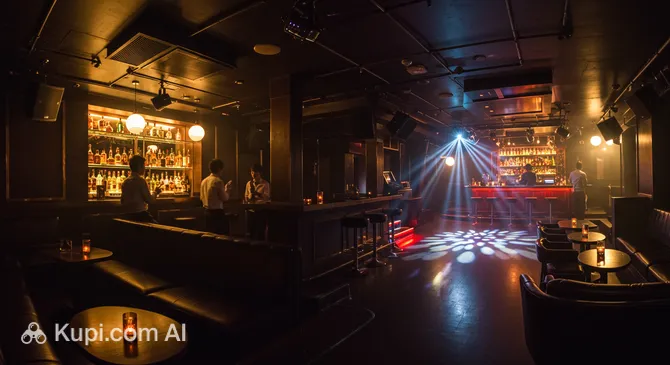
If you are looking for a place to relax with a cocktail and listen to music, you should check out the Lounge Nightclub. Similar establishments in Toyonaka are often cozy lounge bars where the emphasis is on a relaxed atmosphere and quality drinks rather than dancing until dawn. For those who get hungry during a night walk, Kadoya Hanten is an excellent choice. This is a popular spot where you can have a hearty dinner in a casual setting, which is especially valuable after long excursions.

Lounge Nightclub. Illustration.
Source: Kupi.com AI

Traveler photos:

Practical Tips and Safety:

  • Opening Hours: Most bars and restaurants are open until 11:00 PM – 12:00 AM. Some karaoke bars and chain establishments may stay open until morning, but this is rather an exception. The best time to visit is from 7:00 PM to 10:00 PM.
  • Transport: It is important to remember that trains and the subway in Japan stop running around midnight. If you stay out late, the only way to get to your hotel will be by taxi. At night (usually from 10:00 PM to 5:00 AM), fares increase by about 20%.
  • Prices: The average check in a local bar or pub will be from 2,000 to 4,000 yen per person, which is generally slightly lower than in the tourist center of Osaka. Some bars may charge a small entry fee or table charge, which often comes with a small snack called "otoshi."
  • Safety: Toyonaka is a very safe city. Night walks here do not pose a threat, but as in any unfamiliar place, you should keep an eye on your personal belongings and stay vigilant.

In addition to nightlife, Toyonaka offers daytime cultural entertainment. The city is known for its Performing Arts Center, which regularly hosts classical music concerts, theatrical productions, and opera performances. This is a great opportunity to enjoy high art in a modern and comfortable setting.

Parks & Museums

Toyonaka, snugly located in Osaka Prefecture, offers its guests a wonderful combination of peaceful green oases and deep immersion into the culture of Japan. This city is an ideal place for those who want to take a break from the noise of the metropolis without going far from its center and get acquainted with the historical heritage of the region.

One of the city's main green gems is Hattori Ryokuchi Park. This is a huge space where everyone will find something to their liking: there is a botanical garden, an equestrian club, several ponds, and even an open-air concert venue. The park is ideal for picnics, long walks, and sports. Another unique place is Itami Sky Park, located next to the airport. From here, a breathtaking view of the runway opens up, making it a popular spot for plane spotting.

To get acquainted with the history and lifestyle of the country, head to the Open-Air Museum of Old Japanese Farm Houses. On its territory, traditional rural houses from all over Japan are collected and carefully restored. Visitors can go inside, see authentic interiors, and imagine how people lived several centuries ago. This is a real journey back in time. The spiritual center of the city is the Hattori Tenjingu Shrine, dedicated to the deity of learning. This is a quiet and beautiful place where locals come to pray for success in their studies.

For those looking for less known but no less charming places, we recommend checking out the small Esaka Park. It is perfect for a short break during a walk around the city and allows you to feel like a local resident relaxing in the shade of the trees.

Getting Around

The public transport system in Toyonaka is distinguished by high efficiency, punctuality, and close integration with the transport network of neighboring Osaka. For tourists, the main way to get around is by train and monorail, which allow you to quickly reach both the center of the metropolis and the key attractions of the city itself. Thanks to clear navigation and station names duplicated in English, it won't be difficult to orient yourself here even for first-time visitors.

The main transport artery of the city is the railway lines. The Hankyu Takarazuka line crosses the city, connecting it to the major Umeda hub in Osaka. Another important line is Kita-Osaka Kyuko, which is effectively an extension of the Midosuji Subway Line; it leads to Senri-Chuo station, a major commercial and transport center. A unique feature of Toyonaka's transport system is the Osaka Monorail. This is not just an attraction, but an important mode of transport connecting the city with Itami Airport and other suburbs, bypassing the center of Osaka. A trip on the monorail also offers excellent panoramic views of the surroundings.

The bus network, managed mainly by the Hankyu Bus company, covers areas where trains do not reach. The buses are modern and comfortable, but for a tourist, their routes may seem slightly more confusing than the rail ones. Boarding the bus is usually through the back door, and exit is through the front door, where payment is made. There are schedules at the stops, but it's better to use navigation apps to plan complex routes.

The most convenient way to pay for travel is using contactless IC cards, such as ICOCA (the local card of the Kansai region), as well as Suica or Pasmo. They can be used to pay for trips on trains, subway, monorail, and buses by simply tapping on the turnstile or validator. You can buy and top up the card at special machines at any railway station. If you do not plan to travel much, you can buy one-time paper tickets at machines before each trip, but this takes time to calculate the fare according to the tariff grid.

As an alternative to public transport, taxis are popular in Toyonaka. They can be found at stands near stations (for example, at Toyonaka or Senri-Chuo stations) or hailed on the street (a glowing sign on the roof means the car is free). This is a convenient but rather expensive option, especially for trips with luggage. The urban environment also favors the use of bicycles: the terrain in many areas is flat, and bicycle rental points can often be found at stations, which is a great way to explore parks and residential neighborhoods.

Transport starts early in the morning, around 5:00 AM, and finishes service around midnight. It is important to remember that there is no 24-hour transport here, and after 12:00 AM, the only option remains a taxi. During rush hours (from 7:30 to 9:00 AM and from 5:30 to 7:30 PM), trains, especially towards Osaka, can be very crowded. In trains and buses, it is customary to observe silence: set phones to silent mode and refrain from loud conversations.

Accommodation

Where to stay:

Toyonaka offers travelers a balanced choice of accommodation, ranging from functional business hotels to cozy guest houses. Since the city is essentially a bedroom community of the Osaka metropolis, there is no abundance of luxury five-star resorts; however, guests can count on a high standard of cleanliness, comfort, and more affordable prices compared to the center of the neighboring metropolis. The core of the room stock consists of modern mid-range hotels and budget hotels catering to both business travelers and tourists.

When choosing a place to stay, it is worth focusing on transport hubs. One of the most convenient areas is the vicinity of Senri-Chuo station. This is a major transport hub from where it is easy to reach the center of Osaka and the airport. Hotels with good service are concentrated here, surrounded by shops and restaurants. Another popular location is the area around Itami Airport. Staying here is an ideal solution for those with an early flight or a late arrival. Hotels in this part of the city often offer free transfers to the terminal.

It is also worth considering accommodation options in the southern part of the city, bordering the Esaka district. Although administratively Esaka belongs to the neighboring city of Suita, the border with Toyonaka here is nominal, and this area is saturated with hotels, 24-hour establishments, and has direct access to the Midosuji Subway Line. For those who prefer home comfort and the ability to cook for themselves, apartment and flat rentals are available in Toyonaka through popular online platforms.

Booking Tips:

  • Plan Ahead: Although Toyonaka is not a major tourist center, the demand for accommodation increases sharply during the cherry blossom season (late March – early April) and "Golden Week" (May holidays). During these times, it is recommended to book rooms 2–3 months in advance.
  • Price Range: In general, staying here will be cheaper than in central Osaka (Umeda or Namba). Budget options start from economy class, and the mid-segment offers an excellent price-quality ratio.
  • Booking Methods: The most reliable way is to use major international aggregators or Japanese booking sites. Many hotels also accept direct bookings through their websites, where you can sometimes find special offers.

Nearby Cities

For those who want to explore the surroundings, Toyonaka serves as an excellent starting point for day trips to several interesting nearby places. Thanks to the developed transport network, you can easily reach neighboring cities, each of which has its own unique character.

Just 10 km away is Osaka — a vibrant and dynamic metropolis known as "the kitchen of Japan." It is worth going there to see the majestic Osaka Castle, walk under the neon signs of the Dotonbori district, and try the best street foods like takoyaki and okonomiyaki. This is an ideal option for those looking for entertainment and gastronomic discoveries.

To the west, about 13 km away, lies the city of Nishinomiya. It is famous nationwide for Koshien Stadium — the legendary arena for high school baseball — as well as its sake-making traditions. History and beverage lovers can visit the Nada district, where ancient breweries and sake museums are located.

If you are traveling with children or love attractions, pay attention to the city of Hirakata. Here you will find "Hirakata Park" — one of the oldest amusement parks in Japan, which offers a calmer and cozier alternative to the major theme parks.

CityPopulationDistance
Minoo134 4355 km
Minamisuita384 9535 km
Ikeda104 1486 km
Itami198 5226 km
Settsu86 1688 km

These nearby destinations allow you to get a sense of the diverse culture and landscapes of the region, making your stay in Toyonaka even richer and more interesting.

Shopping & Souvenirs

Shopping:

Shopping in Toyonaka is a great opportunity to get acquainted with the everyday life of the Japanese, away from the tourist crowds. The city offers a balanced combination of large modern complexes and cozy traditional shopping streets where you can find everything from fashionable clothes to unique local souvenirs.

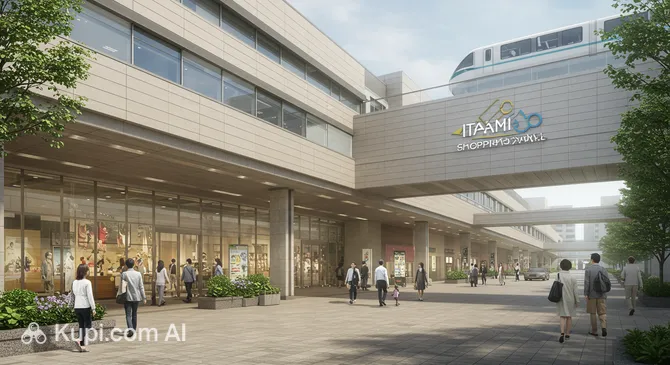
The focal point for shopping lovers is the area around the main railway stations. Department stores and malls offering a wide range of goods are located here. One of the popular places among locals and visitors alike is the Inami Shopping Center. In this complex, you can not only update your wardrobe but also purchase high-quality Japanese cosmetics, household goods, and electronics. Spacious halls and easy navigation make the shopping process here comfortable and relaxed.

Itami Shopping Mall. Illustration.
Source: Kupi.com AI

Traveler photos:

Special attention should be paid to gastronomic shopping. Since part of the city's territory is occupied by Itami Airport, travelers have access to a magnificent selection of edible omiyage souvenirs from all over the Kansai region. In the airport and city shops, you can find beautifully packaged sets of traditional wagashi sweets, elite varieties of green tea, and local delicacies that will make an excellent gift for loved ones.

For those looking for an authentic atmosphere, we recommend taking a walk through the covered shopping streets — shotengai. Here, in small family-run shops, fresh products, handmade ceramics, and kimonos are sold. These are ideal places to feel the spirit of old Japan and find unusual items that you won't find in large chain stores. And if you want luxury brands, a trip to the Umeda shopping district in neighboring Osaka will take only 15–20 minutes by train.

Reached the end of the page?

That means the route is fully explored