Support

Oyamazaki

About

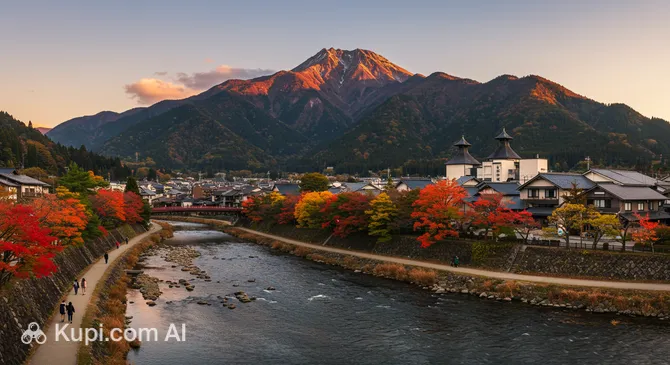
Oyamazaki is a cozy and picturesque town tucked away in a green valley on the border of two famous prefectures. Located between ancient Kyoto and dynamic Osaka, this area offers travelers a rare opportunity to enjoy the peace and harmony for which Japan is famous. The town literally hugs the foot of the hills, and its unique natural landscape is shaped by the confluence of the Katsura and Uji rivers.

Oyamazaki. Illustration.
Source: Kupi.com AI

With a population of about 16,000, Oyamazaki retains the charm of a slow-paced provincial life. There is no hustle and bustle of big metropolises here; instead, you will find narrow streets, traditional houses, and cozy tea shops creating a unique atmosphere. The deep history of Oyamazaki has turned it into an important cultural hub of the region, serving as a kind of gateway between the past and the present.

Tourists come here to breathe the clean air, admire views that have inspired poets for centuries, and discover the authentic aesthetics of the country. If you are looking for a place for leisurely walks and finding peace of mind away from noisy crowds, Oyamazaki will be an ideal stop on your itinerary.

Weather Overview

When planning your trip, it's important to consider the regional seasonal characteristics. The current weather in Oyamazaki is characterized by a clear change of seasons, typical for this part of Kyoto Prefecture. The climate here is quite mild, but has its own nuances for which travelers should prepare in advance.

Spring is a time of nature's awakening: while in March the average temperature is about 9.1°C, by May the air warms up to a comfortable 18.0°C. Summer in Oyamazaki is hot and humid. The hottest month is August, with average highs around 31.1°C. July brings not only heat (averaging 26.3°C) but also heavy rainfall — up to 20 rainy days per month, so an umbrella will be a mandatory accessory.

In autumn, the heat subsides, and by October, a pleasant temperature of around 17.5°C is established. Winter months here are cool but not extremely frosty. In January, average figures stay at 3.9°C, and night temperatures can drop almost to zero (0.4°C). Expect a warm summer with occasional rain and cool, relatively dry winters.

Average monthly temperature

Average monthly precipitation

Interesting Facts

In addition to its main attractions, Oyamazaki holds many fascinating secrets and historical mysteries that make this town a truly unique place. Great events of the past and the refined culture of the present are intertwined here.

  • A turning point in history. Oyamazaki is the place where the fate of the state was decided in 1582. The famous Battle of Yamazaki, in which Toyotomi Hideyoshi emerged victorious, became the starting point for the unification of fragmented lands, shaping the country that Japan is today.

  • Western-style villa. The town boasts an unusual architectural site — the Asahi Beer Oyamazaki Villa Museum of Art. It is located in an old villa built in a European style, which creates a surprising contrast with traditional Japanese landscapes. The museum houses masterpieces of Eastern and Western art.

  • Legendary tea water. Local mineral water sources are considered among the best in the region. Due to their purity and taste, Oyamazaki became an important center for tea culture: it is said that the most exquisite varieties of matcha powdered tea are prepared using this water.

  • Four Seasons Garden. The territory around the museum and temples is famous for its views, which change beyond recognition depending on the time of year. In spring, you can enjoy cherry blossoms in a secluded atmosphere, and in autumn, the gardens flare up with the bright colors of maple leaves.

How to Get There

Thanks to its convenient location between two major metropolises, getting to the town is quite simple. You can explore all the ways to reach the city to plan your route as efficiently as possible. The main flow of tourists arrives here via the transport hubs of neighboring Osaka, which has excellent connections.

There is no airport in the town of Oyamazaki itself, but you can fly into Itami Airport (ITM) in Osaka, which is located just 26 km from Oyamazaki. This is the nearest major aviation hub, handling many domestic flights. The journey from there by taxi or car will take about 1 hour. This is a convenient option for those already traveling within the country.

For international travelers, the main gateway is Kansai International Airport (KIX), also located in Osaka (approximately 67 km from Oyamazaki). This is a huge hub with high passenger traffic, receiving flights from all over the world. A trip from Kansai by car will take approximately 2 hours. It is also worth considering Kobe Airport (UKB), located 51 km away, from which the journey will take about 1 hour and 40 minutes.

For clarity, here is summary information on the main airports convenient for reaching the region:

AirportPassenger trafficDistance
Itami Airport14.8 mln26 km
Kobe Airport3.6 mln51 km
Kansai International Airport30.6 mln67 km
Chubu Centrair International Airport12.3 mln102 km
Tajima57 194106 km

Railway connection is one of the most popular ways to get to Oyamazaki, as the town is located on key lines connecting Kyoto and Osaka. Yamazaki Station (JR Line) and Oyamazaki Station (Hankyu Line) are within walking distance of each other and allow tourists to reach their destination quickly and comfortably from the centers of neighboring metropolises in just 15–30 minutes.

Main Attractions

Despite its compact size, Oyamazaki offers travelers a surprising blend of history, art, and culinary discoveries. The town's main attractions are linked to the region's unique nature and its rich cultural heritage. Here are the places you should definitely include in your itinerary.

Suntory Yamazaki Distillery is perhaps the most famous tourist magnet in the area. This is where the history of Japanese whisky began. Founded in 1923, the distillery uses the famous local water, which gives the drinks a special, soft taste. Visitors can book a tour, learn about the intricacies of production, and, of course, taste exclusive varieties in the whisky library. This place is a true mecca for connoisseurs of fine spirits.

Another gem of the town is the Asahi Beer Oyamazaki Villa Museum of Art. The museum is located in an exquisite Taisho-era mansion built in a Western style, with a modern wing designed by the famous architect Tadao Ando. The collection includes ceramics, lacquerware, and even works by Claude Monet from the "Water Lilies" series. A walk through the picturesque garden surrounding the villa offers tranquility at any time of year.

For lovers of outdoor activities and history, it's worth climbing Mount Tennozan. It is not just a nature park with excellent hiking trails, but also a landmark historical site where a decisive battle took place in 1582. The summit offers a breathtaking panoramic view of the confluence of three rivers and the plains stretching below. The climb is not too difficult and is suitable for most travelers wishing to enjoy nature.

Also worth noting is Hoshaku-ji Temple, located on the slope of Mount Tennozan. This ancient Buddhist temple preserves important cultural values and legends. Here you can see a famous pagoda and wooden statues, as well as pray for good luck — the temple is believed to bring success in business. The silence and peace of this place create a striking contrast with the hustle and bustle of modern life.

Local Cuisine

The cuisine of Oyamazaki is a harmonious blend of refined Kyoto traditions and the hearty simplicity of Osaka. Thanks to the famous local water, the town has become a true center for the production of drinks and sweets. The main gastronomic pride here is matcha tea. It is not only drunk during ceremonies but also masterfully used in cooking: local confectioneries offer exquisite wagashi (traditional desserts) and seasonal cakes with a rich tea flavor, inspired by the beauty of nature.

The town's gastronomic scene is surprisingly contrasting. On one hand, you can enjoy kaiseki-ryori haute cuisine — a traditional multi-course meal where every detail of presentation is important. On the other hand, Oyamazaki is famous for its accessible and incredibly tasty street food. While walking through the streets, be sure to try hot yakisoba, sweet fish-shaped taiyaki cakes, or fresh onigiri made from premium local rice.

A special place in the food culture is held by products from small farmers' markets. On the menus of cozy cafes and restaurants, you will often find homemade tofu with a delicate texture and crispy pickled vegetables prepared according to old family recipes. Locals and tourists alike prefer establishments that use these seasonal ingredients, allowing them to experience the true taste of the region.

Speaking of drinks, it is impossible to overlook the two "elements" that have made this region famous. The undisputed leader among non-alcoholic drinks remains high-grade green tea. As for alcohol, Oyamazaki is known worldwide for its Japanese whisky. The purest water from local sources used in its production gives the drink that very soft and deep taste appreciated by gourmets.

The best time for a deep immersion into culinary traditions is during local food festivals. At this time, the town is filled with the aromas of fresh pastries and fried delicacies, and residents happily share the secrets of their craft. This is an ideal chance to feel the atmosphere of authentic Japan through its tastes and aromas.

Travel Tips

A trip to Oyamazaki promises to be an unforgettable experience of immersion into a quiet provincial life at the junction of two prefectures. To ensure your vacation is as comfortable as possible and without organizational hitches, we have prepared a list of practical recommendations to help you properly plan your trip to this picturesque corner.

  1. Clothing and Equipment. The climate in the region is humid, so in summer, prefer light, breathable fabrics, and in winter, don't forget a windproof jacket. Since visiting Mount Tennozan and walking through gardens requires activity, be sure to bring comfortable, broken-in flat shoes. If you plan to visit temples, choose modest clothing that covers shoulders and knees.
  2. Transport Logistics. Oyamazaki is very compact, and the best way to get around is on foot. The town is well-connected by rail: JR Yamazaki and Hankyu Oyamazaki stations are very close to each other. For paying for train and local bus fares, it's most convenient to use rechargeable transport cards (IC cards, such as ICOCA or Suica). Taxis can be found near the stations, but are rarely needed for short distances.
  3. Financial Matters. The official currency is the Japanese yen. Although the Asahi Beer Museum and the distillery accept cards, Oyamazaki is still a small town. Small cafes, souvenir shops, and temples often only accept cash. Withdraw money in advance, as ATMs with international interfaces may not be on every corner. Remember that tipping in the country, including Japan, is not customary — excellent service is considered the norm here.
  4. Health and Safety. It is a very quiet and safe place. Tap water in Oyamazaki is famous for its quality and purity; it can be drunk without concern. Pharmacies are available, but they usually close fairly early (around 6:00 PM – 7:00 PM) and do not operate 24/7, so it's better to have a basic first-aid kit with you.
  5. Communication and Language. Locals are very friendly, but English proficiency may be lower than in neighboring Osaka or Kyoto. We recommend installing a translator app on your smartphone in advance with offline capabilities (e.g., Google Translate). Free Wi-Fi is available at stations and in museums, but for stable connection on the streets, it's better to rent a pocket router or buy a tourist SIM card at your arrival airport.
  6. Local Etiquette. Oyamazaki is a quiet residential area where peace is valued. Observe silence on the streets and in public transport, and do not talk loudly on the phone. When entering traditional establishments or homes, be sure to remove your shoes if you see a special step (genkan). It is customary to greet locals with a slight bow.
  7. What to Avoid. It is strictly not recommended to enter private territories, including bamboo groves, unless they are part of a public park. Also, avoid being late: if you have a booked visit to the distillery or museum, arrive 10–15 minutes before the start. In Japan, punctuality is a sign of respect, and if you are late, your reservation may be canceled.
  8. Planning Tip. If your main goal is the legendary Suntory Yamazaki Distillery, book your tour several months before your trip. Spots fill up instantly. If you can't get on a tour, you can still visit the museum area and the factory shop (entry is often free or for a nominal fee, but it's better to check current rules on the website).

By following these simple tips, you can avoid minor troubles and focus entirely on contemplating the nature and historical heritage of Oyamazaki. We wish you a smooth journey and many pleasant discoveries in this charming Japanese town!

Entertainment & Nightlife

Nightlife in Oyamazaki is not about noisy clubs with neon signs and dancing until dawn, but rather a cozy, intimate immersion into authentic Japanese leisure culture. The town falls asleep quite early, and evening entertainment here is concentrated around gastronomy and leisurely conversation. It is an ideal place for those who want to feel the atmosphere of "old Japan," where evenings are spent in small establishments over a glass of a local drink and heartfelt talks.

The main evening activity buzzes in the area of two railway stations — JR Yamazaki and Hankyu Oyamazaki. The distance between them is only a few minutes' walk, and it is on the adjacent streets that you can find most local establishments. There are no pretentious restaurants with dress codes; instead, you will be greeted by traditional izakaya (Japanese gastropubs) with glowing red paper lanterns over the entrances. The atmosphere in such places is very casual and friendly: office workers after work, locals, and occasional tourists all relax here.

The main "highlight" of the town's bar scene is, undoubtedly, whisky. Since Oyamazaki is the home of the famous distillery, even the simplest local bars and cafes will offer you an excellent selection of this spirit. Many establishments take pride in serving exclusive varieties produced literally next door. We recommend stopping by cozy bars near the station, such as Hermit Green Cafe (a popular spot with a view of the station where you can have wine or a cocktail in the evening) or small family-run yakitori shops serving chicken skewers with your drinks.

If your heart craves dancing, loud music, and large-scale parties, Oyamazaki's strategic location works in your favor. The town is only a 15–20 minute train ride from the lively Umeda district in Osaka, which is one of the nightlife centers of the Kansai region. Many travelers prefer to dine in peaceful Oyamazaki and head to the neighboring metropolis for club entertainment, returning by taxi or the last train.

Practical tips for evening outings:

  • Opening hours: Most local restaurants and izakayas close fairly early, around 10:00 PM – 11:00 PM. Plan your dinner in advance.
  • Safety: Oyamazaki is an exceptionally safe town. You can safely walk here at any time of day, even alone. The streets are well-lit, and the crime rate is near zero.
  • Transport: The last trains from Osaka and Kyoto leave around midnight (be sure to check current schedules in apps). If you stay late, a taxi from Osaka will be expensive, but it is always an available option.
  • Prices: The average bill in local establishments is lower than in the tourist centers of Kyoto. Dinner with drinks at an izakaya will cost approximately 3,000–5,000 yen per person.

During the day, Oyamazaki offers a completely different pace. Before evening sets in, it's worth visiting cultural sites such as the Asahi Beer Oyamazaki Villa Museum of Art, where you can enjoy art and architecture, or take a hike along the historical trails of Mount Tennozan. These places are beautiful in daylight, but it is an evening in a local bar that will allow you to see the true, non-tourist face of this cozy town.

Parks & Museums

Oyamazaki is a town where natural beauty harmoniously intertwines with a rich cultural heritage, offering tourists an ideal balance between active recreation and art contemplation. Despite its modest size, it concentrates unique green zones and world-class museums that make this place a true find for travelers tired of the bustle of metropolises.

Parks and Natural Areas

The main natural landmark of the town is Mount Tennozan. It is not just an elevation, but a real nature park with a network of well-maintained hiking trails passing through dense bamboo groves and mixed forests. The climb to the summit (270 meters) takes about an hour and is manageable even for unprepared tourists. Observation decks are equipped along the route, offering breathtaking views of the confluence of three rivers — the Katsura, Uji, and Kizu. This place is especially popular in autumn, when the slopes are painted in crimson tones, and in spring, during the wild cherry blossom season.

For more relaxed walks, the Garden at Oyamazaki Villa is perfect. The territory around the art museum is a landscape masterpiece that changes its appearance from season to season. Here you can walk along winding paths among koi ponds, stone lanterns, and centuries-old trees. The garden is designed to provide a sense of solitude and peace, and in spring, it becomes one of the best places in the area to admire weeping cherry blossoms in silence.

Museums and Galleries

The cultural gem of the region is rightfully considered the Asahi Beer Oyamazaki Villa Museum of Art. The uniqueness of this place lies in the architectural dialogue of eras: the main collection is housed in an old Tudor-style mansion, to which a modern underground wing designed by the legendary architect Tadao Ando has been added. The museum features an impressive collection of ceramics, as well as Claude Monet's famous "Water Lilies" series of paintings. Visiting the gallery is an aesthetic journey from European Impressionism to Japanese folk art.

Another iconic location is the Suntory Yamazaki Whisky Museum. Even if you don't plan a tasting, the exhibition itself deserves attention. The two-story museum tells the story of the birth of Japanese whisky and the life of its founder, Shinjiro Torii. Thousands of samples of the amber liquid, vintage bottles, and equipment from years past are on display here. The atmosphere of the place is imbued with respect for craftsmanship and tradition, and the interiors are reminiscent of the golden age of industrialization.

History buffs will be interested in the Oyamazaki Town Historical Museum. Although small, the exhibition provides a deep understanding of the town's role as an important transport hub and the site of the legendary battle of 1582. It houses archaeological finds, old maps, and documents that allow you to look at familiar landscapes through the prism of centuries.

Insider Tip: Look out for the Tai-an tea room, located in Myoki-an Temple. This is one of the oldest tea rooms in Japan, designed by the great master Sen no Rikyu, and it has the status of a National Treasure. You can only get inside by prior written request a month in advance, but even an external inspection of the temple grounds gives a sense of touching eternity.

Getting Around

Oyamazaki's transport system is simple and convenient, due to the town's compact size. There is no local subway or tram lines typical of metropolises. The main load falls on railway connections, bus routes, and pedestrian infrastructure. Town life is centered around two railway stations, which are within walking distance of each other and serve as the main landmarks for travelers.

Trains are the primary mode of transport not only for leaving the town but also for moving around the region. Yamazaki (JR) and Oyamazaki (Hankyu) stations are located so close together that transferring between them takes only a few minutes' walk. This allows tourists to plan routes flexibly. Trains run frequently, usually with an interval of 10–15 minutes, eliminating the need for long waits on the platform.

For trips within the town and to distant residential areas, buses operated by Hankyu Bus are used. The route network covers main streets and connects the stations with the foothills. In this region, entry to the bus is traditionally through the back door, and exit is through the front door. Be sure to take a ticket upon entry if paying in cash, so the driver can calculate the fare based on the distance.

The payment system is unified and very convenient. The easiest way is to use rechargeable transport IC cards (such as ICOCA, Suica, or Pasmo). They can be used to pay for travel on trains by simply tapping them at the turnstile, as well as on buses upon exit. If you don't have a card, train tickets are purchased from machines for cash, and on the bus, payment is made in coins into a machine next to the driver. Note that changing large denomination bills inside the bus can be problematic.

As an alternative to public transport, taxis are popular. Taxi stands are located right at the exits of both railway stations. This is an excellent option if you are traveling with bulky luggage or want to comfortably reach the villa-museum on the hill. Taxi-hailing apps work, but in such a small town, it's faster and more reliable to take a car from an official stand.

For lovers of active recreation, bicycle rentals are available, with points found near the stations. This is a great way to explore the flat part of the town and the riverfronts. However, remember that some attractions are located on an incline, and a trip there will require some physical effort.

Practical tips for tourists: public transport operates from approximately 5:00 AM until midnight. Try to avoid rush hours (7:30 AM to 9:00 AM and 5:30 PM to 7:00 PM) when trains are crowded with people commuting to neighboring large cities. It is mandatory to validate tickets or cards: at stations — when entering and exiting through the turnstile, on buses — by tapping the card on the reader twice (entry and exit) or paying cash at the end of the trip.

Accommodation

Oyamazaki is a compact town where hotel infrastructure has its own unique characteristics. Here you won't find huge resort complexes, skyscrapers with chain hotels, or noisy hostels. The main accommodation options are cozy guesthouses, small apartments, and traditional Japanese inns, which allow you to feel the authentic atmosphere of a quiet province.

The most convenient and popular area to stay is the zone around the JR Yamazaki and Hankyu Oyamazaki railway stations. By staying here, you will be within walking distance of the main attractions, including the famous distillery and the art museum. Moreover, this is a strategically advantageous location: while living in the silence at the foot of the mountains, you can reach the center of Kyoto or Osaka in just 15–20 minutes by train.

Since the choice of accommodation directly within the town limits is limited, many travelers consider Oyamazaki as a day-trip destination. However, if your goal is to enjoy the morning silence and views of the misty rivers without the crowds of tourists, it is worth looking for local minshuku (family-run inns). Staying in such a place will provide a unique cultural experience and homey comfort unavailable in large hotels.

Price range and booking

The cost of staying in Oyamazaki generally ranges from budget to mid-range, often making it a more affordable option compared to overcrowded Kyoto. Due to the limited number of offers, it is recommended to search and book accommodation well in advance, especially if your trip coincides with peak seasons — spring (cherry blossom) and autumn (red maple season). For booking, it is better to use major international online platforms, as direct communication with owners of small guesthouses may require knowledge of the Japanese language.

Nearby Cities

For those who want to explore the surrounding areas, Oyamazaki serves as an excellent starting point for day trips to several interesting nearby locations. Thanks to the well-developed railway network and its convenient location on the border of prefectures, travelers can easily swap provincial quiet for the rhythm of major historical centers in just a few minutes.

CityPopulationDistance
Yawata70 3733 km
Muko56 1525 km
Kumiyama15 2005 km
Takatsuki347 4969 km
Joyo74 35610 km

Among the featured destinations, Kyoto stands out — the country's ancient capital, located very close by. It is an ideal choice for a classic day trip: here you can see famous temples such as the Golden Pavilion (Kinkaku-ji) or the Fushimi Inari Shrine with its thousands of red gates, as well as take a walk through the historical Gion district.

The city of Uji is also worth a visit. Like Oyamazaki, it is famous for its deep connection to tea culture. Here you will find the magnificent Byodo-in Temple, a UNESCO World Heritage site, and the oldest tea shops where you can taste benchmark matcha tea.

Lovers of waterscapes should head to Otsu, situated on the shores of Lake Biwa — Japan's largest freshwater lake. This place offers excellent opportunities for water cruises, relaxing on the waterfront, and visiting ancient monasteries such as Mii-dera.

These nearby destinations provide an insight into the diverse culture and landscapes of the region, harmoniously complementing the impressions of a visit to Oyamazaki.

Shopping & Souvenirs

General Overview

Shopping in Oyamazaki is fundamentally different from what neighboring metropolises offer. Here you won't find huge department stores, high-fashion boutiques, or noisy shopping districts. This town is about atmosphere, authenticity, and unique local products. Oyamazaki is famous for its water quality, bamboo groves, and historical heritage, so purchases here are mainly related to gastronomy, crafts, and art. It is an ideal place to find exclusive souvenirs that cannot be bought in mass-market stores.

Main Shopping Areas and Streets

The town's entire commercial life is concentrated in a compact zone between the JR Yamazaki and Hankyu Oyamazaki railway stations. Strolling through the narrow streets connecting these transport hubs, you will find small family shops, wine stores, and cozy bakeries. There is no single main shopping avenue in the usual sense; rather, it is a scattering of shops integrated into residential areas where owners know their customers by name.

Shopping Centers

There are no large shopping centers or malls in Oyamazaki itself. The town retains its provincial charm, avoiding large-scale commercial development. If your goal is major shopping for clothing or electronics, it is better to take the train: in just 15–20 minutes you can reach large shopping complexes in the neighboring cities of Takatsuki or Kyoto. In Oyamazaki, you should enjoy the intimacy of local shops.

Markets

Although there is no large central market in the town, small sales points of local farmers, often operating in the mornings, are popular here. In season, you can buy fresh bamboo shoots — a local delicacy the region is proud of. There are also shops with homemade pickles (tsukemono) and seasonal vegetables grown in the surrounding valleys. This is an excellent opportunity to try the real tastes of the countryside, which Japan values so much.

Souvenirs

The choice of souvenirs in Oyamazaki is small, but every item here has its own story and value:

  • Suntory Distillery Goods: At the shop of the famous distillery, you can purchase not only whisky (availability of which depends on stock) but also branded glasses, smoked nut snacks, chocolate with whisky, and even barrels repurposed into interior items.
  • Museum Souvenirs: The shop at the Asahi Beer Oyamazaki Villa Museum of Art offers exquisite stationery, reproductions of paintings (including works by Monet), and handmade ceramics.
  • Tea Sweets: Due to the proximity to tea plantations, local confectioneries offer magnificent sets of wagashi and matcha-flavored cookies.
  • Bamboo Products: The region is historically famous for its bamboo, so you can find high-quality chopsticks or kitchen utensils here.

Opening Hours and Payment

Most shops in Oyamazaki open around 10:00 AM and finish work quite early — at 6:00 PM – 7:00 PM. Exceptions are 24-hour konbini (convenience stores) near the stations. Regarding payment, the museum shop and the distillery accept credit cards without problems. However, small private shops, bakeries, and cafes still prefer cash. It is highly recommended to carry small bills and coins.

Tax Free

The tax refund system (Tax Free) is rare in Oyamazaki. It may be available at the Suntory Yamazaki Distillery souvenir shop for purchases over a certain amount (usually 5,000 or 5,500 yen), but you shouldn't count on this option in regular town shops. Be sure to have your passport with you if you plan on making major purchases at tourist spots.
Reached the end of the page?

That means the route is fully explored