Support

Uji

About

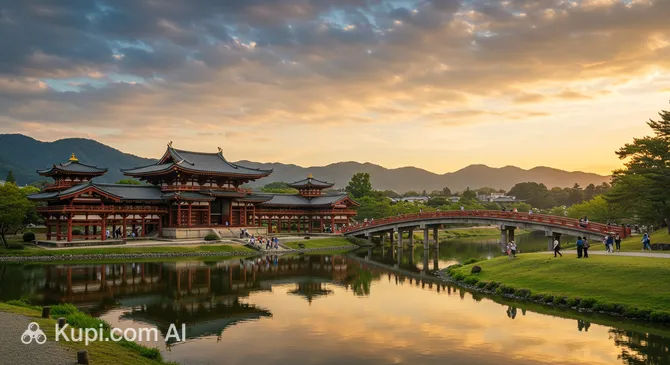
Uji is a true emerald on the map of Japan, nestled in a picturesque valley between the ancient capitals of Kyoto and Nara. Located just a few kilometers south of Kyoto City, the administrative center of the prefecture of the same name, Uji stretches across both banks of the Uji River. A trip here is a chance to see the country without the hustle and bustle of megacities, to immerse yourself in an atmosphere of tranquility and harmony where nature and history go hand in hand.
Uji. Illustration.
Source: Kupi.com AI

With a population of about 180,000, Uji retains the cozy feel of a provincial town while boasting a rich cultural heritage. The city is known worldwide as a center for elite tea production, specifically the famous "Ujicha" tea. Many tea traditions originated here and are carefully preserved to this day.

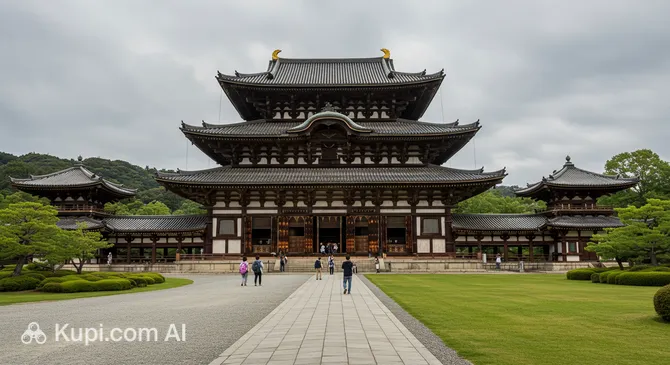
In addition to tea, Uji is famous for its ancient temples, several of which are included on the UNESCO World Heritage list. Among them, a special place is held by Byodo-in Temple with its famous Phoenix Hall, which is depicted on the 10 yen coin. The atmosphere of Uji is a wonderful combination of ancient traditions, serenity, and natural beauty. The city is literally made for leisurely walks: picturesque bridges across the river, ancient streets lined with tea shops, and cozy cafes invite you to enjoy every moment.

Uji is a must-visit for anyone dreaming of seeing the real Japan—the one that doesn't always appear in bright tourist brochures but lives in the heart of the country. This is a city where the past and present merge into a harmonious picture, and every day is filled with the aroma of freshly brewed tea and the soothing rustle of bamboo groves. Discover the charm of Uji, its rich history, and its unique atmosphere!

You can find more interesting facts on the history of Uji page.
Weather Overview

The weather in Uji is characterized by noticeable seasonal changes. Summer, especially in July and August, is quite warm here, with average temperatures reaching 26-27°C and maximums around 30-31°C. This period also sees the highest amount of rainfall, with frequent but usually brief showers. Winters, on the other hand, are cool: the average temperature in January drops to 3.9°C, with minimums around 0.3°C. Winter months are generally drier compared to summer. Expect warm summers with occasional rain and cool, relatively dry winters.

Spring and autumn are transitional seasons with moderate temperatures and changeable weather. For example, in May, the average temperature is a comfortable 18°C, and in October, it is around 17.5°C. For more detailed information about weather conditions by month, you can visit the Uji Climate page.

Average monthly temperature

Average monthly precipitation

Interesting Facts

In addition to its world-famous tea plantations and the magnificent Byodo-in Temple, Uji hides many other amazing stories and little-known details. Ready to discover this ancient city from a new perspective?

Ujigami Shrine. Illustration.
Source: Kupi.com AI

Traveler photos:

  • Literary Capital: Uji is inextricably linked with "The Tale of Genji," considered the world's first novel. Many key scenes in the final chapters of this work take place here. The ancient Uji Bridge, built as early as 646 and mentioned in the novel, remains one of the city's iconic landmarks.

  • A Temple-Worth Coin: The majestic Phoenix Hall of Byodo-in Temple, a UNESCO World Heritage site, is so famous and symbolic for Japan that its image adorns the Japanese 10 yen coin.

  • Tea Traditions and Aristocratic Leisure: While Uji is famous for its high-quality green tea, with cultivation traditions dating back over nine centuries, during the Heian period, the city was also a favorite getaway for the aristocracy. Nobles came here to enjoy the tranquility by the river, compose poetry, and, of course, participate in exquisite tea ceremonies.

  • The Oldest Shrine: Uji is home to the Ujigami Shrine, which many researchers consider the oldest existing Shinto shrine in Japan. Its main hall (honden) is estimated to have been built around 1060 and is also a UNESCO World Heritage site.

  • Fishing with Cormorants: During the summer months on the Uji River, you can witness the exciting ancient tradition of ukai—night fishing using specially trained cormorants. This unique spectacle takes place by the light of blazing torches, creating an unforgettable atmosphere.

How to Get There

When planning a trip to the ancient capital of tea, it's worth finding out in advance how to get to Uji via the most convenient route. The city is located in the Kansai region, which has an excellently developed transport infrastructure, making the trip here easy and comfortable.

There is no airport in the city of Uji itself, so most tourists arrive via the air harbors of neighboring major cities. The main gateway for international travelers is Kansai International Airport (IATA: KIX), located in Osaka on an artificial island. It is about 72 km from Uji. The journey by taxi or car takes about 2 hours, but many prefer to use the convenient rail connection via Kyoto.

For domestic flights within Japan, Itami Airport (IATA: ITM) is often used, which is also in Osaka but significantly closer—only 35 km from the center of Uji. A trip from here by car will take just over an hour. It is also worth mentioning Chubu Centrair International Airport (IATA: NGO) in Nagoya, which can be an alternative if you plan to visit other regions of the country.

For clarity, here is summary information on the main airports through which you can reach the region:

AirportPassenger trafficDistance
Itami Airport14.8 mln35 km
Kobe Airport3.6 mln59 km
Kansai International Airport30.6 mln72 km
Chubu Centrair International Airport12.3 mln92 km
Nagoya Airport735 000111 km

In addition to air travel, the primary way to arrive directly in Uji is by rail. The city is connected to Kyoto and Nara by the JR Nara Line and the private Keihan Railway. Trains run frequently and allow you to get from Kyoto Station to Uji Station in just 20–30 minutes, making this route the most popular among tourists who fly into Osaka's airports.

Main Attractions

Uji, a city with a rich history and culture located in Kyoto Prefecture, offers travelers many amazing sights. Closely linked to the history of Japanese tea and classical literature such as "The Tale of Genji," the city charms with its ancient temples, picturesque landscapes, and unique atmosphere.

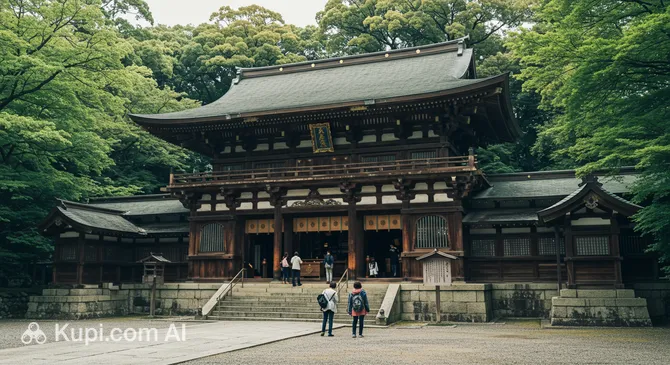
One of the main sanctuaries not only in Uji but in all of Japan is the Ujigami Shrine. This is the oldest surviving Shinto shrine in the country, believed to have been founded around 1060, and is a UNESCO World Heritage site. Tourists are drawn to its authentic architecture, especially the main hall (Honden), and the calm, peaceful atmosphere of antiquity.

Ujigami Shrine. Illustration.
Source: Kupi.com AI

Traveler photos:

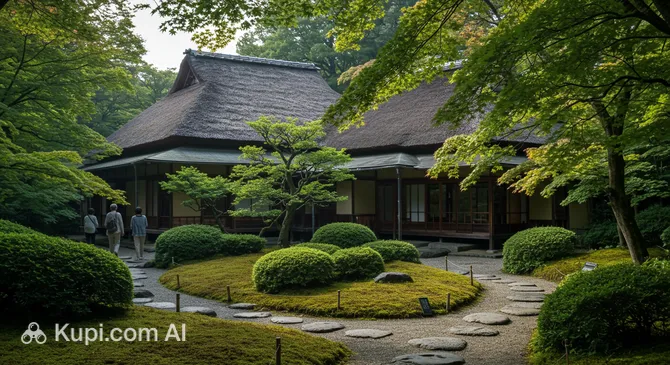
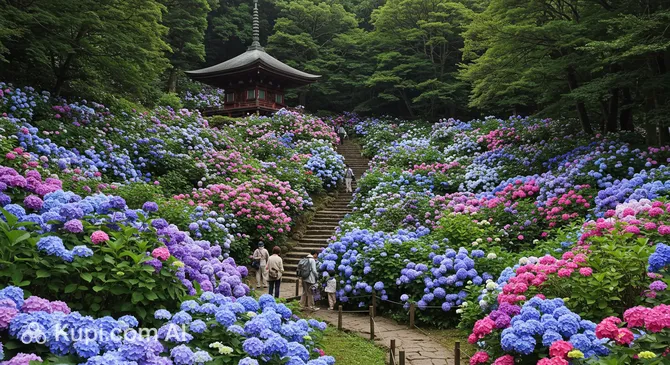
No less impressive is Mimuroto-ji Temple, often called the "flower temple." It is famous for its magnificent gardens, which delight the eye with a riot of colors almost year-round. The temple is especially popular during the blooming season of azaleas, rhododendrons, and hydrangeas—this is where the famous Hydrangea Garden of Mimuroto-ji Temple is located. Visitors come here to enjoy natural beauty and harmony.

Mimuroto-ji Temple. Illustration.
Source: Kupi.com AI

Traveler photos:

Since Uji is the recognized capital of Japanese tea, the Uji Tea Museum Chazuna is a mandatory stop for many tourists. Here, you can not only learn everything about the history and production of the famous Uji matcha tea but also participate in a traditional tea ceremony, taste various types of tea, and even learn how to brew it correctly. It is a wonderful opportunity to gain a deeper understanding of Japan's tea culture.

Chazuna Uji Tea Museum. Illustration.
Source: Kupi.com AI

Traveler photos:

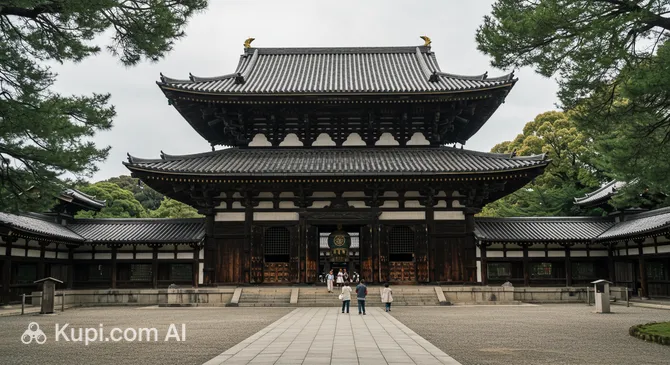
Among other significant religious structures, Manpuku-ji Temple stands out. It is the head temple of the Obaku school of Zen Buddhism in Japan, founded in the 17th century by the Chinese monk Ingen Ryuki. The temple is interesting for its unique architecture in the style of the Chinese Ming Dynasty, which differs significantly from traditional Japanese temples. You can also try authentic Obaku monk vegetarian cuisine here, known as fucha-ryori.

Manpuku-ji Temple. Illustration.
Source: Kupi.com AI

Traveler photos:

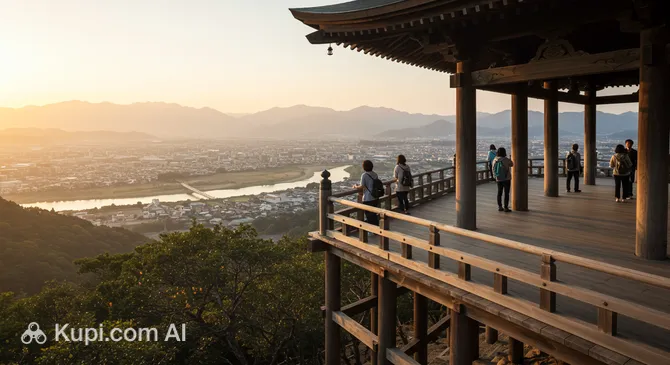
For those who want to enjoy panoramic views of the city and its surroundings, it is worth climbing to the Daikichiyama Observation Deck. This hill, also mentioned in "The Tale of Genji," offers a magnificent view of the Uji River, bridges, and city blocks against the mountain backdrop. It is a great place for photos and peaceful contemplation, especially beautiful during the cherry blossom season in spring and the foliage in autumn.

Daikichiyama Observation Deck. Illustration.
Source: Kupi.com AI

Traveler photos:

Local Cuisine

The gastronomic scene of Uji is inextricably linked with its main treasure—the famous matcha green tea. Here, this powdered tea is not just a drink but a real culinary ingredient added to many dishes. Travelers can enjoy not only classic tea but also try matcha ice cream, cakes, cookies, and even udon or soba noodles infused with this fragrant powder. Locals are convinced that the true taste of matcha can only be experienced here, in its homeland.

Among the specialty dishes that are definitely worth trying in Uji, various sweets stand out. Especially popular are dango—rice flour dumplings often served with thick green tea. You can also find fried buns with green tea filling and tiny matcha pancakes in the shopping streets and markets. These treats perfectly convey the unique flavor of the region.

The main drink, of course, is green tea in all its forms, especially matcha. It is drunk both plain and as part of various beverages like smoothies. The tea culture here is highly developed, and in many tea houses, you can participate in a real tea ceremony. This is not just consuming a drink, but a whole ritual that allows you to immerse yourself in the atmosphere of Japanese traditions.

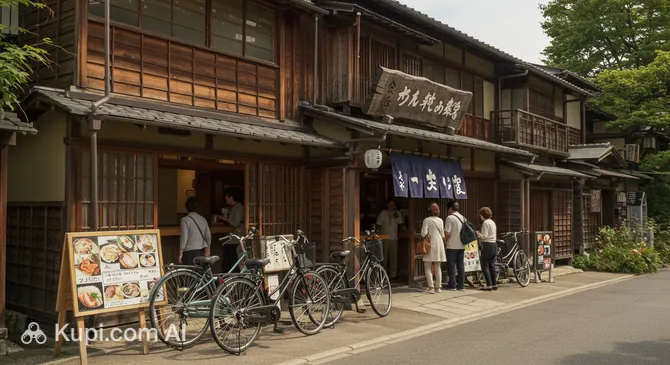
Kyoto Uji Byodo-in Omotesando Café. Illustration.
Source: Kupi.com AI

Traveler photos:

Locals and tourists in Uji enjoy food in a wide variety of places. On busy shopping streets like Omotesando, you can find many cozy cafes and tea houses. One such place is the Cafe on Omotesando Street near Byodo-in in Uji, where you can taste traditional desserts and drinks. Local markets offer fresh seasonal vegetables, pickled delicacies, and, of course, a variety of tea-based sweets. Street food is also worth noting, offering a quick and delicious way to get acquainted with local gastronomic features.

Overall, Uji's culinary scene is a true paradise for connoisseurs of green tea and Japanese sweets. The city offers a unique experience where ancient tea traditions combine with modern culinary ideas. Visiting local cafes and markets and participating in a tea ceremony will allow you to discover new flavors and gain a deeper understanding of the culture of this amazing place.

Travel Tips

Welcome to Uji, a charming city with a rich history and tea traditions! To make your journey through this beautiful corner of Japan as comfortable and memorable as possible, we have prepared a few practical tips.

  1. Clothing and Essentials:

    The climate in Uji is temperate, with four distinct seasons. Summers (June-August) are hot and humid, so choose light, breathable clothing. Winters (December-February) are cool, with occasional snow—don't forget warm layers. Spring and autumn are the most comfortable times to visit. The key wardrobe element is comfortable shoes, as you will be doing a lot of walking while visiting temples like the famous Byodo-in and strolling along the river. When visiting temples and some traditional restaurants, it is customary to remove your shoes, so choose footwear that is easy to take off and put on. Clothing for religious sites should be modest, covering shoulders and knees. Don't forget an adapter for electronics (Type A plugs are used in Japan), a portable charger, and perhaps a small umbrella, as rain is not uncommon.

  2. Getting Around Town:

    Uji is a city that is convenient to explore on foot, especially its historic center and the riverfront. For longer distances or trips to neighboring cities like Kyoto or Nara, trains are excellent. Uji has two main railway lines: the JR Nara Line and the Keihan Uji Line. Buses also run through the city, but they are less relevant for most tourist routes. Taxis are available but are a more expensive way to travel. Renting a car for Uji is generally not advisable due to potential parking difficulties and the well-developed public transport.

  3. Financial Matters:

    The official currency of Japan is the Japanese Yen (JPY, ¥). It is recommended to exchange some money for yen in advance or upon arrival at the airport, as there may be fewer exchange points with favorable rates in Uji itself. Credit and debit cards are accepted in most hotels, large shops, and some restaurants, but cash is still very important, especially in small establishments, souvenir stalls, and for temple entrance fees. International cards may not be accepted everywhere, so it's best to have a sufficient supply of cash. ATMs that accept international cards can be found at Japan Post Bank branches and in 7-Eleven stores (Seven Bank). Tipping is not customary in Japan and may be perceived as impolite.

  4. Health and Safety:

    Uji, like Japan in general, is considered a very safe city. The crime rate is low, and it is safe to walk even after dark. Nevertheless, basic precautions like keeping an eye on your belongings never hurt. Pharmacies (薬, kusuri) are available in the city, but not all of them operate 24/7, and staff may not always speak English. It is recommended to carry a small first-aid kit with essential medications. If you need medical assistance, contact your hotel reception—they can help you call a doctor or point you to the nearest clinic. Travel medical insurance is mandatory.

  5. Communication and Connectivity:

    The national language is Japanese. In tourist areas like information centers, large hotels, and some restaurants, staff may speak a little English, but generally, its knowledge is not widespread. Learn a few basic Japanese phrases: "Konnichiwa" (Hello), "Arigato" (Thank you), "Sumimasen" (Excuse me/Sorry)—these will be very helpful in interacting with locals. For ease of navigation and connection, it is recommended to purchase a tourist SIM card or rent a pocket Wi-Fi router (can be done at the airport or ordered online in advance). Free Wi-Fi is available in some hotels, cafes, and at stations. Apps like Google Maps, HyperDia (for train schedules), and Japan Travel by NAVITIME can be very useful.

  6. Local Etiquette:

    Japanese people are very polite and value respect for their culture. Greetings are usually accompanied by a slight bow. In public places, especially on transport, try to speak quietly and avoid drawing undue attention to yourself. Eating and drinking while walking on the street is not common (except in designated areas or festivals). It is important to remember to remove your shoes when entering temples, traditional restaurants (especially those with tatami), and private homes. When attending tea ceremonies or visiting locals' homes, follow their lead—this is a sign of respect.

  7. What to Avoid:

    To avoid offending locals or feeling awkward, try not to stick your chopsticks vertically into your rice (this is associated with funeral rituals). Also, avoid loud nose-blowing in public—it's better to go to a restroom. Do not point at people with your finger, as this is considered impolite.

  8. Specialty of Uji – Tea Culture:

    Uji is the heart of Japanese tea culture, the birthplace of high-quality matcha green tea. Be sure to dedicate time to exploring local tea traditions. Visit tea plantations, try various types of tea in numerous tea houses, enjoy matcha-flavored desserts (ice cream, cakes), and, if possible, take part in a traditional tea ceremony. This is a unique experience that will allow you to understand the soul of Uji more deeply.

We hope these tips help you plan an unforgettable trip to Uji and enjoy every moment in this amazing city, permeated with the aroma of tea and the spirit of ancient Japan!

Entertainment & Nightlife

Uji, known for its tea plantations and ancient temples, offers a calm and cozy atmosphere for evening relaxation, which differs from the noisy nightlife of major metropolises. Here you won't find large nightclubs or quarters entirely dedicated to entertainment until dawn, but you can enjoy a pleasant evening in traditional Japanese establishments, restaurants, and bars.

The main evening life in Uji is concentrated around the JR Uji and Keihan Uji railway stations, as well as along the main Omotesando shopping street leading to Byodo-in Temple. The atmosphere here is more relaxed and welcoming, perfect for unhurried dinners and socializing. Most establishments cater to locals and tourists who appreciate quality food and drinks. The dress code is usually casual; no special preparation is required. Establishments typically stay open until late evening, but not all night.

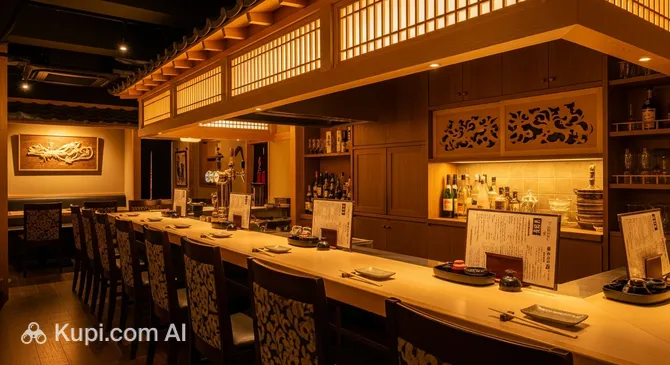
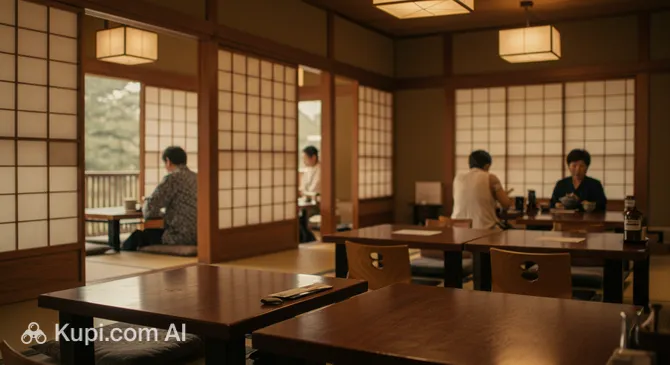
For those seeking a place for dinner and drinks, Uji offers several interesting options. For example, you can visit Kyoto Yakiniku Nishiki Kumiyama—a bar where you can try yakiniku (grilled meat) in a pleasant setting. Another establishment worthy of attention in the evening is the Torikiku restaurant, which offers local cuisine. Here you can spend an evening enjoying delicious food and drinks.

Kyoto Yakiniku Nishiki Kumiyama. Illustration.
Source: Kupi.com AI

Traveler photos:

When planning your evening leisure, keep in mind that many restaurants take their last orders around 9:00 PM to 10:00 PM. It's better to arrive early, especially at popular spots. Average prices for dinner with drinks can vary but generally remain moderate. You can reach your hotel or other parts of the city at night by taxi, as public transport stops running closer to midnight. You can ask the restaurant to call a taxi or find one at the ranks near the stations.

Torikiku. Illustration.
Source: Kupi.com AI

Traveler photos:

Uji is a quite safe city, and evening walks along the well-lit central streets usually cause no concern. However, you should always take standard precautions. If you plan to stay out late, think through your return route in advance.

During the day, there is also plenty to do in Uji. The city is famous for its historical sights and tea culture. You can visit the Uji Tea Museum Chazuna to learn more about the famous local product, or stroll through picturesque parks such as Uji Park. History buffs will appreciate the ancient temples, such as Mimuroto-ji Temple or the Ujigami Shrine.

Chazuna Uji Tea Museum. Illustration.
Source: Kupi.com AI

Traveler photos:

Parks & Museums

The city of Uji, famous for its tea and rich history, offers guests not only cultural immersion but also the chance to enjoy beautiful green spaces. Here, peaceful parks, ancient temples acting as open-air museums, and specialized exhibits revealing the region's unique heritage blend harmoniously.

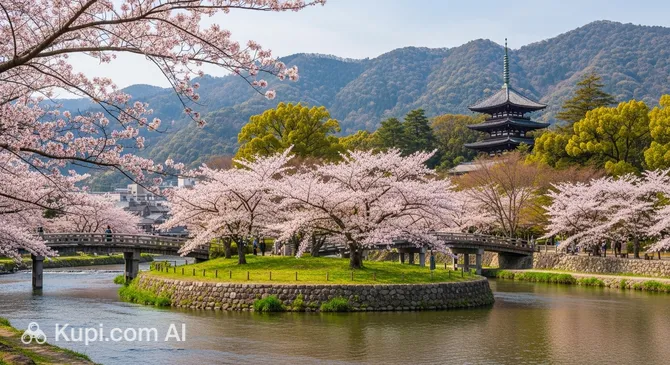
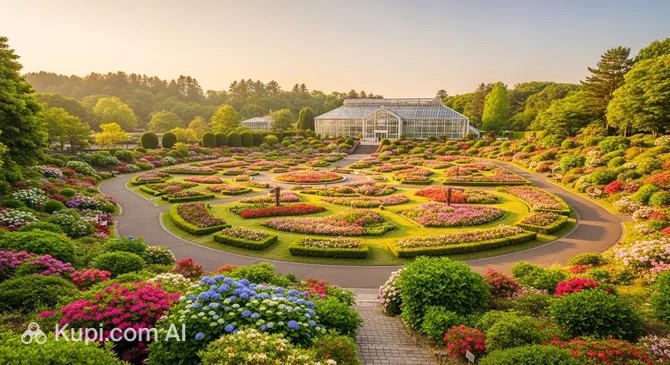
For nature lovers and those who enjoy peaceful walks, Uji has several wonderful spots. One of the most picturesque is Uji Park, spread across Tonoshima Island and Tachibana Peninsula in the middle of the Uji River. It is an ideal place for leisurely strolls, admiring seasonal flowers, and views of the famous Uji Bridge. Equally attractive is the Uji City Botanical Garden, where you can get acquainted with diverse flora and enjoy the silence. Special mention goes to the Hydrangea Garden at Mimuroto-ji Temple, which turns into a real sea of color during the blooming season, attracting photographers and beauty enthusiasts.

Uji Park. Illustration.
Source: Kupi.com AI

Traveler photos:

Uji City Botanical Park. Illustration.
Source: Kupi.com AI

Traveler photos:

Mimuroto-ji Temple Hydrangea Garden. Illustration.
Source: Kupi.com AI

Traveler photos:

You can immerse yourself in the history and culture of Uji by visiting its museums and historical sites. A key place for understanding the soul of the city is the Uji Tea Museum Chazuna. Here you will learn all about the famous Uji tea, its history, production, and tea-drinking traditions. This is an interactive museum that will be interesting to visitors of all ages. In addition to specialized museums, many of the city's temples are treasures of history and architecture in their own right. For example, the Ujigami Shrine, a UNESCO World Heritage site, is considered one of the oldest surviving Shinto shrines in Japan. It's also worth visiting the majestic Mimuroto-ji Temple, known not only for its hydrangea garden but also for other seasonal flowers, as well as Manpuku-ji Temple, which represents the Chinese Zen Buddhist style and impresses with its monumental architecture.

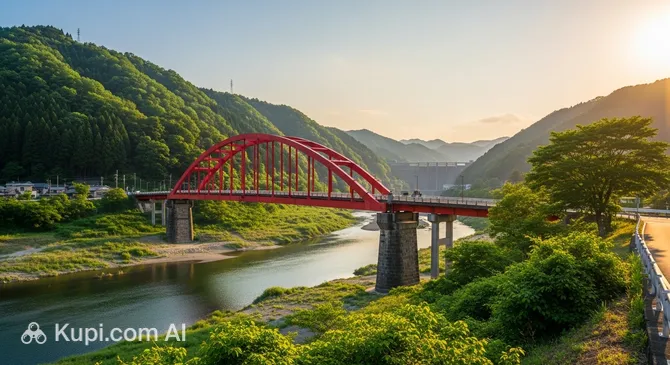
Speaking of architectural landmarks, one cannot fail to mention the Amagase Bridge. This suspension bridge across the Uji River upstream from the city center is not only an important engineering structure but also a wonderful vantage point for admiring the surrounding landscapes, especially picturesque during the cherry blossom season or autumn leaf fall. A walk across the bridge and its surroundings will provide unforgettable impressions.

Amagase Bridge. Illustration.
Source: Kupi.com AI

Traveler photos:

For a deeper immersion into the atmosphere of Uji, step off the beaten tourist path and stroll through the quiet streets along the Uji River, where you can find small traditional tea houses. And to enjoy a panoramic view of the city and its surroundings, climb up to the Daikichiyama Observation Deck, which offers breathtaking scenery, especially at sunset.

Getting Around

Getting around Uji is quite convenient thanks to a combination of rail transport and bus routes. The main arteries for tourists are the railway lines that connect the city with major neighboring centers like Kyoto and Nara, as well as providing access to Uji's main attractions. Local buses also run within the city, helping to reach areas further from the stations.

The fare payment system in Uji is integrated into the general Japanese system. The most convenient way is using rechargeable IC cards (such as ICOCA, Suica, Pasmo), which are accepted on both trains and buses. Simply tap the card on the reader at the entry and exit of railway stations or when entering/exiting a bus. You can also purchase single-use tickets from machines at the stations. On buses, payment is usually made upon exiting; if you don't have an IC card, it's advisable to have small change, as the driver cannot always provide change for large bills. Fares depend on the distance traveled.

Tourists are recommended to purchase an IC card upon arrival in Japan in any major city, as it works nationwide. You can top up the card at station machines or at some convenience stores. The schedule for trains and buses is quite frequent during the day, but intervals may increase in the evening. For route planning, it's convenient to use online maps or specialized Japanese transport apps that show current schedules and transfer options. Train tickets are usually validated by passing through ticket gates, while on buses, you tap your IC card on the validator or pay cash to the driver.

In addition to public transport, many central attractions in Uji, especially those along the Uji River, are within walking distance of each other, making walking a pleasant way to get to know the city. Taxis are generally available at railway stations, but they are a more expensive option. In some places, you can find bicycle rental points, which can be a good alternative for leisurely exploration of the surroundings, especially in good weather.

Accommodation

In the city of Uji, travelers will find a variety of accommodation options to suit different budgets and preferences. The city offers traditional Japanese inns (ryokans) as well as more modern hotels, guesthouses, and apartments for short-term rent.

For tourists, the most convenient areas are those located near major attractions, such as the Ujigami Shrine or the Uji Tea Museum Chazuna, as well as near Uji Railway Station, which provides easy access to transport. Staying in these parts of the city will save time on travel and allow you to enjoy the atmosphere of ancient Uji.

While Uji may not have as wide a selection of large hotel chains as neighboring Kyoto, you can find cozy ryokans here offering a unique experience of Japanese hospitality, often featuring traditional dinners and breakfasts. Mid-range hotels and more budget-friendly options are also available.

Booking Tip: Especially during peak tourist seasons, such as the spring cherry blossom or autumn maple leaf viewing, it is recommended to book accommodation in advance. This will allow you to choose the best value-for-money option and guarantee availability.

The price range varies from budget guesthouses to more expensive ryokans with full board. Booking accommodation in Uji is convenient through popular online platforms or directly on hotel websites. Some small family-run inns may accept bookings by phone or email.

Nearby Cities

For those looking to explore the surroundings, Uji serves as an excellent starting point for day trips to several interesting nearby locations:

For instance, just 14 km away is Kyoto, the ancient capital of Japan, world-famous for its stunning temples like Kiyomizu-dera and the Golden Pavilion (Kinkaku-ji), picturesque gardens, and the unique atmosphere of the Gion geisha district. Another wonderful destination is Nara (22 km), the country's first permanent capital, where you can stroll through a huge park accompanied by tame deer and see the majestic Great Buddha statue at Todai-ji Temple.

A more complete list of nearby cities with information on distance and population is presented below:

CityPopulationDistance
Joyo74 3564 km
Kumiyama15 2006 km
Kyotanabe73 9858 km
Yawata70 3738 km
Oyamazaki15 99110 km

These nearby destinations provide a fuller picture of the diverse culture, rich history, and picturesque landscapes of the Kansai region, making your journey from Uji even more rewarding.

Shopping & Souvenirs

Uji is a true paradise for Japanese tea connoisseurs and those looking for authentic souvenirs. The city is world-famous for its high-quality green tea, especially matcha, so shopping here is inextricably linked to the rich tea culture. You will find numerous specialized shops offering various types of tea, exquisite tea-based sweets, and traditional utensils for tea ceremonies.

The main shopping artery and the heart of shopping in Uji is Byodo-in Omotesando. This charming street leading to the famous Byodo-in Temple is literally dotted with tea shops, traditional Japanese sweet shops (wagashi), and souvenir stores. Here you can not only purchase unique goods but also enjoy the atmosphere of the ancient city. A number of shops can also be found in the areas adjacent to the JR Uji and Keihan Uji railway stations.

In Uji, you won't find the large modern shopping centers typical of big metropolises. The city carefully preserves its historical atmosphere and traditional way of life. If your goal is shopping in large malls with a wide selection of international brands, it is better to plan a trip to nearby Kyoto or Osaka.

There are almost no permanent large markets, such as food or flea markets, in Uji. The main trade is concentrated in specialized shops and small stalls on shopping streets, primarily on Byodo-in Omotesando. Occasionally, seasonal fairs or festivals may be held in the city, where local artisans and producers present their products.

The main souvenir worth bringing back from Uji is, undoubtedly, green tea. Look for high-quality matcha powder, as well as varieties like gyokuro and sencha. A variety of matcha-infused sweets are incredibly popular: mochi, cookies, chocolate, and ice cream. Connoisseurs of Japanese culture will appreciate ceramic items for the tea ceremony, such as "chawan" cups and "chasen" whisks. You can also find souvenirs related to "The Tale of Genji," as Uji is one of the key settings for this famous Japanese novel. The shop at the Uji Tea Museum Chazuna is an excellent place to choose tea and themed souvenirs.

Chazuna Uji Tea Museum. Illustration.
Source: Kupi.com AI

Traveler photos:

Most shops in Uji are open to visitors from approximately 10:00 AM to 6:00 PM or 7:00 PM. Small family shops may have individual schedules and one day off per week (often Wednesday or Thursday). Tourist-oriented shops and larger retail outlets usually accept credit cards. However, it is always useful to have some cash with you, especially for purchases in small shops or in case a terminal is temporarily down.

For foreign tourists in Japan, there is a Tax-Free system. If you make purchases over a certain amount (usually from 5,000 yen excluding tax) in participating shops, you can receive a refund of the consumer tax. Look for "Tax Free Shopping" signs in windows or at cash desks in Uji. You will need to present your passport to process the tax refund.

Reached the end of the page?

That means the route is fully explored