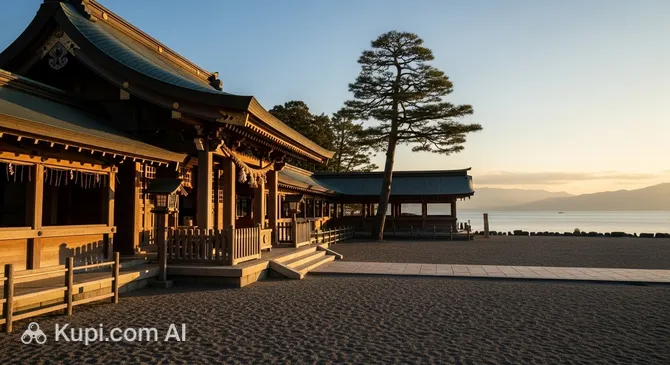
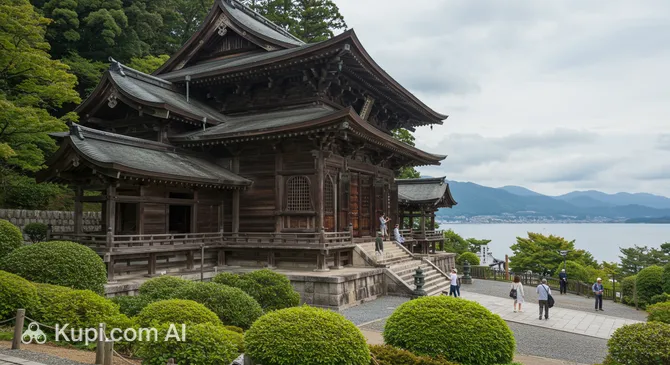
Support

Otsu

About

Otsu is a significant city and the main port on Lake Biwa, the largest freshwater lake in Japan. Located in Shiga Prefecture, just a few minutes' drive from Kyoto, Otsu attracts travelers with its fortunate position between the calm waters of Biwa and the green slopes of Mount Hiei. The city serves as an excellent starting point for exploring the region and offers opportunities for both short visits and extended nature retreats.

With a population of about 342,607 people, Otsu is the administrative and cultural center of Shiga Prefecture. The city is known for its ancient temples, picturesque embankments, and well-preserved atmosphere of old Japan. Strolling through its streets, past traditional buildings and quiet gardens, allows you to immerse yourself in the historical past.
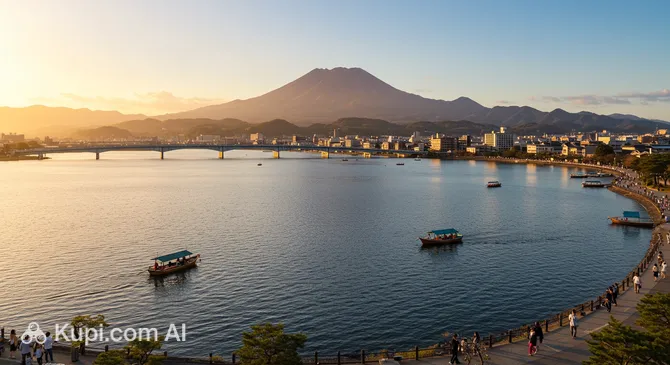
Otsu. Illustration.
Source: Kupi.com AI

A key feature of Otsu is the harmonious combination of rich historical heritage and magnificent natural landscapes. Iconic sites include famous Buddhist temples such as Mii-dera and Ishiyama-dera, each boasting centuries of history. Lake Biwa offers opportunities for relaxation on beaches and boat trips, while the surrounding mountains are perfect for hiking. The city's seasonal beauty is particularly expressive in spring during the cherry blossom season and in autumn when the maples turn vibrant colors.

Otsu is worth visiting to enjoy its peaceful atmosphere, get acquainted with local cultural traditions, and perhaps catch one of the colorful festivals. This is a place where history intertwines with nature, and views of Lake Biwa leave an indelible impression. Discover this fascinating corner of Japan.

You can find more interesting facts on the history of Otsu page.
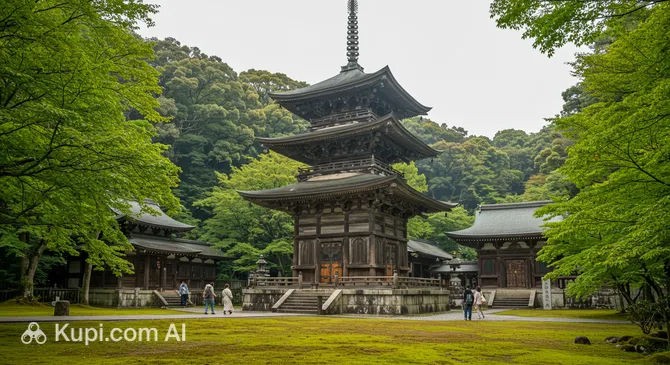
Weather Overview

The weather in Otsu is characterized by clearly defined seasons. In general, expect warm and humid summers with occasional rain, and cool winters when precipitation is also possible. In summer, especially in July and August, average temperatures rise to 26-27°C, with August being the warmest month with an average maximum around 30.6°C. In winter, in January, the average temperature is about 3.6°C, and minimum values can drop close to zero. Precipitation is distributed throughout the year, but July stands out as the wettest month with the highest number of rainy days.

To better plan your trip to Otsu considering the weather conditions in different months, we recommend checking the detailed information on the Otsu Climate page.

Average monthly temperature

Average monthly precipitation

Interesting Facts

The city of Otsu, known for its picturesque views of Lake Biwa and ancient temples, holds many fascinating secrets and little-known facts that give it a special charm. Here are just a few of them that will help you see this city in a new light:

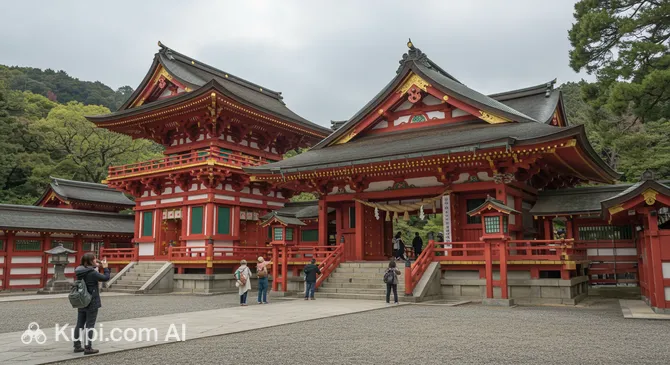
Mii-dera (Onjo-ji Temple). Illustration.
Source: Kupi.com AI

Traveler photos:

  • Few people know that for five years during the ancient Asuka period (7th century), Otsu was the capital of Japan. The city received this status thanks to its strategic location on important trade routes and its proximity to Kyoto, which defined its significant role in the country's history.

  • Otsu is sometimes called the "land of gods, demons, and marathon monks." This is linked to the unique spiritual practice of kaihogyo—an incredibly difficult multi-day marathon performed by the monks of Enryaku-ji Temple on the slopes of Mount Hiei in search of enlightenment. This tradition is considered one of the most rigorous in the world.

  • It was in Otsu, in the seclusion of Ishiyama-dera Temple, that the lady-in-waiting Murasaki Shikibu wrote the famous "The Tale of Genji"—a work many consider the first novel in world literature. This place continues to attract writers and poets to this day.

  • The city is famous for its ancient and colorful festivals. In autumn, a lively festival with over 400 years of history takes place here, where participants wear tanuki masks (mythical raccoon dogs) and carry portable mikoshi shrines through the streets. And in spring, the famous Hiyoshi Taisha Sanno festival unfolds on the shores of Lake Biwa with grand processions and ancient rituals.

How to Get There

Thanks to its location in close proximity to Kyoto and Osaka, getting to Otsu is easy. The city is integrated into the Kansai region's transport network, allowing tourists to plan their routes with ease. You can find all the details and alternative options on the page describing how to get to Otsu in detail.

Otsu does not have its own airport, so travelers usually fly into one of the aviation hubs in nearby major cities. The main air gateway for international tourists arriving in this region of Japan is Kansai International Airport (IATA: KIX). It is located in Osaka, about 86 km from Otsu. The "Haruka" express train will take you to Kyoto Station, where you need to transfer to the JR Biwako Line to reach Otsu Station. Total travel time is about 1 hour and 30 minutes. A taxi ride will take approximately 1.5–2 hours depending on traffic.

If you are flying on a domestic flight from another region of the country, a convenient option is Itami Airport (IATA: ITM), also located in Osaka but much closer—at a distance of about 46 km. Travel time by limousine bus or train with transfers is about one hour. You can also consider Chubu Centrair International Airport (IATA: NGO) in Nagoya (about 88 km from Otsu), from where it is convenient to travel by high-speed trains.

For clarity, here is a summary of the main airports used to access the region:

AirportPassenger trafficDistance
Itami Airport14.8 mln46 km
Kobe Airport3.6 mln71 km
Kansai International Airport30.6 mln86 km
Chubu Centrair International Airport12.3 mln89 km
Nagoya Airport735 000101 km

Rail service is the most popular way to reach Otsu. The city's main station, Otsu Station, is located on the JR Biwako Line (part of the Tokaido Main Line). Trains from Kyoto Station take only 9–10 minutes, effectively making Otsu a suburb of the ancient capital. If you are traveling by Shinkansen high-speed train from Tokyo or other distant cities, you should get to Kyoto Station and then make a short transfer to a local train to Otsu.

Main Attractions

The city of Otsu, located on the shores of Japan's largest lake, Lake Biwa, offers tourists many interesting sites that combine natural beauty with a rich cultural heritage. Everyone will find something here, from ancient temples to scenic boat trips.

One of the city's main shrines is the Omi Jingu Shrine. It was built in 1940 to honor Emperor Tenji, who moved the capital to Otsu in the 7th century. The shrine attracts visitors with its bright Shoden-zukuri style architecture and its famous water clock—a replica of the oldest clock in Japan. It also hosts festivals dedicated to the traditional Japanese card game Karuta, making it a culturally significant site.

Omi Jingu Shrine. Illustration.
Source: Kupi.com AI

Traveler photos:

Equally significant is the Mii-dera Temple, also known as Onjo-ji. It is the head temple of the Tendai Jimon Buddhist sect and one of the four largest temples in Japan. Mii-dera is famous for its rich history dating back over a thousand years, numerous national treasures including the famous "Benkei's Bell," and beautiful gardens that are especially stunning in spring and autumn. The temple played an important role in the region's history and is a popular destination for pilgrimage and tourism.

Mii-dera (Onjo-ji Temple). Illustration.
Source: Kupi.com AI

Traveler photos:

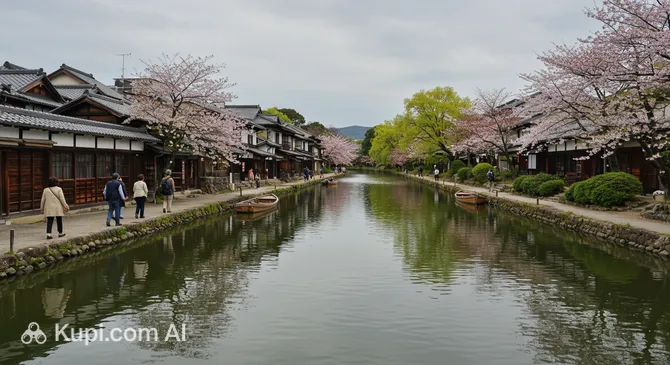
For fans of engineering and scenic walks, the Lake Biwa Canal is of great interest. This historic waterway, built in the late 19th century, connects Lake Biwa with Kyoto. The canal not only provided Kyoto with water and served as a transport artery, but today it also offers beautiful views, especially in spring when cherry blossoms bloom along its banks. You can take a boat ride along the canal, enjoying the tranquility and natural beauty.

Lake Biwa Canal. Illustration.
Source: Kupi.com AI

Traveler photos:

To fully enjoy the beauty of Japan's largest freshwater lake, you should go on a cruise on the "Michigan". This excursion paddlewheeler, styled after 19th-century American steamboats, cruises Lake Biwa, departing from Otsu Port. During the cruise, tourists can admire panoramic views of the lake, surrounding mountains, and coastal landmarks, while also enjoying the entertainment program and restaurant on board.

Michigan Cruise (Otsu Port, Lake Biwa). Illustration.
Source: Kupi.com AI

Traveler photos:

Another notable location is Biwako Otsukan. This multifunctional European-style building on the shores of Lake Biwa was built in 1934 as a guest house for dignitaries. Today, it houses restaurants, souvenir shops, and conference rooms, and the adjacent English garden is a popular spot for relaxation and events. The building itself is an architectural landmark and offers a wonderful view of the lake.

Biwako Otsukan. Illustration.
Source: Kupi.com AI

Traveler photos:

Local Cuisine

The culinary world of Otsu is inextricably linked to its main natural attraction—Lake Biwa, Japan's largest freshwater lake. This is why local cuisine is based on dishes made from the freshest lake fish. Be sure to try ayu (sweetfish), which is masterfully grilled over charcoal or marinated according to traditional recipes to preserve its delicate flavor. Another iconic regional delicacy is unagi (river eel), often steamed with aromatic soy sauce and sake. This dish is considered one of the symbols of local culinary art.

In addition to the lake's bounty, Shiga Prefecture, where Otsu is located, is famous for its magnificent Omi beef. This is one of the three most famous and prestigious types of Wagyu in Japan, prized for its marbling and tender taste. To truly appreciate this delicacy, you can visit specialized restaurants, such as the Kadoman Omi Beef Restaurant, where it is prepared according to various recipes.

Omi Beef Specialty Restaurant Kadoman. Illustration.
Source: Kupi.com AI

Traveler photos:

The food culture in Otsu is diverse. Locals and tourists love visiting farmers' markets, where you can find fresh seasonal vegetables, fruits, and unique local products like Otsu-zuke—specially marinated vegetables that perfectly complement rice. Street food also plays an important role, especially during numerous holidays and festivals. Don't miss the chance to try hot takoyaki (octopus balls), aromatic yakisoba (fried noodles), or delicate sweet mochi, sometimes decorated seasonally. Gastronomic fairs are often held along the Lake Biwa embankment.

As for drinks, in Otsu, as in all of Japan, sake (traditional rice wine) is popular, represented here by many local varieties. In recent years, craft beer from local breweries has also been gaining popularity. Food festivals held in spring and autumn turn the city into a true celebration of taste, where you can not only try various dishes but also attend culinary workshops.

Travel Tips

Welcome to Otsu, a charming city on the shores of Lake Biwa! To make your journey through this corner of Japan as comfortable and memorable as possible, we have prepared some practical tips.

  1. Wardrobe and Useful Items:

    The climate in Otsu is humid subtropical, so expect heat and high humidity in summer (June-August)—choose light, breathable clothing. Spring and autumn are milder, but evening chills will require a light jacket or sweater. Winter can be cool, sometimes with snow. Be sure to bring comfortable shoes, as you will be walking a lot, especially when visiting temples and shrines, where modest clothing (covered shoulders and knees) may also be required. Don't forget an adapter for electrical appliances (Japan uses Type A and B sockets, 100V voltage) and a raincoat or umbrella, especially during the rainy season (June-July).

  2. Getting Around Otsu:

    Otsu is easy to navigate by public transport. Major railway lines like the JR Tokaido Main Line and Keihan Electric Railway lines connect key areas of the city and its surroundings. The bus network is also well-developed. Taxis are available and can be found at station stands or called by phone; taxi apps are also available. Renting a car can be an option for exploring more remote corners of Shiga Prefecture, but for getting around the city itself, it is not always practical due to potential traffic and parking issues. An international driving permit is required for rentals.

  3. Financial Matters:

    The local currency is the Japanese Yen (JPY). You can exchange currency at airports, banks, and some hotels. Credit and debit cards (Visa, Mastercard) are accepted in many hotels, large stores, and restaurants, but cash is still widely used, especially in small establishments, temples, and markets. ATMs that accept international cards can most often be found in post offices (Japan Post Bank) and 7-Eleven stores (Seven Bank). An approximate daily budget (excluding accommodation) can range from 7,000 to 15,000 yen. Tipping in Japan is not practiced and may even be perceived as an insult.

  4. Health and Safety:

    Otsu, like Japan as a whole, is considered a very safe city. However, standard precautions are always wise. Pharmacies (薬 "kusuri") are easy to find, but not all are open 24/7. For serious medical help, it's best to go to a hospital; check in advance if there is English-speaking staff or use travel medical support services. It is highly recommended to have travel insurance. Emergency numbers: Police – 110, Ambulance and Fire – 119.

  5. Language and Communication:

    The official language is Japanese. English is understood in tourist areas, hotels, and at major stations, but proficiency levels may be limited. Learn a few basic phrases: "Konnichiwa" (Hello), "Arigato" (Thank you), "Sumimasen" (Excuse me/Sorry). For communication, you can buy a local SIM card (at the airport or electronics stores) or rent a pocket Wi-Fi router. Free Wi-Fi is available in many hotels, cafes, and some public places. Useful apps: Google Maps for navigation, HyperDia for train schedules, Gurunavi or Tabelog for finding restaurants.

  6. Local Etiquette and Traditions:

    The Japanese value politeness and respect. Greetings are often accompanied by a bow. In public places, especially on transport, try to speak quietly and not disturb others. When entering a Japanese home, some temples, and traditional restaurants (ryokans), it is customary to remove your shoes. When using chopsticks (hashi), avoid sticking them vertically into rice or passing food from chopstick to chopstick—this is considered bad manners.

  7. What to Avoid:

    Try not to point at people or objects with one finger—use your entire palm instead. Loud mobile phone conversations on public transport are considered impolite. As mentioned before, do not leave tips—it is not customary.

  8. Special Feature of Otsu – Lake Biwa:

    Otsu is located on the shores of Lake Biwa, the largest freshwater lake in Japan. Be sure to set aside time to enjoy its beauty. You can take a cruise on the Biwako Kisen steamboat, walk along the embankment, or simply admire the views. This is a unique feature of the city that will give you unforgettable impressions.

We hope these tips help you plan an unforgettable trip to Otsu and enjoy every moment of your stay in this beautiful Japanese city!

Entertainment & Nightlife

The city of Otsu, with its picturesque location on the shores of Lake Biwa, offers a calmer but no less charming nightlife compared to Japan's major metropolises. Evenings here are perfect for leisurely strolls, dinners with lake views, and visits to cozy establishments offering both traditional cuisine and drinks.

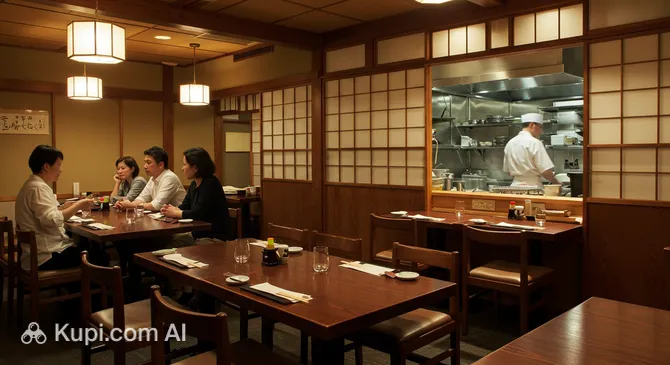
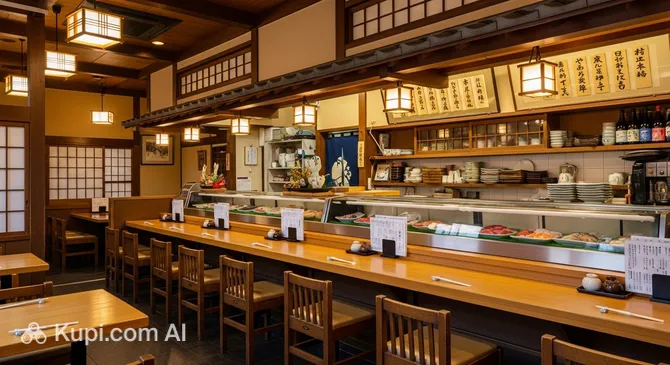
The core of evening entertainment in Otsu consists of restaurants where you can enjoy local cuisine and a pleasant atmosphere. This is a great way to spend an evening, especially after a day full of sightseeing. For example, you can try fresh sushi at "Old Man Yasu's Nigiri Diner" or taste the famous Omi beef at "Kadoman Omi Beef Restaurant". Many restaurants, especially those near the lake, offer beautiful views that complement the meal. A dinner at a mid-range restaurant can cost around 3,000-6,000 yen per person, excluding expensive drinks.

Yasu's Old Man Nigiri Shokudo. Illustration.
Source: Kupi.com AI

Traveler photos:

While Otsu is not famous for many noisy nightclubs, you can find traditional Japanese drinking establishments—izakaya—as well as small bars. The main spots for spending the evening are concentrated around Otsu Central Station and along the Hamaotsu waterfront. The atmosphere in such places is usually friendly and relaxed; both locals and tourists gather here. The average price for a drink (beer, sake, cocktail) in a bar or izakaya is about 500-1,000 yen. As for concert venues, Otsu is not a major hub for large-scale concerts, but you can sometimes catch performances by local musicians in small bars or cultural centers. Night markets, typical of some Asian cities, are not common in Otsu; evening life here is more centered around permanent establishments. Most places stay open until late evening, but keep in mind they may close earlier than in larger cities. The dress code is generally casual.

When planning your evening in Otsu, keep in mind that public transport, including trains and buses, usually stops running relatively early. After midnight, taxis become the primary mode of transport. They can be found at stands by Otsu Station or ordered through taxi apps available in Japan. Otsu is considered a safe city, but as always, standard precautions are recommended during night walks. The best time to visit most restaurants and bars is from 7:00 PM to 10:00 PM when they are most lively.

During the day, Otsu also offers plenty of interesting activities. The city is rich in historical sites; you can visit ancient temples and shrines such as the Omi Jingu Shrine or Mii-dera (Onjo-ji). Culture lovers can stop by local museums. As for theaters, there are no major world-class drama or opera houses in Otsu, but you can sometimes find traditional Japanese theatrical performances (such as Noh or Kabuki in simplified forms) in local cultural centers or during temple festivals. There are no American-style amusement parks in Otsu itself, but picturesque Lake Biwa and its surrounding parks offer many opportunities for active recreation and outdoor fun, including water excursions like the Michigan cruise.

Parks & Museums

Otsu, snugly nestled on the shores of Japan's largest Lake Biwa, offers its guests a harmonious blend of scenic natural spots and rich cultural heritage. Here, you can enjoy the tranquility by the water and touch centuries of history through ancient temples and shrines.

The main natural attraction of Otsu is undoubtedly Lake Biwa. To fully experience its beauty, it's worth taking a stroll along the Lake Biwa Canal, which connects the lake to Kyoto and offers picturesque views, especially during the cherry blossom season in spring. For a grander introduction to the lake's vastness, you can take a cruise on the Michigan, styled after a 19th-century steamboat, which offers magnificent panoramas from its deck. Another place to enjoy lake views and relax is Biwako Otsukan, a former guest residence that is now a cultural center with a beautiful garden and waterfront restaurants.

While Otsu does not have a large number of traditional European-style museums, its temples and shrines are true treasuries of history and culture. One of the most significant is Mii-dera (Onjo-ji), one of Japan's four largest temples, known for its rich history, numerous national treasures, and legendary bell. Equally interesting is the Omi Jingu Shrine, dedicated to Emperor Tenji, who moved the capital to Otsu in the 7th century. The shrine is famous for its bright red buildings and is a hub for traditional Japanese karuta card game competitions. It is also worth visiting the Karasaki Shrine, famous for its thousand-year-old pine tree "Reisho-no-matsu," which is considered one of the most beautiful in Japan and has inspired many artists.

Karasaki Shrine. Illustration.
Source: Kupi.com AI

Traveler photos:

For a more secluded encounter with nature in Otsu, explore the lesser-known trails along Lake Biwa that branch off from the main tourist routes. To dive deeper into the city's atmosphere, stop by one of the smaller temples, such as Bishamondo Temple, where you can enjoy the peace and beauty of Japanese temple architecture away from the crowds.

Bishamondō Temple. Illustration.
Source: Kupi.com AI

Traveler photos:

Getting Around

Getting around Otsu and its surroundings is quite convenient thanks to a well-developed public transport system. The backbone of the transport network is the JR (Japan Railways) trains, especially the Biwako Line (part of the Tokaido Main Line), which connects Otsu with Kyoto, Osaka, and other major cities in the region. Additionally, lines from the private Keihan Electric Railway play an important role: the Keishin Line, connecting Otsu to Kyoto (partially running on city streets like a tram and integrating with the Kyoto subway system), and the Ishiyama-Sakamoto Line, which runs along scenic Lake Biwa. City buses complement the rail service, operating on various routes.

The fare payment system in Otsu is standard for Japan. The most convenient method is using rechargeable smart cards, such as ICOCA (popular in the Kansai region) or other nationwide cards (e.g., Suica, Pasmo). These cards can be used on JR trains, Keihan lines, and most buses. Simply tap the card on the reader at the ticket gate when entering and exiting a station or when boarding/exiting a bus. You can also purchase single-journey tickets for specific trips at station vending machines. Fares usually depend on the distance. There are few specialized tourist passes just for Otsu, but regional passes like the Kansai Thru Pass may cover some Keihan routes.

Single tickets and IC card top-ups are handled at vending machines at railway stations. Vending machines usually have a multi-language interface, including English. When using an IC card, it's important to remember to tap it on the validator both at the entrance and exit to ensure the correct fare is deducted. Public transport in Otsu starts early in the morning (around 5-6 AM) and finishes around midnight, although the frequency of services decreases in the evening. Schedules are usually punctual and available at stations or online.

As an alternative to public transport, taxis are always available in Otsu. They can be found at stands near stations and major attractions or called by phone. However, taxis are a more expensive way to travel. For a leisurely exploration of the city, especially the Lake Biwa waterfront, renting a bicycle is an excellent option. Rental points can be found in tourist areas and near some stations.

One of the unique features of Otsu's transport system is the Keihan lines mentioned above. The Keishin Line offers a unique travel experience, as part of its route runs right along city streets, much like a tram, before connecting to the Tozai subway line in Kyoto. The Ishiyama-Sakamoto Line, in turn, is famous for its scenic views of Lake Biwa and the mountains, passing by many temples and shrines, making the ride part of the tourist experience.

Accommodation

In the city of Otsu, tourists will find a variety of accommodation options to suit different preferences and budgets. There are traditional Japanese inns (ryokans) as well as modern hotels, guesthouses, and more economical choices.

The most popular areas for tourists to stay are those located near Lake Biwa, which offer picturesque views and easy access to walking areas and water activities, such as the Michigan Cruise. Areas near main transport hubs are also convenient, making it easy to visit attractions like the Omi Jingu Shrine or Mii-dera (Onjo-ji).

Accommodation in Otsu ranges from budget hostels and guesthouses to mid-range hotels and more luxurious options, including ryokans featuring traditional Japanese hospitality and onsens (hot springs). While specific famous hotels may not always stand out in general lists, many establishments offer a high level of service and comfort. The price range can be quite broad: from affordable options for backpackers to premium offerings for more demanding travelers.

It is recommended to book accommodation in advance, especially if your trip coincides with the peak tourist season (for example, during cherry blossom or autumn foliage) or on weekends and holidays. The main booking methods are popular international online platforms as well as the hotels' own websites. Some small guesthouses or ryokans may accept bookings by phone or email.

Nearby Cities

For those looking to explore the surroundings, Otsu serves as an excellent starting point for day trips to several interesting nearby locations:

A particularly popular choice is Kyoto, the former imperial capital of Japan, located just 8 km away. This city offers countless historical treasures, including the famous Golden Pavilion (Kinkaku-ji), Arashiyama bamboo grove, and the atmospheric Gion district. No less attractive is Uji (16 km from Otsu), famous for its tea plantations producing some of the best green tea in the country, as well as the magnificent Byodo-in Temple, a UNESCO World Heritage site.

Below is a table with these and other cities that can be visited from Otsu:

CityPopulationDistance
Kyoto1 464 8908 km
Ritto69 59813 km
Moriyama83 56713 km
Muko56 15216 km
Uji179 62616 km

These nearby destinations provide a glimpse into the diverse culture and landscapes of the region.

Shopping & Souvenirs

Shopping in Otsu: What to Buy and Where to Look

Otsu offers its guests pleasant shopping opportunities, combining traditional Japanese goods and modern stores. Although the city is not a major shopping metropolis, you can find interesting souvenirs and high-quality local products here. Shiga Prefecture, of which Otsu is a part, is famous for unique crafts and products that will serve as great reminders of your trip.

Main Shopping Areas and Streets

As in many Japanese cities, the main shopping spots in Otsu are concentrated near major transport hubs, particularly around Otsu Railway Station. Here you can find department stores, small boutiques, and specialty shops. It is also worth looking for traditional covered shopping arcades (shotengai), if available, where you can immerse yourself in the local atmosphere and discover unique items and stalls.

Shopping Centers

In the area around Otsu Central Station and other busy parts of the city, you may find shopping complexes and department stores. They offer a wide range of goods—from clothing, shoes, and cosmetics to electronics, household items, and food. While Otsu is not known for giant malls, you can certainly find everything you need for comfortable shopping here.

Markets

Small local markets can be found in and around Otsu, especially if you are looking for fresh produce, seasonal delicacies from the Lake Biwa region, or handmade items. Morning markets or periodically held fairs (if any) can offer a unique experience and the chance to purchase authentic local goods directly from producers.

Souvenirs: What to Bring Back from Otsu

From a trip to Otsu and Shiga Prefecture, it's worth bringing back traditional Japanese souvenirs. Ceramics, such as the famous Shigaraki-yaki produced in this region, are particularly popular. Also, look out for textile products, fans, lacquerware, and local sweets. Don't forget products related to Lake Biwa, such as dried fish or other lake delicacies. Uji tea, grown nearby, and locally produced sake also make excellent gifts. Souvenir shops at attractions like Omi Jingu Shrine or Mii-dera Temple sell themed souvenirs, amulets, and charms.

Store Hours and Payment Methods

Most shops in Otsu are typically open from 10:00 AM or 11:00 AM until 7:00 PM or 8:00 PM. Large department stores and some shopping centers may have longer hours. Japanese Yen (JPY) in cash is widely accepted, as are major international credit cards (Visa, Mastercard, JCB, American Express). However, in small family-owned shops, markets, or some eateries, cash may be preferred.

Tax Free for Tourists

Foreign tourists in Japan can take advantage of the consumption tax refund system (Tax Free). Look for stores with the "Tax-Free Shop" sign. Generally, to qualify for a tax refund, you must make a purchase of a certain amount (usually over 5,000 yen excluding tax) in one store on the same day. You must present your passport with a valid tourist visa at the time of purchase. The tax refund can be processed directly in the store at the time of purchase or at a special tax refund counter, for example, at the airport before departure.

Reached the end of the page?

That means the route is fully explored