Support

Koka

About

Koka is a true treasure for those seeking authentic Japan, hidden away from the noisy tourist routes. This charming city is nestled in Shiga Prefecture, in the heart of the Kansai region, offering travelers a unique opportunity to immerse themselves in the atmosphere of the Japanese countryside. Surrounded by picturesque hills and dense forests, Koka is famous for its quiet streets, where the past harmoniously intertwines with the present, creating a unique charm.
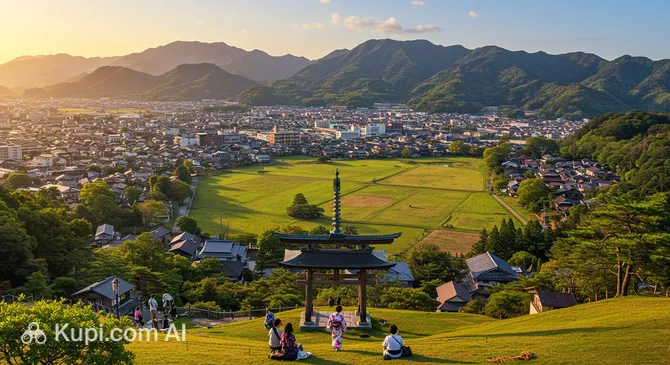
Koka. Illustration.
Source: Kupi.com AI

With a population of about 88,500 people, Koka maintains a cozy, almost home-like atmosphere while playing a significant role in the cultural life of the region. The city is known for its rich heritage, craft traditions, and history dating back to the 15th century. This was once the center of the famous Koga ninja clan, whose shinobi warriors left a bright mark on the country's history. Today, modern cafes and craft shops harmoniously coexist with ancient temples and old houses that recall the glorious past.

The main magnets for tourists in Koka are the unique Koka-ryu Ninja Museum, where you can learn about the secrets of ancient warriors and even try your hand at their art, as well as the famous local Shigaraki ceramics, one of the six oldest pottery traditions in Japan. Not to be forgotten is the picturesque nature that surrounds the city, perfect for leisurely walks and contemplation.

Visiting Koka is a chance to discover little-known but incredibly colorful corners of the Land of the Rising Sun, enjoy its calm pace, and take home unforgettable impressions. This city is definitely worth taking a detour from the beaten tourist paths to get to know the real, non-tourist Japan.

You can find more interesting facts on the history of Koka city page.
Weather Overview

The weather in the city of Koka is characterized by noticeable seasonal changes. Summer, especially in July and August, is warm and humid here, with average temperatures reaching 26-27°C and maximum values around 29-31°C. This period also sees the highest amount of precipitation and rainy days. Winters, by contrast, are cool and drier, with average temperatures in January and December around 3-6°C and minimal precipitation (about 2 mm).

Spring and autumn are transitional seasons with moderate temperatures and rainfall. Expect a warm summer with occasional rain and cool, relatively dry winters. For more detailed information about the weather in different months, you can visit the Koka Climate page.

Average monthly temperature

Average monthly precipitation

Interesting Facts

Beyond its picturesque landscapes, the city of Koka hides many amazing stories and cultural treasures that not all travelers are aware of. Here are just a few interesting facts that will help you look at this corner of Japan in a new way:

  • Birthplace of the Koka-ryu Ninja: Koka is considered the cradle of one of the most famous and influential ninja clans in Japanese history. Starting from the 15th century, local shadow warriors honed their skills in espionage and covert operations here. Today, you can visit an authentic ninja house with its ingenious traps and secret passages, and in the themed museum-village, you can even try your hand at throwing shurikens.

  • Ancient Art of Ceramics: The Koka region is an important center for the production of famous Japanese ceramics known as Shigaraki-yaki (although it is often associated with the neighboring town of the same name, which is part of Koka). This coarse but expressive pottery, valued for its natural beauty and unique textures, has been created here for centuries using special local clay and traditional firing techniques. Many workshops are still open to visitors.

  • Architectural Masterpiece in the Mountains: Koka is home to the impressive Miho Museum, designed by the world-famous architect I.M. Pei (the author of the Louvre Pyramid). Most of this futuristic museum is built into the mountain to blend harmoniously into the surrounding natural landscape, and its tunnel and bridge leading to the main building are works of art in themselves. Inside, priceless artifacts from all over the world are kept.

How to Get There

The city of Koka, located in Shiga Prefecture, has a fairly convenient transport location, which allows tourists to easily reach it from major Japanese metropolises. Although the city itself does not have its own airport or Shinkansen station, the developed network of railways and roads makes the journey comfortable. If you want to learn about all available routes and details, we recommend visiting the how to get to Koka page, where detailed information is gathered.

There is no airport in the city of Koka itself, so travelers arriving by plane find it most convenient to use the air gateways of neighboring large cities. The nearest major hub is Chubu Centrair International Airport (IATA: NGO), located in Nagoya. It is approximately 59.6 km from Koka. A taxi or car ride from there will take about 1 hour and 50 minutes. This is one of the most convenient options for international flights due to its relative proximity to the city.

Another popular option for tourists is Kansai International Airport (IATA: KIX), located in Osaka. This is a major international hub receiving flights from all over the world. The airport is about 103.5 km from Koka, and the car journey will take approximately 3 hours. It is also worth mentioning Itami Airport (IATA: ITM), which is also located in Osaka (about 69.5 km away). It serves mainly domestic flights, and the journey from there to Koka by car will take about 2 hours.

For convenience, here is a summary of information on the main airports:

AirportPassenger trafficDistance
Chubu Centrair International Airport12.3 mln60 km
Itami Airport14.8 mln70 km
Nagoya Airport735 00076 km
Kobe Airport3.6 mln93 km
Kansai International Airport30.6 mln104 km

Railway communication is one of the most popular ways to get to Koka. Primary access to the city is provided by the JR Kusatsu Line, which connects to the main JR Tokaido Line at Kusatsu Station. Travelers coming from Kyoto or Osaka usually reach Kusatsu Station, where they transfer to a local train going deep into Shiga Prefecture. Key stations within the city limits are Kibukawa and Konan, from where you can continue your journey by bus or taxi to specific attractions.

The Ohmi Railway, a private railway line, also passes through the city, adding color to the journey and connecting Koka with other cities in the region, such as Hikone. If you prefer a car, the city can be reached via the Shin-Meishin Expressway, which provides quick connections to the Kansai and Chubu regions. The Koka-Tsuchiyama and Konan interchanges make entering the city convenient for car travelers.

Main Attractions

The city of Koka, located in Shiga Prefecture, offers its guests a unique combination of history, culture, and culinary delights. Here, everyone will find something to their liking, from ancient ninja traditions to contemporary art and gastronomic discoveries.

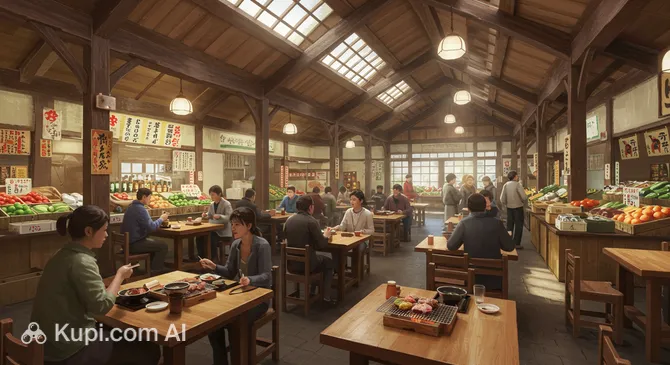
You can start getting acquainted with the local cuisine at the Minakuchi Jusitei Market Restaurant. This is an excellent place to try fresh local products and traditional regional dishes. The restaurant is popular with both locals and tourists looking to immerse themselves in an authentic atmosphere and enjoy quality food.

Minakuchi Jushitei Market Dining Hall. Illustration.
Source: Kupi.com AI

Traveler photos:

One of the main reasons to visit Koka is its fame as the birthplace of the Koga-ryu ninja. The Koka Ninja Village is a theme park where visitors can immerse themselves in the world of mysterious warriors. Here, you can see demonstrations of ninjutsu techniques, try your hand at throwing shurikens, complete an obstacle course, and explore a ninja house with its clever traps and secret passages. It is an exciting place for both children and adults interested in Japanese history and culture.

Another iconic site is the Koka Ninja House. It is believed to be the only surviving authentic residence of the Koga ninja clan. Visitors can explore this historical house, which is full of hidden rooms, traps, and mechanisms designed to protect its inhabitants. This is a unique opportunity to touch the real life of the legendary spies and warriors of medieval Japan.

For art lovers, a visit to the Miho Museum is a must. Designed by the world-famous architect I.M. Pei, the museum impresses not only with its rich collection of Eastern and Western art but also with the harmonious fusion of architecture and the surrounding nature of the Shigaraki mountains. The path to the museum through a tunnel and a suspension bridge is an impressive experience in itself.

One cannot overlook the Shigaraki Ceramic Cultural Park. Shigaraki is one of the six ancient centers of pottery production in Japan, and this park is dedicated to its rich heritage. Here, you can visit museums and exhibitions, see the works of modern masters, and try your hand at pottery in special workshops. It is a wonderful place to learn more about traditional Japanese craft and purchase unique souvenirs.

Local Cuisine

The gastronomy of the city of Koka is an exciting journey into the world of flavors of the Kansai region, complemented by bright local accents. Simple but exquisite food prepared from the freshest products is valued here. Koka's cuisine will delight you with an abundance of seasonal vegetables from local farms, rice cooked in traditional donabe clay pots, and, of course, delicacies characteristic of the time of year.

Among the dishes that are certainly worth trying in Koka, river fish dishes, famous for their delicate taste, stand out. Be sure to appreciate the local miso soup, prepared with farm-grown soybeans, which gives it a special depth of flavor, as well as rice with the addition of local spices. Do not pass by fresh vegetables grown in ecologically clean conditions—they often become the star of the table.

For dessert or as an accompaniment to tea, traditional Japanese wagashi sweets are ideal, pairing perfectly with aromatic green tea. Among alcoholic beverages, local sake is worth noting, and among non-alcoholic options, besides various types of tea, you can find refreshing drinks based on local fruits.

The food culture in Koka is diverse. You can enjoy authentic dishes in cozy cafes and restaurants, where many recipes are passed down from generation to generation. One such place where you can get to know the local cuisine more deeply is the Minakuchi Jusitei Market Restaurant. It is also worth visiting farmers' markets, where a rich selection of seasonal products, homemade pickles, and unusual varieties of Japanese vegetables is presented. During city holidays and festivals, the streets of Koka come alive thanks to numerous street food stalls: here you can try hot takoyaki, fresh onigiri, and various local sweets prepared right before your eyes. For true gourmets, Koka offers gastronomic festivals, especially in spring and autumn, where you can discover new flavors and even participate in culinary workshops.

Travel Tips

Welcome to Koka! To ensure your journey to this interesting corner of Japan is as comfortable and fulfilling as possible, we have prepared some practical tips for you. They will help you better navigate the area and avoid possible inconveniences.

  1. Clothing and Items for the Season:

    The climate in Koka is temperate, with four distinct seasons. In summer (June-August), it is hot and humid, so choose light, breathable clothing. In winter (December-February), it can be cool, sometimes with snow—stock up on a warm jacket, sweater, hat, and gloves. Spring and autumn are the most comfortable seasons with moderate temperatures, ideal for layered clothing. Be sure to bring comfortable shoes for walking, as you will likely want to explore local attractions. Don't forget an adapter for your electronics (Japan uses type A and B outlets, 100V voltage). When visiting temples and shrines, choose modest clothing that covers your shoulders and knees.

  2. Getting Around the City:

    In Koka, the main type of public transport will likely be buses. Study their routes and schedules in advance. Taxis are available but can be quite expensive. For convenience, you can use taxi-calling apps such as JapanTaxi or Go. If you plan to actively explore the surroundings of Koka and Shiga Prefecture, including the famous Shigaraki pottery workshops, renting a car may be a good solution. Remember that in Japan they drive on the left, and you will need an international driving permit to rent.

  3. Finances and Payments:

    The local currency is the Japanese yen (JPY, ¥). You can exchange money at airports upon arrival, in major banks, or at the post office. In Koka itself, the number of exchange points may be limited. Credit and debit cards (Visa, Mastercard) are accepted in many hotels, large stores, and restaurants. However, in small establishments, temples, and markets, cash is preferred. Make sure your card is suitable for use abroad. ATMs that accept international cards can most often be found at post offices (Japan Post Bank) and 7-Eleven convenience stores (Seven Bank ATM). Tipping in Japan is not accepted and may be perceived as a misunderstanding.

  4. Health and Safety:

    Koka, like Japan in general, is considered a very safe place. Standard precautions, such as keeping an eye on personal belongings, are always relevant. Pharmacies (薬局 - kusuri-ya or ドラッグストア - doraggusutoa) are in the city, but not all work around the clock; it's better to have a basic set of medicines with you. Before the trip, it is strongly recommended to take out travel medical insurance, as medical services for foreigners can be expensive. Emergency numbers: police—110, ambulance and fire service—119.

  5. Language and Connection:

    The official language is Japanese. English is not as widely spoken, especially among the older generation and outside major tourist centers. Learn a few basic phrases in Japanese: "Konnichiwa" (Hello), "Arigato" (Thank you), "Sumimasen" (Excuse me/I'm sorry)—this will be highly appreciated by the locals. To access the internet, you can buy a local SIM card (at the airport or electronics stores) or rent a portable Wi-Fi router. Free Wi-Fi is often available in hotels, some cafes, and tourist information centers. Useful apps: Google Maps, HyperDia (for transport schedules), Google Translate.

  6. Local Etiquette and Customs:

    The Japanese are very polite and value respect for traditions. A greeting is usually accompanied by a bow; its depth depends on the situation. In public places, especially in transport, avoid loud phone conversations. It is customary to remove your shoes before entering Japanese homes, some temples, traditional restaurants, and ryokans (Japanese-style inns). When using chopsticks (hashi), never stick them vertically into rice—this is associated with funeral rituals. Also, do not pass food with chopsticks to another person.

  7. What to Avoid:

    In addition to the already mentioned refusal of tipping and rules for using chopsticks, try not to eat or drink on the go on the street unless it is a specially designated place (for example, street festivals or rest areas). It is considered more polite to stop and have a snack. Also, it is not customary to point at people with your finger; instead, use an open palm.

  8. Feature of Koka – Ninja Heritage:

    Koka is famous for its history associated with ninjas. Be sure to plan a visit to the Koka Ninja Village, where you can learn more about their art and life, as well as try some activities. This is a unique experience that will allow you to deeper understand the region's culture. Also, pay attention to the famous Shigaraki pottery (Shigaraki-yaki) produced in this area—it is a wonderful souvenir and part of Japan's rich heritage.

We hope these tips help you plan an unforgettable trip to Koka. We wish you bright impressions and a pleasant introduction to this amazing city and its culture!

Entertainment & Nightlife

Evening Koka offers its guests a cozy and authentic atmosphere rather than the noisy parties of megacities. Nightlife here is concentrated around traditional Japanese establishments and places where you can spend time pleasantly after a busy day, getting to know the local culture and cuisine. The city does not have large nightclubs or distinct nightlife districts characteristic of big cities; however, there is charm in a more calm and measured leisure.

The main places for evening leisure in Koka are local restaurants, small bars, and traditional Japanese pubs—izakaya. It is in such establishments that you can enjoy a dinner with regional cuisine, try sake or other local drinks, and socialize in a relaxed atmosphere. The ambiance is usually welcoming and quiet, attracting both locals and tourists seeking an authentic experience.

One of the places where you can spend the evening is the Minakuchi Jusitei Market Restaurant. This place can be an excellent choice for dinner, offering visitors a chance to get acquainted with local gastronomic traditions. Although information on the specifics of its nighttime program is limited, restaurants of this type often stay open until late evening, allowing for a leisurely meal. Additionally, it is worth strolling through the central streets—you might discover other small bars or cafes offering evening menus and drinks.

When planning an evening out in Koka, keep in mind that many establishments here may close earlier than in major tourist centers of Japan. It is best to start your evening entertainment not too late. Public transport at night may have a limited schedule, so it is worth checking it in advance or being prepared to use a taxi. Prices in local establishments are usually quite reasonable.

Koka, like most Japanese cities, is characterized by a high level of safety. Evening walks here are generally comfortable and do not cause concern. However, it is always recommended to follow standard precautions. If you need a taxi, the staff at your hotel, restaurant, or bar will be happy to help you call one.

During the daytime, Koka also offers various leisure options. The city has a rich history associated with the art of the ninja, so visiting themed museums such as the Koka Ninja House or Koka Ninja Village can be a fascinating experience. It is also worth paying attention to local parks for peaceful walks and workshops where you can get acquainted with traditional Japanese crafts, such as the famous Shigaraki ceramics.

Parks & Museums

The city of Koka, located in Shiga Prefecture, offers travelers not only an introduction to the ninja heritage but also opportunities for outdoor recreation and immersion in local culture through its unique sites. Here, everyone will find something to their liking: from quiet park areas to places that preserve centuries-old history.

While Koka may not abound in large urban parks, its natural charm is revealed in the surroundings and small green corners. Koka Central Park serves as a pleasant place for walks and relaxation for both locals and city guests. The outskirts of Koka in Shiga Prefecture are rich in hilly landscapes and forests, ideal for hiking, and proximity to the famous Lake Biwa opens up additional opportunities for nature lovers. Furthermore, the well-kept gardens at local temples offer peace and the opportunity to contemplate traditional Japanese landscape art.

The cultural heritage of Koka is inextricably linked with the legendary ninja, and several key locations serve as living museums of this unique history. Koka Ninja Village is not just a theme park but a significant cultural and historical complex where you can deeply study the lifestyle, training, and philosophy of the shadow warriors. Exhibitions and demonstrations here are aimed at preserving and promoting the unique heritage of the Koka ninja, offering an educational aspect alongside entertainment. In turn, the Koka Ninja House functions as a historical museum, representing an authentic residence of a ninja clan. Its architectural features, including secret passages and clever traps, are not just an attraction but a vivid testimony to the ingenuity and lifestyle of its former inhabitants, allowing visitors to touch real history.

In addition to the ninja heritage, the Koka region and its surroundings are rich in traditional Japanese temples and shrines. These sites are not only spiritual centers but also important architectural and historical monuments, each with its unique atmosphere and history, completing the cultural mosaic of the region.

For a deeper immersion into the atmosphere of Koka, it is recommended to step off the beaten tourist paths. Visit local markets to experience the daily life of the city and perhaps find unique souvenirs. To get acquainted with the local cuisine, you can visit, for example, the Minakuchi Jusitei Market Restaurant, which offers dishes made from fresh regional products. Exploring lesser-known corners and nature trails in the city's surroundings will also provide unforgettable impressions and peaceful landscapes.

Getting Around

Getting around the city of Koka and its surroundings is possible via public transport, which is mainly represented by buses and local railway lines. Bus routes connect various city districts, as well as railway stations with attractions. Railway communication provides links to larger cities in the region.

The fare payment system in Koka, as in many Japanese cities, is quite convenient. For payment, you can use cash when boarding the bus (often payment is made upon exiting; it's better to have the exact amount ready in advance) or when purchasing a train ticket at a machine at the station. Rechargeable smart cards such as ICOCA, Suica, or Pasmo are widely used throughout the country and are likely accepted here as well. These cards significantly simplify the payment process: just tap the card against the reader when entering and exiting. The fare depends on the distance. Special tourist passes for Koka itself may not be as common as in large metropolises, but it is worth checking this information at local stations or tourist information centers.

Tourists are recommended to purchase an IC card upon arrival in Japan at one of the major transport hubs, as it is the most convenient way to pay. Train tickets can be bought at machines at the stations, the interface of which often has an English language option. Buses usually stop on demand; to exit, you need to press a special button before your stop. Ticket or card validation occurs when entering (and sometimes when exiting) the vehicle. Public transport usually operates from early morning until late evening, but the schedule, especially for buses in less populated areas, may not be as frequent, so it is recommended to check it in advance.

As an alternative to public transport in Koka, taxis are always available. They can be found at stands near railway stations or called by phone. For more independent movement, especially if you plan to explore the picturesque surroundings, you might consider renting a car; however, an international driving permit will be required for this. In some areas, bicycle rentals may be available, which is a great way for a leisurely exploration of the area. Car-sharing services are less common in smaller cities.

Accommodation

When planning a trip to Koka, you will find several accommodation options suitable for different budgets and preferences. The city offers a choice from economical options to more comfortable hotels, allowing you to select housing in accordance with your plans.

In Koka, tourists can consider types of accommodation such as standard hotels, which often offer a good balance of price and quality, and possibly traditional Japanese inns (ryokans) for a more authentic experience. Guesthouses or short-term rental apartments may also be available, especially if you are looking for more home comfort or are traveling in a group. Although Koka is not a major metropolis, you can find mid-range as well as more budget-friendly housing options here.

When choosing a place to stay, pay attention to areas that provide convenient access to transport hubs, such as railway stations, if you plan to move actively around the city and its surroundings. Proximity to local attractions can also be an important factor. Unfortunately, specific data on famous hotels in Koka is missing from the provided information, so it is recommended to use popular online booking platforms to check current offers and reviews.

Regarding the price range, it varies from budget to mid-range. For booking accommodation in Koka, online services and travel aggregators are most convenient, where you can compare prices, read reviews, and choose a suitable option. It is recommended to book your accommodation in advance, especially if your trip falls during the peak tourist season or during major local events, to ensure the best choice and prices.

Nearby Cities

For those who want to explore the surroundings, Koka serves as an excellent starting point for day trips to several interesting nearby locations.

Among the closest noteworthy cities is Kyoto, the former imperial capital of Japan, beckoning with its ancient temples, palaces, and traditional gardens. Nearby is Otsu, the capital city of Shiga Prefecture, situated on the shores of Japan's largest lake, Biwa, offering picturesque landscapes and historical shrines. Also worth noting is Uji, famous for its high-quality green tea and the magnificent Byodo-in Temple. Below is a table with these and other nearby cities that may be of interest to visit:

CityPopulationDistance
Ryuo19 75611 km
Higashiomi112 45917 km
Ritto69 59817 km
Yasu50 04917 km
Moriyama83 56719 km

These nearby destinations allow you to get a sense of the diverse culture and landscapes of the region, complementing the impressions of visiting the city of Koka.

Shopping & Souvenirs

Koka, known for its rich history associated with ninjas and the traditional pottery art of Shigaraki-yaki, offers visitors unique shopping opportunities. Here you won't find the giant shopping malls of megacities, but you will be able to purchase authentic products and souvenirs reflecting the spirit of the region.

The main shopping points in Koka are usually concentrated around railway stations and on the city's main streets. These can be small family-owned shops, specialized boutiques, and souvenir stalls. Stroll through the central areas to discover local treasures.

While Koka may not have large shopping centers in the conventional sense, you can find small shopping complexes or department stores offering a variety of goods—from clothing and accessories to food and household items. Look for them in busier parts of the city.

Special attention should be paid to local markets. For example, the Minakuchi Market (associated with the Minakuchi Jusitei Market Restaurant) may offer fresh local products and possibly handmade crafts. Such markets are a great place to feel the local atmosphere and find something special. Also look for temporary fairs or weekend markets where local artisans exhibit their work.

The main souvenirs from Koka are undoubtedly Shigaraki-yaki items—famous Japanese ceramics with a characteristic texture and color. You will find a wide selection of tableware, vases, tanuki figurines (raccoon dogs that bring good luck), and other ceramic products. Souvenirs related to ninjas are also popular: from toy shurikens and clothing to scrolls and books on the art of ninjutsu. Don't forget local sweets and tea.

Most shops in Koka are typically open from 10:00 or 11:00 AM to 7:00 or 8:00 PM. Small family-run shops may have their own schedule. Cash (yen) is accepted, and in larger stores and tourist areas, credit cards are accepted. Contactless payments are also becoming increasingly common.

Foreign tourists can take advantage of the Tax-Free system in stores that have the corresponding "Tax-Free Shop" sign. This usually requires making a purchase of a certain amount (most often from 5,000 yen excluding tax) and presenting a passport. Check the conditions directly at the store.

Reached the end of the page?

That means the route is fully explored