Support

Yokkaichi

About

Yokkaichi is a picturesque port city nestled in the southeast of Honshu Island, on the coast of Ise Bay in Mie Prefecture, Japan. Thanks to its favorable geographical location, the city has long been an important transportation and industrial hub for the region, while its proximity to Ise Bay lends Yokkaichi a special maritime charm that makes it attractive to travelers.

With a population of approximately 310,000 people, Yokkaichi is considered one of the largest cities in Mie Prefecture. It occupies a strategically important position between major metropolises like Nagoya and Osaka, making it a convenient starting point for exploring the central part of the country. The city is actively developing, harmoniously blending modern infrastructure with deeply rooted Japanese traditions.
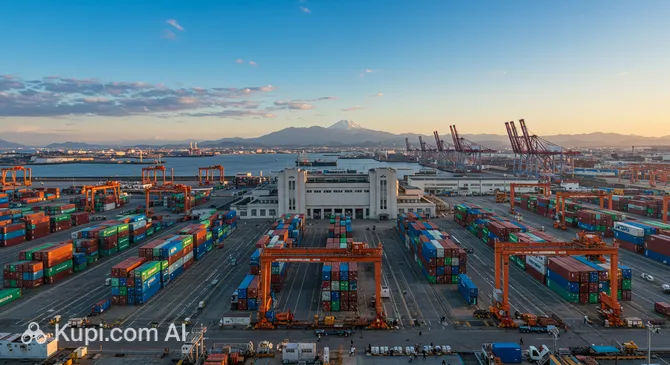
Yokkaichi. Illustration.
Source: Kupi.com AI

The atmosphere of Yokkaichi is surprisingly harmonious: here, it is easy to feel the pulse of modern life without losing a sense of comfort and tranquility. Strolling along the embankment, you can watch local fishermen at work, while in the historic quarters, you can meet artisans creating the famous Banko-yaki pottery, one of the city's hallmarks. It is also worth visiting the local temples and shrines, which reflect the region's rich spiritual culture.

Yokkaichi is known for its hospitality and special attention to tourists. The city regularly hosts vibrant festivals and features various amusement parks and museums that offer a deep dive into history and culture. For example, the Banko Pottery Museum not only displays exquisite pieces but also offers workshops for those interested in trying the craft.

The city seems designed for curious travelers: in Yokkaichi, you can not only experience the unique culture and traditions of the region but also enjoy picturesque nature, interesting architecture, and, of course, the local gastronomy. It is a place where modernity organically coexists with centuries-old customs, inviting every guest to discover something new and unforgettable.

You can find more interesting facts on the Yokkaichi city history page.
Weather Overview

The weather in Yokkaichi is characterized by distinct seasons. Summers here are warm and humid, while winters are cool and relatively dry. Spring and autumn offer mild transition periods with moderate temperatures and precipitation.

The hottest months are July and August, when average temperatures reach 26-28°C, and maximums can rise above 30°C. These same months see the highest amount of rainfall and rainy days, especially in July. Winter, from December to February, brings cool weather: the average January temperature is about 4.7°C, with nightly minimums around 1°C. The winter months are generally the driest of the year. Expect warm, humid summers with frequent rain and cool, relatively dry winters.

For a more detailed look at weather conditions by month, you can find comprehensive information on the Yokkaichi climate page.

Average monthly temperature

Average monthly precipitation

Interesting Facts

Beyond its industrial achievements and modern districts, Yokkaichi holds many surprising stories and cultural features that make it truly unique. This city in Mie Prefecture is ready to amaze travelers not only with its landscapes but also with its deep traditions.

  • Banko-yaki Ceramic Heritage: Yokkaichi is famous throughout Japan as the center for producing unique heat-resistant Banko-yaki ceramics. The secrets of this craft, passed down through generations for centuries, allow for the creation of pieces highly valued by collectors and chefs alike.

  • City of Three Great Festivals: Every year, Yokkaichi comes alive during three grand celebrations—Amagasuka Ishidori, Matsubara Ishidori, and the culminating Great Yokkaichi Festival. These events fill the streets with colorful processions, music, dancing, and traditional performances, turning the city into an open-air stage.

  • A Pioneer of Japanese Industry: In the 20th century, Yokkaichi played a key role in Japan's industrialization, becoming the site of one of the country's first major chemical complexes. This event not only gave a powerful boost to the city's development but also solidified its reputation as an "engine city" of Japanese industry.

  • Guardian of Living Traditions: The city is proud of its famous natives—athletes, artists, and musicians—but the citizens take special pride in carefully preserving unique local traditions. Craft fairs and family holidays are still passed down from generation to generation here, maintaining the authentic spirit of Yokkaichi.

Suwa Shrine. Illustration.
Source: Kupi.com AI

Traveler photos:

How to Get There

Thanks to its location between major metropolises, getting to the city is quite simple. Yokkaichi does not have its own airport, but the region's excellent transport infrastructure allows for quick travel from the nearest air hubs. You can find more details on how to get to Yokkaichi by exploring all available routes and modes of transport.

The most convenient option for travelers is Chubu Centrair International Airport (IATA: NGO). It is located in Nagoya, just 20.3 km from Yokkaichi. This is a major transport hub accepting many international flights. You can reach the city from the airport by direct bus or taxi. The car journey takes approximately 50 minutes.

Another popular option, especially for long-haul flights, is Kansai International Airport (IATA: KIX), located in Osaka. It is significantly further away—about 140 km from Yokkaichi. This airport is one of the most important in Japan. The trip by taxi or bus from here is long and takes about 3 hours and 50 minutes, so many tourists prefer to combine the route with rail transport.

It is also worth mentioning Itami Airport (IATA: ITM) in Osaka, which is 110 km from Yokkaichi. It primarily serves domestic flights. The journey by road takes about 3 hours.

For convenience, here is a summary of the main airports:

AirportPassenger trafficDistance
Chubu Centrair International Airport12.3 mln20 km
Nagoya Airport735 00043 km
Itami Airport14.8 mln110 km
Kobe Airport3.6 mln133 km
Kansai International Airport30.6 mln140 km

Since there is no airport in Yokkaichi itself, rail connections play a key role. The city is served by two main railway operators: Kintetsu Railway and JR Central. The main transport hub is Kintetsu-Yokkaichi Station, where limited express trains arrive from Nagoya (travel time about 30 minutes) and Osaka (about 2 hours). JR Yokkaichi Station is also available but is located slightly further from the central shopping districts. Trains are the most reliable and punctual way to reach the city from anywhere in the country.

Main Attractions

Yokkaichi, an industrial city in Mie Prefecture, can surprise travelers with its interesting corners where one can take a break from the urban bustle and touch the local culture. Here are several attractions worth including in your itinerary.

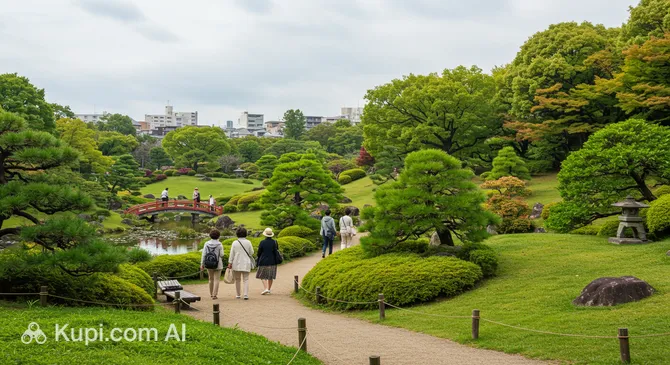
One of the primary spots for relaxation and walks is Ryokuchi Central Park. This expansive city park offers a green respite with well-kept lawns, walking paths, and sports fields. It is especially popular among locals for picnics and active recreation. Depending on the season, you can enjoy cherry blossoms or vibrant autumn colors here, making it attractive for photographers and nature lovers.

Central Ryokuchi Park. Illustration.
Source: Kupi.com AI

Traveler photos:

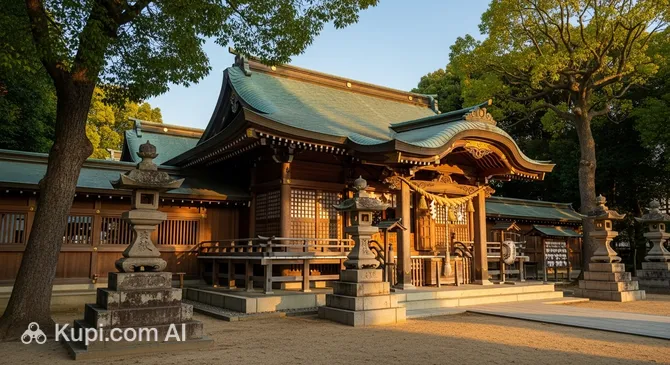
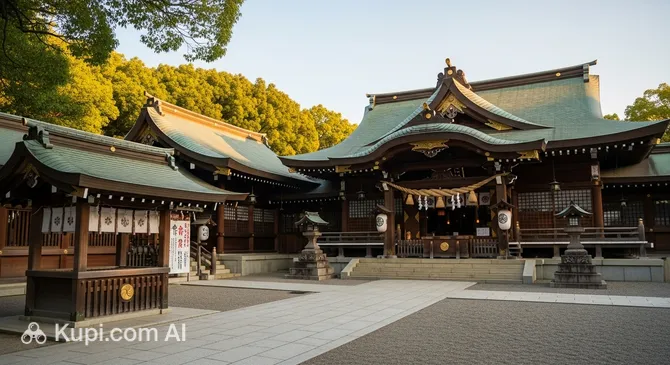
For those interested in Japanese culture and traditions, a visit to Suwa Shrine is a must. This is one of the city's significant Shinto shrines, known for its peaceful atmosphere and beautiful architecture. Visitors can learn more about local beliefs, purchase traditional amulets, or simply enjoy the serenity of this sacred place. The shrine also plays an important role in hosting local festivals.

Suwa Shrine. Illustration.
Source: Kupi.com AI

Traveler photos:

Another noteworthy religious site is Miyamado Shrine. While it may be less well-known than Suwa, it possesses its own unique atmosphere and historical value. A visit here allows for a deeper immersion into the spiritual life of the region and a chance to see traditional rituals, if you are lucky enough to be there during one. This place is ideal for those seeking a more secluded and authentic experience.

Miyamado Shrine. Illustration.
Source: Kupi.com AI

Traveler photos:

In addition to these sites, Yokkaichi offers other interesting spots, including restaurants serving local cuisine such as Unasei or Shinmikaku Honten, where you can sample the region's authentic flavors. Exploring the city is sure to bring new impressions and discoveries.

Local Cuisine

The gastronomic scene in Yokkaichi is a pleasant surprise with its diversity, offering guests both classic Japanese dishes and unique local specialties. Located by Ise Bay, the city is famous for its fresh seafood and traditions passed down through generations, creating a unique culinary experience for every tourist.

One of the hallmarks of the local cuisine is sukiyaki. This is a fragrant hot pot dish made of thinly sliced meat (most often beef), fresh vegetables, mushrooms, and tofu, traditionally cooked in a special shallow cast-iron or ceramic Banko-yaki pot produced right in Yokkaichi. This cooking method not only gives the dish a rich flavor but also turns an ordinary dinner into an engaging interactive event, as ingredients are often cooked right at the table.

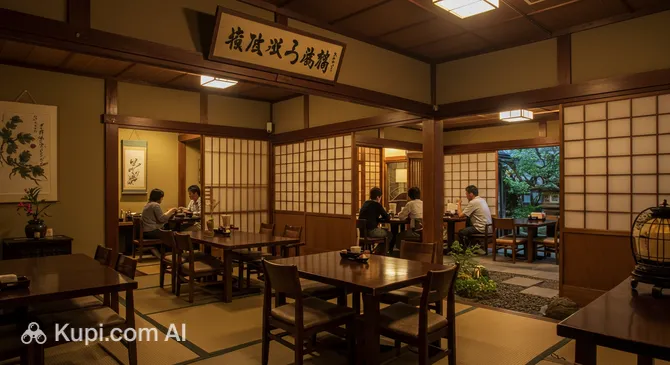
Thanks to its coastal location, Yokkaichi offers an abundance of seafood. Fresh oysters, clams, shrimp, and various fish from Ise Bay arrive daily at local markets and restaurants. Of particular note is unagi (grilled eel), which is expertly prepared here, often served over rice with a special sweet-and-savory tare sauce. You can try this and other eel dishes at restaurants like Unasei, known for its traditional recipes.

Unasei. Illustration.
Source: Kupi.com AI

Traveler photos:

Food culture in Yokkaichi is multifaceted and not limited to restaurants. It is definitely worth paying attention to street food and lively local markets. Here you can try popular Japanese snacks like takoyaki (octopus balls), yakitori (chicken skewers), as well as various local sweets based on rice flour (mochi) and adzuki bean paste. Farmers' markets will delight you with fresh seasonal vegetables, fruits, and unique culinary souvenirs created using ancient recipes.

Regarding beverages, green tea in all its varieties—from simple bancha to exquisite matcha—is popular in Yokkaichi as it is throughout Japan. For alcoholic drinks, local sake and shochu are worth noting; they can be sampled in specialized bars or during the many food festivals often held in the city. Overall, the Yokkaichi gastronomic scene offers an authentic and rich experience that allows for a deeper acquaintance with the culture and traditions of this region of Japan.

Travel Tips

Planning a trip to Yokkaichi? Wonderful! To ensure your journey through this interesting industrial and cultural center of Mie Prefecture goes smoothly and leaves only pleasant impressions, we have prepared a few practical tips.

  1. Seasonal Clothing and Essentials: The climate in Japan is clearly divided into four seasons. In summer (June–August), Yokkaichi is hot and humid, so bring light clothing. Spring (March–May) and autumn (September–November) offer comfortable temperatures—layered clothing is best. Winter (December–February) is cool; don't forget warm items. Comfortable shoes are extremely important as you will be walking a lot. Don't forget an adapter for your electronics (Japan uses types A and B, 100V). When visiting temples and shrines, try to choose modest clothing that covers shoulders and knees. Also, be prepared to remove your shoes when entering some temples or traditional establishments.
  2. Getting Around the City: The main forms of public transport in Yokkaichi are trains (Kintetsu and JR lines) and buses. This is an efficient and convenient way to reach most points in the city. Taxis are available but can be quite expensive. Renting a car for travel within the city itself is usually not necessary, but it can be useful if you plan to explore the surrounding Mie Prefecture.
  3. Financial Matters: The national currency is the Japanese Yen (JPY). It is recommended to exchange some money at the airport upon arrival or at banks. Credit cards are accepted in many hotels, large stores, and restaurants; however, having cash is essential for small establishments, temples, and markets. International bank cards usually work at ATMs in 7-Eleven, Family Mart, Lawson, and post offices (Japan Post Bank). An estimated daily budget per person, excluding accommodation and major purchases, can range from 7,000 to 15,000 yen, depending on your plans for food, transport, and entertainment. Tipping is not practiced in Japan and may be perceived as impolite.
  4. Health and Safety: Pharmacies (marked as 薬, "kusuri", or Drug Store) are found in many areas, but the selection of over-the-counter medications may differ from what you're used to. For serious ailments, it's better to go to major hospitals; be sure to arrange travel medical insurance before your trip. Yokkaichi, like most cities in Japan, is considered very safe. Nevertheless, always follow basic precautions: keep an eye on your belongings and avoid deserted areas after dark.
  5. Language and Connectivity: The official language is Japanese. In tourist spots, hotels, and at major stations, staff may speak English, but generally, the level of English proficiency is not very high. Learn a few basic Japanese phrases like "konnichiwa" (hello), "arigato" (thank you), and "sumimasen" (excuse me/sorry). For ease of communication and navigation, consider buying a local SIM card or renting a pocket Wi-Fi router. Free Wi-Fi is available in some hotels, cafes, and public places. Apps like Google Maps or Japan Travel by NAVITIME are very helpful for navigation, and Google Translate or VoiceTra are great for translation. Many of these allow you to download maps and language packs for offline use, which is very convenient.
  6. Local Etiquette: Japanese people are very polite. A slight bow is a traditional form of greeting and expressing gratitude. In public places, especially on transport, try to keep noise levels down and avoid talking loudly on the phone. It is customary to remove outdoor shoes when entering a Japanese home, some temples, and traditional restaurants (ryokans).
  7. What to Avoid: Try not to eat or drink while walking on the street (except in designated areas or during festivals). It is strictly inappropriate to stick chopsticks vertically into a bowl of rice, as this is associated with funeral rituals. Also, avoid blowing your nose in public—it's better to step away to a restroom.
  8. Unique Feature of Yokkaichi: The city is known for its "kombinato yakei"—impressive night views of illuminated industrial complexes, which have become a popular and unique sight. If you're interested in local crafts, look for Banko-yaki (Banko ware) pottery, which is produced in this region.

We hope these tips help you better prepare for your trip and enjoy every moment in Yokkaichi. We wish you an unforgettable journey through this unique corner of Japan!

Entertainment & Nightlife

When the sun sets over Yokkaichi in Mie Prefecture, opportunities for pleasant evening relaxation emerge. While Yokkaichi may not be famous for the bustling 24/7 nightlife of major metropolises, it has its own cozy spots where you can spend quality time after a busy day.

Primary evening activity is usually concentrated around the central districts and near the Kintetsu-Yokkaichi railway station. Here, you can find a variety of restaurants, izakayas (Japanese pubs), and small bars. The atmosphere in most establishments is quite relaxed and welcoming, attracting both locals and visitors. The dress code is typically casual, unless you have chosen a high-end restaurant.

For dinner and evening gatherings, local restaurants are well worth your attention. For instance, you could visit Unasei, famous for its eel dishes, or stop by Shinmikaku Honten to try meat delicacies. These establishments offer authentic Japanese cuisine and are perfect for getting to know the region's gastronomic culture.

Unasei. Illustration.
Source: Kupi.com AI

Traveler photos:

Besides restaurants, you can find traditional Japanese izakayas in Yokkaichi serving sake, beer, and a variety of snacks. This is a great way to soak up the local atmosphere. Karaoke bars are also popular—a favorite pastime for Japanese people of all ages. While there may not be many large nightclubs in the city, some bars offer music and stay open until late, especially on weekends. Night markets are not a typical feature of Yokkaichi, but evening grocery stores and street food stalls can be found in busy areas.

Practical tips for evening leisure:

Evening establishments usually start coming to life after 7:00 PM or 8:00 PM. Average prices vary but generally remain affordable. For night-time travel, taxis are the most convenient and safe option. They can be called by phone or found at designated ranks, particularly near the station. Yokkaichi, like most cities in Japan, is considered safe, but it is always wise to follow standard precautions, especially if walking alone late at night.

During the day, Yokkaichi offers other types of leisure. Guests can visit museums to learn about the history and culture of the region or take a stroll through the parks. For example, Ryokuchi Central Park is a wonderful place for outdoor relaxation. You can also explore local shrines such as Suwa Shrine or Miyamado Shrine.

Central Ryokuchi Park. Illustration.
Source: Kupi.com AI

Traveler photos:

Parks & Museums

Yokkaichi offers its guests pleasant green zones for outdoor relaxation as well as interesting sites that allow you to touch the city's cultural heritage. Although no specific museums are listed, the city is rich in shrines and parks that tell the story of its history and traditions.

One of the primary places for walks and relaxation in Yokkaichi is Ryokuchi Central Park. This is an expansive green area where you can enjoy peace, have a picnic, or simply stroll along well-maintained alleys. The park is popular with both locals and tourists for its beauty and convenient location, offering a respite from the city's hustle and bustle.

For those interested in the spiritual culture and history of Japan, Yokkaichi offers visits to several significant shrines. Suwa Shrine is an important religious site with a rich history. Visitors can appreciate the traditional architecture, peaceful atmosphere, and learn more about local beliefs. This place attracts with its authenticity and the opportunity to immerse oneself in Japanese traditions.

Suwa Shrine. Illustration.
Source: Kupi.com AI

Traveler photos:

Another notable location is Miyamado Shrine. It is also an example of traditional Japanese temple architecture and serves as a place of worship and various rituals. A walk through its grounds allows you to feel the tranquility and become acquainted with the cultural aspects of city life.

Miyamado Shrine. Illustration.
Source: Kupi.com AI

Traveler photos:

While specific museums are not on our list, these shrines themselves often house historical artifacts and are living testimonies of the past. For a more authentic experience, try peeking into small local shops near these shrines or strolling through the adjacent streets—you can often find something interesting and off the beaten path there.

Getting Around

Public transport in Yokkaichi offers several convenient ways to get around the city and its surroundings. The transport system is built around trains and buses, providing access to most districts and attractions.

Railway connections play a key role in the Yokkaichi transport network. Lines from several railway companies pass through the city, including JR (Japan Railways) and private lines such as Kintetsu Railway. Trains are a fast and reliable way to reach different parts of the city as well as neighboring towns. Stations are generally well-equipped and have clear navigation.

The bus network complements the railway, covering routes not served by trains and providing more detailed access to residential and industrial areas. Local bus companies, such as Mie Kotsu, manage an extensive network. Bus fares can be paid in cash upon exiting (sometimes you need to take a ticket when entering to determine the fare) or with transport cards.

For fare payment, rechargeable IC cards such as Suica, Pasmo, ICOCA, or TOICA are the most convenient, as they are accepted on trains and most buses. These cards can be purchased and topped up at machines in railway stations. Alternatively, you can always buy single train tickets at machines before your journey. The fare usually depends on the distance traveled.

Train tickets are purchased at stations from machines or ticket offices. To pass through the turnstiles, a ticket is inserted into a special slot, while an IC card is tapped against the reader. On buses, payment is made to the driver upon exit or via a card validator. Public transport usually operates from early morning until late evening, but schedules can vary depending on the route and day of the week, so it is recommended to check in advance.

In addition to public transport, other travel options are available in Yokkaichi. Taxis can be found near stations and in busy areas, though this is a more expensive way to get around. For short trips and exploring specific neighborhoods, bicycle rentals may be suitable, with rental points sometimes found near major stations or tourist sites.

Accommodation

In the city of Yokkaichi, travelers will find a variety of accommodation options to suit different preferences and budgets. Choices range from economical guest houses and hostels to comfortable mid-range hotels and more prestigious options. Apartments are also available for those who prefer more space and a home-like environment.

When choosing a place to stay in Yokkaichi, it is worth looking at areas located near major transport hubs, such as railway stations, which will ensure ease of movement around the city and its surroundings. Central districts can also be a good choice, as they typically offer easier access to shops, restaurants, and some attractions. Although specific famous hotels are not highlighted in the general list, the city offers a wide selection of hotels across various categories.

The price range for accommodation in Yokkaichi is quite broad: you can find both budget-friendly options and mid-to-high-class hotels. Accommodation can be booked through popular online platforms such as Booking.com, Agoda, Expedia, or directly on hotel websites. It is recommended to book your stay in advance, especially if your trip coincides with the peak tourist season or major local events, to ensure the best choice and prices.

Nearby Cities

For those looking to explore the surrounding area, Yokkaichi serves as an excellent starting point for day trips to several interesting nearby locations:

For instance, Suzuka, located just 10 km away, is world-famous for its Suzuka Circuit, which hosts Formula 1 races and attracts motorsport enthusiasts. Nearby is Kuwana (12 km), which offers visitors the picturesque Nabana no Sato park with its flower displays and winter illuminations, as well as the Nagashima Spa Land amusement park. Another worthy option is Tsu (29 km), the administrative center of Mie Prefecture, where you can visit the ruins of Tsu Castle and explore local culture.

CityPopulationDistance
Suzuka195 25010 km
Komono40 32912 km
Kuwana138 79812 km
Toin25 65813 km
Inabe34 32318 km

These nearby destinations provide a glimpse into the diverse culture and landscapes of the region.

Shopping & Souvenirs

Shopping in Yokkaichi offers tourists both modern retail outlets and the chance to experience traditional crafts. While the city is not a major international shopping hub, you can find many interesting items here, ranging from everyday goods to unique Japanese souvenirs. A particular point of pride for Yokkaichi is Banko-yaki pottery, which is famous throughout Japan.

The main shopping areas in Yokkaichi are generally concentrated around major transport hubs, such as Kintetsu-Yokkaichi Station. Here and on the surrounding streets, you can find department stores, small specialty shops, and covered shopping arcades (shotengai). A stroll through these districts will allow you to discover a variety of goods, from fashionable clothing and accessories to local delicacies and household items.

While Yokkaichi may not boast giant mega-malls like those in Tokyo or Osaka, the city has department stores and shopping complexes, especially near the main railway stations. These offer a wide range of goods: clothing, electronics, cosmetics, home goods, and usually include food courts and restaurants where you can grab a bite while shopping.

Regarding markets, in Yokkaichi, as in many Japanese cities, you can occasionally come across morning markets (asaichi), where local farmers and fishermen sell fresh products. It is also worth looking out for fairs or temple markets that may be held on special occasions—there you can find interesting crafts, antiques, and souvenirs.

The primary souvenir to bring back from Yokkaichi is undoubtedly Banko-yaki (萬古焼) ceramics. These items are renowned for their strength and heat resistance; teapots (kyusu) and clay pots for cooking (donabe) are especially popular. Additionally, you might consider local sweets, sake from Mie Prefecture, as well as various small crafts and textiles as souvenirs. If you plan to visit the Ise Jingu Shrine located in the same prefecture, you can find souvenirs related to this iconic landmark.

Most shops in Yokkaichi open around 10:00–11:00 AM and stay open until 7:00–8:00 PM. Department stores may have slightly extended hours. Credit cards are accepted in most large stores, but it is always useful to carry some cash, especially for purchases in small shops or at markets. Contactless payments and mobile app payments are also becoming increasingly common.

Foreign tourists shopping in Japan can take advantage of the Tax-Free system for goods purchased in participating stores for an amount exceeding the established minimum. Look for the "Japan Tax-Free Shop" logo. Typically, you need to present your passport at the checkout to process the tax refund. Conditions and procedures may vary slightly between stores, so it is best to check the details on-site.

Reached the end of the page?

That means the route is fully explored