Support

Tokoname

About

Tokoname is a charming city nestled on the coast of Ise Bay in Aichi Prefecture, in the heart of Japan. This city is famous for its centuries-old history of pottery and its unique atmosphere, where traditions harmoniously intertwine with modernity. Tokoname literally breathes ceramic art, and this spirit is felt in every street.

The city sprawls among picturesque hills and fertile plains, and its proximity to the sea gives residents and guests a fresh sea breeze. Tokoname has a population of about 57,500 people, allowing it to maintain the charm of a small provincial town, yet it plays an important role as a transport hub thanks to its proximity to Chubu Centrair International Airport (NGO). This makes Tokoname an excellent starting point for exploring the Chubu region.
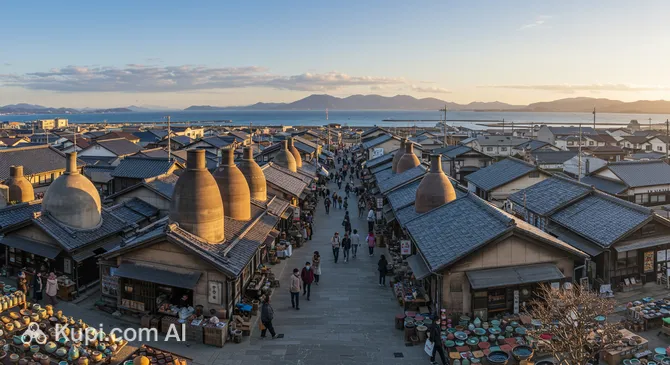
Tokoname. Illustration.
Source: Kupi.com AI

Tokoname's main pride is undoubtedly its ceramics, known as Tokoname-yaki. The city is one of Japan's Six Ancient Kilns, and its products are valued throughout the country and beyond. Be sure to walk along the famous Pottery Footpath (Yakimono Sanpokumichi)—a scenic route passing by old kilns, workshops, galleries, and walls decorated with ceramic pipes and shochu bottles. Another symbol of the city is the giant maneki-neko statue named Tokonyan, who greets guests with a smile.

Tokoname is a place where you can leisurely enjoy authentic Japanese culture, touch an ancient craft, and find inspiration in every detail. If you are looking for a peaceful holiday filled with aesthetic pleasure and discovery, be sure to include Tokoname in your Japan itinerary.

You can find more interesting facts on the Tokoname city history page.
Weather Overview

When planning a trip to Tokoname, expect warm summers with occasional rain and cool, drier winters. Summer months, especially July and August, are characterized by average temperatures around 27-29°C (with maximums reaching 30-31.5°C) and the highest amount of rainfall (up to 8 mm), with the number of rainy days reaching 15-20. In winter (January, February, December), the average temperature drops to 5-8°C (minimum temperatures can be around 1.9-3.9°C), and precipitation is minimal (1-2 mm). Spring and autumn offer mild and comfortable weather with gradual temperature changes.

For more detailed information on weather conditions by month, visit the Tokoname Climate page.

Average monthly temperature

Average monthly precipitation

Interesting Facts

In addition to its famous ceramic products, Tokoname holds many surprising stories and features that make it a truly unique place. Ready to learn some curious secrets of this city?

Tokonyan. Illustration.
Source: Kupi.com AI

Traveler photos:

  • "Ancient" Status: Tokoname is not just a ceramic center, but one of the Six Ancient Kilns of Japan (Rokko-yo), with a production history spanning over 900 years. This prestigious status highlights its deep roots and continuous traditions of craftsmanship.

  • Living History Underfoot: The city is literally permeated with ceramics. The famous Tokoname Pottery Path (Yakimono Sanpomichi) is not just a route, but a journey through time where the pavements and walls of houses are decorated with old ceramic pipes and fragments of shochu bottles.

  • Giant Guardian of Luck: Towering over the city is not just a sculpture, but the enormous ceramic cat Tokonyan—one of the largest maneki-neko in Japan. It is believed to bring good luck to everyone who sees it.

  • Home of the Perfect Teapot: It was in Tokoname that the famous kyusu teapots were created, which are considered the standard for brewing Japanese green tea. Special local clay and firing techniques give them unique properties valued by connoisseurs.

  • Ceramics Everywhere: Tokoname's unique cityscape is shaped not only by workshops but also by numerous tall brick chimneys of old kilns, as well as walls creatively laid out from dokan (ceramic pipes) and discarded shochu bottles, turning utilitarian objects into elements of urban design.

How to Get There

Tokoname offers a unique advantage for travelers: thanks to its location, the city is the air gateway for the entire Chubu region. To plan your perfect trip, we recommend studying all the ways to get to the city, including schedules and transfer details.

Undoubtedly, the most convenient and fastest way to get to Tokoname is by flying. The city is served by one of the country's key aviation hubs—Chubu Centrair International Airport (NGO). In fact, this airport is located on an artificial island that administratively belongs to the city of Tokoname, just 4 km from the center. A taxi or bus ride takes literally 10–15 minutes, making it an ideal arrival point.

An alternative for those traveling in western Japan could be Kansai International Airport (KIX), located in the city of Osaka. It is significantly further away, at a distance of about 154 km from Tokoname. From this major international hub, you will have to take a high-speed train to Nagoya and then transfer to a local line to Tokoname, which will take several hours.

For clarity, here is a summary of the main airports through which you can reach the region:

AirportPassenger trafficDistance
Chubu Centrair International Airport12.3 mln4 km
Nagoya Airport735 00042 km
Shizuoka Airport691 274124 km
Itami Airport14.8 mln128 km
Kobe Airport3.6 mln149 km

Regarding rail connections, Tokoname is excellently integrated into the region's transport network. The main rail artery is the Meitetsu Tokoname Line, which connects the city with the major metropolis of Nagoya and Chubu Centrair Airport. Trains run frequently and are highly punctual. The main station in the city is Tokoname Station. An express train journey from Nagoya Station to Tokoname usually takes about 30–40 minutes, making the train a convenient option for those arriving in Japan via other cities and traveling by Shinkansen.

Main Attractions

Tokoname, known as one of the oldest and most significant centers of ceramic production in Japan, offers tourists unique attractions related to this ancient art. A walk through the city will allow you to immerse yourself in an atmosphere of creativity and tradition.

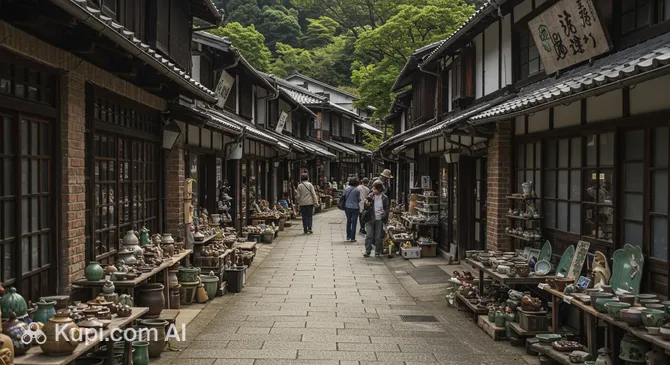
One of the main points of attraction is the Tokoname Pottery Path. This picturesque route takes you past old kilns, pottery workshops, galleries, and shops where you can not only see but also purchase works by local masters. The trail is decorated with numerous ceramic sculptures and decorative elements, making the walk particularly memorable. Here you can feel the spirit of history and see how ceramic production traditions are passed down from generation to generation.

Tokoname Pottery Footpath. Illustration.
Source: Kupi.com AI

Traveler photos:

Another iconic symbol of the city is Tokonyan. This is a huge maneki-neko statue peeking over a wall and greeting visitors. "Tokonyan" has become a kind of city mascot and a popular spot for photos. This giant lucky cat symbolizes Tokoname's hospitality and its close connection with ceramics, as many such figurines are produced here.

Tokonyan. Illustration.
Source: Kupi.com AI

Traveler photos:

Visiting these places will allow you to deeper understand the culture and history of Tokoname, a city where the art of ceramics has lived and flourished for centuries.

Local Cuisine

The gastronomic scene in Tokoname is inextricably linked to its rich ceramic heritage. Here, even an ordinary cup of tea turns into a special ritual if the drink is served in an authentic kyusu—a teapot created by the hands of a local master. Tea culture takes center stage: the city has many cozy tea houses where you can enjoy the best varieties of Japanese green tea, experiencing a harmony of taste and aesthetics.

Among the dishes that are a must-try in Tokoname, miso-nikomi udon stands out—a hearty and fragrant soup with thick udon noodles in a rich miso broth. Due to its proximity to the sea, the city is famous for its fresh seafood. Particularly popular are cafes where fish and shellfish are grilled right in front of you, preserving their natural taste and juiciness. These dishes reflect a commitment to fresh local ingredients.

In addition to the famous green tea, which is the main local beverage both in non-alcoholic form and as a base for some local liqueurs, it's worth paying attention to street food. Simple but incredibly tasty onigiri rice balls, sweet mochi, and various seasonal treats can be found on busy streets and local farmers' markets. These markets also offer an abundance of fresh vegetables and, of course, unique ceramics for serving your gastronomic finds.

Locals and tourists enjoy food in a variety of establishments: from traditional tea houses to specialized grill cafes. To dive deeper into the city's atmosphere and its culinary traditions related to ceramics, you can stroll along the Tokoname Pottery Path. Along this picturesque route, you often find small shops and cafes where you can not only purchase local potters' works but also taste treats served in them. The city is also known for its gastronomic festivals, where you can sample dishes from local chefs and learn more about tea ceremonies.

Tokoname Pottery Footpath. Illustration.
Source: Kupi.com AI

Traveler photos:

Travel Tips

Planning a trip to Tokoname, the charming city of ceramics? To ensure your journey goes smoothly and leaves only pleasant impressions, we have prepared some practical tips. This information will help you better prepare and enjoy every moment in this unique corner of Japan.

  1. Clothing and Essentials:

    The climate in Tokoname is temperate, with distinct seasons. In summer (June-August), bring light, breathable clothing, but don't forget an umbrella or raincoat as it is the rainy season. In spring (March-May) and autumn (September-November), the weather is pleasant, and layered clothing is ideal. In winter (December-February), you will need a warm jacket, hat, and gloves. Comfortable shoes are essential, as you will be doing a lot of walking, especially on the Pottery Path. Don't forget an adapter for electrical appliances (in Japan, Type A and B sockets are used, voltage 100V). When visiting temples and some traditional establishments, be prepared to remove your shoes; clothing should be modest, covering shoulders and knees.

  2. Getting Around the City:

    Tokoname is a relatively small city, and many of its attractions, especially in the Pottery Path area, can be explored on foot. The main public transport is the Meitetsu railway line, which conveniently connects the city with Nagoya and Chubu Centrair International Airport (NGO), located very close by. Local buses also run. Taxis are available but can be expensive. Renting a car might be useful if you plan to explore the surrounding Aichi Prefecture, but for Tokoname itself, it is not mandatory.

  3. Finances:

    The local currency is the Japanese Yen (JPY, ¥). While credit cards (Visa, Mastercard) are accepted in many hotels, large shops, and restaurants, it is highly recommended to always carry cash, especially for small shops, markets, and some pottery workshops. You can exchange currency at Chubu Centrair Airport or at banks. ATMs that accept international cards can be found in post offices (Japan Post Bank) and 7-Eleven convenience stores (Seven Bank). Tipping in Japan is not practiced and can be perceived as impolite.

  4. Health and Safety:

    Japan is one of the safest countries in the world, and Tokoname is no exception. The crime rate is very low. Pharmacies (look for the sign "薬" - kusuri) are available, but pharmacists may not speak English. For serious cases, it is better to go to hospitals in Nagoya or the airport medical station. Be sure to take out travel medical insurance before your trip. Follow standard precautions: keep an eye on your belongings and be aware of earthquake procedures.

  5. Communication:

    The official language is Japanese. The level of English proficiency among the local population in Tokoname may be low, except for staff at the airport and some tourist sites. Learn a few basic phrases: "Konnichiwa" (Hello), "Arigato" (Thank you), "Sumimasen" (Excuse me/Sorry). For connectivity, we recommend renting a pocket Wi-Fi router or buying a local SIM card at the airport. Free Wi-Fi is available in some hotels and public places. Google Maps for navigation and Google Translate will be very useful apps.

  6. Local Etiquette:

    Japanese people are very polite and value respect. Greetings are usually accompanied by a slight bow. In public places, especially on transport, try not to talk loudly on the phone. Remove your shoes before entering homes, temples, and some traditional restaurants (look for the special area at the entrance—the genkan). Do not eat or drink while walking unless in designated areas. Patience and politeness are key to pleasant communication with locals.

  7. What to Avoid:

    Never stick your chopsticks vertically into your rice—this is a ritual gesture associated with funerals. Also, avoid passing food with chopsticks directly into another person's chopsticks. Try not to leave trash anywhere; Japan has very strict waste sorting rules.

  8. Special Feature of Tokoname:

    Tokoname is the heart of pottery art. Be sure to walk along the Yakimono Sanpomichi (Pottery Path), and peek into the numerous workshops and shops. You will see unique Tokoname-yaki ceramics and maybe even be able to participate in a workshop. Look for the giant Maneki-neko statues (the cat that brings luck)—the city is one of their largest producers!

We hope these tips help you plan an unforgettable trip to Tokoname. Enjoy its unique atmosphere, the hospitality of the locals, and, of course, the famous ceramics!

Entertainment & Nightlife

Tokoname, known for its ceramic traditions, offers guests a cozy and authentic atmosphere for evening relaxation, distinct from the noisy metropolises of Japan. Nightlife here focuses less on loud clubs and more on the opportunity to spend pleasant time in local establishments, enjoying conversation and delicious food.

The foundation of evening entertainment in Tokoname consists of traditional Japanese pubs—izakaya. These establishments offer a wide selection of local drinks, including sake and shochu, as well as various snacks. The atmosphere in an izakaya is usually very welcoming and informal, making it a great place to get to know the local culture. You can also find small bars with a more modern setting serving cocktails and other drinks. Concentrations of such places are typically found near Tokoname Station and on central shopping streets. For up-to-date recommendations on specific bars or other establishments, it is best to consult local sources, such as your hotel staff, local guides, or online reviews, as information in smaller cities can be dynamic and not always available in general directories.

In addition to bars, a popular evening activity is karaoke—an integral part of Japanese culture. Tokoname has karaoke boxes where you can have fun with friends. The city's restaurants also stay open until late evening, offering local and international cuisine. As for large nightclubs with dance floors and DJs, there are likely to be few or none in Tokoname given its small size; for that type of leisure, it's better to head to larger cities in Aichi Prefecture. The crowd in Tokoname's evening venues is predominantly local, and the atmosphere is calm and friendly. There is usually no specific dress code; a neat casual style is welcomed.

The best time to visit bars and restaurants is Friday and Saturday evenings, though you can find open establishments on weekdays as well. Prices are generally moderate, especially compared to major tourist centers. You can get back to your hotel at night by taxi, as public transport may stop running relatively early. It is recommended to check the schedule of the last trains or buses in advance if you plan to use them.

Tokoname is considered a safe city, and night walks along the lit central streets usually cause no concern. Nevertheless, standard precautions should always be taken. You can call a taxi by asking the staff of the establishment where you are relaxing or by using ride-hailing apps if available in the region.

During the day, Tokoname also offers interesting leisure options. The city is famous for its ceramic art, which is reflected in its attractions. You can visit local museums dedicated to pottery or stroll through the picturesque streets.

Be sure to explore the famous Tokoname Pottery Path—a pedestrian route decorated with many ceramic pieces that leads you through historic pottery workshops and shops. Nearby, you can see the city's fun symbol—the giant cat statue Tokonyan, also linked to local traditions. A walk through these places will allow you to dive deeper into the unique atmosphere of Tokoname.

Parks & Museums

Tokoname, a city with a rich history of pottery, offers its guests not only an immersion into the world of ceramics but also pleasant corners for outdoor relaxation. Here, cultural heritage and modern spaces blend harmoniously, creating a unique atmosphere for travelers.

Among the green zones where you can rest and enjoy nature, Tokoname Park stands out. This is a great place for family walks, with playgrounds for children and well-kept alleys. Another popular relaxation area is Rinku Beach, located near Chubu Centrair International Airport. Here you can stroll along the sandy shore, enjoy the sea breeze, and take in views of Ise Bay, especially at sunset.

The city's main cultural artery is undoubtedly the Tokoname Pottery Path (Yakimono Sanpomichi). This is a scenic pedestrian route that takes you past old kilns, red-brick chimneys, pottery workshops, and numerous small shops where you can purchase unique locally made products. A walk along this path is a true journey through time and an introduction to the city's soul.

Equally significant is the INAX Museums by LIXIL complex. This museum is dedicated to the history and technology of ceramic, tile, and sanitary ware production. Exhibits include both historical artifacts and modern design solutions, making a visit interesting for a wide range of visitors. Here you can learn a lot about the role of ceramics in Japanese culture and daily life.

Other notable attractions include the charming Tokonyan, a giant maneki-neko statue peeking over a wall. This good-natured symbol of the city has become a popular photo spot and serves as a reminder of the importance of ceramics even in such cute forms. Numerous small galleries and workshops showcasing the work of local ceramic artists can also be found throughout the city.

For a more authentic experience, stop by one of the small family-run pottery workshops located away from the main tourist route. Some of them offer workshops where you can try your hand at creating your own ceramic piece—it will make an unforgettable souvenir from Tokoname.

Getting Around

Getting around Tokoname is quite convenient thanks to a well-developed public transport system, which primarily includes trains and buses. The city is well-connected to major transport hubs, including Chubu Centrair International Airport and the city of Nagoya, making it easily accessible for tourists.

The main mode of transport in Tokoname and for trips to neighboring cities is the Meitetsu railway line. Tokoname Station serves both the Tokoname Line and the Airport Line, providing direct connections to the airport and central Nagoya. Trains run regularly, offering a comfortable and fast way to travel.

The bus network in Tokoname complements the rail service, covering areas not reached by trains. Local buses, such as those operated by the Chita Bus company, as well as potential city or tourist buses, help you reach various attractions, including the pottery workshops and walking paths for which the city is famous. Bus schedules should be checked in advance, especially if you plan trips to outlying areas.

The fare payment system in Tokoname is integrated with Japanese national standards. The most convenient way to pay is using rechargeable IC cards, such as Manaca or Toica, which are also compatible with other popular cards like Suica or Pasmo. These cards can be used on both trains and buses. Single train tickets are purchased at station vending machines. On buses, payment is usually made in cash when entering or exiting (exact change is often required) or by IC card.

Tourists are recommended to purchase an IC card upon arrival for maximum convenience. Cards can be bought and recharged at machines at most railway stations. When using the train, simply tap your card against the turnstile at the entrance and exit. On buses, the validator is usually located at the entrance or exit. Public transport generally operates from early morning until late evening, but it's always useful to check the current schedule, especially for the last trips.

In addition to public transport, other travel options are available in Tokoname. Taxis can be found at the railway station and at key points in the city. To explore the famous Pottery Path (Yakimono Sanpomichi) and the city's picturesque streets, renting a bicycle is an excellent option. Many parts of the city, especially the central areas with their workshops and shops, are also pleasant for walking.

Accommodation

In Tokoname, travelers will find a variety of accommodation options catering to different preferences and budgets. The city offers modern hotels convenient for business trips and transit passengers, as well as more authentic options such as traditional Japanese inns (ryokans) or guesthouses that allow for a deeper immersion into the local culture. Short-term rental apartments are also available, which can be convenient for families or long stays.

When choosing a place to stay in Tokoname, it is worth paying attention to areas close to major transport hubs, especially if you plan frequent trips or are using the city as a base for visiting the nearby Chubu Centrair International Airport (NGO). For those who have come to explore the city's rich ceramic heritage, locations near attractions such as the Tokoname Pottery Path will be convenient. While specific hotels are not listed in the provided data, both chain hotels and small private establishments offering comfortable accommodation can be found in the city.

The price range for housing in Tokoname varies from budget options to more comfortable and expensive offers. It is recommended to book accommodation in advance, especially if your trip coincides with the peak tourist season, major exhibitions, or ceramic-related festivals. Primary booking methods include popular online platforms and, in some cases, contacting the hotel or guesthouse directly.

Nearby Cities

For those looking to explore the surroundings, Tokoname serves as an excellent starting point for day trips to several interesting nearby locations:

CityPopulationDistance
Agui28 1768 km
Taketoyo43 0959 km
Handa117 54410 km
Chita83 88113 km
Mihama22 44014 km

Each of these cities offers something of its own. For example, Yokkaichi, being a major port and industrial city, can surprise with its modern landscapes and parks like Unkoma Park. For fans of speed and motorsports, a visit to the city of Suzuka is a must, where the famous Suzuka Circuit racing track, host to Formula 1 stages, is located. If you are looking for a calmer atmosphere and picturesque views, then Anjo, known as "Japan's Denmark" due to its farms and flower parks like Denpark, will be a wonderful choice for a relaxing trip.

These nearby destinations provide insight into the diverse culture and landscapes of the region, offering unique experiences for every traveler.

Shopping & Souvenirs

Tokoname, known as one of the six ancient pottery centers in Japan, offers a unique shopping experience centered mainly around the famous Tokoname-yaki ceramics. The city literally breathes ceramic art, and it is here that you can find authentic pieces, from traditional tableware to modern art objects.

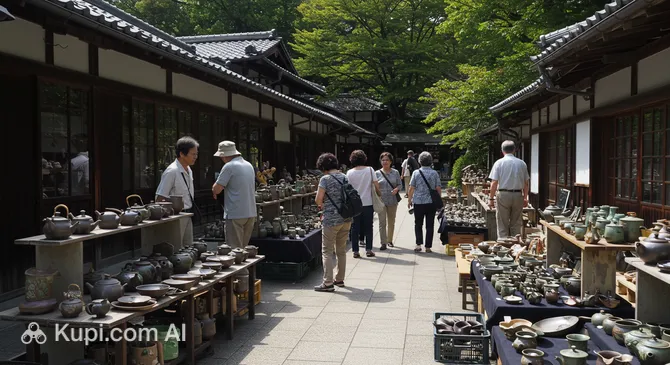
The primary shopping destination is certainly the Tokoname Pottery Path (Yakimono Sanpomichi). This picturesque walking street and its adjacent alleys are dotted with dozens of pottery workshops, galleries, and shops. Here you can not only purchase finished products but also observe the process of their creation, and sometimes even participate in a master class. Along the path, you will find everything from elegant teapots (kyusu), for which Tokoname is particularly famous, to vases, plates, cups, and figurines, including the famous maneki-neko cats.

For those looking for a more modern shopping format or needing everyday goods, the large AEON Mall Tokoname is located near Chubu Centrair International Airport. It offers a wide range of goods: clothing, electronics, cosmetics, and food, as well as restaurants and entertainment zones. However, the main focus for tourists in Tokoname remains on its unique ceramic products.

There are few specialized markets in the traditional sense, such as large food or flea markets, in Tokoname. Shopping here is more like an immersion into the world of craft, where every workshop or shop on the Pottery Path represents a kind of mini-market for unique items.

The main souvenir from Tokoname is, of course, Tokoname-yaki ceramics. Look out for: * Teapots (kyusu): especially valued for their ability to improve the taste of tea. * Maneki-neko figurines: Tokoname is one of the largest producers of these "beckoning cats" of good luck. * Tableware: plates, cups, and sake sets with the characteristic texture and color of local clay. * Decorative items: vases, figurines, and ceramic panels. Many shops also offer small ceramic souvenirs like magnets, keychains, or chopstick rests.

Most shops and galleries on the Pottery Path operate from approximately 9:00-10:00 to 17:00-18:00. Some small workshops may have more flexible hours or close on certain days of the week. In shopping centers like AEON Mall, hours are usually longer, until 20:00-21:00. Large stores and shopping centers accept credit cards, but in small family workshops, it is preferable to have cash on hand.

In Japan, a Tax-Free system operates for foreign tourists. Many shops, especially larger ones and those oriented toward tourists, offer this service for purchases over a certain amount. Look for "Tax-Free Shopping" signs and remember to present your passport at the time of payment.

Reached the end of the page?

That means the route is fully explored