Support

Minamichita

About

Minamichita is a charming town nestled on the southern tip of the Chita Peninsula in Aichi Prefecture. It is famous for its slow-paced lifestyle and peaceful atmosphere, offering guests an immersion into the heart of the Japanese countryside, far from the hustle and bustle of megacities.
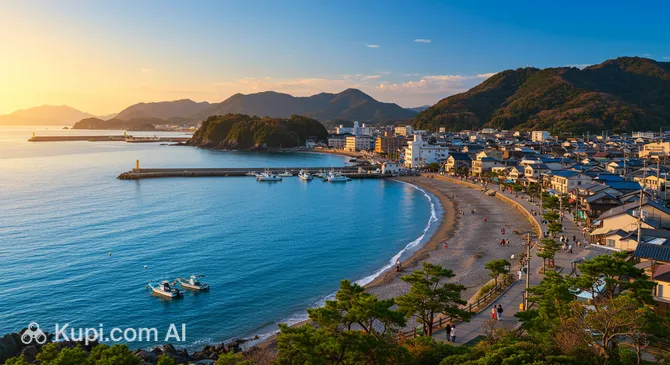
Minamichita. Illustration.
Source: Kupi.com AI

The town is washed by the waters of Ise Bay and the Pacific Ocean, and its coastline is dotted with picturesque bays and beautiful sandy beaches. The mild maritime climate provides Minamichita with lush green hills and blooming gardens almost all year round. The town has a population of about 16,805 people, which helps maintain an intimate and friendly environment. Minamichita is part of Japan and serves as a gateway to the rich natural and cultural heritage of the Chita region.

Key features that draw tourists here are the magnificent seascapes, the opportunity to enjoy the freshest seafood, and the chance to breathe in the fresh sea air. The town consists of several small villages, each unique and preserving its own long-standing traditions. Here, you can watch mesmerizing sunsets over the bay and get acquainted with authentic Japanese culture.

If you are looking for a place for a peaceful getaway, love nature, and want to discover traditional Japan without the tourist crowds, Minamichita will be a real discovery for you and provide unforgettable impressions.

You can find more interesting facts on the history of Minamichita page.
Weather Overview

The weather in Minamichita is characterized by distinct seasonality. Summer, especially in July and August, is warm and humid: the average air temperature in August is about 27.7°C (with maximum values up to 29.9°C), and July sees the highest number of rainy days (averaging 19). June is also quite rainy, with a total precipitation of about 9 mm.

Winters in Minamichita are cool but not harsh. The average temperature in January stays around 6.4°C, dropping to 3.7°C at night. Winter months, such as January and December, are the driest, with minimal precipitation (about 2 mm) and approximately 7-8 rainy days. Spring and autumn offer pleasant transitional temperatures with a moderate amount of rainfall. Overall, expect warm summers with occasional rain and cool, drier winters. To better plan your trip, you can study detailed information about the climate of Minamichita.

Average monthly temperature

Average monthly precipitation

Interesting Facts

In addition to its picturesque beaches and coastal landscapes, Minamichita hides many surprising features and traditions that not all travelers know about. Are you ready to see the town from an unexpected side?

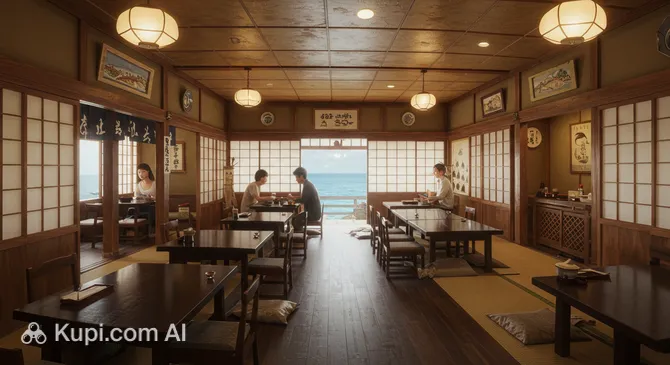
Maruha Shokudo Ryokan Minamichita Toyohama Main Branch. Illustration.
Source: Kupi.com AI

Traveler photos:

  • Minamichita is famous for its hot springs—onsen. Many of them offer open-air baths with stunning ocean views, providing a unique experience of relaxation and connection with nature.

  • In the town's vicinity, you will find unique roadside stations known as "michi-no-eki." These are not just rest stops, but real cultural centers where you can taste fresh farm products, purchase local crafts, and get acquainted with the gastronomic traditions of the region.

  • The town is known for its picturesque sea lantern festival. During this holiday, local fishermen create a mesmerizing light show on the water, turning the night bay into a real sea of lights and attracting many spectators.

  • Minamichita is home to many talented Japanese artists and ceramic masters. Their work can be seen in small, cozy galleries and at seasonal exhibitions, bearing witness to the careful preservation of traditional crafts.

How to Get There

You can reach the picturesque town of Minamichita, located on the Chita Peninsula, in various ways by combining air and ground transport. Thanks to its proximity to major transport hubs in central Japan, traveling here is easy. You can learn more about how to get to Minamichita to choose the most suitable route for your trip.

The most convenient airport for arrival is Chubu Centrair International Airport (NGO). It is important to note that the airport is not in Minamichita itself but serves the city of Nagoya (located on an artificial island in the city of Tokoname), though the distance to the center of Minamichita is only about 19.6 km. It is a major international hub receiving flights from all over the world. The travel time by taxi or car is approximately 50 minutes.

If you are planning a complex journey through the Kansai region, you might consider flying into Kansai International Airport (KIX) in Osaka. This is one of the country's most important airports with a very high passenger flow. However, it is significantly further away—158 km from Minamichita. A car trip from there will take about 4 hours and 20 minutes. Itami Airport (ITM) in Osaka is also available, serving mainly domestic flights; a transfer from there (a distance of 136.8 km) will take about 3 hours and 45 minutes.

For clarity, here is a summary of the main airports:

AirportPassenger trafficDistance
Chubu Centrair International Airport12.3 mln20 km
Nagoya Airport735 00060 km
Shizuoka Airport691 274115 km
Itami Airport14.8 mln137 km
Kobe Airport3.6 mln156 km

As for rail connections, Minamichita is conveniently linked to major cities by the Meitetsu private railway line. The main station serving the town is Utsumi Station, which is the terminus of the Chita New Line. Travelers usually get here with a transfer or by a direct express from Nagoya Station. Taking the train allows you to enjoy coastal views and avoid traffic jams, making this option one of the most popular among tourists.

Main Attractions

Minamichita, a charming coastal town in Aichi Prefecture, offers visitors a variety of entertainment and attractions, from lively beaches to unique gastronomic experiences and interesting islands.

One of the most popular spots for families is Minamichita Beach Land & Toy Kingdom. This complex combines an aquarium, where you can observe marine life and enjoy dolphin and sea lion shows, and the "Toy Kingdom" theme park, which will delight children of all ages. It is a great place to spend a whole day in a fun and educational way.

Beach lovers should definitely visit Utsumi Beach. This is one of the largest and most famous beaches in the Tokai region, renowned for its long sandy shore and clear water. In summer, the place is buzzing with life: numerous cafes are open, and water activities are offered, making it an ideal spot for swimming, sunbathing, and active recreation.

To truly get a taste of local life and try the freshest seafood, head to the Toyohama Fish Market, also known as "Sakana Hiroba." Here, you can not only buy fresh fish and seafood caught the same day but also taste them in one of the many small restaurants right at the market. This place attracts foodies and those who want to experience the local fishing culture.

For connoisseurs of Japanese cuisine and fresh seafood, visiting the Maruha Shokudo Ryokan Main Branch in Minamichita Toyohama can be an interesting part of the itinerary. This well-known establishment, part of a ryokan (a traditional Japanese inn), is famous for its seafood dishes, especially its large fried shrimp and other local delicacies. The restaurant offers an authentic atmosphere and high-quality food, making it popular with both locals and tourists alike.

Maruha Shokudo Ryokan Minamichita Toyohama Main Branch. Illustration.
Source: Kupi.com AI

Traveler photos:

Just off the coast of Minamichita are picturesque islands, among which Himakajima Island stands out. It is known as the "island of octopuses and fugu." It is easily accessible by ferry, and the trip will give you a chance to enjoy beautiful seascapes, try the freshest octopus delicacies, and, in season, the famous fugu fish. The island also offers cozy ryokans and onsens for those who want to extend their stay and dive deeper into island life.

Local Cuisine

The cuisine of Minamichita is a true feast for seafood lovers. Located on the coast, the town is famous for its marine delicacies, which form the basis of most local dishes. The gastronomic pride here is rightly considered to be dishes made from freshly caught fish and seafood. Tourists should definitely try local sushi and sashimi made from sea eel, oysters, shrimp, and scallops, which are incredibly fresh and flavorful.

A special place on the culinary map of Minamichita is held by Anadzu (Japanese sea eel). It is grilled with a signature sauce using a recipe that has made the town famous throughout Aichi Prefecture. In addition, at the markets and numerous street stalls, you can taste other unusual delicacies: fried clams, appetizing dried squid, and pickled seaweed. Local eateries often offer guests traditional miso soup with seaweed and steamed rice served with various seafood.

The food culture in Minamichita is closely linked to the sea and local traditions. Locals and tourists love to visit the lively farmers' markets at michi-no-eki (roadside stations), where you can not only buy seasonal vegetables, fresh fruit, and homemade sweets but also try local sauces and marinades. Of course, the town also has restaurants specializing in seafood. One such notable place is Maruha Shokudo Ryokan, Minamichita Toyohama Main Branch, where you can fully enjoy the region's authentic dishes.

A meal in Minamichita is perfectly complemented by traditional Japanese drinks. Green tea is popular among non-alcoholic options, while for alcohol, you should look for sake or local beer, which harmonize perfectly with seafood dishes. The town's gastronomic life is also enriched by various festivals, with the summer seafood festival being a highlight. During this time, restaurants and cafes offer special menus, and street tastings and workshops on preparing traditional dishes are organized, making a trip to Minamichita even more memorable for foodies.

Travel Tips

Planning a trip to the charming coastal town of Minamichita? Wonderful! To ensure your journey through this corner of Aichi Prefecture goes smoothly and leaves only pleasant impressions, we have prepared some practical tips.

  1. Seasonal Clothing and Essentials:

    In Minamichita, as in most of Japan, there are four distinct seasons. In summer (June-August), it is hot and humid—bring light clothing. In winter (December-February), it is cool; you will need a warm jacket and sweaters. Spring and autumn offer comfortable weather, ideal for walks—layered clothing is the best choice. Don't forget comfortable shoes for walking, a raincoat or umbrella (especially in June-July, during the rainy season), sunscreen, and a hat for summer. For electrical appliances, you will need an adapter (Japan uses Type A and B sockets, 100V voltage). When visiting temples and shrines, choose modest clothing that covers shoulders and knees.

  2. Getting Around Town:

    Minamichita is a small town, so the public transport system may not be as extensive as in megacities. The main form of public transport here will likely be buses—check their schedules in advance. Taxis are available but may not be as numerous. For exploring the Chita Peninsula and the surroundings of Minamichita, renting a car can be a good option. Remember that Japan has left-hand traffic, and you will need an international driving permit. For short distances, walking or renting a bicycle is excellent.

  3. Financial Matters:

    The local currency is the Japanese Yen (JPY). Despite the growing number of places accepting cards, Japan remains largely a cash-based country, especially in small towns and establishments like Minamichita. We recommend exchanging currency in advance or withdrawing cash from 7-Eleven (Seven Bank) or Japan Post Bank ATMs, which usually accept international cards. Check with your bank regarding the terms for using cards abroad. Tipping in Japan is not practiced and can be perceived as a misunderstanding.

  4. Health and Safety:

    Japan is one of the safest countries in the world, and Minamichita is no exception. Pharmacies (look for the sign "薬" - kusuri) are available, but pharmacists may not speak English, so have a list of necessary medications with international names. Be sure to get medical insurance before your trip. It is important to remember that Japan is in a seismically active zone; familiarize yourself with basic rules of conduct during earthquakes and typhoons.

  5. Language and Communication:

    The official language is Japanese. The level of English proficiency among the local population, especially in small towns, may not be high. Learn a few basic phrases: "konnichiwa" (hello), "arigato" (thank you), "sumimasen" (excuse me/sorry). For ease of communication and navigation, we recommend purchasing a tourist SIM card or renting a pocket Wi-Fi router upon arrival in Japan. Free Wi-Fi may be available in some hotels and public places.

  6. Local Etiquette:

    Japanese people highly value politeness and respect for tradition. When greeting, it is customary to bow slightly. In public places, especially on transport, try to speak quietly. Remove your shoes before entering Japanese homes, some temples, traditional restaurants, and ryokans (Japanese-style inns). There are certain rules for using chopsticks (for example, do not stick them vertically into rice).

  7. What to Avoid:

    To avoid offending locals and awkward situations, try not to speak loudly on the phone in public places and transport. It is also not customary to eat or drink on the go in the street (except in specially designated areas or during festivals). Do not leave a tip—it is not part of the service culture.

  8. Special Tip for Minamichita:

    Minamichita is the heart of the Chita Peninsula, known for its freshest seafood and picturesque beaches. Be sure to stop by local restaurants to try the gifts of the sea, and if the season allows, enjoy a rest on the coast or visit one of the local onsens (hot springs) for total relaxation.

We hope these tips help you better prepare for your trip and fully enjoy the hospitality and beauty of Minamichita. We wish you an unforgettable journey through Japan!

Entertainment & Nightlife

Minamichita, a charming coastal town in Aichi Prefecture, offers its guests the chance to enjoy a peaceful and authentic Japanese flavor, even in the evening. While it is not a city known for boisterous nightclubs and discos until dawn, you will certainly find cozy spots for a pleasant evening and an introduction to the local atmosphere.

Evening entertainment in Minamichita is mainly centered around restaurants where you can taste the freshest seafood, as well as small traditional izakaya bars. One such notable place for dinner is Maruha Shokudo Ryokan, Minamichita Toyohama Main Branch, which is famous for its cuisine and is an excellent choice to start the evening. In addition to such well-known establishments, it is worth paying attention to the many small family-run restaurants and bars that can be found while strolling through the town—these often offer the most authentic experience.

Regarding bars and clubs in the more conventional sense, in a town the size of Minamichita, the selection will be limited compared to major cities. Instead of large nightclubs, you are more likely to find small, welcoming bars where you can enjoy a drink and chat with the locals. There are no specialized nightlife districts here, but walking along the central streets or the waterfront in the evening, you are likely to stumble upon attractive venues. The atmosphere is usually relaxed and informal, without a strict dress code. Keep in mind that opening hours may vary, and most small establishments close earlier than clubs in big cities.

To make your evening in Minamichita as enjoyable as possible, it is helpful to consider a few practical tips. It is best to plan your evening leisure in advance, especially if you want to visit a specific popular restaurant. Prices in local establishments are generally quite moderate. For getting around at night, a taxi is the most convenient option, as public transport runs significantly less frequently in the evening and at night. You can order a taxi through your hotel reception or find one at designated stands.

Regarding safety, Minamichita, like most cities in Japan, is a fairly safe place for evening walks. Nevertheless, it is always wise to follow standard precautions: stay on well-lit streets and use official taxi services.

Speaking of daytime entertainment, Minamichita offers many options for recreation. Located on the coast, the town attracts lovers of beach holidays and water sports. You can also explore the picturesque surroundings, visit local markets, or simply enjoy the beauty of nature. Although Minamichita may not have major theme parks or world-famous museums, its true charm lies in its peaceful atmosphere, beautiful landscapes, and the opportunity to touch the life of the Japanese provinces.

Parks & Museums

Minamichita, a charming coastal town in Aichi Prefecture, offers its guests a wonderful blend of natural beauty and cultural discovery. Here you will find both peaceful green areas for relaxation and interesting places that tell the story of the region's history and art.

Nature lovers should take note of Minamichita's magnificent beaches. One of the most famous is Utsumi Beach, which attracts many visitors with its golden sand and clear water—an ideal place for swimming, sunbathing, and family holidays. The town is also part of the Chita Peninsula Quasi-National Park, which guarantees picturesque coastal scenery, rocky cliffs, and opportunities for hiking along trails with breathtaking ocean views. Nearby are islands such as Himaka and Shinojima, which can be reached by ferry; they are famous for their untouched nature and fishing villages.

To learn about Minamichita's cultural heritage, you can visit local museums. While there are few large museum complexes here, it is worth looking for small exhibitions dedicated to the history of fishing and maritime traditions, which play an important role in the town's life. One interesting place for art lovers is the Sugimoto Art Museum, which features the works of artist Kenkichi Sugimoto, known for his depictions of Japanese landscapes and scenes from local life. Such galleries allow for a deeper understanding of the region's artistic traditions.

Minamichita's historical heritage is also reflected in its shrines and temples. Visiting one of these sites, such as a temple dedicated to sea deities, can be an interesting experience, allowing you to touch local beliefs and architectural traditions. These quiet corners often hold centuries of history and offer a peaceful atmosphere for reflection.

For a more authentic experience, check out the Toyohama Fish Market. This is not just a place to buy the freshest seafood, but also a vibrant picture of local life where you can watch the lively trade and feel the authentic spirit of a seaside town. We also recommend exploring lesser-known coastal paths or small bays—there you can enjoy the silence and beauty of nature away from the tourist crowds.

Getting Around

When planning your travel around Minamichita, keep in mind that it is a small town, and the public transport system is reflective of that. The main ways to get around are local trains and buses, which provide connections both within the town and with neighboring settlements.

The basis of the rail service is provided by the Meitetsu company lines (such as the Meitetsu Kōwa Line and the Meitetsu Chita New Line), which connect Minamichita with other parts of Aichi Prefecture. For short-distance trips within the town and its surroundings, local buses run. The schedule, especially for buses, may not be as frequent as in large megacities, so it is recommended to check it in advance at stations or online, if available.

The payment system in Japan is quite unified. In the trains and buses of Aichi Prefecture, rechargeable IC cards such as Manaca or TOICA are generally accepted, as are other popular Japanese transport cards (e.g., Suica, Pasmo). This is the most convenient way to pay: just touch the card to the reader at the entrance and exit. Train tickets can also be purchased at machines at the stations. On buses, if you don't have an IC card, payment is usually made in cash to the driver upon exit; you often need to take a ticket with a stop number when boarding to determine the fare. The fare depends on the distance.

It will be useful for tourists to know that train tickets are purchased before boarding, and IC cards can be bought and topped up at machines at major railway stations. Information boards at stations are usually duplicated in English, at least for major directions. Bus stops may be less informative for foreigners, so it is worth having the name of your destination in Japanese or using navigation apps. Public transport usually operates from early morning until late evening, but the last services may depart earlier than in large cities.

As an alternative to public transport, taxis are always available in Minamichita. They can be found at stands near railway stations or called by phone. For more independent exploration of the surroundings, especially if you plan to visit scenic spots on the Chita Peninsula, you might consider renting a car, although rental points may be located in larger neighboring towns. In some tourist zones, bicycle rental may be available, which is a great way for leisurely strolls and sightseeing in the fresh air.

Accommodation

When planning a trip to Minamichita, you can choose from various accommodation options to suit your budget and preferences. The town offers modern hotels and cozy guesthouses, as well as the unique opportunity to stay in traditional Japanese inns—ryokans. Ryokans allow for a deeper immersion into the local culture, offering Japanese hospitality and often including local cuisine in the stay, providing an authentic experience.

When choosing a place to stay in Minamichita, look for areas along the coast, especially if you are planning a beach holiday. Options near major transport links or attractions of interest can also be convenient. While specific examples of hotels from our database are currently unavailable, the town has options for every taste and budget.

Given that Minamichita is a popular vacation spot, especially during the summer season, it is recommended to book your accommodation in advance. This will ensure you the best choice and the most favorable prices. Planning ahead will help you find the optimal option that meets your expectations for your trip to this charming corner of Japan.

The price range for accommodation in Minamichita varies from budget-friendly options to more expensive offers in hotels and ryokans with full board. You can book your stay through popular online platforms or, in some cases, by contacting the hotel or guesthouse directly.

Nearby Cities

For those who want to explore the surroundings, Minamichita serves as an excellent starting point for day trips to several interesting nearby places:

CityPopulationDistance
Mihama22 4407 km
Taketoyo43 09515 km
Hekinan72 48020 km
Nishio168 99220 km
Handa117 54420 km

For example, Okazaki attracts tourists with its majestic castle, which is the historical birthplace of the famous Shogun Tokugawa Ieyasu. In Ise, you can touch Japan's spiritual culture by visiting one of the most revered Shinto shrines—Ise Jingu. And Nishio, known as "Little Kyoto," will charm you with its historical atmosphere and traditions of matcha green tea production.

These nearby destinations provide insight into the region's diverse culture and landscapes. Each of these cities offers its own unique attractions, whether they are historical castles, scenic parks, or local markets, making them excellent choices for a short trip from Minamichita.

Shopping & Souvenirs

Shopping in Minamichita is more about immersing yourself in the local flavor and finding unique souvenirs than chasing famous brands. The town is not a major shopping center, but it offers charming shops and stalls where you can buy goods that reflect the culture and nature of the Chita Peninsula. Fresh seafood and local crafts are particularly popular.

The main shopping opportunities in Minamichita are generally concentrated near tourist areas, port districts, or along the central streets of the small villages that make up the town. Here you will find small family-run shops, souvenir stalls, and points of sale for local delicacies. There are no specialized large shopping streets comparable to those in megacities, which gives shopping a special, unhurried character.

Large modern shopping centers are not a characteristic feature of Minamichita. Instead, the emphasis is on small shops and markets where you can interact directly with sellers and learn more about local products. If you are looking for a wide range of goods under one roof, it might be worth considering a trip to larger cities in Aichi Prefecture.

Markets in Minamichita, especially those located near the coast, can offer the freshest seafood—the region's calling card. Here you can find the morning catch, seasonal vegetables and fruits from local farmers, as well as various pickles and traditional snacks. Visiting such a market is not just shopping but also a vivid gastronomic experience.

As souvenirs from Minamichita, it is worth bringing back sea-related products: dried seaweed, various fish delicacies, and shrimp crackers (ebi-senbei), for which the region is famous. Also, look out for local crafts if you encounter them, such as ceramics or textiles. Small shops often offer original sweets and products based on local ingredients.

Most shops in Minamichita are open from approximately 10:00 to 18:00 or 19:00. Small private shops may have their own, more flexible schedule, and some may be closed on a certain day of the week. Regarding payment, larger shops and tourist spots usually accept credit cards. However, in small shops and at markets, it is preferable to have cash (Japanese Yen) with you.

In Japan, there is a tax refund system (Tax Free) for foreign tourists. Look for shops with the corresponding "Japan Tax-Free Shop" logo. Usually, to process a tax refund, you need to make a purchase of over 5,000 yen (excluding tax) in one shop in one day and present your passport. Keep in mind that not all small shops in Minamichita may provide this service.

Reached the end of the page?

That means the route is fully explored