Support

Tahara

About

Tahara is a charming city, a true corner of eternal spring, located on the picturesque Atsumi Peninsula on the southern coast of Honshu Island. It is here that the majestic Pacific Ocean meets the calm waters of Mikawa Bay, creating unique seascapes. Thanks to its mild climate and fertile land, Tahara is renowned as one of the leading agricultural regions in Japan.

With a population of about 59,000 people, Tahara maintains a cozy and relaxed atmosphere characteristic of small Japanese towns. It is a place where modern life harmoniously intertwines with centuries-old traditions and pristine nature, offering guests a tranquil getaway far from the noise of major metropolises.
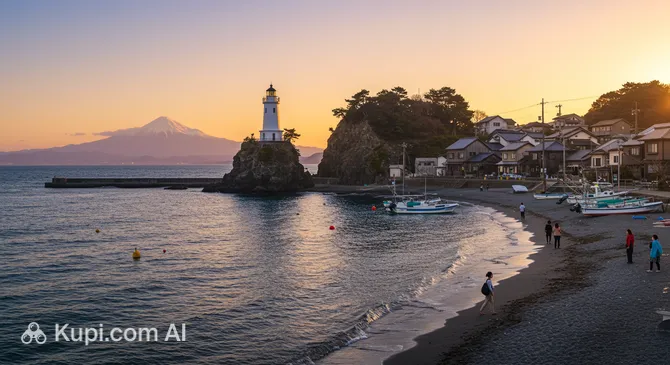
Tahara. Illustration.
Source: Kupi.com AI

One of the city's main attractions is the ruins of Tahara Castle, built during the Sengoku period (Warring States period). A walk along its ancient stone walls, visiting local museums and shrines, and admiring the cherry blossoms at the restored Sakuramon Gate in the spring will leave an unforgettable impression. Additionally, Tahara attracts outdoor enthusiasts with excellent conditions for surfing, fishing, and hiking along the coast.

The uniqueness of Tahara also lies in the opportunity to experience authentic Japanese rural life. Guests can participate in harvesting seasonal fruits and vegetables, such as strawberries or melons, enjoy the freshest seafood straight from the local market, and get acquainted with traditional crafts. Tahara is the perfect place for those seeking a soulful holiday and wanting to discover a different, leisurely side of the Land of the Rising Sun.

You can find more interesting facts on the page about the history of Tahara
Weather Overview

The weather in Tahara is distinctly seasonal. Summer, especially in July and August, is warm here, with average temperatures around 26-28°C and maximum values reaching 30°C and above. The summer months are also characterized by the highest rainfall, particularly June and July, when the number of rainy days can reach 16-19. Winters in Tahara are cool, with average temperatures in January and December around 6-8°C, while minimum temperatures can drop to 3-5°C. The winter months are significantly drier, with low amounts of precipitation.

In general, expect a warm and humid summer with periodic rain and cool, relatively dry winters. Spring and autumn are transitional seasons with moderate temperatures and varying amounts of rainfall. For more detailed information on climate conditions, you can check the detailed forecast: Tahara's climate.

Average monthly temperature

Average monthly precipitation

Interesting Facts

In addition to its well-known attractions, Tahara holds many surprising stories and features that make this city truly unique. Here are just a few interesting facts to help you see Tahara from a new perspective:

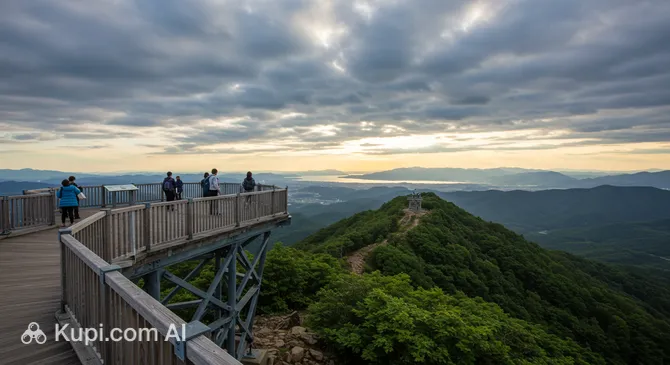
Mt. Zao Observation Deck. Illustration.
Source: Kupi.com AI

Traveler photos:

  • One of the city's historical gems is Tahara Castle. Although the original castle was dismantled during the Meiji era, the ancient stone walls known as "Sodeike-no-Ishigaki" have survived to this day, having been restored many times after earthquakes. The Sakuramon Gate and the Ninomaru Turret were carefully reconstructed and are now popular spots for walks, especially during cherry blossom season.

  • Tahara is often called the "city of eternal spring." Thanks to its mild climate, you can enjoy fields of blooming flowers even in winter and visit greenhouses filled with exotic plants. The city is one of Japan's leaders in flower production, and local farmers often organize tours and workshops in their greenhouses for guests.

  • In Tahara, you have a unique opportunity to feel like a real Japanese fisherman! The local fish market holds special auctions for tourists, where you can not only watch the lively bidding but also purchase the freshest seafood, which can be grilled for you right on the spot.

  • The city carefully preserves craft traditions: there are still workshops producing lacquerware, ceramics, and traditional paper lanterns. Tourists can not only observe skilled masters at work but also try their hand at creating a unique souvenir to take home.

How to Get There

When planning a trip to the scenic Atsumi Peninsula, it is important to consider logistics in advance and find out how to get to Tahara. The city is located away from bustling metropolises but has convenient connections to the region's major transport hubs.

There is no airport in Tahara itself, so most travelers arrive via the air gateways of neighboring large cities. The most convenient option is Chubu Centrair International Airport (NGO), located in Nagoya (Tokoname). It is approximately 47 km from Tahara. This major international hub handles flights from all over the world. The journey from the airport by taxi or rental car takes about 1 hour and 30 minutes.

Another possible option is Shizuoka Airport (FSZ), located in Shizuoka City, about 85 km from Tahara. This is a regional airport that can be convenient for domestic flights. A car journey from here takes approximately 2 hours and 30 minutes. If you are traveling from the Kansai region, you might consider Itami Airport (ITM) in Osaka; however, it is much further away—167 km—and the journey will take over 4 hours.

For convenience, here is a summary of the main airports:

AirportPassenger trafficDistance
Chubu Centrair International Airport12.3 mln47 km
Nagoya Airport735 00072 km
Shizuoka Airport691 27485 km
Itami Airport14.8 mln168 km
Matsumoto Airport112 618177 km

Regarding rail connections, there is no Shinkansen high-speed train station in Tahara itself. The nearest major railway hub is Toyohashi Station in the neighboring city of Toyohashi. This station is served by Tokaido Shinkansen bullet trains from Tokyo, Osaka, and Nagoya. From Toyohashi Station, tourists can transfer to the local Toyohashi Railroad Atsumi Line, which leads directly to Tahara (the terminal station is Mikawa-Tahara). The local train ride takes about 35 minutes and offers views of suburbs and countryside.

Main Attractions

Tahara, nestled on the picturesque Atsumi Peninsula, attracts travelers with its unique combination of natural beauty and rich cultural heritage. If you are planning a trip to this charming corner of Japan, here are several attractions that will make your journey unforgettable:

One of the most impressive vantage points in the area is the Zaio Mountain Observation Deck. From its height, truly breathtaking panoramic views open up over the city of Tahara, the curves of the Atsumi Peninsula, and the vast waters of the Pacific Ocean. It is an ideal spot for photography enthusiasts and those wanting to enjoy the beauty of nature in a peaceful setting, especially during sunset.

A visit to Cape Irago (Irago Misaki), crowning the southern tip of the Atsumi Peninsula, is a must. Here stands the snow-white Irago Lighthouse, which serves not only as an important navigational landmark but also as a symbol of the area. A walk along the cape offers magnificent views of the ocean and Ise Bay, as well as the chance to watch passing ships. This place possesses a special romantic aura and has often inspired poets and artists.

For lovers of beach holidays and romantic walks, Koijigahama Beach is perfect. This long sandy beach is famous for its beauty and soft sand. The name of the beach translates as "Lover's Beach," and it truly lives up to its name, especially at sunset when the sky is painted in incredible hues. You will also find the famous "Bell of Happiness" here, which, according to legend, brings good luck to couples when rung.

To dive deeper into the history and culture of the region, stop by the Tahara City Museum. The museum's exhibits cover a wide range of topics: from archaeological finds evidencing the ancient history of the Atsumi Peninsula to ethnographic collections and works of art. Special attention is paid to famous figures associated with Tahara, such as the Edo-period artist and scholar Watanabe Kazan. A visit to the museum is a fascinating journey into the past of this unique corner of Japan.

Local Cuisine

The gastronomic world of Tahara is a true discovery for lovers of fresh products and authentic flavors. Thanks to its prime location by the sea and fertile lands, the city is famous for its seafood and bountiful harvests. Be sure to try dishes made from the freshest seafood: oysters, scallops, and shrimp are masterfully prepared here. A special pride of the local cuisine is unagi—freshwater eel, which is grilled over an open fire and served with a delicious caramelized sauce. This dish has become a signature of the region and attracts foodies from all over the country.

No less famous are Tahara's juicy and sweet melons, as well as its fragrant strawberries. During the harvest season, tourists are even invited to participate in the fun process of picking berries and fruits themselves. Local cafes and confectioneries actively use these gifts of nature, offering guests a variety of desserts and drinks—from refreshing ice cream to traditional Japanese jelly based on fresh berries.

The food culture in Tahara is diverse. To experience the local flavor, visit the farmers' markets, which always have a lively atmosphere. Here you can buy fresh vegetables, homemade pickles, traditional mochi rice cakes, and dried fish. Street food will also not leave you indifferent: try the delicious takoyaki (octopus dough balls), hearty yakisoba (fried noodles), or the freshest sashimi, which can often be bought right at the market. Of course, the city also has many restaurants where you can enjoy more refined dishes in a calm setting.

For a full immersion into the culinary life of Tahara, it is worth visiting one of the local food festivals. Such events are a great opportunity not only to try various local dishes but also to participate in workshops on making traditional Japanese treats, soak up the festive atmosphere, and discover new flavor combinations.

Travel Tips

Planning a trip to the charming city of Tahara? Wonderful! To ensure your journey through this corner of Japan goes smoothly and leaves only pleasant impressions, we have prepared some practical tips.

  1. Clothing and seasonal items: The climate in Tahara is temperate, with distinct seasons. In summer (June-August), it can be hot and humid, so bring light, breathable clothing. Spring (March-May) and autumn (September-November) offer comfortable temperatures—perfect for layered clothing. In winter (December-February), it is cool, but severe frosts are rare; a warm jacket, sweater, and hat will come in handy. Be sure to bring comfortable walking shoes, as you will likely be walking a lot. Don't forget an adapter for electronics (Japan uses type A and B sockets) and a raincoat or umbrella, especially if traveling during the rainy season (June-July).

  2. Getting around: Tahara is a relatively small city, so buses will likely be your main form of public transport. Research their routes in advance if you plan to use them actively. Taxis are available but can be expensive. Taxi apps like JapanTaxi or Go can be useful. If you plan to explore the picturesque surroundings of the Atsumi Peninsula, where Tahara is located, consider renting a car. You will need an international driving permit for this, and remember that driving in Japan is on the left side of the road.

  3. Financial matters: The local currency is the Japanese Yen (JPY). Although credit cards (Visa, Mastercard) are accepted in many hotels, large shops, and restaurants, cash is still very important, especially in small establishments, at local markets, and when paying entrance fees at some temples. You can exchange currency at the airport upon arrival or at banks, but there may be few exchange points in Tahara itself. ATMs that accept international cards can most often be found at 7-Eleven (Seven Bank) branches and post offices (Japan Post Bank). Inform your bank of your trip in advance. Tipping is not practiced in Japan and may be perceived as a misunderstanding.

  4. Health and safety: Japan is one of the safest countries in the world, and Tahara is no exception. The crime rate is low. Pharmacies (look for signs saying "薬" (kusuri) or "Drugstore") are available in the city, but staff may not always speak English. Carry a basic first-aid kit with you. Travel insurance with good coverage is mandatory. In emergencies, dial 119 (ambulance, fire service). Be aware of earthquake safety rules, as Japan is in a seismically active zone.

  5. Language and communication: The official language is Japanese. English proficiency among the local population, especially in smaller towns, is generally not high. Learn a few basic phrases: "Konnichiwa" (hello), "Arigato" (thank you), "Sumimasen" (excuse me/sorry). This is very much appreciated by locals. For convenience, download an offline translator. Getting a local SIM card or renting a pocket Wi-Fi router is a great idea for constant internet access. Wi-Fi is available in hotels and some public places.

  6. Local etiquette: Japanese people are very polite and value respect for traditions. When greeting, it is customary to bow slightly. In public places, especially on transport, try not to make noise or speak loudly on the phone. You must remove your shoes before entering a Japanese home, some temples, traditional restaurants, and inns (ryokans). Do not eat or drink while walking on the street (though this rule is becoming less strict).

  7. Things to avoid: Never stick your chopsticks vertically into a bowl of rice—this is associated with funeral rituals. It is also considered impolite to blow your nose loudly in public; it's better to step aside or go to the restroom. Do not point at people with your finger—use an open palm instead.

  8. Special tip for Tahara: Tahara is located on the picturesque Atsumi Peninsula. Be sure to take advantage of this! Explore local beaches, such as the famous Koijigahama Beach (恋路ヶ浜), enjoy the ocean views, and try fresh local products, especially the melons and flowers for which this region is famous. Coastal walks or visits to observation decks will give you unforgettable experiences.

We hope these tips help you better prepare for your trip and enjoy every moment in Tahara. This city is ready to open its cozy streets, beautiful nature, and the hospitality of its residents to you. Have a great trip!

Entertainment & Nightlife

Evening and nightlife in Tahara offer travelers the chance to immerse themselves in a calmer and more authentic atmosphere typical of small Japanese cities. Instead of the noisy districts with neon signs found in major metropolises, here you are more likely to find cozy local establishments where you can enjoy a pleasant evening.

The core of evening entertainment in Tahara usually consists of traditional Japanese pubs—izakaya—as well as small bars and restaurants offering local cuisine and a variety of drinks. To find these places, we recommend walking along the city's central streets, particularly near the railway station, or asking your hotel staff or locals for advice. Prices in such establishments are usually affordable or moderate, though they can vary. The atmosphere is most often welcoming and informal, encouraging conversation. There is generally no dress code; casual clothing is perfectly fine. Most of these places begin to fill up after the workday and may stay open until late evening or midnight.

When planning your evening leisure, keep in mind that public transport in smaller towns can stop running relatively early. For moving around late at night, a taxi is the most convenient option. You can call a car via an app (if available), ask your hotel or restaurant staff to call one, or find a taxi stand at the station. Overall, Tahara, like most cities in Japan, is a safe place for evening walks, though standard precautions should always be observed.

While Tahara may not boast a wide selection of large nightclubs or concert venues, an evening here can be dedicated to exploring the local gastronomic culture or quiet strolls. It is best to check for specific names of popular bars or izakayas locally, as they can change, and many authentic establishments are primarily oriented toward residents. Some restaurants may offer karaoke—a popular form of entertainment in Japan.

As for daytime entertainment, Tahara and its surroundings offer interesting places to visit. The city provides opportunities to explore the region's nature and culture. For example, you can visit the Zaio Mountain Observation Deck for picturesque views. Also worth noting are the local parks, small museums, or temples that tell the story of the history and traditions of this part of Japan.

Overall, entertainment in Tahara is best suited for those seeking a peaceful holiday and wishing to experience the daily life of the Japanese countryside, rather than those looking for the vibrant nightlife of a mega-city.

Parks & Museums

The city of Tahara invites travelers to enjoy a harmonious blend of scenic natural spots and rich cultural heritage. Here, everyone will find something for themselves, whether it be a secluded retreat in nature or getting to know the history and traditions of the region.

Among Tahara's natural treasures, Koijigahama Beach holds a special place, known for its beauty and peaceful atmosphere, ideal for walks and relaxing by the sea. Another gem is the Zaio Mountain Observation Deck. From this point, truly breathtaking panoramic views of the surrounding landscapes and the coast of the Atsumi Peninsula unfold, making it a wonderful place for photography and nature contemplation. Additionally, Tahara's coastal location offers many opportunities for walks along the shoreline, where you can discover secluded beaches and enjoy the fresh sea breeze.

Mt. Zao Observation Deck. Illustration.
Source: Kupi.com AI

Traveler photos:

For those interested in the history and culture of the region, the Tahara City Museum offers exhibits that tell the story of the area's past. Although Tahara may not abound with major world-class museum complexes, you can also find local cultural centers and charming temples and shrines here. These sites are often not only spiritual centers but also interesting architectural monuments that preserve the spirit of antiquity and allow for a deeper understanding of Japanese traditions.

For an authentic experience, do not miss the chance to explore the outskirts of Tahara, where you can discover picturesque fishing villages. Visiting local markets is also a great way to get to know regional products and culinary delights, feeling the true taste of Japan.

Getting Around

When planning your travel around Tahara, it's worth considering that it is a small city, and its transport system differs from those in major metropolises. Nevertheless, there are convenient ways to reach your desired destinations.

The main types of public transport in Tahara are buses and trains. Local bus routes connect various districts of the city and its surroundings. Railway service is provided by the Toyohashi Railroad Atsumi Line, which connects Tahara with the larger city of Toyohashi, where you can transfer to other lines, including the Shinkansen. There is no metro, tram, or trolleybus system in Tahara, which is typical for cities of this size in Japan.

For paying fares in Japan, and specifically in Tahara, IC cards such as Toica (popular in the Aichi region), Suica, or Pasmo are widely used. These rechargeable cards are very convenient: simply tap the card on the reader when entering and exiting stations or buses. Cash payment is also possible, especially on buses (having small change is recommended). The fare usually depends on the distance. Specialized apps for buying tickets specifically for Tahara may not exist, but general Japanese navigation apps (e.g., Google Maps, Jorudan, Navitime) are excellent for showing routes and costs.

Practical tips for tourists: Tickets for the Atsumi Line trains can be purchased at station vending machines. On buses, cash payment is most often made upon entry or exit, depending on the specific operator's system. IC cards can be bought and topped up at railway stations. Public transport usually runs from early morning until late evening, but it is better to check the schedules of specific routes in advance, especially if you plan to travel on weekends or holidays.

As an alternative to public transport in Tahara, you can consider taxis. They are available but can be expensive, especially for long distances. For greater freedom of movement, particularly if you plan to explore Aichi Prefecture, renting a car is a convenient option. Remember that an international driving permit is required for this in Japan. In some areas, bicycle rentals may be available—a great way for leisurely strolls and sightseeing.

Accommodation

When planning a trip to Tahara, you can choose from several accommodation options to suit various budgets and preferences. In the city, you can generally find traditional Japanese inns (ryokans), which offer a unique cultural experience, as well as more familiar Western-style hotels and guesthouses. For those looking for budget options, hostels or rooms for rent may be available.

When choosing a place to stay in Tahara, it is worth considering proximity to your sites of interest or transport hubs, although the city is quite compact. Some travelers prefer staying in central areas for easy access to shops and restaurants, while others may choose more secluded spots if they are available and fit their plans.

To ensure the availability of a suitable option, especially during peak tourist season or local festivals, it is recommended to book accommodation in advance. Accommodation prices can range from budget to mid-range and higher, depending on the type and level of comfort. Most accommodation options can be found and booked through popular international online platforms, as well as directly on hotel websites or by contacting them by phone.

Nearby Cities

For those who want to explore the surrounding area, Tahara serves as an excellent starting point for day trips to several interesting nearby locations.

Among them, Toyohashi stands out, located just 16 km away, attracting visitors with its castle and busy port. Only 20 km away is Toyokawa, famous for the majestic Toyokawa Inari Shrine, one of the most important in the country. A bit further, at 33 km, lies Okazaki, the historical birthplace of Tokugawa Ieyasu, where the eponymous castle is the main attraction.

CityPopulationDistance
Toyohashi371 50716 km
Gamagori79 29218 km
Toyokawa183 96520 km
Kota42 52324 km
Kosai57 68225 km

These nearby destinations allow for a more complete understanding of the diverse culture, history, and landscapes of the region, complementing the experience of visiting Japan.

Shopping & Souvenirs

Shopping in Tahara offers an opportunity to discover local products and purchase everything you need during your stay. Although the city is not a major commercial center, you can find authentic Japanese products and souvenirs reflecting the culture and nature of the region.

The main shopping spots in Tahara are likely to be concentrated in the central part of the city and near the railway station or bus stops. Here you will find small shops offering a variety of goods—from food to household items and clothing. A walk through these streets will allow you to immerse yourself in the daily life of a Japanese town.

In Tahara, you are unlikely to find the massive multi-story shopping malls characteristic of metropolises. However, there may be supermarkets with an expanded range of goods, as well as small local shopping centers or department stores where you can purchase clothing, home goods, and souvenirs.

Special attention should be paid to local markets, if available. In coastal cities like Tahara, you can often find fish markets with the freshest seafood. There may also be farmers' markets offering seasonal vegetables, fruits, and other local delicacies. This is a great place to try and buy fresh produce and unique local specialties.

Worth bringing back from Tahara are souvenirs reflecting the local flavor. Look for handmade items, ceramics, or textiles with traditional patterns. Popular Japanese souvenirs also include local sweets (e.g., mochi, wagashi), green tea, sake, or locally produced shochu. You might find interesting souvenirs related to the sea or the nature of the Atsumi Peninsula, where the city is located. Small souvenir shops may also be found at tourist spots, such as the Zaio Mountain Observation Deck.

Most shops in Tahara, as in Japan in general, usually operate from 10:00 or 11:00 AM to 7:00 or 8:00 PM. Small family-run shops may have individual schedules and a day off in the middle of the week. Large supermarkets may stay open longer. As for payment, credit cards (Visa, Mastercard) are accepted in many places, especially in larger stores. However, it is always useful to have some cash with you, as small shops or markets may only accept it. Payment via Japanese IC cards (e.g., Suica, Pasmo) is also common in stores equipped with the appropriate terminals.

Foreign tourists in Japan can take advantage of the Tax-Free system when making purchases over a certain amount in licensed stores. Look for the "Tax-Free Shop" sign. To process the tax refund, you will need to present your passport. This usually applies to goods such as electronics, clothing, cosmetics, and some consumer goods, provided export conditions are met. Check the conditions directly in the stores.

Reached the end of the page?

That means the route is fully explored