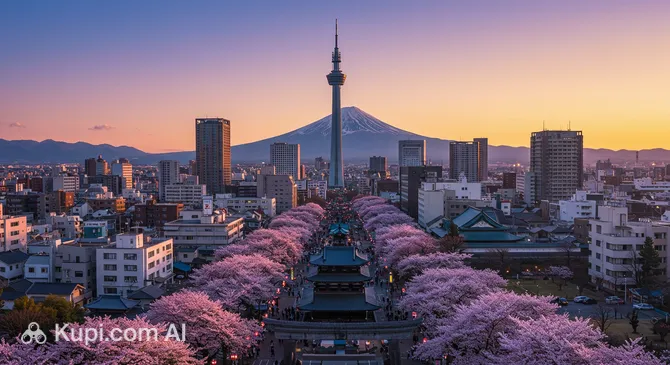
Hamamatsu is a vibrant and multifaceted city located in the western part of Shizuoka Prefecture on the island of Honshu. As one of Japan's major industrial hubs, it harmoniously combines a spirit of technological progress with natural charm. Hamamatsu is often called the "City of Music," as it is the birthplace of global industry giants such as Yamaha and Kawai. With a population of around 790,000, the city is lively yet remains more relaxed and accessible to explore than overcrowded metropolises like Tokyo or Osaka.
Hamamatsu. Illustration.
Source: Kupi.com AI
The city's geographic location is unique, stretching from the picturesque Pacific coast to the forested mountains deep within the island. A key feature of the landscape is Lake Hamana — a popular recreation spot with numerous resorts and hot springs. The city's rich history is inextricably linked with Tokugawa Ieyasu, the founder of the last shogunate, who spent formative years of his life here, consolidating his power and building the famous castle.
Tourists are drawn to Hamamatsu not only for its industrial museums and musical heritage but also for its magnificent parks, where one floral display succeeds another throughout the year. It is a place where you can see the "real," industrious Japan, enjoy the freshest seafood, and feel the pulse of the country's modern industrial heart. Hamamatsu is an ideal choice for those seeking a balance between urban life, culture, and natural tranquility.
Weather Overview
The climate in Hamamatsu is characterized as humid subtropical, with distinct seasonal changes. Winters here are remarkably mild compared to northern regions: average temperatures in January range from +3°C to +10°C, and snow is extremely rare. This time of year often features clear, sunny weather, making walks by Lake Hamana very pleasant.
Summers, conversely, can be quite hot and humid. In July and August, the thermometer often rises above +30°C, and high humidity intensifies the heat. During this period, short but intense rains brought by typhoons are possible. If you are interested in a more detailed look at the weather in Hamamatsu by month, remember that autumn and spring are the most comfortable seasons for tourism.
The spring months (April–May) delight with moderate warmth and the famous cherry blossoms, while autumn (October–November) attracts tourists with the vibrant colors of maple leaves and stable, dry weather. Thanks to the ocean's influence, extreme frosts are very rare here, allowing you to plan a trip to Hamamatsu at almost any time of year.
Average monthly temperature
Average monthly precipitation
Interesting Facts
City of Musical Instruments: Hamamatsu is the home of giants like Yamaha, Kawai, and Roland, earning it the status of the country's primary musical hub.
Cradle of Shoguns: Tokugawa Ieyasu lived in the local castle for over 15 years. Because of this, Hamamatsu Castle is often called the "Castle of Success," as it is believed that staying there promotes career growth.
Record-Breaking Span: Following administrative reforms, Hamamatsu became one of Japan's largest cities by area, encompassing everything from the ocean coast to mountain forests within its borders.
Floral Paradise: Thanks to the mild climate, blooms in the local Flower Park never cease almost year-round, ranging from winter peonies to autumn maples.
Motorcycle Capital: This is where Honda and Suzuki began their journeys, turning the city into one of the world's most important mechanical engineering clusters.
How to Get There
Thanks to its location on the country's main transport artery — the Tokaido line — Hamamatsu boasts excellent accessibility. The city is situated almost exactly halfway between Tokyo and Osaka, making it a convenient stopover while traveling through Japan. If you want to save time, all ways to get to the city include using high-speed trains that arrive exactly on schedule.
The main transport hub is Hamamatsu Station. Hikari Shinkansen bullet trains will whisk you from Tokyo in just 1.5 hours, while the trip from neighboring Nagoya takes no more than 30–40 minutes. For those traveling with a JR Pass, this is the most comfortable and fastest way to get around.
While there is no international airport within the city limits, the nearest major gateways are Chubu Centrair International Airport in Nagoya and the capital's Haneda and Narita airports. From these, Hamamatsu is most conveniently reached by train with one transfer. Comfortable highway buses also run between cities via the Tomei Expressway, offering a more budget-friendly alternative to the railway.
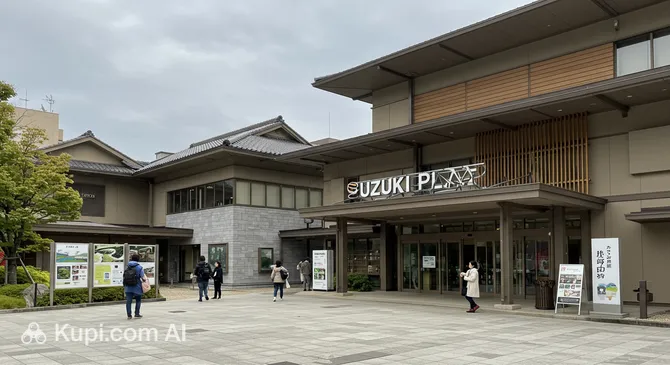
Despite its industrial fame, Hamamatsu offers guests many unique places to visit. A must-see on any itinerary is Suzuki Plaza — an interactive museum by the Suzuki Corporation, where you can trace the company's journey from weaving looms to modern cars and motorcycles. The exhibition vividly demonstrates the region's engineering genius and will be of interest even to those who aren't tech enthusiasts.
Suzuki Plaza. Illustration.
Source: Kupi.com AI
Traveler photos:
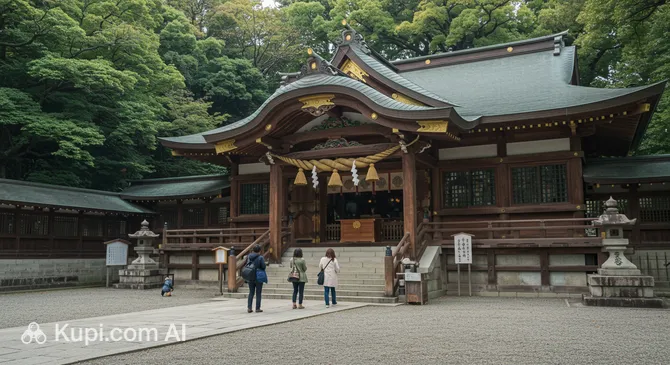
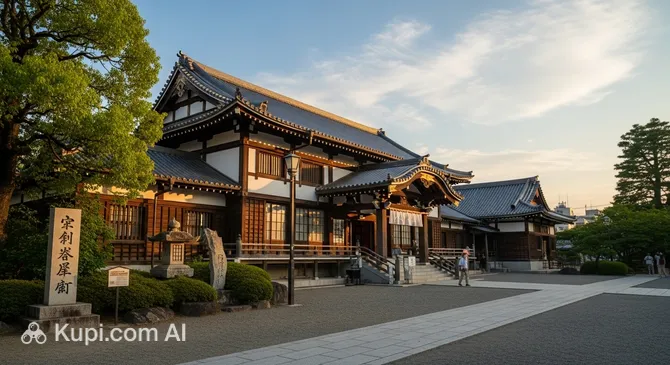
Aviation and history buffs should stop by the Hamamatsu Air Park (JASDF Museum). It features an impressive collection of aircraft, including fighter jets and training models, and visitors can even try their hand at piloting using modern simulators. For those seeking silence and spiritual peace, the Hamamatsu Hachimangu Shrine is open to visitors, famous for its ancient camphor tree that is over a thousand years old.
Hamamatsu Hachimangu Shrine. Illustration.
Source: Kupi.com AI
Traveler photos:
One cannot overlook the symbol of the city — Hamamatsu Castle, a reconstructed fortress where the great Tokugawa Ieyasu once lived. The park surrounding the castle is considered the best spot in the city for cherry blossom viewing in the spring. It is also worth spending time at Lake Hamana, where you can take a ropeway ride or visit theme parks like the Hamamatsu Flower Park, which offers spectacular floral shows in every season.
Local Cuisine
The gastronomic scene in Hamamatsu is a true feast for foodies, with two iconic dishes playing the lead roles. The first is the famous Hamamatsu-style gyoza. These Japanese dumplings are pan-fried in a distinctive circular pattern and are always served with fresh bean sprouts in the center. Locals are so proud of their gyoza that the city constantly competes with Utsunomiya for the title of the dish's culinary capital.
The second delicacy worth traveling for is unagi — river eel. Lake Hamana is famous for its eel fishing, and here it is prepared to the highest standard. Try unajyu — tender fillets grilled in a sweet savory sauce served over a bed of rice. You can sample the local cuisine at popular restaurants such as Sawayaka Hamamatsu Entetsu or Sawayaka Hamamatsu Wago, which are famous for their juicy steaks and welcoming atmosphere.
Sawayaka Hamamatsu Entetsu. Illustration.
Source: Kupi.com AI
Traveler photos:
Don't forget to complement your meal with the famous green tea from Shizuoka Prefecture — it is considered some of the best in the country. The food culture here is very approachable, ranging from bustling station-side eateries to refined restaurants with lake views. Along the coast, you can also find excellent spots for seafood caught in the Pacific Ocean that very morning.
Travel Tips
Preparing for a trip to Hamamatsu will help you fully enjoy this amazing city. Here are some practical tips to make your journey comfortable and pleasant:
Dress for the Season: Summers in the region are hot and humid, so choose light, natural fabrics. Winters are mild but windy, especially near the ocean, so a windbreaker won't hurt. For visiting temples and the castle, prepare comfortable shoes that are easy to slip on and off.
Transport Cards: Be sure to get an IC card (Suica or Pasmo) — it is a universal way to pay for buses and suburban trains throughout Japan.
Cash: Despite being high-tech, small shops and traditional restaurants in Hamamatsu often only accept cash. Always carry a supply of yen with you.
Communication: English is common in hotels and at the station, but in the heart of residential districts, an offline translator and maps on your smartphone will be very helpful. Keep digital copies of your documents.
Etiquette: It is customary to remain quiet on public transport. Loud phone conversations are considered poor manners.
Tipping: Tipping is not practiced in Japan. The best reward for staff is a sincere "arigato" (thank you).
What to Avoid: Do not attempt to enter transport or shops with open food or drinks. Also, try not to litter — trash cans are hard to find in the city, so it is better to carry a small bag for your own trash.
Hamamatsu Specifics: If you plan to try gyoza at popular spots, be prepared for queues — they are part of the local gastronomic culture here.
Hamamatsu is a very welcoming city that reveals a new side to anyone who shows a sincere interest in it. We wish you unforgettable impressions and bright discoveries!
Entertainment & Nightlife
The nightlife in Hamamatsu may not be as dazzling as in the capital, but it possesses its own unique charm, closely tied to the city's musical culture. Most entertainment is concentrated around the central station, where numerous izakayas and jazz bars light up in the evening. A visit to the Act City district is a must — a grand complex with concert halls that regularly hosts world-class performances and jazz festivals.
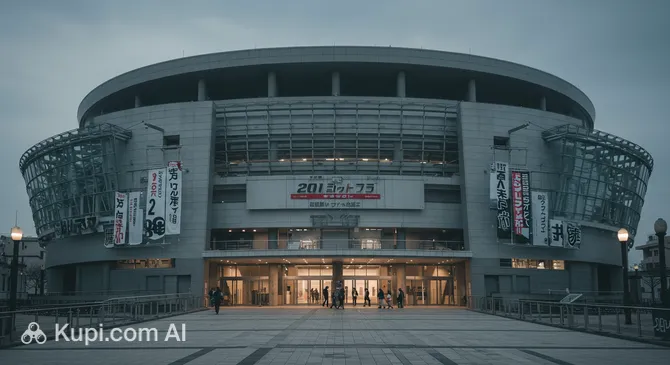
For those who prefer a cozy atmosphere with good drinks, the city offers venues such as Mein Schloss — a brewery restaurant with a European flair, or the authentic bar Horikawa, where you can relax after a busy day. If you are looking for larger events, check the schedule at the Hamamatsu Arena, which hosts major sporting matches and pop concerts.
Hamamatsu Arena. Illustration.
Source: Kupi.com AI
Traveler photos:
Daytime entertainment focuses on family vacations and nature. Walks along the shores of Lake Hamana, visits to local zoos, and participating in vibrant festivals like the Hamamatsu Matsuri with its giant kites make for a fulfilling leisure experience. The city is perfectly safe for evening strolls, and you can always reach your hotel via the taxis stationed at the main exits of the train station and major entertainment centers.
Parks & Museums
Cultural and natural life in Hamamatsu is closely interwoven with its history. The city's main pride is the Museum of Musical Instruments, which houses a unique collection from all corners of the world. Here, you can not only see rare exhibits but also hear how they sound. Equally interesting is the Yamaha corporate museum, Innovation Road, which offers a fascinating journey into the world of sound and technology.
Innovation Road. Illustration.
Source: Kupi.com AI
Traveler photos:
For those interested in the history of the samurai and their legends, the Saigake Museum is worth a visit. It is located on the site of a historic battle and preserves the memory of events from the Sengoku period. The museum's exhibition is supplemented by stories of local traditions and beliefs, helping visitors gain a deeper understanding of the local mindset.
Saigagake Museum. Illustration.
Source: Kupi.com AI
Traveler photos:
The city's green spaces deserve special mention. Hamamatsu Castle Park is the heart of the city, where history comes alive among centuries-old trees. For more extensive walks, the Hamamatsu Flower Park on the shores of Lake Hamana is ideal. This massive botanical garden features seas of tulips, wisterias, or roses depending on the season, turning any stroll into a true aesthetic pleasure.
Getting Around
Public transport in Hamamatsu is efficiently organized, though it has its own characteristics. Since there is no subway system in the city, the main burden falls on the extensive bus network of the Enshu company (known under the Entetsu brand) and the railway lines. The main hub is Hamamatsu Station, where routes connecting the center with coastal and mountain areas intersect.
In addition to the national JR line, the city is served by the private Enshu Railway, which locals affectionately call the "Akaden" (Red Train). It connects the city center with northern residential neighborhoods. To pay for travel, it is most convenient to use unified transport cards (IC cards) such as Suica or Pasmo — they are accepted on almost all buses and trains, eliminating the need to buy individual tickets.
If your goal is to see the sights around Lake Hamana, consider the Kanzanji Ropeway, which offers breathtaking views of the water. In the very center of the city, it is easy to get around on foot or by taxi, while for trips to remote parks and museums, renting a car can be a great alternative, as the roads in the region are spacious and navigation is clear even for foreign drivers.
Accommodation
The choice of accommodation in Hamamatsu can satisfy the needs of any traveler — from business tourists to families seeking a traditional Japanese experience. If your goal is mobility and proximity to transport, it is best to stay near the central station. This area is home to many modern business hotels offering compact but functional rooms at reasonable prices, as well as large hotel complexes within the Act City skyscraper.
For those who want to experience the atmosphere of old Japan, the area around Lake Hamana is an ideal choice. This district features luxury ryokans — traditional inns with tatami mats, exquisite kaiseki dinners, and their own hot springs (onsens). It is a wonderful place to relax with a view of the water and mountains.
When planning your trip, keep in mind that during major festivals (such as in early May) or cherry blossom season, popular hotels fill up quickly, so it is recommended to book your accommodation in advance through international services. The budget segment is well-represented by capsule hotels and hostels, which are popular among young people and solo travelers.
Nearby Cities
Hamamatsu serves as an excellent starting point for exploring central Japan, offering convenient access to interesting neighboring towns. Just a 10-minute train ride away is the city of Iwata, known for its sporting traditions and ancient temples. This peaceful place is perfect for those who want to escape the city bustle and stroll through quiet streets.
If you head west, you will quickly reach the city of Kosai, nestled comfortably on the shores of Lake Hamana. History lovers will find the city of Kakegawa interesting, as it is home to one of the few castles in the country reconstructed using traditional wooden methods rather than concrete. It can be reached by a local Tokaido line train in about 25 minutes.
For longer excursions, Nagoya and Shizuoka are great options, reachable by Shinkansen in just minutes. This variety of destinations allows you to discover new facets of Japanese culture every day while returning to the comfort of Hamamatsu in the evening.
Shopping & Souvenirs
Shopping in Hamamatsu is primarily concentrated around the central station, where modern shopping malls sit alongside traditional covered streets — shotengai. In department stores like May-One and Entetsu, you can find everything from trendy Japanese fashion brands to cutting-edge electronics. This is a convenient spot for those who want to do all their shopping in one area without spending time traveling around.
The city's primary souvenirs are, fittingly, items related to its musical and gastronomic heritage. The station shops offer a huge selection of sweets shaped like musical instruments, as well as the famous "Unagi-pie" — a crispy treat made with eel extract. You should also look for high-quality accessories from local musical brands, which make excellent gifts for music lovers.
For more colorful shopping, head to the markets near Lake Hamana, where fresh Shizuoka tea and seafood are sold. Most large stores operate from 10:00 to 20:00 and accept international credit cards, and many outlets offer Tax Free shopping upon presentation of a foreign passport. Keep in mind that smaller shops and markets still prefer cash yen.