Support

Gamagori

About

Gamagori is a charming resort town nestled on the scenic coast of Mikawa Bay in Aichi Prefecture, in the central part of Japan. It is a place where the sea breeze mingles with the scent of pine trees, and sunsets over the bay create unforgettable vistas. Gamagori is famous for its peaceful atmosphere and is an excellent choice for those looking to experience traditional Japanese culture away from the noise of the big cities.
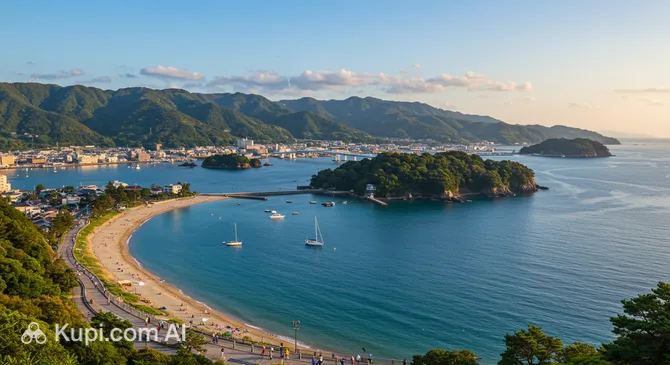
Gamagori. Illustration.
Source: Kupi.com AI

With a population of about 79,000 people, Gamagori maintains the cozy feel of a small coastal town while offering a well-developed tourist infrastructure. Officially founded in 1954, the city has since been attracting travelers with its hospitality and opportunities for a relaxing vacation. Its geographical position makes it both easily accessible and a secluded getaway.

Among Gamagori's main highlights are its famous hot springs (onsens), where you can fully relax and rejuvenate. Nature lovers and those who appreciate beautiful views will enjoy walks along the waterfront with vistas of Mikawa Bay and its picturesque islands. Furthermore, interesting temples and shrines can be found around the city, immersing visitors in the atmosphere of ancient Japan. For example, Takeshima Island, connected to the mainland by a bridge, is a popular walking spot known for its Yaotomi Shrine.

Gamagori is an ideal destination for those seeking a harmony of nature, cultural enrichment, and a peaceful holiday. Visit this welcoming town to enjoy its unique atmosphere, healing springs, and the beauty of the Japanese coast.

You can find more interesting facts on the history of Gamagori page.
Weather Overview

In Gamagori, the climate features warm, humid summers and cool, relatively dry winters. Maximum average temperatures are observed in August (around 28.2°C), while minimums occur in January (around 5.6°C). The highest rainfall usually occurs in the summer months, especially in July (averaging 9 mm and 18 rainy days), while winter, such as December (1 mm of rainfall), is characterized by less precipitation. Overall, expect a warm summer with occasional rain and cool, dry winters. For more detailed information about the weather in different seasons, visit the Gamagori Climate page.

Average monthly temperature

Average monthly precipitation

Interesting Facts

Beyond its picturesque landscapes and hospitality, Gamagori hides several surprising stories and traditions that not everyone knows about. Are you ready to discover this charming city in Japan from an unexpected side?

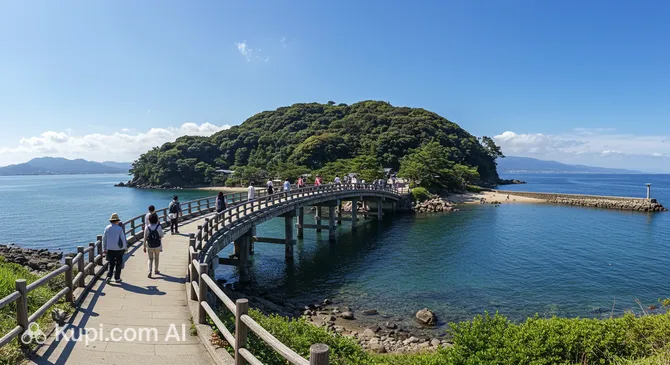
Takeshima Island. Illustration.
Source: Kupi.com AI

Traveler photos:

  • It is believed that visiting Takeshima Island, which is connected to the mainland by an elegant bridge, and praying at the Yaotomi Shrine located there (dedicated to the goddess Benzaiten), brings good luck and helps fulfill cherished wishes.

  • Gamagori is a true paradise for citrus lovers! The city is famous for growing a special variety of mandarins called "mikan," and colorful harvest festivals are held here annually. During these festivals, you can not only taste the juicy fruit straight from the branch but also participate in the harvest if you wish.

  • Gamagori is home to a unique place — Katahara Onsen - Hydrangea Village. Here you can not only enjoy healing hot springs but also admire the blooming of more than 50,000 hydrangea bushes during the season, creating a truly magical atmosphere.

  • The popular Takeshima Aquarium, named after the nearby island, attracts visitors not only with the chance to see rare marine life but also with colorful dolphin shows, making it a favorite spot for family leisure in the region.

How to Get There

When planning a trip to this picturesque corner of Aichi Prefecture, it is worth considering your route in advance. Gamagori has convenient transport links with major metropolises, making the journey comfortable. You can find out all the ways to get to the city to choose the best option for your budget and schedule.

Gamagori does not have its own airport, so most tourists arrive via the air gateways of neighboring major cities. The most convenient and closest option is Chubu Centrair International Airport (IATA: NGO), located in Nagoya. It is only 38 km from Gamagori. This is a major transport hub that receives many international and domestic flights. A taxi or bus ride from here will take approximately 1 hour 20 minutes.

Another possible option is Shizuoka Airport (IATA: FSZ), located in Shizuoka city, about 88 km from Gamagori. This is a regional airport with lower passenger traffic, which may mean a less busy atmosphere upon arrival. A car journey from this airport to the center of Gamagori will take about 2 hours 30 minutes.

For convenience, here is summary information on the main airports used to reach the region:

AirportPassenger trafficDistance
Chubu Centrair International Airport12.3 mln38 km
Nagoya Airport735 00055 km
Shizuoka Airport691 27488 km
Matsumoto Airport112 618162 km
Itami Airport14.8 mln163 km

Rail transport is one of the most popular and efficient ways to reach Gamagori. The main transport artery is Gamagori Station, served by the JR Tokaido Main Line. If you are taking the Shinkansen bullet train from Tokyo or Osaka, you will generally need to transfer at Toyohashi Station or in Nagoya, from where you can quickly reach Gamagori by a regular or express train. The station is located right in the city center, providing easy access to hotels and attractions.

Main Attractions

Gamagori, a picturesque city on the coast of Aichi Prefecture in Japan, offers tourists many interesting places to visit. From natural beauty to exciting entertainment complexes, everyone will find something here to make their trip unforgettable.

One of the city's main gems is Takeshima Island. This small but incredibly beautiful island, connected to the mainland by a long pedestrian bridge, is considered a symbol of Gamagori. It is perfect for leisurely strolls and enjoying the coastal scenery. The island also houses the ancient Yaotomi Shrine, one of Japan's seven Benten shrines dedicated to the goddess of luck, particularly in matters of marriage and safe childbirth. This attracts many visitors seeking peace and blessings.

Takeshima Island. Illustration.
Source: Kupi.com AI

Traveler photos:

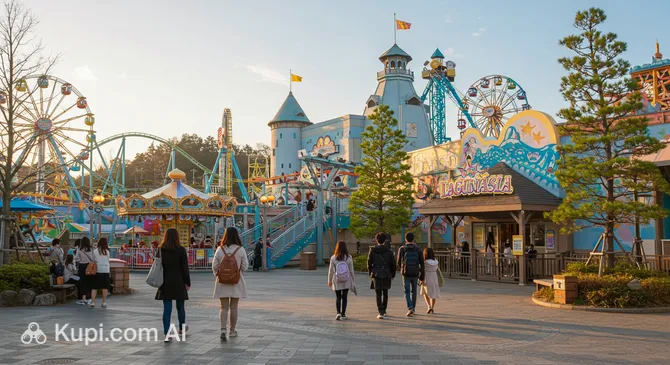
For those looking for active entertainment and family fun, Lagunasia is an excellent choice. This popular marine-themed park is part of the Laguna Ten Bosch resort complex. Here, visitors can find exciting rides, various pools (including a wave pool), colorful shows and performances, as well as many restaurants and shops. The park is especially popular in summer for its water attractions and draws crowds in winter for its magnificent illumination.

Lagunasia. Illustration.
Source: Kupi.com AI

Traveler photos:

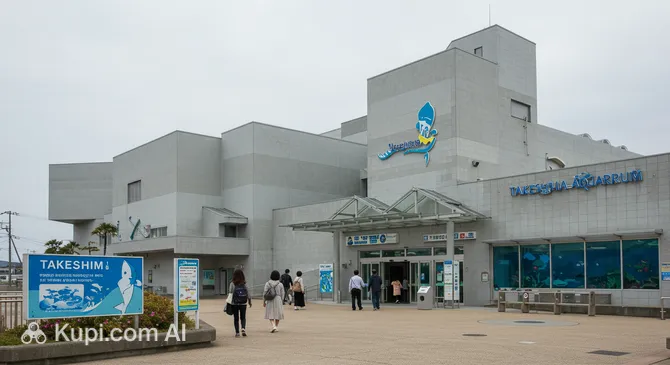
Located near Takeshima Island is the Takeshima Aquarium. Despite its modest size, this aquarium boasts a unique collection of marine life, including rare deep-sea creatures caught in Mikawa Bay and adjacent waters. Interactive exhibits and the opportunity to get a close look at amazing marine beings make it an interesting place for both children and adults to visit.

Takeshima Aquarium. Illustration.
Source: Kupi.com AI

Traveler photos:

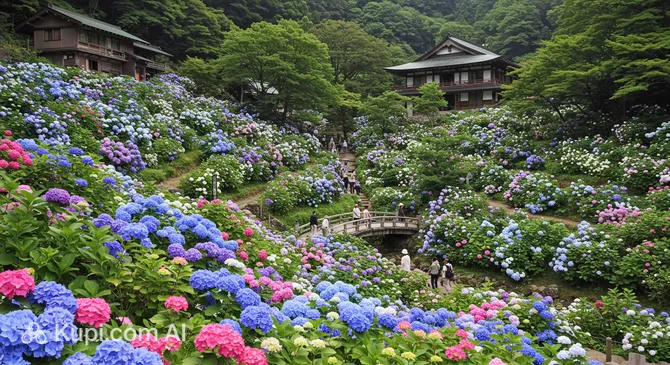
If your trip coincides with the beginning of summer, or if you simply appreciate natural beauty and tranquility, be sure to visit Katahara Onsen - Hydrangea Village. This place is famous for its hot springs (onsens) and, most notably, its stunning hydrangea garden. In June, about 50,000 hydrangea bushes of various types and shades bloom here, creating a truly magical sight. The Hydrangea Festival held during this time attracts many tourists.

Katahara Onsen Hydrangea Village. Illustration.
Source: Kupi.com AI

Traveler photos:

Local Cuisine

Gamagori is a true paradise for connoisseurs of Japanese cuisine, especially those with a passion for fresh seafood. The city's gastronomic scene will delight you with a variety of flavors and traditional recipes passed down through generations. Get ready for an unforgettable culinary journey!

The hallmark of Gamagori is rightfully considered unagi — freshwater eel prepared according to a special recipe. Tender fillets, grilled over charcoal to a golden crust and drizzled with a fragrant sauce, simply melt in your mouth. Thanks to the pure water and traditional farming methods, Gamagori eel is famous for its exceptional quality. Also, be sure to try sashimi made from freshly caught fish and scallops — a true delight for gourmets. Don't overlook the rich miso soup with seafood and seasonal vegetables, which will warm you up and provide a boost of energy.

To dive deeper into the local food culture, visit the city's markets. Amazing delicacies await you here: from dried octopus and marinated seaweed to unusual snacks made from mussels. Street vendors will offer you fragrant grilled squid on skewers or traditional Japanese sweets filled with sweet bean paste — perfect for a quick and tasty snack.

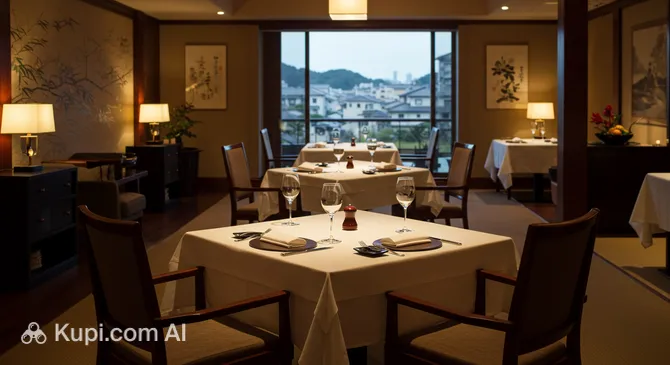
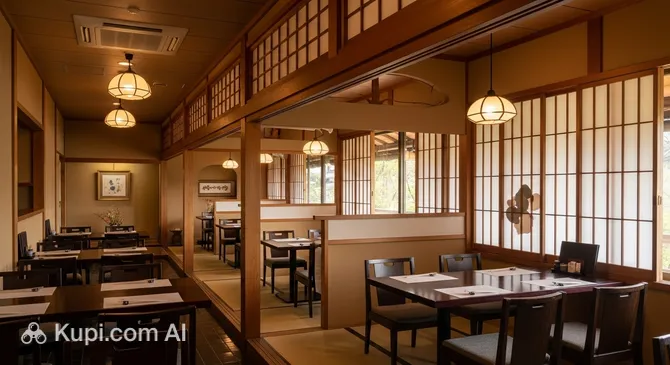
Local residents and tourists in Gamagori prefer to dine in both cozy traditional restaurants and more modern establishments. One notable place where you can enjoy exquisite cuisine is the Gamagori Classic Hotel. As for drinks, the meal is perfectly complemented by traditional Japanese sake or fragrant green tea. For those who prefer non-alcoholic options, there is always a choice of refreshing drinks based on local fruits.

Gamagori Classic Hotel. Illustration.
Source: Kupi.com AI

Traveler photos:

If your trip coincides with one of the gastronomic festivals dedicated to seafood or citrus fruits, consider yourself very lucky! On such days, Gamagori is filled with the incredible aromas of freshly prepared dishes, and the squares host tastings, culinary workshops, and bright processions. This is a magnificent opportunity to try all the best that the local cuisine has to offer and experience the atmosphere of a real holiday.

Travel Tips

Planning a trip to Gamagori? Great! To ensure your journey through this charming city in Aichi Prefecture goes as smoothly and pleasantly as possible, we have prepared some practical tips.

  1. Clothing and Essentials: The climate in Gamagori is characterized by distinct seasons.
    • In summer (June-August), it is quite hot and humid, so choose light, breathable clothing made of natural fabrics.
    • In winter (December-February), it can be chilly, but severe frosts are rare — layered clothing, a warm jacket, a hat, and gloves will come in handy.
    • Spring (March-May) and autumn (September-November) are the most comfortable times with pleasant temperatures, but don't forget a light jacket or sweater for evening coolness and possible rain.
    • Be sure to bring comfortable, broken-in shoes, as you will be doing a lot of walking.
    • Don't forget an adapter for electrical appliances: Japan uses Type A and B sockets, and the voltage is 100V.
    • When visiting temples and shrines, show respect by choosing more modest clothing that covers your shoulders and knees.
  2. Getting Around the City: There are several ways to move around Gamagori and its surroundings.
    • The city is served by the JR Tokaido railway line, with the main station being JR Gamagori. From here, it's easy to reach other cities. Local buses run within Gamagori itself.
    • Taxis are available, especially near the station, but they are a rather expensive mode of transport. Taxi apps like JapanTaxi or DiDi can be useful, but their availability is best checked upon arrival.
    • Car rental is possible (an international driving permit is required), especially if you plan to explore Aichi Prefecture. However, there may be parking difficulties in the city center.
    • Many interesting places in the center of Gamagori, including the waterfront and Takeshima Island, are pleasant to explore on foot or by bicycle.
  3. Finance: The official currency of Japan is the Japanese Yen (JPY, ¥).
    • It is recommended to exchange some money into yen before your trip or upon arrival at the airport. Currency exchange is also possible at banks and some hotels, but the rate may be less favorable.
    • Credit and debit cards (Visa, Mastercard) are increasingly accepted in hotels, large stores, and tourist restaurants. However, always carry cash for payments in small establishments, markets, and for transport.
    • ATMs that work with international cards can be found at post offices (Japan Post Bank) and 7-Eleven stores (Seven Bank ATMs).
    • The approximate daily budget per person (excluding accommodation and major purchases) can vary from 7,000 to 15,000 yen.
    • Tipping is not practiced in Japan and can even cause confusion. Good service is already included in the bill.
  4. Health and Safety: Gamagori, like Japan in general, is a very safe place for tourists.
    • Pharmacies ("kusuriya" or ドラッグストア – "drugstore") are easy to find and offer a wide range of over-the-counter medicines. However, staff do not always speak English, so it is useful to have the names of the necessary drugs or their active ingredients with you.
    • In case of medical need, contact your hotel reception or a tourist information center. It is highly recommended to take out comprehensive travel insurance before your trip.
    • Crime rates are low, but standard precautions (keeping an eye on your belongings in crowded places) are never redundant.
  5. Communication: The official language is Japanese.
    • English proficiency among the local population is generally not high, but you will likely find English-speaking staff at tourist sites, hotels, and major train stations.
    • Learn a few basic Japanese phrases: "Konnichiwa" (Hello/Good day), "Arigato gozaimasu" (Thank you very much), "Sumimasen" (Excuse me/Sorry), "Wakarimasen" (I don't understand). This will be appreciated by the locals.
    • For convenient communication, consider renting a pocket Wi-Fi router (very popular and convenient) or buying a local SIM card. Free Wi-Fi is available in some public places and hotels.
    • Useful apps: Google Maps for navigation, HyperDia or Jorudan for planning train routes, Gurunavi or Tabelog for finding restaurants.
  6. Local Etiquette: Observing local behavioral norms will help you feel more confident and show respect for the culture.
    • Greetings are often accompanied by bows. A slight nod of the head is appropriate in most situations.
    • Avoid loud talking and phone calls on public transport.
    • It is customary to remove outdoor shoes before entering homes, traditional inns (ryokans), temples, and some restaurants with tatami mats.
    • When using chopsticks (o-hashi), do not stick them vertically into a bowl of rice and do not pass food from chopsticks to another person's chopsticks.
  7. What to Avoid:
    • Do not litter in the streets. Japan takes cleanliness and waste sorting very seriously. Use trash cans, which are often separated by waste type.
    • Do not eat or drink on the go in public places unless it is a designated area (e.g., at food festivals). It is considered more polite to stop and have your snack.
  8. Special Tip for Gamagori:
    • Be sure to set aside time to visit Takeshima Island, connected to the mainland by a long bridge. The island features the beautiful Yaotomi Shrine, and this place is considered one of the symbols of the city. Also, Gamagori is known for its onsens (hot springs) — a wonderful opportunity to relax after a busy day.

We hope these tips help you better prepare for your trip and get the most enjoyment out of your stay in Gamagori. We wish you an unforgettable experience in this picturesque corner of Japan!

Entertainment & Nightlife

Gamagori, known for its onsens and picturesque coastal landscapes, offers its guests a predominantly calm and relaxing atmosphere for evening leisure. The city is not famous for noisy nightclubs or bars that stay open until dawn; however, there are many ways to enjoy an evening while savoring delicious food and local hospitality.

Evening life in Gamagori is mainly centered around restaurants and traditional Japanese eateries (izakayas), where you can taste local cuisine and fresh seafood in a cozy setting. Among the places to enjoy dinner, the restaurant at the Gamagori Classic Hotel stands out, offering exquisite dishes in the elegant atmosphere of a historical building. Another excellent choice for dinner is the Shogetsu restaurant, known for its authentic Japanese cuisine and traditional hospitality. These spots are perfect for a quiet evening and getting to know the region's gastronomic traditions.

Gamagori Classic Hotel. Illustration.
Source: Kupi.com AI

Traveler photos:

The atmosphere in evening Gamagori is perfect for leisurely walks, especially along the waterfront if the weather permits. Most restaurants and cafes are open until late evening, usually until 9:00 PM or 10:00 PM. Active nightlife in the sense of large metropolises is virtually non-existent here. The dress code in establishments is generally smart casual, except perhaps for high-end restaurants in hotels. Dinner prices can vary but generally correspond to the average level for tourist cities in Japan.

Shogetsu. Illustration.
Source: Kupi.com AI

Traveler photos:

For getting around the city in the evening, taking a taxi is most convenient, as public transport schedules may be limited during late hours. Gamagori, like most Japanese cities, is a very safe place. Walking through lit streets in the evening is usually comfortable and safe. However, it is always wise to follow standard precautions.

During the day, Gamagori offers guests many interesting activities and attractions. Families with children can have fun at the Lagunasia amusement park. Marine nature lovers should visit the Takeshima Aquarium, which features a rich collection of underwater world inhabitants. Be sure to take a walk to the picturesque Takeshima Island, connected to the mainland by a pedestrian bridge, or visit Katahara Onsen - Hydrangea Village, which is especially beautiful during the blooming season. To learn about the region's cultural heritage, you can stop by the Yaotomi Shrine.

Parks & Museums

Gamagori is a city where natural beauty and a rich cultural heritage harmoniously complement each other. Travelers will find tranquil green spots for relaxation and interesting sites that tell the stories of the region's history and traditions.

Among the city's natural gems, Takeshima Island stands out, connected to the mainland by a picturesque bridge. This small island, covered in thick vegetation, is a symbol of Gamagori and a sacred place housing an ancient shrine. A walk around the island offers a sense of peace and connection with nature, while the bridge provides beautiful views of Mikawa Bay.

Another place that attracts nature lovers is Katahara Onsen - Hydrangea Village. It is especially beautiful during the blooming season, when about 50,000 bushes of these magnificent flowers paint the hillsides in vibrant colors. Besides admiring the flowers, you can relax here in the onsen hot springs.

To get to know the underwater world, visit the Takeshima Aquarium. This is one of the oldest aquariums in Japan, featuring a diverse collection of marine life, including rare deep-sea species. The aquarium will be interesting for both adults and children, offering educational exhibits.

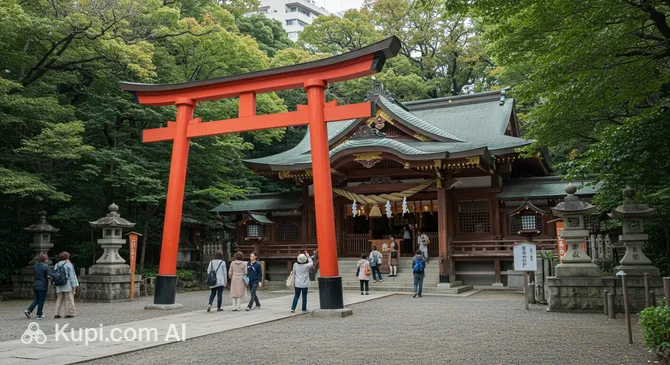
The city is also rich in historical and spiritual sites. Yaotomi Shrine, located on Takeshima Island, is one of the city's primary Shinto shrines and is dedicated to the goddess of luck, Benzaiten. This site attracts pilgrims and tourists with its ancient history and peaceful atmosphere.

Yaotomi Shrine. Illustration.
Source: Kupi.com AI

Traveler photos:

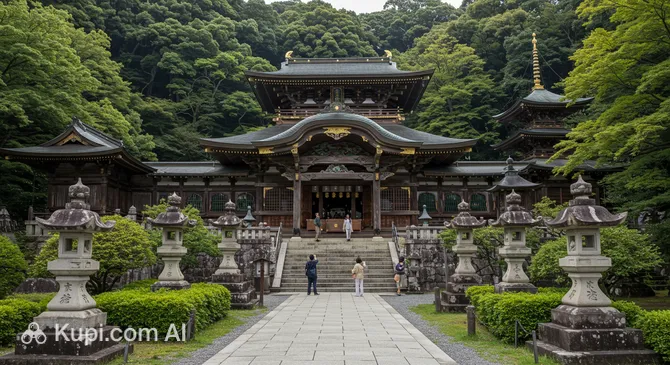
Among the Buddhist temples, Muryoji Temple is noteworthy, known for its beautiful gardens and architecture. This temple offers visitors a chance to touch Japan's spiritual traditions and enjoy the silence and tranquility of its grounds.

Muryoji Temple. Illustration.
Source: Kupi.com AI

Traveler photos:

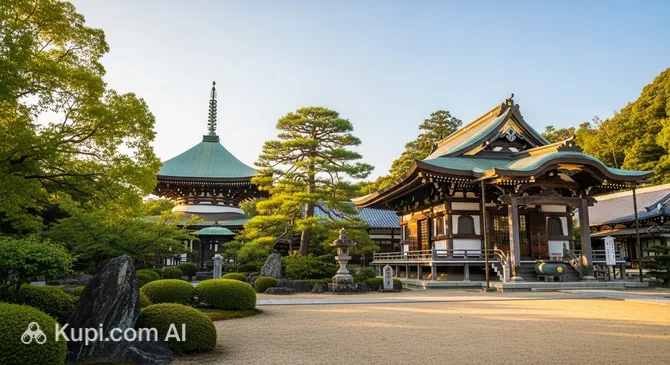
No less remarkable is Honko-ji Temple, another important Buddhist center in Gamagori. It attracts visitors with its traditional architecture and a calm atmosphere conducive to reflection and learning about local culture.

Honko-ji Temple. Illustration.
Source: Kupi.com AI

Traveler photos:

If you are looking for family entertainment, the Lagunasia theme park offers rides, pools, and various shows. It is a great place for active recreation and having a fun time.

For a more authentic experience, take a stroll through the lesser-known streets of the city, away from the main tourist routes. Here you can discover small local restaurants and souvenir shops. Also, don't miss the chance to enjoy the freshest seafood that Gamagori is famous for at one of the seaside cafes.

Getting Around

The main types of public transport in Gamagori are trains and buses. The rail service, mainly operated by JR (Japan Railways) and other local lines, connects the city with other locations in the region. The bus network complements the trains, providing access to various districts of Gamagori and some tourist sites that railway lines do not reach.

For fare payment, IC transport cards such as TOICA (a regional card), Suica, or Pasmo are most convenient, as they are valid on many lines. These can be purchased and topped up at railway stations. These cards allow you to easily pay for trips on both trains and buses, eliminating the need to buy a ticket every time. Cash payment is also possible: train tickets are bought at station vending machines, and on buses, payment is usually made upon boarding (it is advisable to have the exact amount as the driver may not have change). Fares depend on the distance. Sometimes day passes for specific zones or routes may be available, which can be beneficial when planning many trips.

Train tickets are purchased at ticket machines or counters at railway stations. IC cards can also be bought and topped up there. When using an IC card, don't forget to tap it against the reader at the turnstiles when entering and exiting stations (for trains), and when entering and, in some cases, exiting the bus (follow the instructions inside). Public transport in Gamagori usually runs from early morning until late evening; however, it is recommended to check the exact schedule, especially for the last trips, in advance at stations or on official transport company websites.

If public transport doesn't suit you, you can always use taxi services in Gamagori. Taxi stands are usually located near railway stations, or a car can be called by phone (you may need help from hotel staff if you don't speak Japanese). Keep in mind that this is a more expensive way to get around compared to public transport. For leisurely strolls and sightseeing, especially in coastal or park areas, bicycle rental can be a good alternative if available in the city.

While Gamagori doesn't have unique transport types like a historical subway or an extensive tram network, the train journey itself can be pleasant. Some rail routes around the city pass through scenic areas, such as along the coast of Mikawa Bay, offering beautiful views from the window. Look out for local tourist buses that may run special routes to the main attractions.

Accommodation

When planning a trip to Gamagori, you will find a variety of accommodation options to suit different preferences and budgets. The city offers a choice ranging from cozy guesthouses and traditional Japanese inns (ryokans) to modern mid-range hotels and more luxurious options. Short-term rental apartments are also available, which can be convenient for families or long stays.

When choosing where to stay in Gamagori, consider areas located near major attractions or transport hubs. For example, accommodation near popular spots like Takeshima Island or the Lagunasia amusement park can be particularly convenient for tourists. Some hotels may offer beautiful views of Mikawa Bay.

While there are no specific hotels in the provided list of attractions, in Gamagori you can find both large hotel chains and small family-run inns. The choice depends on your preferences: whether you are looking for total immersion in Japanese culture at a ryokan with an onsen (hot spring) or prefer the familiar comfort of a modern hotel.

It is recommended to book accommodation in Gamagori in advance, especially if your trip falls during the peak tourist season (such as the spring cherry blossom season or autumn festivals). The main booking methods are popular online platforms that offer a wide choice and price comparison, as well as direct booking through hotel websites. The price range varies from budget options to luxury suites, allowing you to find the best fit for your journey.

Nearby Cities

For those looking to explore the surrounding area, Gamagori serves as an excellent starting point for day trips to several interesting nearby locations:

CityPopulationDistance
Kota42 5237 km
Toyokawa183 96514 km
Nishio168 99215 km
Okazaki385 37615 km
Toyohashi371 50717 km

These nearby destinations provide a glimpse into the diverse culture and landscapes of the region.

Shopping & Souvenirs

Gamagori, a charming coastal town in Aichi Prefecture, offers its guests pleasant shopping opportunities, primarily focused on local products, souvenirs, and everyday goods. While it is not a major metropolis with huge shopping districts, you can find unique items here to remember your trip to Japan.

The main shopping spots in Gamagori are generally concentrated around the Gamagori railway station and near popular tourist sites. Here you will find small shops offering local delicacies, handicrafts, and souvenirs. It is also worth checking out the shops in hotels and ryokans, where you can sometimes find interesting items.

There may be few large shopping centers in Gamagori itself. For larger-scale shopping with a wide selection of international brands and department stores, a trip to larger cities in Aichi Prefecture, such as Nagoya, might be necessary. However, in the area of the Lagunasia theme park, there may be shops with souvenir products and items related to the park's themes.

Lagunasia. Illustration.
Source: Kupi.com AI

Traveler photos:

There may not be specialized large markets like food or flea markets in Gamagori in the traditional sense. However, small stalls selling fresh seafood (given the town's coastal location) or local farm products can be found, especially in areas adjacent to the port or as part of local festivals.

For souvenirs from Gamagori, look for sea-related items: shell crafts, dried seafood, and local salt. Traditional Japanese souvenirs such as ceramics, textiles, and sweets (like mochi or senbei with local flavors) are also popular. In souvenir shops at attractions like the Takeshima Aquarium or Takeshima Island, you can find themed gifts. Shrines, such as Yaotomi Shrine, offer traditional omamori amulets.

Takeshima Aquarium. Illustration.
Source: Kupi.com AI

Traveler photos:

Shops in Gamagori usually operate from 10:00 or 11:00 AM until 7:00 or 8:00 PM. Small family-run shops may have their own, more flexible schedules. Both cash (Japanese yen) and credit cards are accepted, especially in larger stores and tourist areas. However, it is always useful to have some cash on hand for small purchases.

For foreign tourists in Japan, a Tax-Free system is available. In shops participating in this program (they usually have a "Tax-Free Shop" sign), you can arrange for a consumption tax refund when purchasing goods over a certain amount. You will need your passport for this. Check the specific conditions directly in the shops.

Reached the end of the page?

That means the route is fully explored