Support

Seto

About

Seto is a charming city in Japan, where art and nature intertwine harmoniously to create a unique atmosphere. Located in the central part of Honshu Island, on the border of the Seto Inland Sea (Seto Naikai), the city is famous for its mild climate and picturesque seascapes. Seto is part of Aichi Prefecture and is rightfully considered one of the main centers of traditional Japanese pottery, known as "seto-yaki."
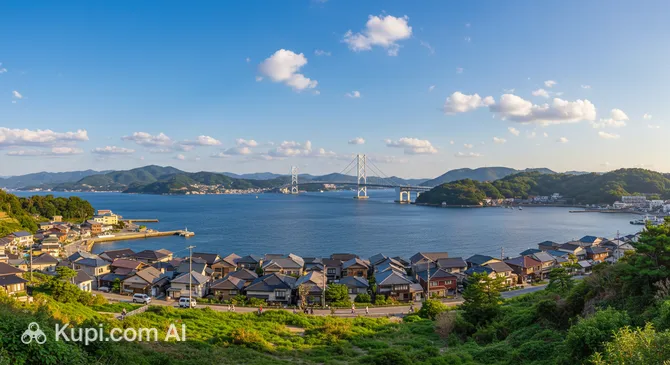
Seto. Illustration.
Source: Kupi.com AI

With a population of approximately 127,000 people, Seto maintains the cozy feel of a small town where it is easy to immerse yourself in local life. It is surrounded by green hills, dense forests, and picturesque valleys, and its streets are imbued with tranquility and a traditional way of life. Despite its size, Seto plays an important role in the cultural life of the region as a recognized administrative and craft center.

The main pride and attraction of Seto is its thousand-year history of ceramics. The city literally breathes pottery: here you can visit numerous workshops where hereditary masters create unique pieces, look into the Aichi Prefectural Ceramic Museum, or take a stroll through Kamagama no Mori Park, where ancient kilns have been preserved. Every year, Seto hosts the famous Setomono Matsuri ceramics festival, attracting connoisseurs from all over the world.

Seto is the perfect destination for those seeking inspiration, who appreciate authentic art and want to experience the real, non-touristy Japan. The city welcomes travelers year-round, offering an immersion into a world of tradition, craftsmanship, and peaceful beauty.

You can find more interesting facts on the history of the city of Seto page.

Weather Overview

The weather in Seto is characterized by noticeable seasonal changes. Summer, especially in July and August, is warm here, with average temperatures reaching 26-28°C and maximum values above 30°C. This period also sees the highest rainfall, with July being the wettest month with about 20 rainy days. Winters, from December to February, are cool, with average temperatures around 4-6°C and minimums dropping close to zero. Winter months are usually drier with less precipitation. Spring and autumn offer pleasant transitional temperatures. Expect a warm and humid summer with occasional rain and cool, relatively dry winters. For more detailed information, you can explore the climate of Seto.

Average monthly temperature

Average monthly precipitation

Interesting Facts

The city of Seto, known far beyond Japan as one of the oldest centers of pottery, hides many amazing details and traditions. Here are just a few of them:

  • Seto is rightfully considered one of the six ancient ceramic centers of Japan. The skill of local potters was recognized and became famous as early as the 13th century, laying the foundation for centuries of tradition.

  • Seto's significance for Japanese pottery is so great that the term "setoyaki" (literally "Seto ware") has become a generic term in Japan. This word is often used to refer to ceramics in general, even if they were produced in a completely different region of the country.

  • Strolling through Seto today, you can still find historic "kama"—traditional ceramic kilns carefully preserved through the centuries. In addition, the city abounds with unique museums whose exhibitions are entirely dedicated to the art of ceramics and its history.

  • Seto is not just about history, but also a living modern tradition. The city regularly hosts colorful art festivals, the most prominent of which is undoubtedly the ceramics festival. It attracts masters and connoisseurs from all over Japan, and guests are given the unique opportunity not only to admire masterpieces but also to try their hand at pottery.

How to Get There

When planning a trip to this colorful city of ceramics, it is important to think through your route in advance. You can find more about how to get to Seto by exploring all available options, but the main method of arrival for international tourists remains a flight followed by a transfer to ground transportation.

There is no airport in Seto itself, but you can fly into Chubu Centrair International Airport (IATA: NGO) in Nagoya, which is about 48 km from Seto. This is the region's main air gateway, handling many international and domestic flights. A trip from here by taxi or car will take approximately 1 hour 30 minutes. This is a large and modern transport hub offering excellent service and convenient connections to cities in Aichi Prefecture.

Another option is Itami Airport (IATA: ITM), located in Osaka. It is significantly further away, about 158 km from Seto. The journey by car from this airport will take about 4 hours 20 minutes. Itami is a major hub for domestic flights, so it may be convenient if you are flying to Seto from other regions of Japan.

You might also consider Mt. Fuji Shizuoka Airport (IATA: FSZ) in Shizuoka, located 111 km from Seto (about 3 hours by car). This is a less busy airport that may suit certain itineraries.

For clarity, here is a summary of the main airports:

AirportPassenger trafficDistance
Nagoya Airport735 00015 km
Chubu Centrair International Airport12.3 mln48 km
Shizuoka Airport691 274111 km
Matsumoto Airport112 618129 km
Komatsu Airport1.8 mln144 km

Railway connection is one of the most popular ways to get to Seto, especially if you are already in Japan. There is no Shinkansen high-speed train station in Seto itself, so the main transfer point is Nagoya Station in the neighboring major city. From Nagoya, Seto is easily reached via the Meitetsu Seto Line. The terminus of this line, Owari-Seto, is located directly in the city center, near the main attractions and pottery workshops. The journey from Nagoya takes less than an hour, making the trip fast and comfortable.

Main Attractions

The city of Seto, known as one of Japan's oldest centers of ceramic art, offers tourists a unique opportunity to immerse themselves in the world of pottery and traditional culture. Here, every street breathes history, and numerous workshops and museums are ready to share their treasures.

One of the city's main gems is the Setogura Museum. This is not just a museum, but an entire complex dedicated to the history and development of the famous "seto-mono" ceramics. Visitors can see reconstructed ancient kilns, learn about production techniques, admire a rich collection of ceramic products from different eras, and even purchase unique souvenirs. The museum is fascinating because it clearly demonstrates the evolution of the pottery craft that made Seto famous throughout Japan.

For an unforgettable walk, head to the Kamagaki-no-Komichi Path. This picturesque narrow lane, stretching for about 400 meters, is unique for its walls lined with old kiln tools (known as "kamagaki") and ceramic shards. A walk along this trail is a chance to touch history and feel the authentic atmosphere of the old pottery quarter. It is especially beautiful here in autumn when the maples turn vibrant colors.

Fans of Japanese culture and charming souvenirs should definitely visit the Maneki-neko Museum. This is Japan's largest museum dedicated to the famous beckoning cat figurines that invite good luck. The collection includes thousands of diverse maneki-neko from all over the country—from antique to modern, made of various materials, but primarily ceramics. This bright and positive place will bring plenty of smiles and allow you to learn more about this popular Japanese talisman.

Another iconic site is the Seto City Art Museum. It features not only the ceramic art for which the city is so famous but also other forms of fine art by local and international artists. The museum regularly hosts themed exhibitions, introducing visitors to various aspects of Japanese and world culture, making it interesting for a wide range of art lovers.

Local Cuisine

The cuisine of Seto is a true feast for gourmets, closely linked to the gifts of the Seto Inland Sea and the fertile lands of the region. Freshness of ingredients and the natural taste of products are valued here, which is reflected in every dish. The city's gastronomic scene offers a variety of experiences, from traditional recipes to modern culinary interpretations.

Be sure to try the local seafood delicacies. Dishes prepared on the grill from freshly caught fish and shellfish are particularly popular. A signature dish of Seto is "Setoyaki-don"—an appetizing bowl of rice topped with a variety of seafood. No less famous is the local udon noodles, served in various variations. A unique flavor accent of the region is olives from Shodoshima Island, which are skillfully added to salads, pasta, and even desserts like ice cream.

Among the drinks accompanying a meal, look for products from local winemakers, which can be tasted at food festivals, for example. Traditionally, various types of sake and shochu are popular in Japan. Fragrant green tea is always available as a non-alcoholic option. For dessert, don't miss the chance to try traditional Japanese sweets, often made from rice flour.

The food culture in Seto is diverse. Locals and tourists can enjoy exquisite meals in restaurants, try authentic food in small cozy eateries, or sample street food. Farmer's markets abound with fresh seasonal products, allowing you to experience the local flavor. Culinary festivals hold a special place in the gastronomic life of the city. These are excellent opportunities to taste seasonal delicacies, participate in workshops—such as sushi making—and get a deeper look into Seto's culinary traditions.

Travel Tips

Planning a trip to Seto, a charming city with a rich ceramic heritage in Japan? To make your trip as comfortable as possible and leave you with only the warmest memories, we have prepared a few useful tips.

  1. Clothing and Essentials:

    The climate in Seto is temperate: summers are hot and humid, and winters are mild but cool. In summer, light, breathable clothing is preferred. In winter, layering and a warm jacket are useful. In spring and autumn, a light jacket or sweater will be comfortable. The key point is comfortable shoes, as exploring the city on foot is a pleasure. Don't forget a universal adapter (type A and B sockets are used in Japan, with 100V voltage). When visiting temples and some traditional establishments, it is customary to remove your shoes, so clean socks will come in handy. There is usually no strict dress code, but modest clothing is always appropriate.

  2. Getting Around Town:

    It is most convenient to move around Seto and its surroundings using public transport. The main transport artery is the Meitetsu Seto railway line, connecting the city to Nagoya. Local buses are also available. The Japanese transport system is famous for its efficiency and punctuality. Taxis are available, but they are a rather expensive way to travel. Renting a car to travel around the city itself is usually impractical due to narrow streets, limited parking, and excellent public transport; if you do decide to rent, an international driving permit will be required.

  3. Finances:

    The local currency is the Japanese Yen (JPY, ¥). Credit and debit cards are accepted in many hotels, large shops, and restaurants, especially in tourist areas. However, cash still plays an important role, especially in smaller establishments, markets, temples, and for paying some taxis. It is recommended to always have a certain amount of cash with you. ATMs that accept international cards can be found in 7-Eleven stores (Seven Bank) and at post offices (Japan Post Bank). Tipping in Japan is not expected and can even cause confusion; quality service is already included in the bill.

  4. Health and Safety:

    Japan is one of the safest countries in the world, and Seto is no exception. Pharmacies (look for the "薬" - kusuri sign) are easy to find, but staff may not always speak English. Bring a basic set of necessary medications with you. It is highly recommended to take out travel medical insurance before your trip. In emergencies, dial 119 (ambulance and fire service). Standard precautions, such as watching your personal belongings, are relevant as in any other trip.

  5. Communication:

    The official language is Japanese. The level of English proficiency among the local population may not be high, especially outside of major tourist routes. Learn a few basic phrases in Japanese, such as "Konnichiwa" (Hello), "Arigato" (Thank you), "Sumimasen" (Excuse me/Sorry)—this is greatly appreciated by locals. For internet access, consider buying a local SIM card (sold at airports and major electronics stores) or renting a portable Wi-Fi router. Free Wi-Fi is often available in hotels, some cafes, and at railway stations.

  6. Local Etiquette:

    Japanese people are very polite and value respectful behavior. Greetings are usually accompanied by a slight bow. In public places, especially on transport, try to speak quietly and not disturb others. Remove your shoes before entering Japanese homes, some temples, and traditional restaurants (there is usually a special area at the entrance—genkan—for this). When using chopsticks, do not stick them vertically into rice and do not pass food from chopsticks to someone else's chopsticks.

  7. What to Avoid:

    Try not to talk loudly on the phone in public transport or other quiet public places—this is considered impolite. As mentioned, avoid attempting to leave tips, as this does not align with Japanese cultural norms. It is also not customary to eat or drink while walking on the street; it is better to stop and have a snack in a designated area or near a drink vending machine.

  8. Seto's Special Feature — City of Ceramics:

    Seto is so famous for its pottery that the general name for Japanese ceramic goods is "setomono." Be sure to dedicate time to exploring this unique aspect of the city. Visit the Setogura Museum and look into the numerous pottery workshops and shops. You might even be lucky enough to participate in a pottery workshop or attend one of the local festivals dedicated to this ancient art. This is also a wonderful opportunity to purchase authentic souvenirs.

We hope these tips help you better prepare for your trip to Seto and fully enjoy every moment in this distinctive corner of Japan. Have a pleasant journey!

Entertainment & Nightlife

Evening Seto offers its own more intimate and authentic version of leisure compared to the bright lights of large metropolises. Here, nightlife is centered not so much on noisy clubs but on the opportunity to spend time in a cozy atmosphere, get to know local hospitality traditions, and enjoy socializing in traditional Japanese establishments or small bars.

The main points of evening attraction in Seto are usually located near central railway stations, such as Owari Seto Station, and on adjacent shopping streets. Here you will find traditional Japanese pubs—izakaya—where you can try local snacks and drinks, small bars with a relaxed atmosphere, and karaoke venues, a popular entertainment in Japan. The atmosphere in such places is generally friendly and conducive to conversation, with a mixed crowd ranging from locals to the occasional tourist.

To get an idea of Seto's nightlife, look for the following types of establishments. First, there are the numerous izakaya, traditional Japanese pubs where you can enjoy local cuisine and drinks in an informal setting. Second, there are karaoke bars, which are an integral part of Japanese evening leisure culture. Third, small themed or music bars can be found while strolling through the central streets. Since specific names and the popularity of venues can change quickly, we recommend checking local guides, online maps with reviews, or asking hotel staff for advice upon arrival. They can point out currently popular spots.

When planning an evening out, keep in mind that many establishments in Seto may close earlier than in major cities, especially on weekdays. The best time to visit is from early evening. Prices are generally moderate, making evening leisure accessible. Public transport runs less frequently at night, so for late returns, it is most convenient to use a taxi. You can ask for a car to be called at the venue or find a taxi stand near the stations.

Seto, like most cities in Japan, is considered a very safe place for evening and night walks. However, it is always wise to observe standard precautions: keep an eye on your belongings and stay aware of your route. Central areas where entertainment venues are concentrated are well-lit.

During the day, Seto offers completely different experiences, immersing you in the world of its primary craft. The city is world-famous for its centuries-old history of ceramic production, so key points to visit include the ceramic museums, where you can see both historical masterpieces and works by modern masters. Don't miss the chance to walk through historic districts with active pottery workshops and numerous shops offering unique "seto-mono" items. For a more relaxed break, local parks are perfect for enjoying nature and silence.

Parks & Museums

The city of Seto, known as one of Japan's oldest centers of ceramic production, offers its guests not only an immersion into the world of pottery but also the opportunity to enjoy picturesque green zones and get acquainted with a rich cultural heritage.

For lovers of nature and peaceful walks, Seto offers several wonderful spots. The Kamagaki-no-Komichi Path deserves special attention, where walls made of old kiln tools create a unique open-air museum atmosphere, harmoniously blending the city's history with natural beauty. Another gem is Iwayado Park, located in a scenic area with a river, waterfalls, and rock formations. This park is ideal for hiking, especially in autumn when maples turn brilliant colors, as well as for visiting the small Iwayado Temple. Nearby, in the neighboring city of Nagakute, is the vast Aichi Kaisho Forest, also known as Moricoro Park—the former site of EXPO 2005. It offers diverse recreation areas, museums, and entertainment for the whole family, serving as a wonderful addition to the natural beauty of Seto itself.

A cultural program in Seto is unthinkable without visiting museums dedicated to its primary craft. A key location is the Aichi Prefectural Ceramic Museum, which holds an extensive collection of ceramic items from various eras and styles, both Japanese and international. Another important site is the Setogura Museum, which introduces visitors to the history of Seto-yaki ceramics and daily life in the city in the past. Here you can see ancient kilns and learn about production technologies. For art lovers, the Seto City Art Museum may also be of interest, as it frequently hosts exhibitions of local artists.

Beyond museums, the historic face of Seto is shaped by old pottery workshops and preserved wood-fired climbing kilns—noborigama. Strolling through the streets where such workshops are located allows you to feel the atmosphere of an old pottery town. Some of these workshops are open to visitors, offering tourists the chance not only to see the process of creating items but also to try their hand at the potter's wheel.

For authentic experiences, peek into the small family-run ceramic shops scattered throughout the city, where you can find unique handmade items and chat with the masters. Also, keep an eye out for local temples and shrines, such as Suehiko Shrine, which is considered the patron of potters and is an important place for locals.

Getting Around

Public transport in Seto offers convenient ways to get around the city and its surroundings. The core of the transport system consists of trains and buses, providing access to most districts and attractions.

The city's main railway artery is the Meitetsu Seto Line, which connects Seto with the major transport hub of Nagoya. This is the fastest and most convenient way to reach neighboring cities. Within Seto itself, local buses run on routes covering residential neighborhoods, tourist sites, and commercial zones. Bus schedules can usually be found at stops and on transport company websites. For those planning to use transport actively, it is worth checking at stations or tourist information centers for the availability of special daily or tourist passes for the Meitetsu Seto Line or local buses, if offered.

The fare payment system in Seto, as in most cities in Japan, is fairly standardized. The most convenient way to pay is using rechargeable IC cards, such as TOICA (common in the Chubu region) or other national cards (e.g., Suica, Pasmo). These cards can be used on both trains and buses by simply tapping them against the reader at the entrance and exit. You can also purchase single-trip train tickets at station vending machines. In buses, payment is usually made upon exiting (sometimes upon entering), and exact change is often required if paying in cash. Fares depend on distance, and short trips usually start from a few hundred yen.

Tourists are recommended to purchase an IC card upon arrival in Japan at one of the major railway stations. This will significantly simplify travel. Cards are easily topped up at machines. Public transport in Seto runs regularly, usually from early morning until late evening, but not 24/7. To plan routes, it is convenient to use online maps and apps popular in Japan, such as Google Maps, HyperDia, or Jorudan, which show up-to-date schedules and transfer options.

As an alternative to public transport, taxis are always available in Seto. They can be found at stands near stations or called by phone. This is a more expensive but comfortable way to travel, especially if you are with luggage or in a group. For short distances and a leisurely exploration of the city, you might consider bicycle rentals, if available—Seto is compact enough for cycling through some of its districts.

Accommodation

When planning a trip to Seto, you will find various accommodation options to suit different preferences and budgets. The city features traditional Japanese inns known as ryokans, where you can immerse yourself in local culture, as well as more familiar European-style hotels. You can also consider guesthouses or apartment rentals, especially if you are planning a longer stay.

When choosing a place to stay in Seto, it is worth looking at areas that provide convenient access to the attractions you are interested in or transportation hubs, such as railway stations. Central parts of the city usually offer a wider variety of hotels and restaurants, as well as convenience for walking and exploring the local atmosphere.

Regarding price range, you can find budget-friendly options in Seto as well as mid-range hotels with a good set of services. It is convenient to use popular international and Japanese online platforms to search for and book accommodation. Some hotels also offer the possibility of direct booking through their websites.

A general tip for travelers is to book accommodation in advance, especially if your trip coincides with peak tourist season, national holidays, or major local events. This will help ensure a better selection and more favorable prices.

Nearby Cities

For those who want to explore the surrounding area, Seto serves as an excellent starting point for day trips to several interesting nearby locations:

CityPopulationDistance
Owariasahi82 3364 km
Nagakute62 4735 km
Nisshin92 82311 km
Kasugai306 44911 km
Tajimi106 74613 km

Among these cities, the following deserve special attention:

Nagoya — one of Japan's largest cities, offering a rich blend of history and modernity. Tourists can visit the majestic Nagoya Castle, explore the science museum with one of the world's largest planetariums, or dive into the lively atmosphere of shopping districts like Osu and Sakae. The city is also famous for its unique cuisine, including the miso-katsu dish.

Kasugai, located just 11 kilometers away, offers a quieter but no less interesting experience. The city is known for its picturesque parks, such as Ochiai Park, which is especially beautiful in spring during the cherry blossom season. Kasugai is also proud of its cultural heritage related to the art of calligraphy, and you can find workshops and galleries dedicated to this traditional craft here.

These nearby destinations provide insight into the diverse culture and landscapes of the region, complementing the experience of visiting Seto.

Shopping & Souvenirs

Seto, known as one of Japan's six ancient pottery centers, offers unique shopping opportunities, especially for ceramic lovers. The city literally breathes ceramic art, and this is where you will find the famous "Seto-yaki" wares. In addition to specialized ceramic shops, Seto has regular stores where you can buy everyday goods.

The main places to buy ceramics are the numerous small shops and galleries scattered throughout the city, particularly in areas historically linked to pottery production. Stroll through the streets around the Setogura Museum or along the Kamagaki-no-Komichi Path, where house walls are decorated with embedded ceramic pieces—here you will find many workshops and stalls selling both traditional and modern ceramics. It is also worth checking out the shops in the area around Owari-Seto Station.

Major modern shopping malls common in metropolises may not be as numerous in Seto. However, the city has smaller shopping arcades and department stores where you can find clothing, groceries, and other goods. Often, craft centers like the aforementioned Setogura Museum also have large shops featuring a wide range of local products.

Specialized ceramic markets or large regular flea markets are not a permanent feature of Seto, but the city periodically hosts ceramic fairs (such as Setomono Matsuri in autumn) that attract many sellers and buyers. At ordinary times, you can visit local food markets to feel the city's atmosphere and buy fresh produce.

The main souvenir from Seto is, of course, "Seto-yaki" ceramics. The choice is huge: from traditional tableware (cups, plates, teapots) to modern decorative items, vases, and figurines. You can also find glassware and other local handicraft goods. Don't forget to bring back something to remember this unique pottery center of Japan.

Shops in Seto usually operate from 10:00 or 11:00 AM until 7:00 or 8:00 PM. Small family-run shops may have more flexible hours. Most shops accept credit cards, but in small workshops or at fairs, it is preferable to have cash (Japanese yen) with you.

For international tourists in Japan, a Tax-Free system is available for purchases over a certain amount in licensed stores. Look for the "Tax-Free Shopping" sign and don't forget to present your passport when buying. This will allow you to save on souvenirs and other goods.

Reached the end of the page?

That means the route is fully explored