Support

Inuyama

About

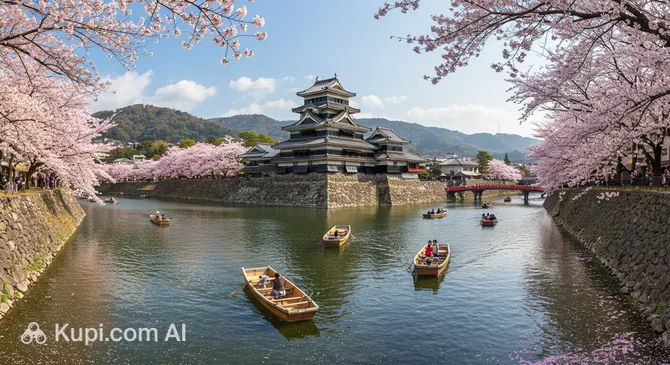
Inuyama is a charming city nestled on the southern bank of the Kiso River, among the picturesque hills of northern Aichi Prefecture. The city sits at the junction of Aichi and Gifu prefectures, which historically gave it significant strategic and cultural importance. Getting to Inuyama is quite simple: a train ride from Nagoya takes about 30 minutes, and from Gifu, it's just 15 minutes. With a population of approximately 73,000, Inuyama maintains the atmosphere of a small, welcoming town where every corner is steeped in centuries-old traditions.
Inuyama. Illustration.
Source: Kupi.com AI

Inuyama attracts travelers with its authenticity and rich historical heritage. The crown jewel of the city is Inuyama Castle—one of the oldest surviving wooden castles in Japan, proudly perched on a hill overlooking the river. In addition to the castle, the city is famous for its picturesque gardens, traditional teahouses, and the fascinating Meiji-Mura open-air museum, which showcases architectural monuments from the Meiji era. In spring, Inuyama is bathed in delicate cherry blossoms, and in autumn, it is painted in the vibrant colors of blazing maples, creating unforgettable landscapes.

If you are looking for a place to immerse yourself in authentic Japanese culture and enjoy the tranquility and beauty of nature away from crowded tourist routes, Inuyama will be a true discovery for you and will provide many pleasant memories.

You can find more interesting facts on the history of the city of Inuyama page.
Weather Overview

The weather in Inuyama is characterized by noticeable seasonal changes. Summer, especially in July and August, is warm and humid here, with average temperatures reaching 25-27°C and maximums around 30°C. This period also sees the highest amount of rainfall. Winters, in contrast, are cool, with average temperatures in January around 3.8°C and minimums dropping to -0.1°C, while the amount of precipitation is significantly lower. Spring and autumn offer more moderate temperatures and changeable weather. Expect a warm, humid summer with frequent rains and cool, relatively dry winters.

For a more detailed forecast and monthly information, you can visit the Inuyama Climate page.

Average monthly temperature

Average monthly precipitation

Interesting Facts

In addition to its main attractions, such as the famous castle, Inuyama hides many surprising details and traditions that make it a truly unique place to visit. Here are just a few interesting facts about this charming city:

Inuyama Castle Town. Illustration.
Source: Kupi.com AI

Traveler photos:

  • The famous Inuyama Castle is not only one of Japan's oldest original wooden castles, with its main tower designated as a National Treasure, but it is also, according to provided information, the only one in the country that is still privately owned. The Naruse family has owned it since the 17th century, which adds a special historical value to it.

  • One of Inuyama's most unusual traditions is its spring festival. During this spectacular event, colorful processions pass through the city streets, and a fertility festival is held at the foot of the castle, featuring a massive wooden symbol weighing about 400 kg as a central element in some descriptions! This ancient rite attracts thousands of spectators, and many city festivals are closely linked to the Harisuna Shrine.

  • Located in the outskirts of Inuyama is the impressive open-air museum—Meiji Village (Meiji-mura). It is not just a collection of old houses: it features over 60 authentic buildings from the Meiji era (1868-1912) relocated from all over Japan, including the former residence of the famous writer Lafcadio Hearn. A walk through the village is a true journey back in time.

  • In the summer, Inuyama offers another captivating spectacle—traditional night fishing with cormorants (ukai) on the Kiso River, often against the backdrop of the illuminated castle. And for wildlife lovers, the Japan Monkey Centre is located near the city, where you can observe hundreds of monkeys of various species in an environment close to their natural habitat and even see their performances.

How to Get There

When planning a trip to Japan, it is important to know all the ways to reach the city of Inuyama in advance. Since the city itself does not have its own airport, most tourists arrive through the airports of neighboring major cities and then continue their journey by ground transport.

The main air gateway for a trip to Inuyama is Chubu Centrair International Airport (NGO). It is located in the city of Nagoya, approximately 59 km from Inuyama. This is a large, modern aviation hub that handles many international and domestic flights. The most convenient way to get from here to Inuyama is to use the Meitetsu limited express train; the journey takes only about 1 hour. A trip by taxi or rental car also takes about an hour, but it should be noted that a taxi for such a distance will be quite expensive, so the train remains the preferred option.

Alternatively, you could consider Komatsu Airport (KMQ), located in the city of Komatsu. However, it is significantly further away—at a distance of about 123 km. A road trip from there will take considerably more time, roughly 2–3 hours. This option might be convenient if you are planning a complex itinerary through several prefectures or arriving on a specific flight.

For clarity, here is a summary of the main airports through which you can reach the region:

AirportPassenger trafficDistance
Nagoya Airport735 00014 km
Chubu Centrair International Airport12.3 mln59 km
Komatsu Airport1.8 mln123 km
Matsumoto Airport112 618124 km
Shizuoka Airport691 274130 km

Rail travel is the most popular and comfortable way to reach Inuyama. The city is served by the private railway company Meitetsu (Nagoya Railroad). The main transport hub is Inuyama Station, where trains from Nagoya arrive regularly. A trip from Meitetsu Nagoya Station on an express train takes only about 25-30 minutes, making this route ideal for tourists who value time and convenience.

Main Attractions

The city of Inuyama, located in Aichi Prefecture, offers tourists a unique combination of historical heritage and picturesque nature. Here, everyone will find something to their liking, from ancient castles and temples to charming streets that preserve the spirit of past eras. Among the many interesting places, several key attractions stand out.

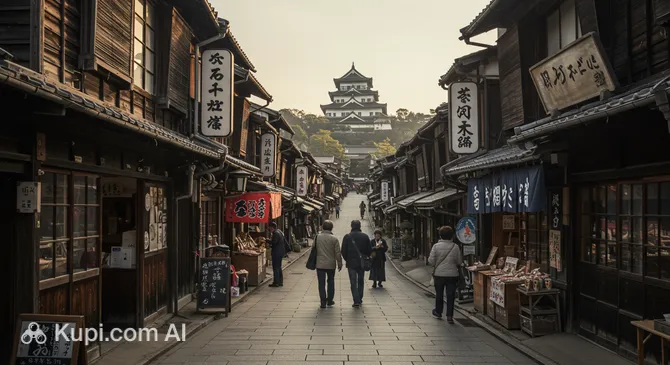
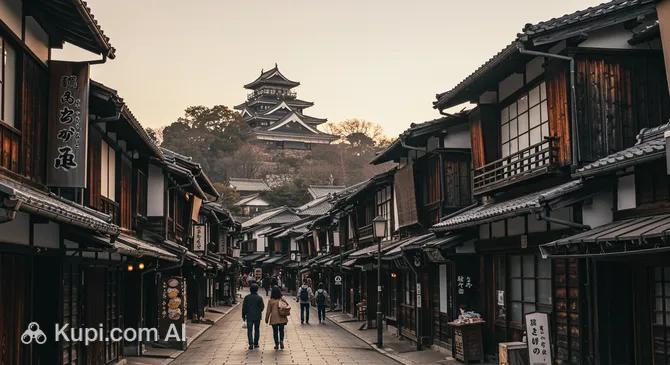
One of the main gems of the city is the Inuyama Castle Town. This historical district, stretching at the foot of the famous Inuyama Castle—one of the oldest in Japan—perfectly preserves the atmosphere of past centuries. A walk through its narrow streets with traditional houses, shops, and restaurants allows you to literally dive into history and feel like you are in old Japan. It is an ideal place for leisurely exploring local culture and purchasing souvenirs.

Inuyama Castle Town. Illustration.
Source: Kupi.com AI

Traveler photos:

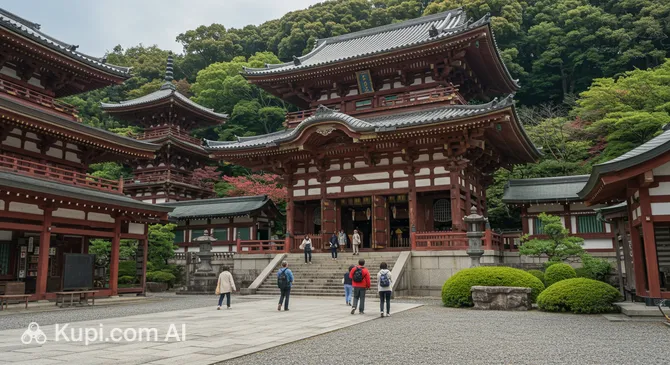
Not far from the castle grounds is the Daisho-ji Temple (Nagoya Betsuin Narita-san). This Buddhist temple, also known as Inuyama Narita-san, is a branch of the famous Narita-san Shinsho-ji Temple. It attracts visitors with its majestic architecture and calm, peaceful atmosphere. Here, you can observe Buddhist rituals, admire the statues, and simply relax your soul away from the city bustle.

Daishoji Temple (Nagoya Betsuin of Narita-san). Illustration.
Source: Kupi.com AI

Traveler photos:

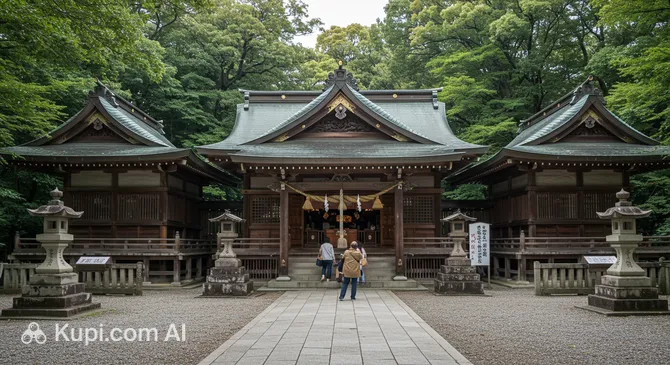
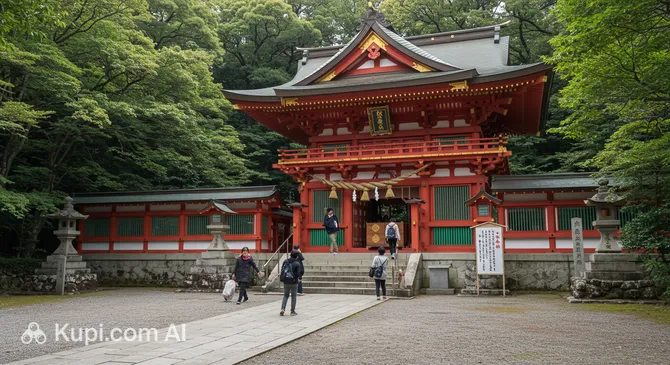
Another iconic place in Inuyama is the Sanko Inari Shrine. This picturesque Shinto shrine is dedicated to the deity Inari, the patron of rice, agriculture, and prosperity. The shrine is famous for its numerous bright red torii gates, which form impressive tunnels leading to the main building. Many visitors come here to pray for good fortune in business and family well-being, and to enjoy the beauty of the site, especially during the cherry blossom season in spring.

Sankoinari Shrine. Illustration.
Source: Kupi.com AI

Traveler photos:

For those who want to immerse themselves in Japan's recent past, Showa Alley in Inuyama Castle Town is a must-visit. This themed street lovingly recreates the atmosphere of the Showa period (1926-1989). Here, you can find retro shops, cafes, vintage signs, and even arcade machines from that time. It is a wonderful opportunity to take nostalgic photos, try traditional Japanese sweets, and feel the spirit of a bygone era.

Inuyama Castle Town Showa Alley. Illustration.
Source: Kupi.com AI

Traveler photos:

Local Cuisine

The gastronomic scene of Inuyama is a harmonious blend of centuries-old culinary traditions and the gifts of rich local nature. One of the main gastronomic symbols of the city, which is definitely worth trying, is kishi-mochi. these are delicate rice cakes served with a variety of fillings and sauces. Sweet options with adzuki red bean paste and seasonal fruits are particularly popular. Kishi-mochi is not just food, but a part of cultural life, often prepared for holidays and festivals.

Thanks to the nearby Kiso River, in Inuyama you can enjoy the freshest river fish, grilled or served as sashimi. A special delicacy is ayu—a small river fish that is traditionally caught here using cormorants. During the fishing season, it is grilled over charcoal and served with fragrant salted rice and, of course, local sake, which perfectly complements the flavor of the fish.

For street food lovers, Inuyama offers classics of Japanese street food. Be sure to try takoyaki—savory balls made of batter with pieces of octopus inside, and yakisoba—hearty stir-fried noodles with vegetables and meat. At city festivals, you can often find stalls with these dishes, as well as original sweets made with green tea and rice.

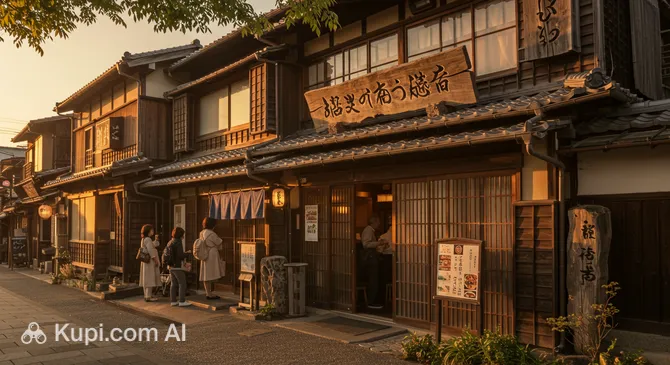
The food culture in Inuyama is diverse. Locals and tourists can enjoy authentic dishes at lively markets and in cozy little family restaurants, as well as by simply grabbing a street food snack. If you want to try traditional dishes in a pleasant setting, look out for establishments like Himono Shokudo Fuso, where you can get to know local culinary delights more deeply.

Himono Shokudo Fuso. Illustration.
Source: Kupi.com AI

Traveler photos:

Inuyama is also famous for its food festivals, which take place regularly in the city. The autumn fairs are particularly vibrant and crowded. At this time, farmers and artisans from all over Aichi Prefecture gather here to treat guests to the freshest produce, homemade pickles, unique sweets, and other local specialties. This is an excellent opportunity to taste not only the cuisine of Inuyama but also dishes from the entire region.

Travel Tips

Planning a trip to the charming city of Inuyama? These practical tips will help you prepare and get the most out of your journey to this amazing corner of Japan.

  1. Clothing and Essentials: The climate in Inuyama, like in the rest of Japan, has four distinct seasons. In summer (June-August), it is hot and humid, so choose light, breathable clothing made of natural fabrics. In winter (December-February), it can be chilly, sometimes with light snow, so don't forget warm items, including a hat and gloves. Spring (March-May) and autumn (September-November) are perhaps the best times to visit, with comfortable temperatures. Be sure to bring comfortable shoes as you will be doing a lot of walking, especially when exploring Inuyama Castle and its surroundings. Don't forget a universal adapter for electronics (Japan uses Type A and B sockets, 100V voltage). When visiting the many temples and shrines in Inuyama, try to dress modestly (shoulders and knees should ideally be covered), though a strict dress code for tourists is rare.
  2. Transportation: Getting around Inuyama is quite convenient. The primary way to reach the city and move around its surroundings is the Meitetsu railway lines, which connect Inuyama with Nagoya and other cities. Within the city itself, you can use local buses. For exploring central Inuyama, including the castle and surrounding areas, walking is the best option. Taxis are available but can be expensive; you can use apps like JapanTaxi or Go. Renting a car solely for moving within Inuyama is usually not necessary and may cause parking issues.
  3. Financial Matters: The official currency is the Japanese yen (JPY, ¥). It is recommended to exchange a small amount of money upon arrival at the airport or to have some yen with you. Currency exchange is also possible at banks. Credit cards (Visa, Mastercard, Amex) are increasingly accepted in hotels, large stores, and restaurants, especially in tourist zones. However, having cash is crucial for paying at small cafes, local shops, shrines, and markets. ATMs that accept international cards are easy to find in 7-Eleven convenience stores (Seven Bank) and at post offices (Japan Post Bank). Tipping is not customary in Japan and may be perceived as impolite—excellent service is already included in the price.
  4. Health and Safety: Japan is one of the safest countries in the world, and Inuyama is no exception. The crime rate is very low. Nevertheless, standard precautions, such as keeping an eye on your belongings, are recommended. Pharmacies (look for signs saying \"薬\" or \"kusuri\") are easy to find, but staff do not always speak English. Basic over-the-counter medicines are available. 24-hour pharmacies are rare outside of major metropolises. Medical care in Japan is of a high standard but can be expensive, so it is highly recommended to take out travel insurance before your trip. If necessary, hotel staff will be able to help with calling a doctor or finding a clinic.
  5. Communication: The official language is Japanese. English is common in tourist infrastructure (hotels, information centers, major attractions), but overall, the level of English proficiency among the local population may not be high. Learn a few basic phrases: \"kon'nichiwa\" (hello), \"arigatō gozaimasu\" (thank you very much), \"sumimasen\" (excuse me/sorry). For constant internet access, it is very convenient to rent a pocket Wi-Fi router or buy a local SIM card (available at airports and electronics stores). Free Wi-Fi is available in many hotels, cafes, and some public places. Useful apps: Google Maps (for navigation and transport schedules), HyperDia (for planning train trips, though some functions are paid), Gurunavi or Tabelog (for finding restaurants, often in Japanese but with translation options).
  6. Local Etiquette: Japanese people are very polite and value respect for traditions. A greeting is usually accompanied by a bow; for tourists, a slight nod of the head is sufficient. In public places, especially on transport, try not to be noisy and avoid talking loudly on the phone. Remove your shoes before entering Japanese homes, some temples, traditional restaurants (especially those with tatami), and ryokans. When using chopsticks (o-hashi), do not stick them vertically into rice or pass food from chopsticks to another person—this is associated with funeral rituals.
  7. What to Avoid: Try not to eat or drink while walking on the street, unless it is a designated street food area. Do not point at people or objects with your finger—use an open palm. And, as mentioned before, never leave a tip—this might confuse or even offend the staff.
  8. Special Features of Inuyama: The main gem of the city is Inuyama Castle, one of the oldest surviving original wooden castles in Japan. To avoid large crowds, try to visit it in the morning. Near the castle is the picturesque Urakuen Japanese Garden, where you can enjoy tranquility and beauty. If your trip falls between May and October, don't miss the chance to see \"ukai\"—traditional night fishing using cormorants on the Kiso River. This is a unique and thrilling spectacle!

We hope these tips make your trip to Inuyama even more comfortable, pleasant, and filled with unforgettable impressions. We wish you amazing discoveries in this historic city!

Entertainment & Nightlife

Evening in Inuyama offers its guests a cozy and authentic atmosphere, quite different from the noise of major metropolises. While the city is not famous for boisterous nightclubs, you can find pleasant places for dinner and quiet relaxation after a busy day.

Most evening establishments are concentrated in the central part of the city, as well as in the Inuyama Castle Town area. Take a stroll through the picturesque Showa Alley in Inuyama Castle Town, where you can discover traditional restaurants and small bars (izakaya) offering local drinks and snacks. The atmosphere here is usually calm and conducive to conversation.

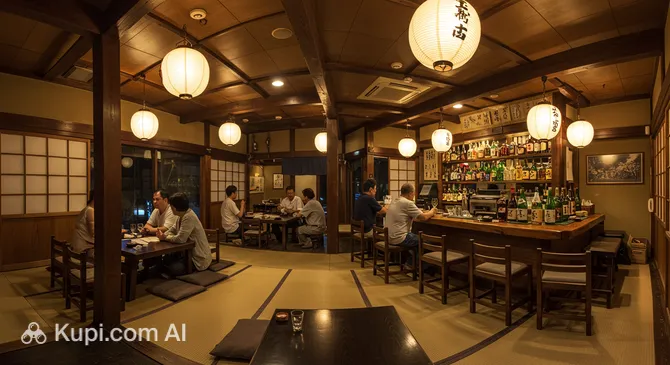
If you are looking for a place to have a drink or two, check out the local bars. For example, you can stop by the bar Unagami to experience the local flavor. Such establishments often bring together both locals and tourists. The style is usually informal, and no special dress code is required. Most bars and izakayas stay open until late evening, especially on weekends.

Unagami. Illustration.
Source: Kupi.com AI

Traveler photos:

For dinner in Inuyama, there are many restaurants offering both Japanese and other cuisines. Some of them remain open in the evening, allowing you to enjoy a meal in a peaceful setting. For instance, consider the restaurant Himono Shokudo Fuso or Hozen to get acquainted with local gastronomic traditions. Average prices can vary but generally remain affordable.

The best time for evening walks and visiting venues is Friday and Saturday evening, when the atmosphere becomes slightly more lively. The crowd mainly consists of locals and tourists interested in the culture. The dress code in most places is casual, though some higher-end restaurants may require a neater appearance.

Regarding transport, taxis become the primary way to get around late at night. Public transport usually stops running relatively early. Inuyama, like most cities in Japan, is considered a very safe place. However, it is always worth taking standard precautions, especially if you are walking alone late at night. You can call a taxi by asking the staff at your hotel or restaurant, or by finding a taxi stand near the station.

During the day, Inuyama offers completely different entertainment. The city is famous for its historical heritage, including the magnificent Inuyama Castle—one of the oldest in Japan. It is also worth visiting numerous temples and shrines, such as Daisho-ji Temple or Sanko Inari Shrine. Museums and parks complete the daytime leisure options, allowing for a deeper dive into the culture and history of the region before enjoying its evening tranquility.

Parks & Museums

Inuyama is a city where picturesque natural spots and rich cultural heritage blend harmoniously, offering tourists a variety of opportunities for relaxation and learning.

Among the city's green oases, Urakuen Garden stands out, famous for its National Treasure—the Jo-an Teahouse. It is a wonderful place for leisurely walks, contemplating traditional Japanese landscape design, and learning about tea culture. Picturesque views also open up along the Kiso River, where you can enjoy nature and fresh air; during the cherry blossom season or the time of autumn colors, these places become especially attractive.

For history and culture enthusiasts, Inuyama and its surroundings offer several interesting museums. Near the city is the Meiji-mura open-air museum, where architectural masterpieces of the Meiji era (1868-1912) from all over Japan are collected and carefully restored, allowing you to literally step into the past. Another unique site is Little World Museum of Man, an ethnographic park representing the dwellings, daily life, and culture of peoples from different corners of the planet. In the city itself, it is worth visiting the Inuyama City Cultural Properties Museum, whose exhibits tell the story of Inuyama Castle and the region.

The heart of the historical part of the city is the Inuyama Castle Town, where the atmosphere of past eras is still preserved. Stroll through its charming streets and look into Showa Alley in Inuyama Castle Town to feel nostalgia for mid-20th century Japan with its retro shops and cafes. Be sure to visit significant shrines, such as the colorful Daisho-ji Temple (Nagoya Betsuin Narita-san) and the peaceful Sanko Inari Shrine, known for its many red torii gates and fox statues, which is considered a place for attracting luck and prosperity. The Harisuna Shrine also deserves attention; it is an important historical and spiritual site for locals where the famous Inuyama Festival is held annually.

Haritsuna Shrine. Illustration.
Source: Kupi.com AI

Traveler photos:

For an authentic experience, don't limit yourself to the main attractions. Turn off the busy tourist paths in Inuyama Castle Town and explore its quiet side streets with traditional houses, small craft workshops, and local shops. Try local delicacies, such as dengaku (grilled tofu or eggplant with miso paste), in one of the old town restaurants.

Getting Around

Getting around Inuyama is quite convenient thanks to a well-developed public transport system that allows tourists to easily reach the main attractions. The city is relatively compact, but transport is very useful for visiting certain interesting sites or for saving time.

The main types of public transport in Inuyama are trains and buses. The railway network here is represented by the Meitetsu company, whose lines (such as the Inuyama Line, Komaki Line, Hiromi Line) connect Inuyama with Nagoya and other neighboring cities, and also provide movement between districts within the city itself. Inuyama Station is the key transport hub. Local buses complement the railway network, serving routes not covered by trains and taking passengers to more remote corners of the city. There are no trams, trolleybuses, or a developed network of fixed-route taxis in the traditional sense; the focus is on trains and buses.

The fare payment system in Inuyama is integrated with Japanese standards. The most convenient method is rechargeable IC cards, such as Manaca (common in the Nagoya region), Suica, Pasmo, or ICOCA. These cards can be used on Meitetsu trains and most local buses. Simply tap the card on the reader at the entrance and exit. You can also always purchase single tickets for trains at vending machines at the stations; the cost depends on the distance. In buses, payment is usually made upon exit (sometimes at the entrance), and you can also use an IC card or pay the driver the exact amount in cash. As a guide, a short bus ride might cost around 200-300 yen, and a train ride starts from 170 yen depending on the distance.

Tourists should keep a few practical points in mind. Train tickets are bought before boarding at station vending machines, which usually have an English interface. When using an IC card, don't forget to tap it on the turnstile or validator both when entering and exiting the station or the bus. Public transport usually starts operating early in the morning and finishes late in the evening, but the frequency of service may decrease in the evening hours and on weekends. Timetables are available at stations and sometimes online.

As an alternative to public transport, taxis are always available in Inuyama. They can be found at stands near stations or called by phone. This is a more expensive but comfortable way to get around, especially for small groups or those with luggage. To explore the central part of the city and its attractions, such as Inuyama Castle or Urakuen Garden, renting a bike can be an excellent option—rental points can be found in tourist areas. Car sharing is less common in Inuyama for short-term tourist needs compared to major metropolises.

Accommodation

In the city of Inuyama, travelers can find a variety of accommodation options that cater to different preferences and budgets. The range of available housing includes traditional Japanese inns (ryokans) offering a unique cultural experience, more familiar hotels ranging from budget to mid-range, as well as guest houses and short-term apartment rentals, which can be convenient for families or long stays.

For tourists, areas located near the main attractions and transport hubs are particularly attractive. Many prefer to stay in the vicinity of the historical Inuyama Castle Town, which allows for easy exploration of its streets and visits to places like Showa Alley or Sanko Inari Shrine. Accommodation near the railway stations also provides convenience for traveling around the region.

Inuyama Castle Town. Illustration.
Source: Kupi.com AI

Traveler photos:

While specific major chain hotels may not be as widely represented as in larger metropolises, Inuyama offers many cozy private hotels and ryokans where you can experience local hospitality. When choosing, it is worth paying attention to reviews and location relative to the sites you are interested in.

Booking Tip: It is recommended to book your accommodation in advance, especially if your trip coincides with the peak tourist season (such as the spring cherry blossoms or autumn colors) or during local festivals. This will help ensure a better selection and more favorable prices.

Overall, the price range for accommodation in Inuyama allows for finding an option for any budget—from economical offers to more comfortable and authentic ryokans. The most common booking methods are popular international online platforms and, in some cases, direct booking through hotel websites.

Nearby Cities

For those who wish to explore the surroundings, Inuyama serves as an excellent starting point for day trips to several interesting nearby locations:

CityPopulationDistance
Fuso34 2684 km
Oguchi24 2346 km
Konan97 4359 km
Minokamo57 0079 km
Kakamigahara143 6419 km

These nearby destinations offer a glimpse into the diverse culture and landscapes of the region.

Shopping & Souvenirs

Shopping in Inuyama offers a charming immersion into the world of traditional Japanese goods and local souvenirs, especially if you stroll through the historical streets. The city is not so much famous for huge modern malls as it is for cozy shops where you can find unique items and handmade products.

The main place for shopping, especially for tourists, is the Inuyama Castle Town. This historical area around the famous Inuyama Castle is dotted with small shops offering local delicacies, crafts, and souvenirs. Special attention should be paid to Showa Alley in Inuyama Castle Town, where you can dive into the atmosphere of the past and find interesting goods.

Inuyama Castle Town. Illustration.
Source: Kupi.com AI

Traveler photos:

In Inuyama, you will not find large shopping centers typical of major cities. Shopping here is more focused on small specialized shops and stalls. If you need a wide selection of brands or large department stores, you might consider a trip to larger neighboring cities in Aichi Prefecture.

Inuyama Castle Town Showa Alley. Illustration.
Source: Kupi.com AI

Traveler photos:

As for markets, in Inuyama they are mostly represented as small temporary fairs or stalls during local festivals, where you can buy fresh produce, local snacks, and handmade items. There are no permanently operating large food or flea markets known nationwide here, but this is compensated for by the authenticity of the local shops.

As souvenirs from Inuyama, it is worth bringing back items related to Inuyama Castle, local ceramics, or textiles, if available in the region. Traditional Japanese sweets (wagashi), local tea, or sake are also popular. The shops in Inuyama Castle Town offer a good selection of such goods.

Most small shops in Inuyama are usually open from around 10:00 or 11:00 AM until 6:00 or 7:00 PM. Some may have a day off in the middle of the week. Regarding payment, cash remains a widely used method, especially in small family shops. However, in more tourist-oriented areas and some larger shops, credit cards (Visa, Mastercard) are accepted. Contactless payments and IC cards (such as Suica, Pasmo) are also gradually gaining popularity.

For international tourists in Japan, a Tax-Free system is available for purchases at participating shops. Usually, this requires making a purchase for a certain minimum amount and presenting a passport. Look for shops with the "Tax-Free Shopping" logo and check the conditions directly with the sellers.

Reached the end of the page?

That means the route is fully explored