Support

Gifu

About

Gifu is a city often called the heart of Japan, and for good reason. It is nestled on the picturesque banks of the Nagara River at the foot of Mount Kinka, almost in the geographical center of the country. This location makes Gifu a convenient starting point for exploring the Tokai region and the entire island of Honshu. The city is surrounded by hills and forests, creating a peaceful atmosphere ideal for leisurely walks and enjoying the beauty of Japanese landscapes.

With a population of about 400,000, Gifu harmoniously combines the tranquility of a provincial town with the dynamics of the administrative center of the prefecture of the same name. It is a city with a rich history, where every stone seems to hold the memory of significant events from the past. Here, antiquity and modernity intertwine in a wonderful way: an ancient castle stands next to historic streets, while cozy parks sit alongside modern districts full of cafes and shops.
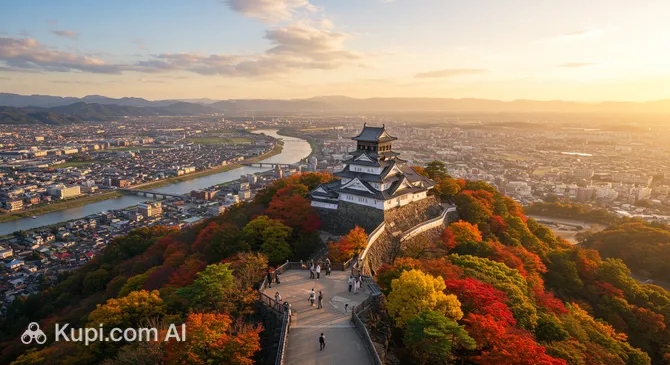
Gifu. Illustration.
Source: Kupi.com AI

Gifu attracts tourists with many unique features. One of the main attractions is Gifu Castle at the top of Mount Kinka, offering breathtaking panoramic views. The city is also famous for "ukai" cormorant fishing on the Nagara River, a unique spectacle that can be observed on warm evenings. One must also mention the famous local Mino-yaki ceramics, as well as numerous festivals reflecting the rich culture of the region.

If you want to experience the real Japan, its slow pace, and deep traditions away from the bustle of metropolises, then Gifu will be a true discovery for you. This city offers a unique opportunity to immerse yourself in an authentic atmosphere, enjoy natural beauty, and get acquainted with the original Japanese culture, which is carefully preserved here and passed down from generation to generation.

You can find more interesting facts on the history of Gifu page.
Weather Overview

The weather in Gifu is characterized by distinct seasonality. In summer, especially in July and August, it is warm and humid: the average temperature in August reaches 27.2°C, and there are 22 rainy days in July. Winters, by contrast, are cold, with an average January temperature of about 3.7°C and minimal precipitation, for example, just 2 mm in January. Overall, expect warm summers with occasional rain and cold, dry winters. You can find more detailed information about weather conditions on the Gifu Climate page.

Average monthly temperature

Average monthly precipitation

Interesting Facts

The city of Gifu, known for its rich history and picturesque landscapes, holds many surprising stories and little-known details that make it even more attractive to curious travelers. Here are just a few of them:

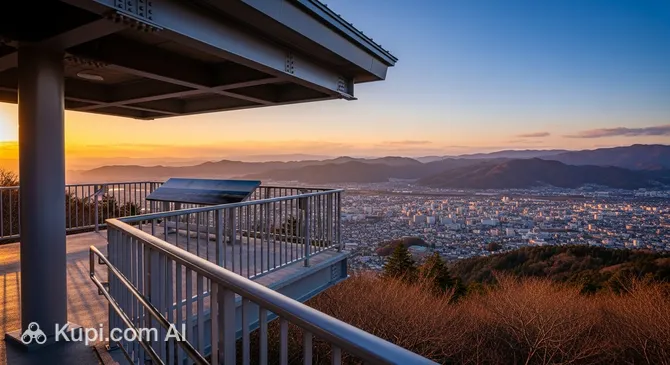
Kinkazan Driveway Observation Deck. Illustration.
Source: Kupi.com AI

Traveler photos:

  • An Epochal Name and Citadel: It was in Gifu that the legendary general Oda Nobunaga established his citadel on Mount Kinka in the 16th century, from where he began his journey to unify Japan. It is believed that he also gave the city its current name "Gifu," inspired by the name of the sacred Chinese mountain Qishan (岐山), from which, according to legend, the unification of China by the Zhou dynasty began. The memory of this great figure is immortalized, notably in the Statue of Oda Nobunaga.

  • A Thousand-Year Ukai Tradition: Gifu is the guardian of the unique art of fishing with cormorants, known as "ukai." This tradition on the Nagara River dates back more than 1,300 years and is a spectacular nighttime sight with lit torches illuminating the work of the fishermen and their feathered helpers. You can learn more about this ancient craft by visiting the Ukai Master Sugiyama's House.

  • Admiration of a European Missionary: In the 16th century, the Portuguese Jesuit missionary Luís Fróis visited Gifu. He was so impressed by the beauty of the city and Oda Nobunaga's majestic castle that he described them in detail in his travel notes, helping Gifu's fame reach Europe at that time.

  • The Ceramic Heart of Japan: The city and its surroundings are famous for the production of Mino ceramics (Mino-yaki), one of the most famous and highly valued styles of Japanese pottery. This craft has a centuries-old history, and the works of local masters remain immensely popular throughout the country and beyond.

How to Get There

The city of Gifu is located in the central part of Honshu island, making it easily accessible from various parts of the country. Although the city does not have its own airport, a well-developed transport network allows you to get here quickly from neighboring major aviation hubs. You can find all the details and plan your route by following this link: more about how to get to Gifu.

The most convenient option for travelers is Chubu Centrair International Airport (IATA: NGO), located in Nagoya. Since Gifu does not have an airport, most tourists arrive here. The airport is approximately 63 km from central Gifu. It is a major transport hub with high passenger traffic, receiving flights from all over the world. A taxi or bus ride takes about 1 hour and 50 minutes, but many prefer to use the high-speed rail link connecting the airport to the region.

Another important transport hub is Itami Airport (IATA: ITM), which is located in Osaka, about 140 km from Gifu. This is a large airport serving mainly domestic flights. A car journey from here to Gifu will take significantly longer—about 3.5–4 hours—so this option is more often chosen by those who also plan to visit the Kansai region.

You can also consider Komatsu Airport (IATA: KMQ) in the city of Komatsu. It is located about 112 km from Gifu and is a medium-sized regional airport. A car ride from here will take about 3 hours.

For clarity, here is a summary of the main airports through which you can reach Gifu:

AirportPassenger trafficDistance
Nagoya Airport735 00024 km
Chubu Centrair International Airport12.3 mln63 km
Komatsu Airport1.8 mln112 km
Matsumoto Airport112 618134 km
Itami Airport14.8 mln140 km

Main Attractions

Gifu, a city with a rich history and culture, offers tourists many interesting places to visit. Everyone will find something for themselves here, from ancient shrines to modern observation decks.

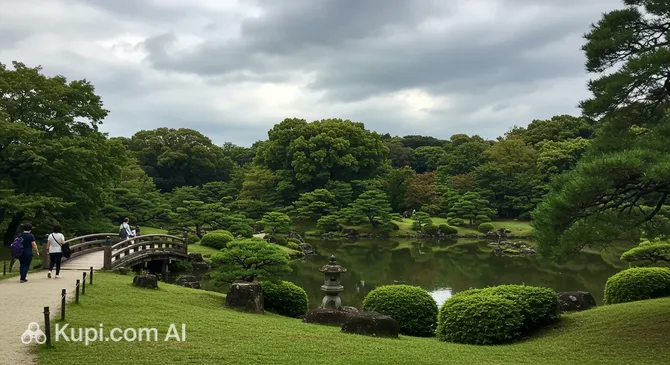
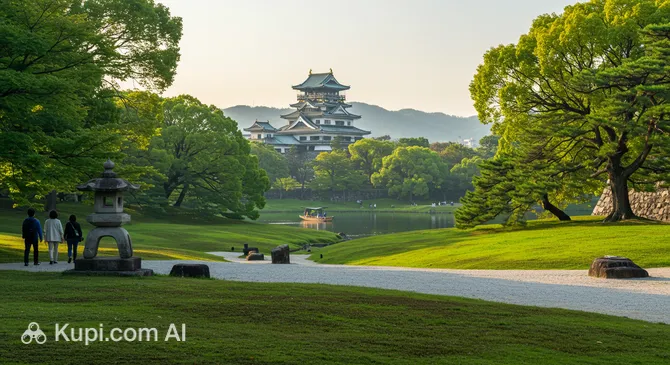
One of the main attractions is Gifu Park, spread out at the foot of Mount Kinka. This is a wonderful place for walking, relaxing in nature, and learning about the city's history. Several museums are located in the park, including the Gifu City Museum of History, as well as a ropeway leading to the top of the mountain to Gifu Castle. In spring, the park is filled with cherry blossoms, attracting many visitors.

Gifu Park. Illustration.
Source: Kupi.com AI

Traveler photos:

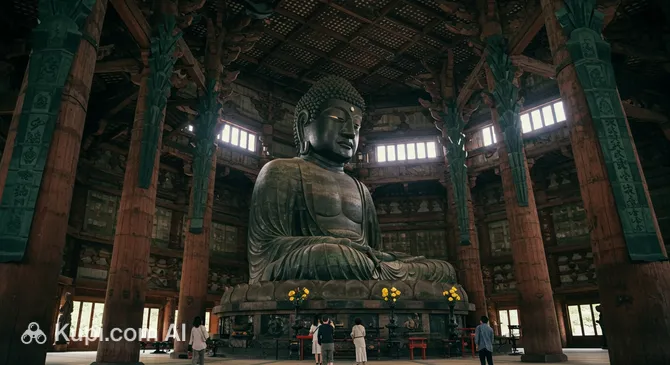
Near the park is the Great Buddha of Gifu (Shoho-ji) – one of the three largest Buddha statues in Japan. This impressive gilded statue, made of wood and covered with lacquer and gold leaf, reaches nearly 14 meters in height. Created during the Edo period, it is an important cultural asset, attracting pilgrims and tourists with its monumentality and the peaceful atmosphere of the Shoho-ji temple.

Gifu Great Buddha (Shōbō-ji). Illustration.
Source: Kupi.com AI

Traveler photos:

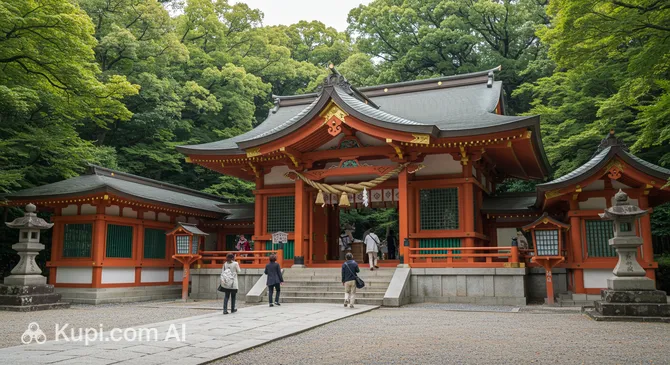
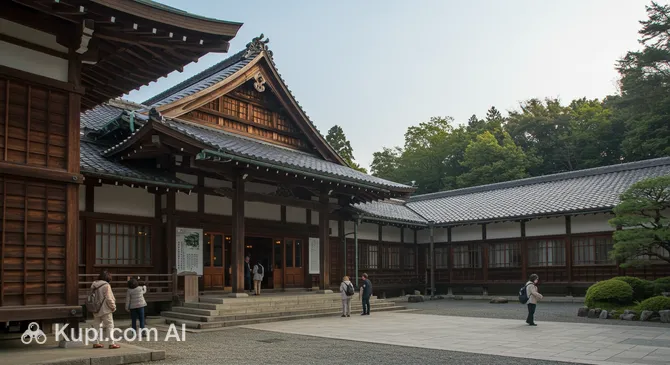
For those interested in Shinto traditions, Inaba Shrine is a must-visit. This ancient shrine, located on a mountainside, is known for its picturesque grounds and historical significance. It is dedicated to a deity associated with prosperity and well-being and is a popular spot for prayers and traditional festivals. The shrine's architecture and the surrounding nature create a special atmosphere of tranquility.

Inaba Shrine. Illustration.
Source: Kupi.com AI

Traveler photos:

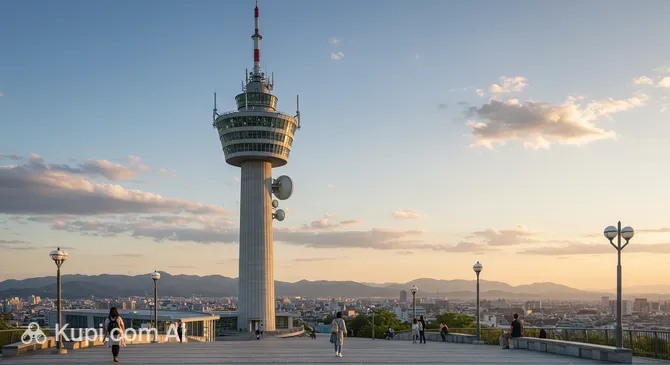
To get a bird's-eye view of the city, it is worth ascending to the observation deck of Gifu City Tower 43. This modern 43-story building offers panoramic views of Gifu, the Nagara River, and the surrounding mountains. The views are especially impressive at sunset and at night when the city sparkles with lights. The top floors of the tower also house restaurants where you can enjoy dinner with a magnificent view.

Gifu City Tower 43. Illustration.
Source: Kupi.com AI

Traveler photos:

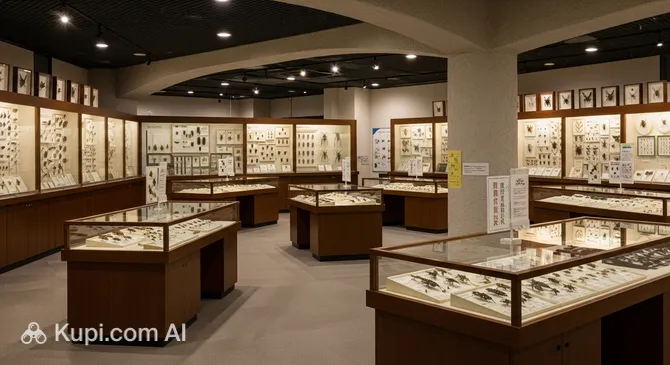
Fans of unusual museums will enjoy the Nawa Insect Museum, one of the oldest and most famous entomological museums in Japan. It features an extensive collection of insects from all over the world, including rare and exotic species. The museum will be interesting for both adults and children, offering a fascinating immersion into the world of these amazing creatures.

Local Cuisine

The gastronomy of Gifu is a fascinating journey into a world of flavors, where traditions harmoniously blend with the abundance of local products. The city's signature dish is ayu—a freshwater sweetfish with delicate meat, caught here using the unique ancient method of cormorant fishing, especially during the summer season. Ayu is served in various ways: salt-grilled to highlight its natural taste, or as exquisite sushi.

The famous marbled Hida beef (Hida-gyu) is another source of local pride. It is renowned for its incredible juiciness, tender texture, and rich flavor. Tourists can enjoy Hida beef as steaks, delicate sashimi, or as a key ingredient in the traditional Japanese dish sukiyaki. Another authentic dish worth trying is hoba miso. It consists of a thick miso paste grilled on a large magnolia leaf along with vegetables, mushrooms, and sometimes meat. This hearty and fragrant dish originates from the mountainous areas of Gifu Prefecture.

Among drinks in Gifu, local sake deserves special attention. It is often produced in small family breweries that carefully preserve traditional recipes and techniques, creating unique-tasting beverages. If you crave something sweet and unusual, you can find stalls selling taiyaki on the city streets—this popular Japanese treat consists of fish-shaped waffles with various fillings, most commonly sweet adzuki bean paste.

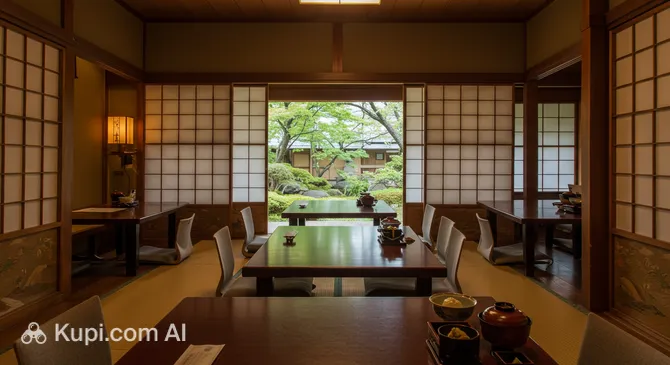
The food culture in Gifu offers diverse options for both locals and tourists. Exquisite dishes made from the freshest local ingredients can be tasted in numerous restaurants, for instance, it's worth visiting Sarashina. Additionally, street food is popular, and vibrant farmers' markets always offer fresh seasonal fruits and vegetables, as well as unique local delicacies prepared according to old recipes.

Sarashina. Illustration.
Source: Kupi.com AI

Traveler photos:

The culinary scene in Gifu is attractive for its authenticity and the opportunity to experience the region's culinary traditions. The city is known for its seasonal products and dishes that reflect its rich nature. Various gastronomic festivals are also held throughout the year, where you can fully enjoy the variety of local cuisine and even participate in workshops on preparing traditional Japanese treats.

Travel Tips

Planning a trip to the charming city of Gifu? To ensure your journey through this interesting corner of Japan goes smoothly and leaves only the most pleasant impressions, we have prepared some practical tips for you.

  1. Clothing for the Season and Essentials: The climate in Gifu, as in all of Japan, has four distinct seasons. In summer (June-August), it is quite hot and humid, so choose light, breathable clothing. In winter (December-February), it can be chilly, and snow occasionally falls, so warm items and layering will be very useful. Spring and autumn offer comfortable temperatures. A key element of your wardrobe is comfortable shoes, as you will be doing a lot of walking while exploring the city and its surroundings. Don't forget an adapter for electrical appliances (Japan uses Type A and B sockets, 100V voltage). When visiting temples and shrines, it is advisable to wear clothing that covers your shoulders and knees, although strict dress codes are rare.

  2. Getting Around the City: The main form of public transport in Gifu is buses, which cover most areas of the city. Schedules are usually accurate but may be in Japanese; use navigation apps for help. Taxis are available, especially at stations and major hotels, but they are a more expensive way to travel. Car rental can be useful if you plan to explore Gifu Prefecture, but it is not always practical for getting around the city itself due to parking challenges and narrow streets. For travel to other cities in Japan, it is convenient to use the JR train network.

  3. Financial Matters: The national currency is the Japanese Yen (JPY). You can exchange money at airports upon arrival, at banks, or at specialized exchange offices. Credit and debit cards (Visa, Mastercard) are accepted in many hotels, large stores, and restaurants; however, cash is still very important, especially in smaller establishments, markets, temples, and for bus fares. International cards usually work without issues at 7-Eleven (Seven Bank) and Japan Post Bank ATMs. Tipping in Japan is not customary, as quality service is considered the norm and is already included in the price.

  4. Health and Safety: Japan is one of the safest countries in the world, and Gifu is no exception. The crime rate is low. Pharmacies (薬 – "kusuri") are easy to find, but many medications may require a prescription or differ from what you are used to. Staff may not always speak English, so it is helpful to have the name of the active ingredient or a photo of the packaging. Medical insurance for tourists is strongly recommended. In case of an emergency, call 119 (ambulance/fire service). As always, observe basic precautions, especially regarding your belongings.

  5. Communication: The official language is Japanese. English is common in tourist information centers, major hotels, and among the youth, but overall proficiency is not very high. Learn a few basic phrases: "Konnichiwa" (Hello), "Arigato" (Thank you), "Sumimasen" (Excuse me/Sorry). For ease of communication and navigation, consider buying a local SIM card or renting a pocket Wi-Fi router—this is a very popular and convenient option. Free Wi-Fi is available in some hotels, cafes, and public areas. Translation and navigation apps like Google Maps will be very useful.

  6. Local Etiquette: Japanese people highly value politeness and respect for tradition. A greeting is usually accompanied by a bow; for tourists, a slight nod of the head is sufficient. In public places, especially on transport, try to speak quietly and avoid drawing undue attention to yourself. Eating and drinking while walking on the street is not common (except in designated areas near vending machines or during festivals). Remove your shoes when entering homes, some temples, traditional restaurants, and ryokans (Japanese-style inns). When using chopsticks, do not stick them vertically into rice and do not pass food from chopsticks to another person's chopsticks.

  7. What to Avoid: Try not to talk loudly on the phone on public transport—it is considered bad manners. Don't forget to remove outdoor shoes where required (for example, when entering fitting rooms in some clothing stores or in temples). Avoid the idea of leaving a tip—it might embarrass the staff.

  8. Special Gifu Feature – Ukai: If your trip to Gifu falls between May and October, do not miss the unique opportunity to see traditional cormorant fishing (Ukai) on the Nagara River. This mesmerizing spectacle with a centuries-old history is one of the city's main highlights and will give you unforgettable memories.

We hope these tips help you better prepare for your trip and fully enjoy the hospitality and beauty of Gifu. We wish you a fascinating and comfortable journey through this wonderful city in Japan!

Entertainment & Nightlife

Evening Gifu offers guests a chance to immerse themselves in the atmosphere of Japanese hospitality, although it may not boast the same scale of nightlife as metropolises like Tokyo. Here, entertainment is more relaxed and centered around cozy establishments where you can eat well, have a drink, and socialize. The city's nightlife is mainly concentrated in the areas around JR Gifu Station and in the once-famous Yanagase district, where you can still find many restaurants, bars, and karaoke venues.

The core of nightlife in Gifu consists of traditional Japanese izakaya pubs, small stylish bars, and, of course, restaurants offering both local and international cuisine. The atmosphere in most establishments is quite relaxed and casual; a dress code is usually not required unless it is an exclusive restaurant. The crowd is mixed: locals, Japanese tourists, and a few foreigners. Many establishments stay open late into the night, especially on Fridays and Saturdays.

For dinner, you might consider places like Sarashina, a restaurant known for its cuisine, or Tagoto Rokujoten, where you can also have a pleasant evening. While these are restaurants, they are part of the city's evening culture where you can start or end your night out. Karaoke bars are another popular form of leisure in Japan, and Gifu is no exception. Here you will find many places where you can have fun with friends singing your favorite songs.

Sarashina. Illustration.
Source: Kupi.com AI

Traveler photos:

When planning an evening out, keep in mind that public transport, especially trains, stops running relatively early. After midnight, taxis become the primary mode of transportation. You can find taxis at major hotels, stations, or ask the staff at your venue to call one. Regarding safety, Gifu, like most Japanese cities, is considered a very safe place. Walking along the well-lit central streets in the evening is quite comfortable. Average prices in bars and restaurants vary but generally remain affordable.

During the day, Gifu offers other types of entertainment. You can visit the Gifu Prefectural Museum to learn more about the history and culture of the region, or check out the Nawa Insect Museum. For outdoor walks, Gifu Park at the foot of Mount Kinka or the scenic Nagara Park along the river of the same name are excellent choices. These places will help you form a complete impression of the city and its multifaceted culture.

Parks & Museums

The city of Gifu invites travelers to enjoy a harmonious blend of scenic green spaces and rich cultural heritage. Here, everyone will find something for themselves, from peaceful parks to fascinating museums that tell the history of the region.

Among the city's green oases, Gifu Park stands out particularly. Located at the foot of Mount Kinka, it is not only a wonderful place for walking but also the starting point for ascending to the famous Gifu Castle. The park offers picturesque ponds, traditional Japanese gardens, and is a popular recreational spot for both locals and tourists.

Another great place for outdoor relaxation is Nagara Park, spread along the banks of the river of the same name. It is ideal for leisurely strolls, picnics, and admiring the surrounding scenery. The park is especially beautiful in spring during the cherry blossom season and in autumn when the foliage turns vibrant colors.

Nagara Park. Illustration.
Source: Kupi.com AI

Traveler photos:

For those interested in the history and culture of the region, the Gifu Prefectural Museum is a must-visit. Its exhibits cover a wide range of topics: from archaeological finds to works of art and ethnographic materials, detailing the past and present of Gifu Prefecture.

Gifu Prefectural Museum. Illustration.
Source: Kupi.com AI

Traveler photos:

A visit to the Nawa Insect Museum provides a unique and educational experience. It is one of the oldest and most famous entomological museums in Japan, founded by Yasushi Nawa, the "Insect King." It houses an impressive collection of insects from all over the world that will be interesting for both adults and children.

Nawa Insect Museum. Illustration.
Source: Kupi.com AI

Traveler photos:

Gifu City is also famous for its historical and religious attractions. You should definitely see the Great Buddha of Gifu (Shoho-ji) – one of the three largest Buddha statues in Japan, made of wood and covered with lacquer and gold. This impressive structure is an important center of Buddhism.

Also worth noting is Inaba Shrine, associated with the history of the Oda clan and Oda Nobunaga. It is a quiet and peaceful place where you can touch ancient traditions and enjoy the calm atmosphere. Near Gifu Station, you will also find the Statue of Oda Nobunaga, reminding visitors of the great general.

For an authentic experience, take a walk through the old streets in the Kawaramachi district, where traditional houses are preserved, or visit the less famous but charming Kogane Shrine, dedicated to the deity of gold and prosperity. Also, do not miss the chance to visit the Ukai Master Sugiyama's House to learn more about traditional cormorant fishing on the Nagara River – a unique spectacle that is a symbol of Gifu.

Getting Around

Public transport in Gifu is primarily represented by an extensive bus network, which is the main way to get around the city and its surroundings. There is no subway or tram in Gifu, but the bus system is quite convenient and covers most tourist routes.

The main operator is the Gifu Bus company. The buses are easily recognizable by their distinctive colors. Fares can be paid in cash directly when getting off the bus (it is recommended to have small change as the driver may not have change for large bills) or using rechargeable transport IC cards. A local card called Ayuca is used in Gifu, but popular national cards such as Suica, Pasmo, or ICOCA are also accepted, which is very convenient for tourists traveling through different regions of Japan. The fare depends on the distance; when entering the bus through the middle door, you need to take a ticket with the stop number (if paying by cash) or tap your IC card on the reader. When exiting through the front door, you pay the fare according to the rate shown on the display above the driver, or tap your IC card again.

Tourists are advised to check bus schedules in advance, especially if planning trips to remote areas or during evening hours, as the frequency of service may decrease. Schedules are usually available at major bus stops and on the Gifu Bus website. Single-ride tickets are taken upon entry, and payment is made upon exit. IC cards can be recharged at machines in major stations or at some convenience stores (konbini).

One of Gifu's iconic transport features is the Kinkazan Ropeway. It takes visitors to the famous Gifu Castle and observation decks, offering magnificent views of the city and the Nagara River. It is not so much city transport as it is a tourist attraction, but it is very popular.

As an alternative to public transport, taxis are always available in Gifu. They can be found at special stands near the station and major hotels or called by phone. Taxis in Japan are known for their high level of service, but the cost of the trip will be significantly higher than by bus. For a more active exploration of the city, you might consider bicycle rental—there are rental points in Gifu, and it's a great way to explore the central districts and the waterfront at your own pace.

Accommodation

In Gifu, travelers will find various accommodation options to suit different preferences and budgets. The city offers a wide choice: from inexpensive guest houses and hostels, ideal for budget-conscious tourists, to comfortable mid-range hotels and more luxurious options. Apartments are also available for rent, which can be convenient for families or long stays.

When choosing a place to stay in Gifu, it is worth paying attention to areas that provide convenient access to main attractions and transport hubs. Many tourists prefer to stay near Gifu Railway Station, which makes it easy to reach iconic spots like Gifu Park or Gifu City Tower 43. Staying in central districts also places you within walking distance of many restaurants and shops.

Gifu Park. Illustration.
Source: Kupi.com AI

Traveler photos:

When planning your trip, especially during the peak tourist season, it is recommended to book accommodation in advance. This not only guarantees availability but often allows you to find better deals. The main booking methods are popular online platforms and travel aggregators, although some hotels offer the option to book directly through their websites.

The price range for accommodation in Gifu varies: you can find budget options as well as mid-range and high price category hotels. Most hotels and guest houses provide standard amenities, while more expensive establishments may offer additional services such as spas or restaurants with fine dining.

Nearby Cities

For those who want to explore the surrounding area, Gifu serves as an excellent starting point for day trips to several interesting nearby locations:

CityPopulationDistance
Ginan25 7524 km
Kasamatsu22 4156 km
Kitagata18 3087 km
Kakamigahara143 6418 km
Motosu32 66410 km

These nearby destinations provide insight into the region's diverse culture and landscapes. Each of these cities offers its own unique attractions, whether they are historical castles, traditional crafts, or scenic natural spots, making them excellent options for short excursions from Gifu.

Shopping & Souvenirs

Gifu offers tourists pleasant shopping opportunities, combining modern stores with traditional handicrafts. The city and its surrounding prefecture are famous for the production of Mino-yaki ceramics, Gifu-chochin paper lanterns, and uchiwa fans, making it an excellent place to buy authentic Japanese souvenirs.

Primary shopping activity is centered around JR Gifu Station. Here you will find department stores, clothing shops, electronics, and souvenir stalls. It is also worth visiting the Yanagase shopping arcade – one of the oldest and largest in the city, where you can find many small shops, cafes, and restaurants offering both modern goods and local delicacies.

Among the notable places where you can combine shopping with other activities, Gifu City Tower 43 stands out. In addition to the observation deck, this skyscraper houses various shops and restaurants. Large department stores such as Takashimaya or Meitetsu, usually located near major transport hubs, offer a wide range of goods—from fashion to food.

Gifu City Tower 43. Illustration.
Source: Kupi.com AI

Traveler photos:

Although Gifu does not have massive markets like major metropolises, you can find small local markets, especially in the mornings, where fresh products and local delicacies are sold. These are often located near temples or held as part of local festivals. For souvenirs and handicrafts, it is best to visit specialized stores or districts known for their traditions.

As souvenirs from Gifu, you should definitely bring back Mino-yaki ceramics—these can be cups, plates, or vases with unique designs. Traditional Gifu-chochin paper lanterns, known for their elegance and colorful patterns, are also popular. Don't forget about local sweets like ayu-gashi (sweetfish-shaped cookies) and locally produced sake.

Most shops in Gifu operate from approximately 10:00-11:00 AM to 7:00-8:00 PM. Large shopping centers and department stores may have longer opening hours. Both cash (Japanese yen) and credit cards are accepted, especially in large stores and tourist areas. However, in small shops and markets, cash may be preferred.

For foreign tourists in Japan, a tax return system (Tax Free) is available. Look for shops with the "Japan Tax-free Shop" logo. Usually, to process a tax refund, you must make a purchase of a certain amount (most often over 5,000 yen) in one shop in one day and present your passport.

Reached the end of the page?

That means the route is fully explored