Support

Tarui

About

Tarui (垂井町, Tarui-cho) is a charming town nestled in the Fuwa District of Gifu Prefecture, in the heart of Japan, on the island of Honshu. This small but colorful settlement represents the quintessence of the Japanese countryside, where centuries-old traditions harmoniously intertwine with a touch of modernity, creating a unique atmosphere of tranquility and authenticity.

Tarui covers an area of about 57 square kilometers, and its neighbors are the city of Ogaki and the towns of Yoro, Ibigawa, and Ikeda. According to recent data, the population is approximately 26,558 people. Despite its modest size, Tarui plays the role of an important administrative center in its district, while maintaining its unique, leisurely way of life.
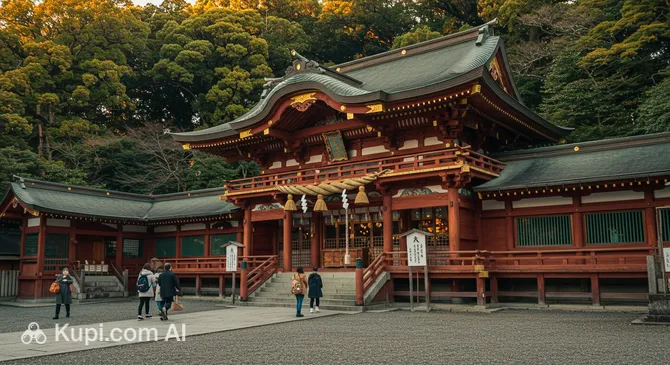
Tarui. Illustration.
Source: Kupi.com AI

The main appeal of Tarui for travelers lies in its genuine atmosphere and the opportunity to dive headfirst into real Japanese provincial life, away from the hustle and bustle of megacities. Here, you can enjoy traditional Japanese culture, admire picturesque natural landscapes that change colors with the seasons, and experience the sincere hospitality of the local people.

If you dream of seeing the real Japan, untouched by mass tourism, and feeling its slow, peaceful rhythm, Tarui will be the perfect choice for you. This town will give you unforgettable memories and allow you to discover another side of the Land of the Rising Sun.

You can find more interesting facts on the history of the town of Tarui page.

Weather Overview

When planning a trip to Tarui, it's worth considering the seasonal weather changes characteristic of this town. Summers here, especially in July and August, are warm and quite humid. The average temperature in August reaches 26.7°C, while maximum figures can rise to 30°C. Winters, by contrast, are cool: in January, the average temperature is about 3.1°C, with night frosts down to -0.2°C.

Expect a warm summer with frequent precipitation, especially in July, which sees the highest amount (about 12 mm and up to 23 rainy days), and cool winters with less precipitation (about 3 mm per month), but still with a regular chance of rainy or snowy days. Spring and autumn months are characterized by milder and transitional weather conditions. To find out more details about the weather by month, check out the information about the climate in Tarui.

Average monthly temperature

Average monthly precipitation

Interesting Facts

Tarui, cozily located in Gifu Prefecture, is more than just a quiet town. It and its surroundings hide several curious details that may surprise and delight travelers.

  • The official symbols of Tarui are the Japanese zelkova tree (Zelkova serrata), widely distributed in East Asia and especially revered in Japan, as well as the elegant camellia flower. These natural symbols reflect the town residents' close connection with and respect for the surrounding environment.

  • Located in Gifu Prefecture, Tarui can serve as a starting point for exploring the wider region known for its iconic landmarks. For example, the world-famous Shirakawa-go village, a UNESCO World Heritage site famous for its traditional gassho-zukuri style houses, is located in the same prefecture. The region also attracts those wishing to see the famous Jigokudani snow monkeys.

  • Gifu Prefecture, where Tarui is located, is famous for its onsens—natural hot springs that are an essential part of Japanese culture. Visiting an onsen is not just a hygiene procedure, but a whole ritual that allows for relaxation and health improvement, attracting many tourists to the region who wish to join this unique Japanese tradition.

How to Get There

When planning a trip to this cozy corner of Gifu Prefecture, it's important to think through your route in advance. You can find out more details on how to get to Tarui by studying the various transport options that connect the town with the country's major hubs. Thanks to Japan's developed transport network, the journey here will be comfortable, whether by air or by rail.

There is no airport in the town of Tarui itself, but you can fly into Chubu Centrair International Airport (IATA: NGO), located in the city of Nagoya. This is the most convenient air gateway for reaching the region, situated about 62 km from Tarui. The airport is a major international hub with excellent transport links. The journey from here by car or bus takes about 1 hour and 50 minutes, however, it is most convenient to take an express train to Nagoya and then transfer to a local line to Tarui.

Another option could be Itami Airport (IATA: ITM) in the city of Osaka. It is further away, about 119 km from Tarui, and primarily serves domestic flights. This is a major transport hub, and the trip from it by ground transport (taxi or bus with transfers) will take about 3 hours and 20 minutes. This option is suitable for those already in the Kansai region or flying on a domestic flight from another part of the country.

For clarity, here is a summary of the main airports:

AirportPassenger trafficDistance
Nagoya Airport735 00038 km
Chubu Centrair International Airport12.3 mln62 km
Komatsu Airport1.8 mln114 km
Itami Airport14.8 mln119 km
Kobe Airport3.6 mln144 km

Rail travel is perhaps the most popular and convenient way to reach the town. Tarui Station is located in the town center, served by the Tokaido Main Line of JR Central. It is easy to get here on direct trains from nearby major cities such as Ogaki, Gifu, and Nagoya. A train journey from Nagoya takes about 40-50 minutes and allows you to enjoy views of the Japanese countryside.

Main Attractions

Tarui, a small town in Gifu Prefecture, offers travelers a charming blend of history, culture, and nature. Despite its size, it holds several significant attractions that deserve the attention of those exploring this region of Japan.

One of the main shrines and the most famous landmark in the town is the Nangu Taisha Shrine. This majestic Shinto shrine is considered the first shrine (ichi-no-miya) of the former Mino Province and is dedicated to the deity of mining and metals. Visitors are drawn to its impressive architecture with characteristic bright colors, centuries-old history, and peaceful atmosphere. The shrine is especially lively during traditional festivals.

Tarui's historical significance is highlighted by its past as the Tarui-juku post station on the ancient Nakasendo trail, which connected Edo (modern-day Tokyo) with Kyoto. A walk through the areas where the station once stood allows you to immerse yourself in the atmosphere of the Edo period. Although many original buildings have not survived, the spirit of that time and the importance of this point on the trade route are still felt. This place is of interest to those fond of Japanese history and ancient roads.

For nature lovers and outdoor enthusiasts, Mount Nangu, at the foot of which the namesake shrine is located, offers excellent opportunities for hiking. Climbing its slopes, you can enjoy picturesque views of the town of Tarui and the surrounding valley. The mountain is not only beautiful but also holds cultural significance, being closely linked to the history and beliefs associated with the Nangu Taisha Shrine.

Another notable religious site in Tarui is the Zenko-ji Tarui Betsuin Temple. This temple is a branch of the famous Zenko-ji Temple located in Nagano and attracts both pilgrims and tourists interested in Japan's Buddhist culture. Visiting this site provides an opportunity to learn about local religious traditions and enjoy a calm, spiritual atmosphere.

Local Cuisine

The gastronomic scene of Tarui, closely linked to the culinary traditions of Gifu Prefecture, offers travelers a unique experience of discovering rich local cuisine. Many dishes are based on the freshest local ingredients: from the bounty of mountain rivers and forests to products grown on the region's fertile lands. Authenticity and centuries-old recipes passed down through generations are valued here.

The famous Hida-gyu beef is a must-try. This meat from a specific breed of cattle raised in the mountainous areas of Gifu is famous for its incredible tenderness, marbled texture, and rich aroma that unfolds during cooking. Another iconic dish is Keichan: marinated chicken stir-fried with seasonal vegetables. This popular treat can often be found on both restaurant menus and at local festivals.

Among other specialties worth noting are Gozen-mochi, special rice cakes prepared according to traditional recipes. The local cuisine also makes extensive use of fresh river fish, seafood, as well as aromatic mountain vegetables and mushrooms. A perfect complement to the meal is locally produced sake, made from the purest mountain water and select rice grown in Gifu Prefecture.

The dining culture in Tarui is characterized by coziness and hospitality. You can get acquainted with real local cuisine in small family restaurants where dishes are cooked according to ancient recipes. Locals are very proud of their culinary traditions and are happy to share them with visitors, offering authentic and delicious dishes that reflect the spirit of this corner of Japan.

Travel Tips

Welcome to Tarui! To ensure your trip to this charming corner of Gifu Prefecture in Japan goes as smoothly and pleasantly as possible, we've prepared some practical tips. They will help you navigate local customs and get the most out of your visit.

  1. Clothing and essentials:

    The climate in Tarui, as in all of Gifu Prefecture, has distinct seasons. In summer (June-August), choose light, breathable clothing as it can be hot and humid; don't forget sunscreen and a hat. In spring (March-May) and autumn (September-November), dress in layers – days can be warm, but evenings cool. In winter (December-February), warm clothing including a coat, hat, gloves, and a scarf will be needed. Comfortable shoes are a must at any time of year, as you will likely be walking a lot. Don't forget a universal adapter (Japan uses Type A and B sockets, 100V voltage). When visiting temples and shrines, follow the dress code: shoulders and knees should be covered.

  2. Getting around town:

    Tarui is a small town, so your main way of getting around will likely be local trains (the JR Tokaido Main Line passes through Tarui Station) and buses. Check schedules in advance, especially for buses. Taxis are available but can be expensive. Ride-hailing apps may have limited availability. Renting a car can be useful if you plan to explore the Gifu Prefecture countryside, but for Tarui itself, it probably won't be necessary. Remember that traffic in Japan is on the left, and an international driving permit is required to rent a car.

  3. Finance:

    The local currency is the Japanese Yen (JPY, ¥). Cash is still widely used, especially in small towns, shops, and restaurants, so always carry a sufficient amount. Credit and debit cards (Visa, Mastercard) are accepted more frequently but not everywhere. Be sure to inform your bank of your travel plans. Withdrawing cash from international cards is usually possible at ATMs at post offices (Japan Post Bank) or in 7-Eleven stores (Seven Bank ATMs). Tipping in Japan is not practiced and may be perceived as impolite. An approximate daily budget in Tarui (excluding accommodation) can range from 7,000 to 15,000 yen.

  4. Health and Safety:

    Pharmacies (薬局 - yakkyoku) exist, but staff may not always speak English. Bring necessary prescription medications with a doctor's note. In emergencies, call 119. Large hospitals are located in larger neighboring cities. It is highly recommended to get travel insurance with good medical coverage. Tarui, like most of Japan, is a very safe town. However, always observe standard precautions. Gifu Prefecture is in a seismically active zone, so familiarize yourself with basic earthquake safety rules.

  5. Communication:

    The official language is Japanese. English proficiency may be limited, especially in small establishments and among the elderly. Learn a few basic Japanese phrases: "Konnichiwa" (Hello/Good afternoon), "Arigato gozaimasu" (Thank you very much), "Sumimasen" (Excuse me/I'm sorry). A tourist SIM card or a pocket Wi-Fi router can be purchased at major airports or ordered online in advance. Wi-Fi is available in some hotels, cafes, and public places, but don't rely on its ubiquitous presence. Useful apps: Google Maps, HyperDia (for train schedules), Google Translate.

  6. Local Etiquette:

    Bowing (ojigi) is a common greeting and sign of respect; a slight nod is usually sufficient for foreigners. Remove your shoes before entering homes, some temples, traditional restaurants, and ryokans (Japanese-style inns). It is not customary to speak loudly on public transport. Try not to eat or drink while walking on the street, although this may be acceptable at festivals.

  7. What to Avoid:

    Do not stick your chopsticks vertically into a bowl of rice – this resembles a funeral ritual. Do not point at people with your finger; if you need to indicate a direction, use an open palm. It is considered impolite to blow your nose loudly in public; it's better to step aside or use a restroom.

  8. Extra Tip:

    Tarui is known for the Tarui-no-Taki Waterfall and its connection to the historical Nakasendo trail. Be sure to explore these local gems. Also, find out about local festivals; small towns often host unique celebrations that offer insight into local culture. For example, the Hikiyama Matsuri float festival may take place in Tarui in the spring.

Tarui provides a wonderful opportunity to experience a calmer and more authentic side of Japan. By keeping these tips in mind, you'll ensure a respectful, smooth, and unforgettable journey through this charming town in Gifu Prefecture. Enjoy your discoveries!

Entertainment & Nightlife

Tarui, a charming town in Gifu Prefecture with a population of about 26,000, offers its own, more tranquil and authentic take on evening entertainment that differs from the noise and bustle of major cities. Nightlife here is centered not so much on large-scale clubs as on cozy establishments where you can spend time in a relaxed setting, soaking in the local atmosphere.

The main spots for evening relaxation in Tarui are traditional Japanese pubs – izakayas. This is a wonderful opportunity not only to enjoy sake, local beer, or other drinks but also to try various Japanese snacks in the company of locals. It's also worth looking into small bars and restaurants that stay open into the evening. The atmosphere in such places is usually very welcoming and friendly, and the dress code is generally casual and informal. Large nightclubs or concert venues are unlikely for a town of this size; the focus shifts toward a more intimate experience.

Since Tarui is a small town, the best strategy for finding evening entertainment is often a walk through the central streets or around the railway station. That is where local izakayas and bars are typically concentrated. It's best to check the specific names of establishments on-site or look them up in current online maps and travel guides, as many small family-run places may not have a large internet presence, and the list of available spots can change. Instead of searching for well-known brands, allow yourself the pleasure of discovering something authentic on your own.

The opening hours for most establishments are generally limited to midnight or 1:00 AM, especially on weekdays, so plan your evening in advance. Prices in local bars and restaurants are usually moderate. For getting around late at night, a taxi will be the primary option. It is recommended to have your hotel's address written in Japanese or to check with your accommodation's staff about calling a taxi for you.

Tarui, like Japan in general, is considered a safe place. Nevertheless, standard precautions during night walks never hurt: stick to well-lit streets and be mindful of your surroundings.

During the day, Tarui and its surroundings offer other opportunities for leisure. You can explore local parks, visit small temples, or local history museums to better understand the region's past. Furthermore, Gifu Prefecture is famous for its nature, so daytime excursions to admire the landscapes can also be an excellent addition to your trip.

Parks & Museums

The town of Tarui, located in picturesque Gifu Prefecture, offers its visitors a harmonious blend of outdoor recreation and immersion into rich local culture and history through its parks, natural areas, and iconic sites.

For nature lovers, Tarui offers wonderful opportunities for relaxation. Mount Nangu deserves special attention, known for its scenic views and walking trails. This spot attracts visitors with the chance to enjoy the beauty of Japanese nature, especially during the blossom or autumn foliage seasons, and offers magnificent panoramic views of the surroundings. Besides Mount Nangu, charming city parks and green zones along the rivers can be found in and around the town, ideal for leisurely strolls and picnics, allowing you to observe the measured life of Gifu Prefecture.

To learn about the history and culture of the region, Tarui offers unique opportunities through its historical and religious centers. Instead of traditional museums in the classic sense, sites such as the majestic Nangu Taisha Shrine play a key role in preserving heritage. It is not only a spiritual center but also a place where visitors connect with history through its architecture, centuries-old rituals, and existing exhibitions or artifact collections. Similarly, the historical Tarui-juku post station, part of the ancient Nakasendo trail, serves as a living museum itself. It vividly demonstrates the lifestyle and significance of this transport hub in the past, offering information boards and restored interiors that tell stories of travel and communication during the Edo period. Thus, these iconic sites fulfill important museum functions, providing a deep immersion into the past of Tarui and Gifu Prefecture.

In addition to the already mentioned Nangu Taisha Shrine and Tarui-juku post station, which are key historical and architectural gems, other notable places can be found in Tarui and its vicinity. These may be lesser-known ancient temples or shrines, each with its own unique atmosphere and history. Walks through the town can also lead to interesting historical buildings or picturesque streets that have preserved the spirit of past eras, reflecting the cultural heritage of Japan.

For truly authentic experiences in Tarui, don't limit yourself to just the main attractions. Explore local markets, if any are available, and peek into small family shops or traditional restaurants. It is in such places that you can often discover real treasures of local culture, try unique dishes of Gifu Prefecture's cuisine, and feel the genuine, non-tourist spirit of the town.

Getting Around

Getting around Tarui and its surroundings is possible via public transport, which, while not as extensive as in megacities, is quite convenient for tourists. The main types of transport here are trains and buses. Tarui railway station connects the town with larger settlements in the region, making trains an excellent choice for intercity travel. Local bus routes serve travel within the town and to nearby attractions.

The fare payment system in Tarui is similar to the general practice in Japan. For trains, tickets are purchased at stations from machines or ticket offices; the cost usually depends on the distance. On buses, payment is most often made upon boarding or exiting – either in cash to the driver (it is recommended to have small change, as change might not always be available) or using rechargeable IC transport cards such as Suica, Pasmo, or ICOCA. These cards are very convenient, work in many regions of the country, and allow you to avoid the need to buy a ticket every time. Specialized tourist passes specifically for Tarui might not exist, but it's worth checking for possible regional passes if you plan to move around the area actively.

Train tickets can be purchased directly before departure at the station. For buses, if an IC card is not used, prepare cash. Train tickets are validated when passing through ticket gates at the station entrance and exit; IC cards are simply tapped against the reader. Public transport in Tarui usually starts operating in the early morning and ends late in the evening; however, the frequency of service, especially for buses, can be low, particularly in the evening and on weekends. It is highly recommended to check current schedules in advance on the official websites of transport companies or using navigation apps to avoid long waits.

In addition to public transport, other options for getting around Tarui can be considered. Taxis are generally available at the railway station or can be called by phone, but this will be a more expensive method. Given that Tarui is a relatively small town, many interesting places are within walking distance of each other, making walking a pleasant way to get to know it. Also a popular option, especially for a leisurely exploration of the town and its picturesque surroundings, is bicycle rental. Rental points can be sought near the station or tourist areas. Car-sharing opportunities in Tarui itself may be limited, but renting a car in a larger neighboring city could be a good solution for travelers planning independent trips throughout Gifu Prefecture.

Accommodation

When planning a trip to Tarui, you will find a variety of accommodation options to suit different budgets and preferences. While Tarui might not be as large a tourist center as Japan's megacities, you can find cozy and convenient housing for your stay.

Accommodation choices in Tarui typically include traditional Japanese guesthouses (ryokans or minshuku), where you can dive deeper into the local culture and enjoy unique hospitality. Small hotels offering standard amenities are also available, as well as potentially apartments or houses for short-term rent, which are great for families or travelers who prefer more independence. Budget-conscious tourists might find options in the form of hostels or simpler guesthouses.

When choosing a place to stay in Tarui, it's worth paying attention to areas with good transport accessibility or those closer to sites of interest and main infrastructure. Staying in the central part of town or near the railway station can be particularly convenient if you plan to move around actively and explore the surroundings.

Although Tarui may not have a large number of world-famous chain hotels, you will certainly find welcoming local inns and ryokans offering quality service. We recommend checking reviews and offers on popular online booking platforms to find the best option that fits your expectations and budget.

To guarantee the best spot at a reasonable price, especially if your trip falls during the peak tourist season, cherry blossom season, or during local festivals, it is highly recommended to book accommodation in advance. Early booking will also provide you with a wider choice of available options.

The price range for accommodation in Tarui can vary from quite budget-friendly options to mid-range levels. Luxury resorts are likely few here, as the focus is often on more authentic and cozy stays. The most common booking methods are using international and Japanese online aggregator platforms, and in some cases, direct booking through the official websites of hotels or guesthouses.

Nearby Cities

For those looking to explore the surrounding area, Tarui serves as an excellent starting point for day trips to several interesting nearby locations:

CityPopulationDistance
Ogaki158 3868 km
Yoro26 5658 km
Godo18 5059 km
Anpachi14 33013 km
Ibigawa19 51914 km

These nearby destinations provide insight into the region's diverse culture and landscapes. Each of these cities offers its own unique attractions and will be a wonderful addition to your journey from Tarui:

  • Ogaki: Just 8 km from Tarui, this city is known as the "Water Capital" due to its numerous rivers and canals. Be sure to visit Ogaki Castle and learn more about the city's connection to the famous poet Matsuo Basho.
  • Gifu: As the capital of the namesake prefecture, Gifu attracts tourists with its majestic Gifu Castle on Mount Kinka, traditional "ukai" cormorant fishing on the Nagara River (during the summer season), and the extensive Gifu Park at the foot of the castle.
  • Ichinomiya: The name of this city translates as "the first shrine" of the former Owari Province, and its main attraction is rightfully considered the ancient Masumida Shrine. The city also has a rich history as a center of the textile industry.
  • Inazawa: This city is particularly interesting to visit in February when one of Japan's most unusual festivals, Hadaka Matsuri (Naked Festival), takes place at the Konomiya Shrine. Besides the festival, there are other historical sites in Inazawa worth noting.
  • Kakamigahara: Offers an interesting experience for technology enthusiasts at the Gifu-Kakamigahara Air and Space Museum, reflecting the city's important role in Japan's aviation industry. For outdoor relaxation, one of the city's parks, such as Kakamigahara Park, is perfect.

Shopping & Souvenirs

Shopping in Tarui offers more of an authentic experience of local trade rather than a hunt for famous brands. This small town in Gifu Prefecture is not known for giant shopping malls, but here you can find unique goods and feel the atmosphere of the Japanese countryside. The main focus should be on local products and handicrafts.

Main shopping spots in Tarui are likely concentrated along central streets or in small traditional shopping arcades, if any exist. These might be small family-run shops offering everyday goods, fresh produce, and stalls with local specialties. A stroll through such streets can be an interesting experience in itself.

One should not expect large modern shopping centers common in big cities in Tarui. However, you might find small local department stores or supermarkets where a wider range of goods is presented, including clothing, household items, and food products.

Regarding markets, in small Japanese towns like Tarui, you can sometimes stumble upon morning markets (asaichi), where farmers sell fresh vegetables, fruits, and other local products. Such markets are a great place to discover seasonal delicacies and interact with locals. Small shops selling souvenirs or handmade items can also be found.

As for souvenirs from Tarui and the Gifu region, look out for:

  • Local food products: traditional Japanese sweets (wagashi), local sake, pickles (tsukemono), and perhaps tea.
  • Ceramics: Gifu Prefecture is famous for its Mino-yaki pottery. You might find small items in this style in Tarui.
  • Wood and textile products: small craft items reflecting local traditions.
  • Unique trinkets: look for small shops where you can find something special that isn't found in Japan's major tourist centers Japan.

Shops in Tarui, as in most small towns in Japan, typically operate from 10:00 or 11:00 AM until 6:00 or 7:00 PM. Some small family-run shops may have their own more flexible schedules and a day off during the week. Regarding payment, while credit cards are becoming more common, cash is often preferred in small shops and markets. It is recommended to always have some amount of Japanese yen with you.

The Tax-Free system is available in Japan for foreign tourists for purchases over 5,000 yen at licensed stores. In Tarui, the number of shops providing such a service may be limited. If you are making a major purchase, it's worth checking with the seller about the possibility of Tax-Free processing by presenting your passport.

Reached the end of the page?

That means the route is fully explored