Support

Nagahama

About

Nagahama is a charming city nestled on the northern shore of Lake Biwa, the largest freshwater lake in Japan. Located in Shiga Prefecture, this city offers guests a unique blend of natural beauty, rich history, and a peaceful atmosphere far from the hustle and bustle of major metropolises. With a population of approximately 113,740 people, Nagahama preserves the spirit of a traditional Japanese town, where every corner tells its own story.
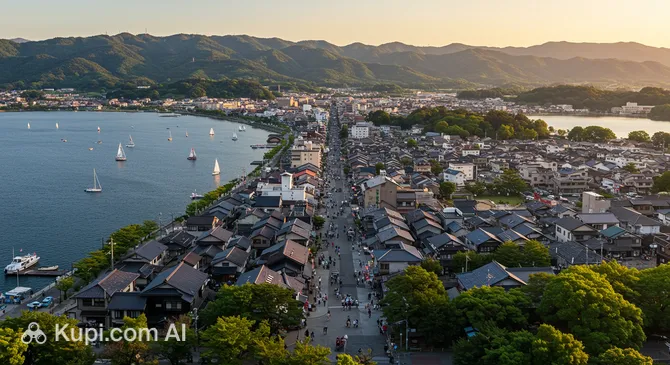
Nagahama. Illustration.
Source: Kupi.com AI

The city is famous for its rich history, which comes to life through its landmarks. One of the main gems is Nagahama Castle, a reconstructed historical castle housing a museum, offering panoramic views of the lake and the city. Equally interesting is the historical Kurokabe Square district, known for its glass workshops, traditional craft shops, and restaurants located in old Meiji-era buildings. Here, you can not only purchase unique souvenirs but also observe master craftsmen at work.

Another notable feature of Nagahama is its proximity to the sacred Chikubushima Island on Lake Biwa, which attracts pilgrims and tourists with its ancient temples and picturesque landscapes. The city is also famous for its festivals, such as the Hikiyama Matsuri, which showcases magnificent ornate floats.

Nagahama is a wonderful destination for those seeking an authentic Japanese experience, wanting to enjoy beautiful nature and immerse themselves in history. This city is sure to leave warm memories and a desire to return again.

You can find more interesting facts on the Nagahama city history page.
Weather Overview

In Nagahama, you can expect a warm and fairly humid summer, especially in the peak months, and a cool winter with frequent, though less abundant, precipitation. Summer months such as July and August are characterized by average temperatures around 25-27°C, with maximum values potentially reaching 28-30°C. This period also sees the highest amount of rainfall (for example, up to 10 mm in July) and the highest number of rainy days (up to 22 in July).

In winter, for example in January, the average temperature drops to about 3.1°C, while the minimum can reach 0.3°C. The amount of precipitation in the winter months is significantly less (about 3 mm per month), but the number of days with precipitation remains high, reaching 19-20 days in January and December. Spring and autumn offer more moderate weather conditions, serving as transitional periods between the summer heat and winter chill.

For more detailed information on weather conditions and the current forecast, please visit the Nagahama Climate page.

Average monthly temperature

Average monthly precipitation

Interesting Facts

In addition to its well-known attractions, the city of Nagahama holds many amazing stories and unique features that make it a truly special place in Japan.

  • The unique Kurokabe district has been preserved in Nagahama, where the spirit of the Edo period still lingers. It is a true paradise for lovers of traditional crafts: here you can find glass workshops and shops, many of which have been operating since the 19th century, offering authentic handmade products.

  • In the waters of Lake Biwa, near Nagahama, lies the mystical Chikubushima Island. Legends say it is home to the deities of happiness and longevity, and the Hogon-ji Temple located on it has attracted pilgrims seeking blessings for centuries.

  • Nagahama is the birthplace of one of Japan's most vibrant festivals – the Hikiyama Matsuri, held annually at the Nagahama Hachimangu Shrine and its surroundings. The uniqueness of this festival, recognized as a UNESCO Intangible Cultural Heritage, lies in the fact that the complex roles of traditional Kabuki theater are performed exclusively by boys on magnificently decorated portable "hikiyama" stages.

  • Few people know that Nagahama Castle, built in the 16th century, became the first significant citadel for the legendary commander Toyotomi Hideyoshi and a kind of springboard on his path to unifying Japan and reaching the pinnacle of power. Today, the castle houses a history museum.

Nagahama Hachimangu Shrine. Illustration.
Source: Kupi.com AI

Traveler photos:

How to Get There

This picturesque city on the shores of Lake Biwa can be reached in various ways, combining air and ground transport. The most convenient route depends on where in Japan or the world you are starting your journey. You can find all the details and plan your perfect route by following this link: more about how to get to Nagahama.

Nagahama does not have its own airport, so travelers usually fly into one of the major aviation hubs in neighboring regions. The nearest major international hub is Chubu Centrair International Airport (NGO), located in Nagoya, about 75 km from Nagahama. It is a modern airport receiving many flights. A trip from there by car or bus takes about 2 hours and 15 minutes, but using high-speed trains can significantly reduce this time.

Another popular option, especially for international tourists, is Kansai International Airport (KIX) in Osaka. It is further away, at a distance of about 142 km, but offers the widest selection of international flights. The journey by taxi or direct bus will take approximately 4 hours, but the well-developed railway network of the Kansai region allows you to get there much faster and more comfortably.

For clarity, here is summary information on the main airports convenient for traveling to the region:

AirportPassenger trafficDistance
Nagoya Airport735 00060 km
Chubu Centrair International Airport12.3 mln75 km
Itami Airport14.8 mln101 km
Komatsu Airport1.8 mln113 km
Kobe Airport3.6 mln127 km

Rail travel is perhaps the most efficient way to get to Nagahama. The city is served by Nagahama Station, which is on the JR Hokuriku Main Line. If you are coming from Tokyo or other distant cities, it is most convenient to take the Shinkansen bullet train to Maibara Station, which is a major transport hub and adjacent to Nagahama. From Maibara Station to Nagahama, you can take a local train in just 10–15 minutes. JR Pass holders can use it on this route, making the trip even more cost-effective.

Main Attractions

Nagahama, a charming city in Shiga Prefecture, offers travelers a rich blend of history, culture, and modern entertainment. Everyone will find something to their liking here, from ancient temples and samurai heritage to unique museums and scenic views of Lake Biwa. Here are a few key attractions to include in your itinerary.

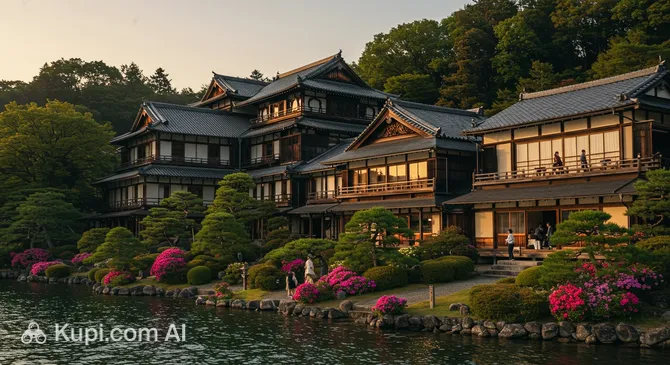
One of the city's gems is Keiunkan. This magnificent Japanese-style guest house with an adjacent garden was built during the Meiji era to host the Emperor. Today, visitors can enjoy the building's exquisite architecture, stroll through the well-tended garden—which is especially beautiful during the plum blossom season and autumn foliage—and experience the atmosphere of that era. This place is perfect for connoisseurs of traditional Japanese aesthetics and peaceful relaxation.

Keiunkan. Illustration.
Source: Kupi.com AI

Traveler photos:

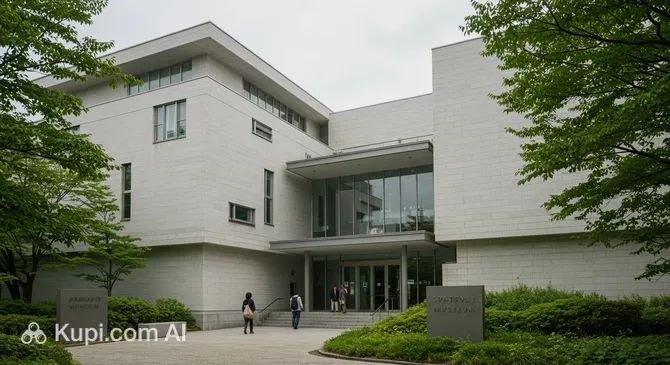
For fans of modern Japanese culture and collectors, the Kaiyodo Figure Museum is a must-visit. Kaiyodo is world-renowned for its highly detailed figures of anime characters, manga, dinosaurs, animals, and more. The museum features an extensive collection of these miniature works of art, which will delight both children and adults. It is a vibrant and fascinating place showcasing the skill of Japanese sculptors.

Kaiyodo Figure Museum. Illustration.
Source: Kupi.com AI

Traveler photos:

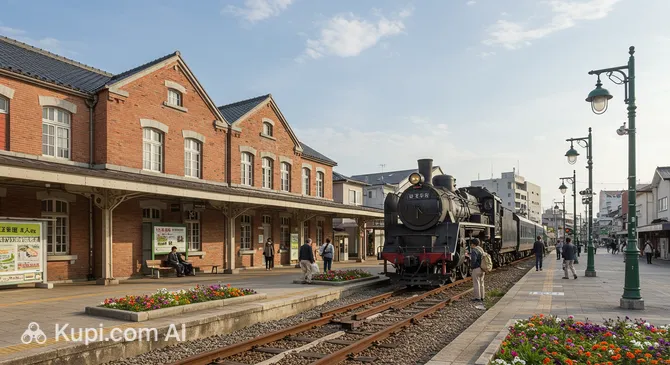
You can immerse yourself in Japan's transport history at Nagahama Railway Square. It is home to Japan's oldest surviving railway station building, constructed in 1882. The museum's exhibition tells the story of the development of railway communication in the region and its impact on city life. This site will be of interest not only to train enthusiasts but to anyone interested in Japan's modernization period.

Nagahama Railway Square. Illustration.
Source: Kupi.com AI

Traveler photos:

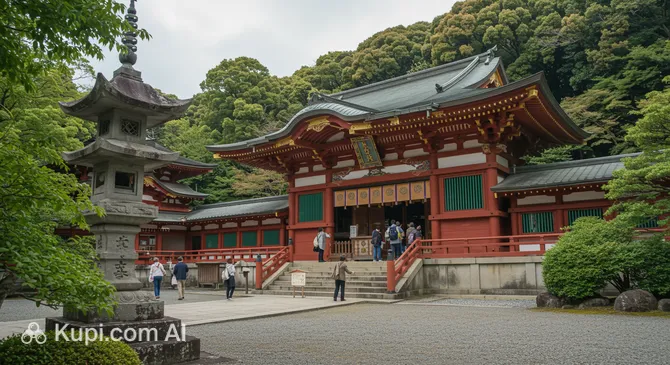
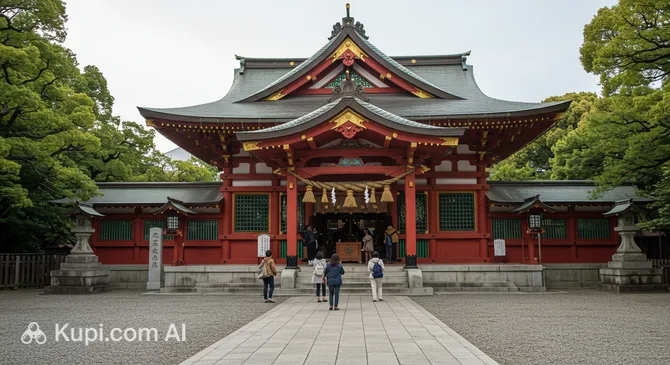
An important spiritual and cultural center of the city is the Nagahama Hachimangu Shrine. This ancient Shinto shrine is dedicated to the god Hachiman, the patron of warriors. The shrine is famous for hosting the grand Nagahama Hikiyama Matsuri in April, one of Japan's three major festivals featuring elaborately decorated floats (yama) with stages, which is inscribed on the UNESCO Intangible Cultural Heritage list. Visiting the shrine allows you to touch the country's deep religious traditions.

Nagahama Hachimangu Shrine. Illustration.
Source: Kupi.com AI

Traveler photos:

In addition, Daitsu-ji Temple, the main temple of the Jodo Shinshu school of Buddhism in Nagahama, is also worth noting. Its majestic buildings and peaceful gardens leave a lasting impression. These attractions make Nagahama an appealing destination for those who want to explore the less famous but no less interesting corners of Japan.

Local Cuisine

The gastronomic scene in Nagahama is a fascinating journey for foodies, where traditional Japanese cuisine harmoniously blends with the rich bounty of Lake Biwa. The city's main culinary highlight that you must try is Nagahama ramen. This famous soup with thin wheat noodles, tender slices of pork, and a rich, often pork-based broth is the true pride of the region. Every restaurant and small eatery in Nagahama strives to give this dish its own unique flavor, making ramen tasting a real adventure.

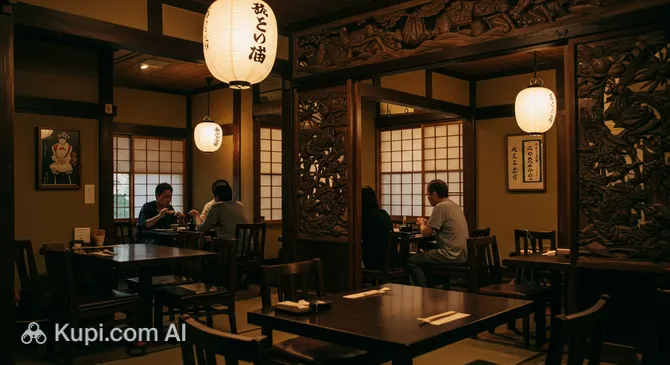
Thanks to its location on the shores of Lake Biwa, Japan's largest freshwater lake, Nagahama is famous for its fresh fish dishes. Ayu, or Japanese sweetfish, is particularly popular; it is masterfully grilled here to preserve its delicate flavor or served as sushi. Local restaurants, such as Yokaro, pride themselves on the freshness of their ingredients and skillfully combine traditional recipes with modern culinary approaches.

Yokaro. Illustration.
Source: Kupi.com AI

Traveler photos:

In addition to ramen and fish, be sure to pay attention to traditional Japanese sweets – wagashi. In Nagahama, they are often prepared using local seasonal fruits and sweet adzuki bean paste. These exquisite desserts can be found at street markets or in specialized confectionery shops. Among drinks, besides the ubiquitous green tea, it is worth tasting the local sake, which will perfectly complement your meal and introduce you to another facet of Japanese culture.

Nagahama's food culture offers a variety of options: from authentic little restaurants specializing in ramen or lake fish dishes to bustling fresh food markets where farmers and fishermen offer their catch and harvest. The city also regularly hosts food festivals, allowing guests to immerse themselves in the world of local flavors and aromas, try seasonal specialties, and even participate in culinary masterclasses. This is a great opportunity to get to know Nagahama's culinary heritage in all its diversity.

Travel Tips

Welcome to Nagahama! To ensure your trip to this charming city on the shores of Lake Biwa in Shiga Prefecture goes smoothly and leaves only pleasant impressions, we have prepared some practical tips.

  1. Clothing and Essentials: The climate in Japan involves four distinct seasons. In summer, Nagahama is hot and humid, so bring light, breathable clothing. In winter, it can be cold, sometimes with snow, so you will need warm things, including a jacket, hat, and gloves. Spring and autumn are mild and ideal for layering. Extremely important are comfortable walking shoes, as you will likely be walking a lot. Don't forget a universal adapter (type A and B sockets are used in Japan). When visiting temples and shrines, choose modest clothing (covering shoulders and knees) and shoes that are easy to remove.
  2. Getting Around Town: Nagahama is a city that is convenient to explore on foot, especially its central part. Bicycle rental is also popular. For trips to neighboring cities and districts, local trains (e.g., JR lines) are well-suited. The city has a bus service. Taxis are available but can be expensive. Car rental is possible if you have an International Driving Permit (driving is on the left), but it is not always necessary for moving within the city itself.
  3. Finances: The local currency is the Japanese Yen (JPY). It is recommended to have some cash with you, as not all small establishments accept cards, although their use is becoming more widespread, especially in hotels and large shops. International credit cards (Visa, Mastercard) are accepted in many places. ATMs that accept foreign cards can be found in convenience stores (e.g., 7-Eleven) and post offices. You can exchange currency at the airport or banks. Tipping in Japan is not practiced and may be perceived as impolite.
  4. Health and Safety: Nagahama, like Japan in general, is a very safe place with a low crime rate. Pharmacies (look for the "薬" sign - kusuri) are available, but staff may not always speak English. It is recommended to have a basic first aid kit with you. Medical care is available, but be sure to take out travel insurance. In emergencies, you can contact local hospitals.
  5. Communication: The official language is Japanese. English proficiency may be limited, especially among the older generation and outside tourist areas. Learn a few basic phrases: "Konnichiwa" (Hello), "Arigato" (Thank you), "Sumimasen" (Excuse me). For connectivity, it is convenient to rent a pocket Wi-Fi router or buy a local SIM card (available at airports and electronics stores). Free Wi-Fi is available in many hotels, cafes, and at some stations. Apps like Google Maps and translators will be very useful.
  6. Local Etiquette: Japanese people value politeness very highly. A greeting is usually accompanied by a slight bow. In public places, especially on transport, try to speak quietly and do not eat while walking. You must remove your shoes when entering homes, some temples, and traditional restaurants. Be patient in queues.
  7. What to Avoid: Never leave a tip. Do not stick chopsticks vertically into rice and do not pass food from chopsticks to another person – this is associated with funeral rituals. Avoid loud phone conversations in public places, especially on trains.
  8. Lake Biwa and Local Highlights: Nagahama is located on the shores of picturesque Lake Biwa, the largest freshwater lake in Japan. Be sure to set aside time for walks along the lake or even a small boat excursion. The city is also famous for its Kurokabe Square district, known for glassware, and the annual Hikiyama Festival in April – if your trip coincides with this time, don't miss the chance to see this colorful event.

We hope these tips help you better prepare for your trip and fully enjoy the hospitality and beauty of Nagahama. We wish you an unforgettable journey!

Entertainment & Nightlife

Nagahama, a charming city in Shiga Prefecture, offers its guests not only a rich history and picturesque views of Lake Biwa but also a cozy atmosphere for evening relaxation. While Nagahama cannot boast the scale of nightlife found in Tokyo or Osaka, you will find enough places here to enjoy a pleasant evening and get acquainted with the local flavor.

The core of evening entertainment in Nagahama consists of restaurants and traditional Japanese pubs—izakayas. Here you can enjoy local cuisine, fresh seafood from Lake Biwa, and, of course, sake. One notable place for dinner is the Yokaro restaurant, where you can sample exquisite dishes in a pleasant setting. Many establishments are concentrated around the central Nagahama Station and on the adjacent shopping streets. The atmosphere in them is generally welcoming and relaxed, perfect for a quiet dinner or gathering with friends. The dress code in most places is casual.

Regarding more lively nightlife, you can find small bars and karaoke clubs in Nagahama, popular with both locals and tourists. They usually stay open until late at night, especially on weekends. It is difficult to single out specific quarters specializing exclusively in nightclubs here; rather, these are individual establishments scattered throughout the city center. It is recommended to visit bars after 8:00 PM or 9:00 PM. Prices are generally moderate, especially compared to major metropolises.

For getting around at night, taxis are the primary option and can be called by phone or found at stands near the station. Nagahama is considered a safe city; however, it is always worth taking standard precautions, especially when walking alone late at night. The central streets are well-lit and patrolled.

During the day, Nagahama offers many cultural activities. You can visit interesting museums, such as the Yanmar Museum, dedicated to the history of the famous company, or the unique Kaiyodo Figure Museum. It is also worth strolling through historical sites such as Keiunkan or Daitsu-ji Temple to dive deeper into the atmosphere of this beautiful city on the shores of Lake Biwa.

Parks & Museums

Nagahama, cozily situated on the shores of Lake Biwa, offers its guests not only picturesque natural spots for relaxation but also a rich cultural heritage reflected in numerous museums and historical sites.

For nature lovers and those seeking peaceful walks, Nagahama offers several wonderful places. The city's main green oasis is Hō Park (Hō Kōen), which spreads around the historical Nagahama Castle. It is a beautiful place to relax, offering magnificent views of Lake Biwa, especially in spring during the cherry blossom season. The exquisite garden at Keiunkan also deserves attention; it surrounds a magnificent former guest villa and is a masterpiece of Meiji-era landscape gardening in its own right, offering a serene atmosphere for contemplation. Furthermore, the Lake Biwa waterfront itself provides excellent opportunities for leisurely strolls and enjoying the natural scenery.

The city is also rich in interesting museums. To learn about the region's industrial history, it is worth visiting the Yanmar Museum. It tells the story of the Yanmar company, a famous manufacturer of diesel engines, and demonstrates its contribution to the development of agriculture and other industries. The exhibition will be interesting for both adults and children thanks to interactive elements.

Yanmar Museum. Illustration.
Source: Kupi.com AI

Traveler photos:

A completely different experience is offered by the Kaiyodo Figure Museum, a true paradise for fans of anime, manga, and collectible miniatures. It houses an impressive collection of highly detailed figures created by the famous Kaiyodo company. Nagahama's historical heritage is also reflected in its other attractions. In addition to the already mentioned garden, the Keiunkan villa itself is a magnificent example of Meiji-era architecture and is often used for cultural events and exhibitions. Transport history buffs will enjoy Nagahama Railway Square, home to Japan's oldest surviving railway station, now converted into a museum telling the story of the dawn of Japanese railways.

The spiritual side of the city is represented by significant sites such as the Nagahama Hachimangu Shrine. This is one of the city's most important shrines, known for hosting the Hikiyama Festival, which is inscribed on the UNESCO Intangible Cultural Heritage list. Equally noteworthy is Daitsu-ji Temple, the main temple of the Otani Shin school of Buddhism in Nagahama, impressive for its size and magnificent architecture.

Daitsu-ji Temple. Illustration.
Source: Kupi.com AI

Traveler photos:

For a complete experience, take a walk through Kurokabe Square, known for its historical buildings with black plaster walls, which house numerous glass workshops, souvenir shops, and cozy cafes. It's a great place to feel the authentic atmosphere of old Nagahama and find unique products by local artisans. Also, do not miss the opportunity to look into local markets or small family restaurants to try authentic Shiga region dishes and experience the local flavor.

Getting Around

Getting around Nagahama is quite convenient thanks to a well-developed public transport system, which primarily includes trains and buses. By planning your routes, you can easily reach most places of interest in the city and its surroundings.

The city's main railway artery is the JR Biwako Line (part of the Tokaido Main Line), which connects Nagahama with major cities in the Kansai region such as Kyoto and Osaka, as well as other towns in Shiga Prefecture. Trains run regularly and are a reliable way to travel both short and long distances. The cost of a short train ride within the city or to nearby stations is usually between 150 and 300 yen. Stations typically have ticket machines and ticket offices.

The bus network in Nagahama serves urban areas and suburbs that are not always accessible by train. Local buses, such as Kohoku Bus (湖国バス), cover many routes. A typical city bus fare is around 200-250 yen. There may also be community bus routes aimed at the needs of local residents but useful for tourists as well. Schedules are usually posted at stops, but they can also be checked online or at tourist information centers.

The fare payment system in Nagahama, as in many cities in Japan, is quite flexible. You can pay for trips in cash directly when entering or exiting the bus (depending on the system) or train. However, it is much more convenient to use rechargeable IC smart cards, such as ICOCA (popular in the Kansai region). These cards can be purchased and topped up at major railway stations. They allow you to simply tap the card against a reader at the turnstile or on the bus. For one-off train journeys, tickets are bought from machines at stations before boarding. While specialized tourist passes specifically for Nagahama may not be as common as in major metropolises, the ICOCA card covers most needs. For wider travel around the region, regional JR passes may be beneficial. It is recommended to check for special offers or day tickets for buses directly at the Nagahama Tourist Information Center upon arrival, as local initiatives may sometimes appear.

Tourists should note a few practical points. When using an IC card, don't forget to tap it on the reader both when entering and exiting a station or bus. Public transport in Nagahama usually operates from early morning until late evening, but not 24 hours a day. It is recommended to always check the current schedule, especially for bus routes in the evening or on weekends. Railway stations often have information in English.

In addition to public transport, alternative ways of moving around are available in Nagahama. Taxis can be found at stations and in popular tourist spots, but they are a more expensive option. A very popular and convenient way to explore the city center and the Lake Biwa waterfront is bicycle rental – rental points are often located near the railway station. For trips around the outskirts and greater freedom of movement, you might consider renting a car, especially if you plan to visit remote corners of Shiga Prefecture.

Given Nagahama's location on the shores of Lake Biwa, it is also worth mentioning the possibility of water trips. Although this is more of a tourist activity, some ferries and boats, for example, to Chikubu Island, can be considered a unique type of transport that opens up new perspectives for exploring the region.

Accommodation

In Nagahama, travelers will find a variety of accommodation options to suit different preferences and budgets. The choice includes traditional Japanese inns (ryokans) offering a unique cultural experience, as well as modern hotels with a standard set of amenities. You can also find guest houses and possibly apartments for short-term rent in the city for those seeking a more homelike environment.

When choosing a place to stay in Nagahama, look for areas near key attractions such as the Nagahama Hachimangu Shrine or the Yanmar Museum. Staying near Nagahama Railway Station is also convenient, providing easy access to transport for exploring the city and its scenic surroundings.

Nagahama features various types of hotels, ranging from mid-range establishments offering comfortable accommodation and standard services to more economical options. For total immersion in Japanese culture, you can choose a ryokan, where you can enjoy traditional hospitality and possibly an onsen (hot spring) if one is available.

When planning a trip to Nagahama, especially during peak tourist seasons such as the cherry blossom period or festivals, it is highly recommended to book accommodation well in advance. This not only guarantees availability but also allows you to choose the best option in terms of price, quality, and location.

The price range for accommodation in Nagahama can vary from budget guest houses to more expensive hotels and ryokans. You can book accommodation through popular international and local online booking platforms, or in some cases, by contacting the hotel directly by phone or through their official website.

Nearby Cities

For those who want to explore the surrounding area, Nagahama serves as an excellent starting point for day trips to several interesting nearby places:

Very close by, just a kilometer away, is Hikone. This city is primarily famous for its magnificent Hikone Castle – one of the few original castles in Japan to survive to this day and which holds the status of a National Treasure. A stroll through its extensive grounds and a visit to the picturesque Genkyu-en Garden, located at the foot of the castle, will provide many impressions and allow you to touch history.

Another interesting destination for a day trip is Ogaki, located about 30 kilometers from Nagahama. Ogaki is often called the "City of Water" because of its abundance of rivers and canals. Here you can visit the reconstructed Ogaki Castle and learn more about the famous poet Matsuo Basho, who, according to legend, ended his epic journey described in "The Narrow Road to the Deep North" (Oku no Hosomichi) here.

CityPopulationDistance
Hikone115 4411 km
Maibara37 3747 km
Hikone113 19112 km
Takashima46 24622 km
Tarui26 55823 km

These nearby destinations provide an insight into the region's diverse culture and landscapes.

Shopping & Souvenirs

Nagahama offers a pleasant and authentic shopping experience, especially for those interested in traditional Japanese crafts and unique souvenirs. The city is not famous for huge shopping centers like metropolises, but it charms with its cozy shops and workshops where you can find handmade products and local delicacies.

The main center of attraction for shopping enthusiasts in Nagahama is the Kurokabe Square area. This historic quarter, known for its black plaster buildings, is literally dotted with shops, galleries, and workshops. Here you can find magnificent glassware, ceramics, textiles, local food products, and much more. Strolling through its streets is a pleasure in itself, and the opportunity to watch craftsmen at work adds a special flavor.

There are few large modern shopping malls in Nagahama; the focus here is on a more intimate and traditional shopping experience. Instead, you will find many small specialty shops and family-run stores scattered throughout the city center and, of course, in the Kurokabe area.

While Nagahama may not have large food or flea markets in the classic sense, you may come across small local stalls selling fresh produce or seasonal fairs, especially during festivals. The Kurokabe Square area also has many shops offering local delicacies and sweets that make excellent gastronomic souvenirs.

Kaiyodo Figure Museum. Illustration.
Source: Kupi.com AI

Traveler photos:

From Nagahama, it is worth bringing back glassware, for which the Kurokabe area is famous – from delicate vases and tableware to jewelry and decorative figures. Local textiles, ceramics, and traditional Japanese sweets are also popular. If you visit the Kaiyodo Figure Museum, you can purchase collectible figures that make great gifts for anime and manga fans. Don't forget to look for local products such as soy sauce or sake from regional producers.

Shops in Nagahama usually operate from 10:00 or 11:00 AM until 6:00 or 7:00 PM. Some small shops may have individual schedules. Both cash (Japanese yen) and credit cards are accepted, especially in tourist spots and large stores. However, it is always useful to have some cash with you for small purchases or in smaller establishments.

For foreign tourists in Japan, a tax refund system (Tax Free) is in place. Look for shops with the "Japan Tax-Free Shop" logo. When purchasing over a certain amount (usually over 5,000 yen, excluding tax) in one shop within one day, you can apply for a consumer tax refund. Your passport will be required for this. Check the specific conditions directly in the shops.

Reached the end of the page?

That means the route is fully explored