Support

Wakasa

About

Wakasa is a charming town nestled on the shores of the Sea of Japan in Fukui Prefecture, in the heart of a Quasi-National Park. This picturesque corner of Japan is a true gift for nature lovers and those seeking peace away from the hustle and bustle of the city. Here, among green hills and the crystal clear waters of the bay, an atmosphere of tranquility and harmony reigns.
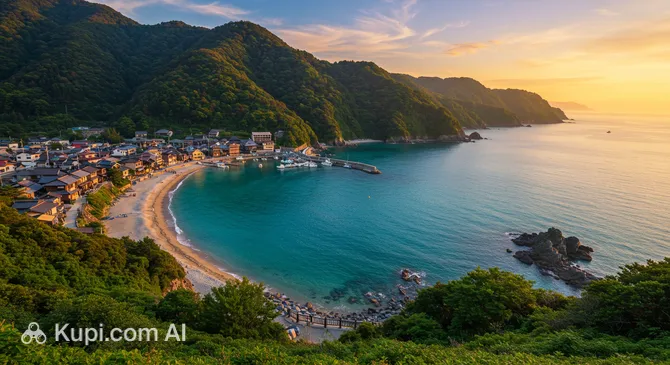
Wakasa. Illustration.
Source: Kupi.com AI

With a population of about 13,867 people, Wakasa retains the unique charm of a small Japanese town, where every corner breathes comfort and hospitality. Despite its modest size, the town plays an important role in preserving the region's cultural traditions and serves as a gateway to the natural and historical treasures of Fukui Prefecture. The climate here, like most of the Sea of Japan coast, is characterized by distinct seasons, with warm, humid summers and snowy winters, giving each time of year its own special charm.

Wakasa attracts travelers with its unique features. Among them is the opportunity to enjoy secluded beaches with pristine water, explore ancient monasteries holding centuries of history, and, of course, taste the freshest seafood that arrives at local markets straight from the morning catch. The town seems designed for leisurely strolls, contemplating picturesque landscapes, and immersing oneself in authentic Japanese culture.

If you dream of discovering Japan without the gloss and tourist crowds, experiencing the authentic atmosphere of the Japanese heartland, rich history, and sincere hospitality, a trip to Wakasa will be an unforgettable experience. This town will surely find a response in the heart of everyone looking for inspiration and peace.

More interesting facts can be found on the Wakasa city history page

Weather Overview

The weather in Wakasa is characterized by noticeable seasonal changes. Summer, especially in July and August, is quite warm, with average temperatures reaching 25-27°C and peak values around 29°C. This period also sees the highest rainfall, particularly in July. Winters, from December to February, are cool, with average temperatures around 5-7°C and minimums dropping to 3°C. Winter also sees a significant number of rainy days, especially in January and December. Spring and autumn offer more moderate temperatures and less rainfall compared to the peak seasons. Expect warm and humid summers with periodic rain and cool, also humid winters. For a more detailed forecast and monthly information, you can visit the Wakasa Climate page.

Average monthly temperature

Average monthly precipitation

Interesting Facts

In addition to its picturesque landscapes, Wakasa holds many surprising details and stories that make this town truly special. Here are just a few interesting facts to help you look at it from a new perspective:

  • Wakasa Bay is famous for having one of the cleanest waters in the Sea of Japan. The water here is so clear that on bright days, the surface of the bay turns into a giant mirror reflecting the sky and the surrounding mountains. This natural gem is part of an extensive Quasi-National Park.

  • A walk around the Wakasa Railway Station area is comparable to visiting an open-air museum. Old wooden buildings, authentic benches, and quiet streets have been preserved here, creating a unique atmosphere of the past, perfect for leisurely strolls and retro-style photography.

  • One of the main natural attractions near Wakasa is the unique Mikatagoko Five Lakes. This is a group of five lakes, each of which, according to legend, has its own unique shade of water. Legends say the lakes are interconnected by underground streams, and particularly breathtaking views of them open up during the momiji period – the autumn leaf fall.

  • The local Wakasa Railway is not just a means of transportation, but a real journey through time. A ride on this line allows you to enjoy classic Japanese landscapes, see charming wooden stations, and feel the slow, peaceful rhythm of life in this region.

How to Get There

A journey to this picturesque corner of Fukui Prefecture usually begins with arrival at one of the major transport hubs in neighboring regions, as there is no airport in the town of Wakasa itself. You can find all the details, schedules, and alternative routes on the more about how to get to Wakasa page.

Most foreign tourists choose to fly through the international airports of the Kansai or Chubu regions, from where they can continue their journey by train or car. Here are the most convenient options:

Kansai International Airport (IATA: KIX) is the main air gateway to the region, receiving many flights from all over the world. The airport is located in the city of Osaka, about 138 km from Wakasa. It is a large modern hub with excellent infrastructure. The journey from here to the destination by taxi or car will take approximately 3 hours and 50 minutes, though many prefer to use Japan's convenient railway system for the transfer.

Another option in Osaka is Itami Airport (IATA: ITM), which is significantly closer, at a distance of about 95 km from Wakasa. This airport mainly serves domestic flights, so it is convenient if you are flying with a transfer in Tokyo or another major Japanese city. The car journey from here takes about 2 hours and 40 minutes.

It is also worth considering Chubu Centrair International Airport (IATA: NGO) in Nagoya. It is located about 112 km from the town. This is a major international airport situated on an artificial island. A car trip to Wakasa will take about 3 hours and 10 minutes.

For clarity, here is a summary of the main airports:

AirportPassenger trafficDistance
Itami Airport14.8 mln95 km
Nagoya Airport735 00098 km
Tajima57 194102 km
Komatsu Airport1.8 mln104 km
Chubu Centrair International Airport12.3 mln112 km

In addition to air travel, rail transport plays an important role. Although there are no direct Shinkansen high-speed trains to Wakasa itself, travelers often reach major stations in Tsuruga or Kyoto and then transfer to local lines, such as the JR Obama Line, which passes through scenic areas and connects coastal towns. Intercity bus options or car rentals are also available for those who want to enjoy the views of the Sea of Japan coast at their own pace.

Main Attractions

Wakasa, snugly situated in Fukui Prefecture, beckons travelers with an amazing blend of natural splendor and rich historical heritage. This town is capable of enchanting everyone: from connoisseurs of serene lakeside landscapes to explorers of ancient streets that carefully preserve the atmosphere of bygone eras.

One of the region's most brilliant treasures is rightfully considered the Mikata Goko Lakes. This unique system of five bodies of water, each shimmering with its own hue due to varying salinity and depth, presents a truly enchanting sight. Guests can admire panoramic views from observation decks, go on a boat trip, or explore the surroundings by bicycle along specially designated routes. These places acquire a special charm in spring, during the cherry blossom season, and in autumn, when the mountain slopes burst into crimson and gold.

History buffs should definitely include Kumagawa-juku in their itinerary. This perfectly preserved Edo-period post town once served as an important hub on the trade route connecting Kyoto with the Sea of Japan coast. A walk along its cobblestone streets, past traditional wooden houses, allows you to feel the spirit of antiquity and seemingly step back several centuries into the past. Many of the old buildings now hospitably open their doors as small museums, souvenir shops, and cozy cafes offering local cuisine.

Fans of the open sea and amazing natural creations will not be left indifferent by the Sotomo Caves. These impressive rock formations and grottos, created by the tireless work of the Sea of Japan waves over centuries, adorn the coastline. The best way to fully appreciate their grandeur is a boat trip, which offers views of bizarre arches, stone pillars, and mysterious caves from a close distance. Crystal clear water and breathtaking landscapes make this place ideal for photography and creating vivid impressions.

Local Cuisine

The gastronomic scene of Wakasa is a real feast for seafood lovers. Thanks to its location by the bay, the town is famous for an abundance of fresh fish, crabs, and shellfish that come straight to the tables from fishing boats. If you dream of trying authentic Japanese cuisine based on high-quality seafood, Wakasa will not disappoint you.

One of the city's main gastronomic gems is "Wakasa-no sushi". This is a special variety of sushi where the fish is first marinated in vinegar and then laid on rice. This preparation method gives the dish a unique, slightly tangy flavor. Historically, "Wakasa-no sushi" was served at festivals and family celebrations, and today it remains a symbol of local hospitality and a must-have menu item for every gourmet visiting the town.

In addition to the famous sushi, in Wakasa it's worth paying attention to various wakame seaweed snacks found at local markets. Be sure to try traditional Japanese sweets, which will be a wonderful accompaniment to a cup of aromatic green tea grown on local plantations. As for drinks, besides tea, sake and various non-alcoholic fruit and rice-based drinks are popular here, as in all of Japan.

The food culture in Wakasa is closely tied to tradition and the availability of fresh produce. Locals and tourists often prefer small family restaurants where you can taste home-cooked dishes made with soul. Street markets also play an important role, offering not only fresh ingredients but also ready-made snacks. Gastronomic festivals create a special atmosphere, during which you can try seasonal delicacies, participate in sushi-making workshops, and even go fishing with the locals.

Overall, Wakasa's culinary scene is characterized by freshness, authenticity, and deep respect for tradition. This is a place where you can not only eat well but also touch true Japanese culture through its culinary heritage. A trip to Wakasa promises unforgettable taste experiences, especially for seafood lovers and those looking for a unique gastronomic experience in a peaceful and welcoming atmosphere.

Travel Tips

Planning a trip to the charming town of Wakasa? Wonderful! To ensure your journey through this corner of Japan goes smoothly and leaves only pleasant impressions, we have prepared some practical tips.

  1. Clothing and Essentials:

    The climate in Wakasa, as in the rest of Fukui Prefecture, is clearly divided by seasons. In summer (June-August), it is hot and humid – bring light, breathable clothing. In winter (December-February), it can be cold and snow is possible, so warm clothes, including a jacket, hat, and gloves, are mandatory. Spring and autumn offer moderate weather, ideal for layered clothing. A key element of your wardrobe is comfortable walking shoes. Don't forget an adapter for electrical appliances (Japan uses type A and B sockets, 100V voltage). When visiting temples and shrines, show respect by choosing modest clothing that covers shoulders and knees.

  2. Transport around Town and Surroundings:

    Wakasa is a small town, so the public transport system may consist mainly of local buses. To move between settlements in the region, you can use trains – for example, the Obama Line serves part of Wakasa Bay. Taxis are available but can be expensive. Taxi-calling apps are less common than in megacities. Renting a car can be a great solution if you plan to explore the scenic surroundings of Wakasa Bay and Fukui Prefecture at your own pace. For this, an international driving permit is required.

  3. Financial Matters:

    The local currency is the Japanese yen (JPY, ¥). It's best to exchange money at the airport upon arrival or at banks in major cities, as options in Wakasa itself may be limited. While card payments are becoming more common, cash is still very important, especially in small shops, restaurants, and ryokans. International cards are usually accepted at 7-Eleven (Seven Bank) ATMs and post offices (Japan Post Bank). Tipping is not customary in Japan – good service is already included in the price.

  4. Health and Safety:

    Pharmacies (薬屋, kusuriya) are easy to find, but staff may not always speak English. It is recommended to carry a basic set of medications with you. Japan is one of the safest countries in the world, and Wakasa is no exception. Standard precautions will help avoid minor troubles. Be sure to take out travel insurance before your trip. Also, remember that Japan is prone to earthquakes and typhoons (especially from May to October) – stay tuned to local alerts.

  5. Communication and Connectivity:

    The official language is Japanese. In small towns like Wakasa, the level of English proficiency among the local population may be low. Learn a few basic phrases: "konnichiwa" (hello), "arigato" (thank you), "sumimasen" (excuse me). For stable internet access, it is recommended to purchase a tourist SIM card or rent a pocket Wi-Fi router at the airport. Google Maps works great for navigation.

  6. Local Etiquette:

    Japanese people highly value politeness. A greeting is accompanied by a slight bow. In public places, especially in transport, try not to make noise. Eating or drinking on the go is not always welcomed. It is customary to remove shoes before entering a Japanese home, some temples, traditional restaurants, and ryokans. Following these simple rules will help you show respect for the local culture.

  7. What to Avoid:

    Never stick your chopsticks vertically into a bowl of rice – this is associated with funeral rituals. Also, avoid loud phone conversations in public places. Japan takes garbage sorting very seriously, so try to follow the local rules.

  8. A Special Tip for Wakasa:

    The Wakasa region is famous for its picturesque Wakasa Bay coastline and fresh seafood. Be sure to try local delicacies such as "heshiko" (fermented mackerel) or fresh crab if your visit falls during its fishing season (usually winter). This area is also historically connected with the "Saba Kaido" – the ancient "Mackerel Road," along which seafood was delivered to the country's interior. Exploring this part of history can be a fascinating addition to your trip.

We hope these tips help you better prepare for your journey and get the most out of getting to know the beautiful town of Wakasa and its surroundings. Have a smooth trip and unforgettable impressions!

Entertainment & Nightlife

Wakasa, a charming town in Fukui Prefecture, offers its guests a quiet and authentic evening experience that differs from the noisy nightlife of megacities. Here, you are unlikely to find large nightclubs or busy quarters with neon signs, but you can immerse yourself in the local atmosphere and enjoy socializing in a more intimate setting.

The basis of evening entertainment in Wakasa usually consists of traditional Japanese pubs – izakaya. This is a great place to try local dishes, sake, and other drinks in the company of locals. You can also look for small cozy bars or restaurants that serve dinner in a quiet environment. Karaoke, a popular entertainment in Japan, may be available in some establishments. To find specific places, especially those popular with locals, it's best to ask for recommendations at your hotel or simply stroll through the town's central streets in the evening.

The atmosphere in such establishments is usually friendly and relaxed. The dress code is generally casual, so you can feel comfortable. Most places stay open until late evening, but don't expect them to be open all night like in major cities. The crowd is predominantly local, which provides an excellent chance to truly touch Japanese culture. Prices are likely to be moderate, which is also a nice bonus.

When planning an evening out, it's better to aim for the early evening. Moving around Wakasa at night will likely require walking or taking a taxi, as public transport schedules may be limited late at night. The town is considered safe for night walks, which is typical for small Japanese settlements, but one should always take standard precautions. If you need a taxi, you can ask to have one called from the establishment where you are relaxing or from your hotel.

While the nightlife in Wakasa has its own quiet and measured character, the town also offers interesting leisure options during the day. You can explore local temples, enjoy the scenic natural beauty of the region, visit small museums dedicated to the history and culture of Wakasa, or get acquainted with the traditional crafts that Fukui Prefecture is famous for.

Parks & Museums

The town of Wakasa, located in Fukui Prefecture, invites travelers to enjoy a harmonious combination of peaceful natural landscapes and rich cultural heritage. Charming parks and educational museums await you here, ready to reveal their secrets and offer unforgettable experiences.

Among the green zones of Wakasa, the Mikatagoko Rainbow Line Summit Park stands out. After climbing up here along a scenic road, you will be rewarded with breathtaking panoramic views of the Five Lakes of Mikata, each featuring its own unique water hue. This is an ideal place for photographers, fresh air lovers, and those who enjoy leisurely walks along observation decks. Another notable spot is the Jomon Roman Park, offering a fascinating journey into the prehistoric Jomon period. Here you can see reconstructions of dwellings from that time and learn about the daily lives of ancient people. This open-air park combines museum elements with a recreation area, making it attractive for family visits. Additionally, the entire Wakasa coastline is famous for its natural beauty, providing excellent opportunities for scenic walks and enjoying the sea breeze.

To dive deeper into the region's history and culture, be sure to visit the Wakasa Museum of History and Folklore. Its exhibits cover a wide range of topics – from ancient artifacts found on this land to the traditions and lifestyle of the local population throughout the centuries. This is a key place for understanding Wakasa's identity. No less significant as a historical site is Kumagawa-juku – a beautifully preserved former post town on the old Saba Kaido ("Mackerel Road"). A walk through its traditional streets, lined with old merchant houses, transports you back to the Edo period. Many of these buildings have now been turned into small shops, cafes, and sometimes mini-museums telling the town's story. It is an outstanding architectural and historical monument.

For an authentic experience, don't miss the chance to stop by small local shrines and temples, often tucked away in quiet corners of Wakasa – they will provide moments of peace and reflection. Also, exploring the local fishing ports will allow you to touch the city's maritime heritage and perhaps taste the freshest seafood.

Getting Around

Getting around Wakasa and its surroundings is possible by public transport, although its system is not as extensive as in major Japanese cities. The backbone of the transport network consists of local buses, which connect different parts of the town and nearby settlements. Trains also play an important role, especially if you plan trips to other cities in Fukui Prefecture or beyond. For example, the JR Obama Line passes through the Wakasa region, which can be convenient for travelers.

The fare payment system is fairly standard for Japan. In buses, payment is most often made in cash directly to the driver upon boarding or exiting (depending on the specific bus operator's system). It is recommended to have small change with you. IC cards (e.g., ICOCA) may be accepted on some routes, but it's better to check in advance, especially for small local companies. Train tickets are purchased at ticket offices or machines at railway stations. IC cards are usually accepted without issues on JR lines here.

Tourists should note that buses in small towns like Wakasa may run at long intervals, especially in the evenings and on weekends. It's best to check schedules in advance at stops or, if possible, online. Railway stations are usually the main transport hubs where you can get information and purchase tickets. Entering a bus is often through the back door (where you can take a ticket if the system involves zone-based payment), and exiting is through the front, with payment to the driver.

As an alternative to public transport in Wakasa, you can consider taxis. They can be found at stations or called by phone, though this will be a more expensive option. For greater freedom of movement around the region, especially if you plan to visit remote natural attractions, car rental can be a convenient option. Bicycle rental may be available at some tourist spots, which is a great way for a leisurely tour of the surroundings, especially considering the region's scenic nature.

Accommodation

When planning a trip to Wakasa, you will find a variety of accommodation options to suit different preferences and budgets. The town offers a choice ranging from traditional Japanese inns (ryokans) and guest houses (minshuku), where you can immerse yourself deeper into the local culture, to more modern hotels and possibly private rental options, especially if you are seeking privacy or traveling in a group.

When choosing a place to stay in Wakasa, look for areas located near the town's main attractions or transport hubs, which will make your movement more convenient. For those who value nature and tranquility, options located closer to the coast or picturesque natural spots may be suitable. Since Wakasa is not a metropolis, most interesting places will likely be within reasonable reach from different parts of the town.

While Wakasa may not have a large number of major international hotel chains, local hotels and ryokans offer an authentic experience and hospitality. It is recommended to check reviews and available options on popular online booking platforms to find the hotel or guest house that best suits you. Unfortunately, specific data for famous hotels to mention directly is currently unavailable.

The price range for accommodation in Wakasa varies from budget options like guest houses to more expensive offerings in comfortable hotels or traditional ryokans with full board. To ensure the best choice and prices, especially during the peak tourist season or local festivals, it is recommended to book accommodation in advance. Most options can be found and booked through well-known international and Japanese online travel services, as well as directly on hotel websites, if available.

Nearby Cities

For those who want to explore the surroundings, Wakasa serves as an excellent starting point for day trips to several interesting nearby places:

CityPopulationDistance
Obama28 14216 km
Tsuruga63 72417 km
Takashima46 24625 km
Oi17 06227 km
Takahama48 68533 km

These nearby destinations allow you to get a sense of the region's diverse culture and landscapes, complementing the experience of visiting Wakasa.

Shopping & Souvenirs

Shopping in Wakasa offers a unique experience, distinct from the hustle of large metropolises. The town is famous for its traditional crafts and fresh local products. You won't find huge shopping malls with global brands here, but you can immerse yourself in the atmosphere of authentic Japan and acquire truly special items. Primary focus should be given to handmade products, such as the famous Wakasa-nuri lacquerware and exquisite Wakasa menou zaiku agate jewelry.

In Wakasa, the main shopping points are usually concentrated along the central streets or near tourist attractions and the railway station. These might be small family-owned shops, craft workshops, and stalls offering local delicacies. Strolling through such streets allows you not only to make purchases but also to better feel the local flavor.

Large modern shopping centers, familiar to residents of big cities, are unlikely to be found in Wakasa. Shopping here has a more intimate character. You might find small local department stores or shopping rows that offer everyday goods and some souvenirs, but the main emphasis is on specialized shops and workshops.

Be sure to consider visiting local markets, if available. In coastal Japanese towns like Wakasa, you can often find morning markets selling the freshest seafood, seasonal vegetables and fruits, as well as local pickles and other delicacies. This is a great place to try local specialties and observe the daily life of the townspeople. Sometimes craft items can also be found at the markets.

From Wakasa, it's worth bringing back unique souvenirs that reflect the region's culture and traditions. Look out for:

Wakasa-nuri products: This is the famous local lacquerware (chopsticks, bowls, trays) with a characteristic complex pattern reminiscent of the seabed. Each item is unique and handmade.

Agate products (Wakasa menou zaiku): Exquisite jewelry, figurines, and other items made of agate, processed using ancient technology. These could be pendants, earrings, or small decorative elements.

Local products: Dried seafood, canned sea gifts, local sake or plum wine (umeshu), as well as traditional Japanese sweets (wagashi).

Ceramics and other crafts: In Fukui Prefecture, where Wakasa is located, other types of crafts are also developed, so keep an eye out for ceramic products or locally produced textiles.

Most small shops and stalls in Wakasa are usually open from 10:00 to 18:00 or 19:00. Some may close for a lunch break. Markets, especially fish markets, start working very early in the morning and may close by noon. Regarding payment, in Japan, especially in small towns and traditional shops, cash is still widely used. Although the number of places accepting credit cards is growing, it is recommended to always have enough yen with you.

Foreign tourists in Japan can take advantage of the tax refund system (Tax Free) for purchases over 5000 yen (excluding tax) in one store in one day. Look for shops with the "Japan Tax-Free Shop" logo. To process the tax refund, you will need to present your passport. Usually, the procedure takes place right in the store when paying for the goods.

Reached the end of the page?

That means the route is fully explored