Support

Tsuruga

About

Tsuruga is a charming port city nestled on the coast of the Sea of Japan, in the southern part of Fukui Prefecture. Thanks to its strategic geographical position on the eponymous bay, surrounded by picturesque green hills and pine groves, Tsuruga has long served as an important maritime gateway for the region, where trade routes intersected. Today, the city is home to about 64,000 people, creating an intimate yet lively atmosphere. It is not just a port, but a significant transport hub and cultural center that carefully preserves its history and traditions, making it a wonderful place to experience the authentic Japan.
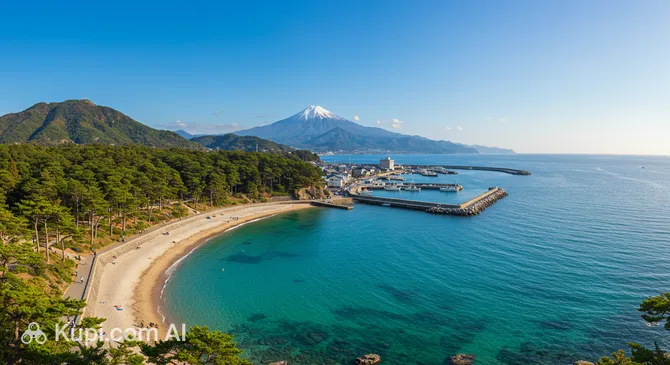
Tsuruga. Illustration.
Source: Kupi.com AI

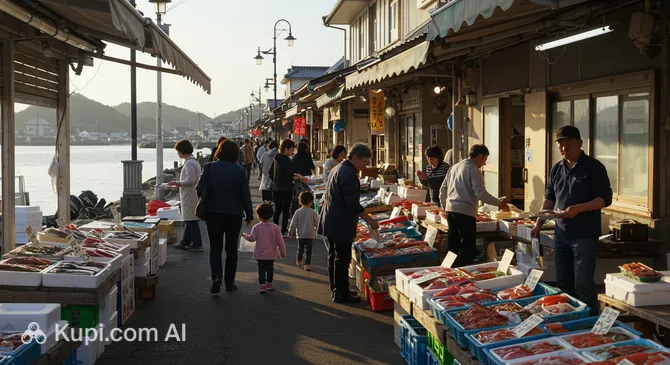
The atmosphere of Tsuruga is surprisingly harmonious: here, old red brick warehouses, reminiscent of a rich trading past, stand alongside modern cafes, and ancient shrines peacefully overlook the hustle and bustle of vibrant fish markets where you can taste the freshest seafood. The city transforms with each season: in spring it is bathed in delicate cherry blossoms, in summer it beckons with its beaches and shady pine alleys, and in autumn it captures the imagination with a bright palette of momiji maple leaves.

Tsuruga is a city for those looking for more than just standard tourist attractions, but for genuine impressions and emotions. Here you can feel the breath of history, enjoy the beauty of nature, and, of course, taste the magnificent seafood for which this region is famous. Visit Tsuruga to discover another amazing facet of the Land of the Rising Sun!

You can find more interesting facts on the Tsuruga city history page.
Weather Overview

The weather in Tsuruga shows distinct seasonal fluctuations. Summer, peaking in July and August, is warm here: the average temperature stays around 25-26°C, and the maximum can rise to 27-28°C. The summer months are also characterized by regular precipitation, with July being one of the wettest months. Winters, especially from December to February, are quite cool, with average temperatures ranging from 3.8°C to 6.1°C and many days with precipitation, making them damp and cold.

Overall, expect a warm summer with occasional rain and cold, damp winters. The spring and autumn months offer milder and transitional weather conditions. For more detailed information about the weather by month, including the number of sunny days and other useful data for planning your trip, we recommend visiting our dedicated page: Tsuruga Climate.

Average monthly temperature

Average monthly precipitation

Interesting Facts

In addition to its well-known attractions, Tsuruga hides many amazing stories and unique features that make this city even more attractive to curious travelers. Here are just a few of them:

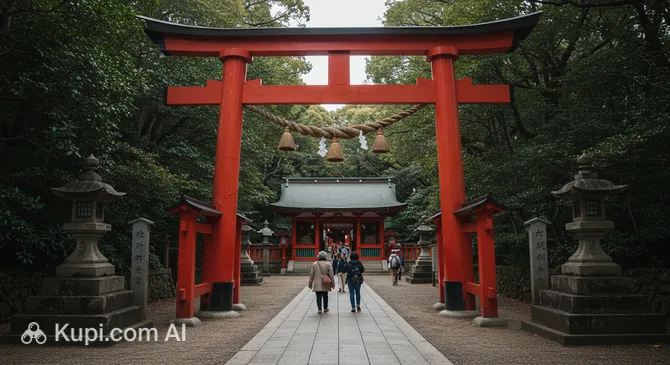
Kehi Shrine Main Torii. Illustration.
Source: Kupi.com AI

Traveler photos:

  • One of the main symbols of the city is Kehi-jingu Shrine, founded back in 702. Its famous torii gate, standing 11 meters high, is considered one of the three largest in all of Japan. Locals revere the shrine as a patron of sailors and fishermen, while tourists appreciate it for its photogenicity.

  • Tsuruga has preserved old red brick warehouses built over a century ago to store oil. Today, these atmospheric buildings house a diorama museum recreating city life during the Showa era, complete with a working model railway. You can also find restaurants here offering local cuisine.

  • The surroundings of Tsuruga boast the unique Nakaikemi Wetland, which is recognized as a Ramsar Convention site. This is an important habitat for rare bird and plant species, attracting fans of ecotourism and nature observation.

  • Tsuruga is also known for its hot springs. Remarkably, one of the onsens, Tsuruga Tunnel Onsen, was discovered completely by accident during the construction of the Hokuriku Tunnel. Thus, an unexpected find turned into a popular spot for therapeutic bathing.

How to Get There

When planning a trip to this picturesque port city, it is important to think about your route in advance. Tsuruga is a significant transport hub in the Hokuriku region, so you can reach it in various ways. You can find out more details on how to get to Tsuruga by exploring all available options, from flights to high-speed trains.

There is no airport within Tsuruga itself, so travelers must use the air gateways of neighboring cities. One of the most convenient options for international tourists is Chubu Centrair International Airport (IATA: NGO), located in Nagoya. This is a major transport hub with high passenger traffic, receiving flights from all over the world. It is located about 111 km from Tsuruga. A trip by taxi or car from here will take about 3 hours (approximately 185 minutes), however, most tourists prefer to use the rail links connecting the airport to the region.

If you are looking for a closer option, consider Komatsu Airport (IATA: KMQ), which is located in the city of Komatsu, about 89 km from Tsuruga. This is an important regional airport serving both domestic and some international flights. The drive from Komatsu Airport to central Tsuruga takes about 2.5 hours (approximately 155 minutes). It is also worth mentioning Itami Airport (IATA: ITM) in Osaka. Located 110 km from the city, it is a key hub for domestic flights within Japan.

For clarity, here is a summary of the main airports through which you can reach the region:

AirportPassenger trafficDistance
Komatsu Airport1.8 mln89 km
Nagoya Airport735 00090 km
Itami Airport14.8 mln111 km
Chubu Centrair International Airport12.3 mln111 km
Tajima57 194116 km

Rail travel is perhaps the most popular and comfortable way to reach Tsuruga. The city is served by Tsuruga Station, which is the most important transport hub in Fukui Prefecture. Recently, the station became the terminus for the extended Hokuriku Shinkansen high-speed line, allowing you to reach here from Tokyo without transfers in record time. Additionally, regular limited express trains pass through the station, such as the "Thunderbird" from Osaka and Kyoto, as well as the "Shirasagi" from Nagoya, making the city easily accessible from Japan's largest metropolises.

Besides trains, Tsuruga can be reached by intercity buses or by car via the Hokuriku Expressway, which passes through the city and connects it with other regions of Honshu island. A car journey will allow you to enjoy scenic views of the Sea of Japan coast along the way.

Main Attractions

Tsuruga, a city with a rich history and picturesque nature on the coast of the Sea of Japan, offers tourists many interesting places to visit. Among them, several key attractions stand out, allowing for a deeper acquaintance with the culture and beauty of this corner of Japan.

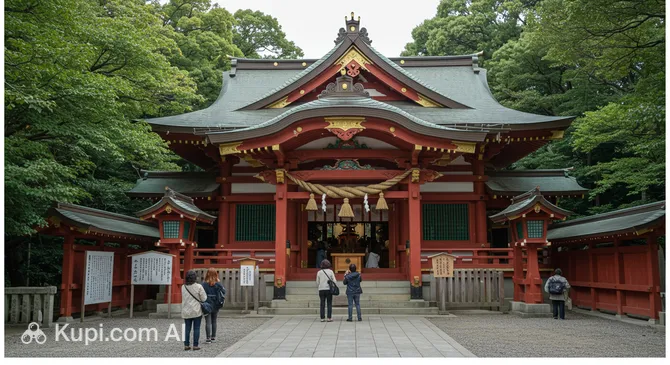
One of the city's main gems is Kehi Shrine (Kehi-jingu). This ancient Shinto shrine plays an important role in the spiritual life of the region, attracting visitors with its majestic architecture and peaceful atmosphere. It is dedicated to deities associated with seafaring, fishing, and agriculture, and is a venue for colorful traditional festivals.

Kehi Shrine. Illustration.
Source: Kupi.com AI

Traveler photos:

The Kehi Shrine is especially famous for its Grand Torii Gate. These impressive bright red gates, built in 1645, are considered one of the three greatest wooden torii in Japan and are an important cultural asset of the country. Their monumental appearance and skillful craftsmanship leave a lasting impression on every guest, symbolizing the entrance to a sacred space.

Kehi Shrine Main Torii. Illustration.
Source: Kupi.com AI

Traveler photos:

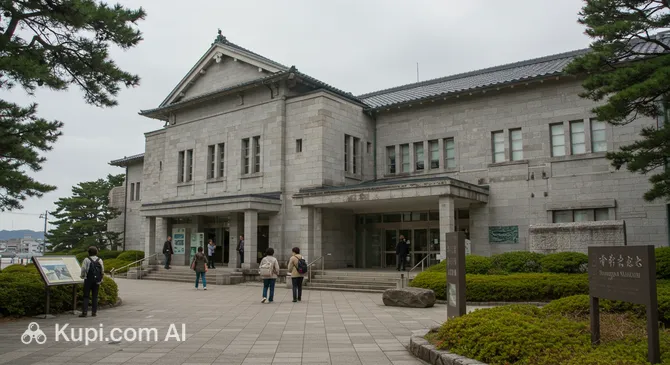
A no less significant and moving place is the Port of Humanity Tsuruga Museum. This unique museum tells an important historical chapter about how the port of Tsuruga received thousands of Jewish refugees in 1940-1941 who were fleeing persecution in Europe. They arrived with "visas for life" issued by the Japanese consul Chiune Sugihara. The museum's exhibition is dedicated to this act of humanity and international solidarity, reminding us of the importance of compassion.

Port of Humanity Tsuruga Museum. Illustration.
Source: Kupi.com AI

Traveler photos:

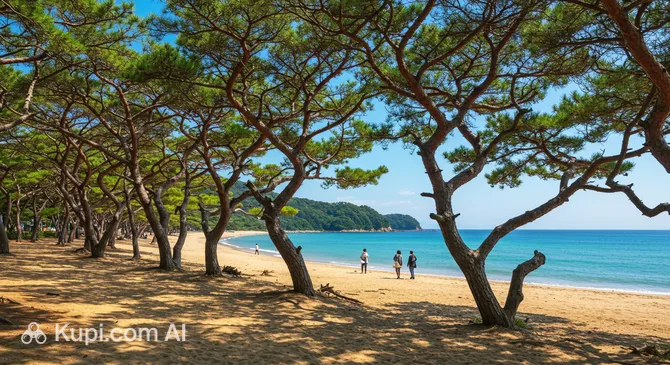
Nature lovers and those who appreciate beautiful landscapes should definitely visit Kehi-no-Matsubara. This picturesque pine grove, stretching for a kilometer along the coast of Tsuruga Bay, is among the three most famous pine groves in Japan, along with Miho-no-Matsubara and Niji-no-Matsubara. The contrast of white sand, blue bay waters, and evergreen pines creates a tranquil landscape perfect for walking, picnics, and watching sunsets.

Kehi no Matsubara. Illustration.
Source: Kupi.com AI

Traveler photos:

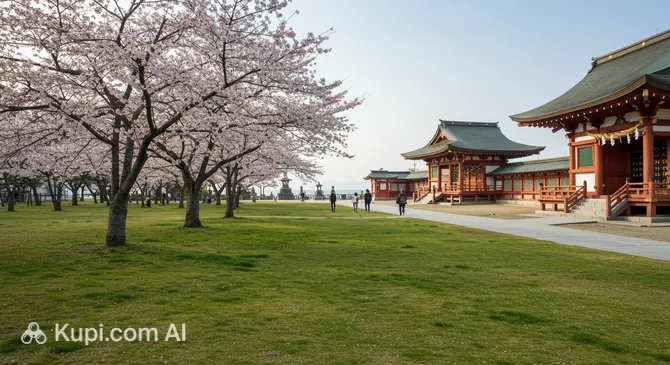
Rounding out our list of recommended places is Kanegasaki Park (Kanegasaki-gu). Located on a hill offering beautiful panoramic views of the city, the port of Tsuruga, and the bay, this park is known not only for its natural beauty—especially when about a thousand cherry trees bloom in spring—but also for its historical significance. On the park's grounds are the ruins of Kanegasaki Castle, a site of important historical battles, as well as the Kanegasaki-gu shrine, dedicated to princes associated with local history.

Kanegasaki Park. Illustration.
Source: Kupi.com AI

Traveler photos:

Local Cuisine

Tsuruga is a true paradise for seafood lovers, as the city is famous for its abundant catches from the Sea of Japan. All year round, you can enjoy the freshest gifts of the sea here, but the main gastronomic gem is the Echizen crab. This delicacy attracts gourmets from all over Japan, and trying it is a must for any guest in Tsuruga. In addition to crabs, local waters generously provide oysters, squid, and various types of fish that form the basis of local cuisine.

In Tsuruga's numerous sushi bars and traditional Japanese restaurants, you will be offered amazing sashimi and sushi prepared from freshly caught fish. Dishes made from squid and sea urchins are particularly popular. Be sure to try grilled fish, often served with seasonal vegetables, as well as rich fish-based soups and fragrant rice with seafood. One place where you can appreciate the skill of local chefs is the restaurant Uogin, known for its fresh fish dishes.

Uogin. Illustration.
Source: Kupi.com AI

Traveler photos:

Food culture in Tsuruga is closely linked to the sea. The city's street markets hum with the lively atmosphere of an authentic Japanese bazaar: here you can not only buy the freshest seafood but also try appetizing yakitori (grilled skewers), various seaweed snacks, and traditional local sweets. Many cafes and small restaurants carefully preserve old recipes, passing them down through generations. Additionally, Tsuruga regularly hosts gastronomic festivals where you can not only sample the region's best dishes but also participate in fascinating workshops, such as sushi making or dressing the famous Echizen crab.

As for drinks, a meal in Tsuruga is perfectly complemented by traditional Japanese sake, especially those brewed in Fukui Prefecture, or shochu. Among non-alcoholic beverages, fragrant green tea is, of course, popular and pairs perfectly with Japanese cuisine. You can also find a variety of lemonades and juices in local establishments.

Travel Tips

Welcome to Tsuruga! To make your journey to this charming port city in Japan as comfortable and pleasant as possible, we have prepared some practical tips. We hope they help you better plan your trip and enjoy every moment.

  1. Clothing and Essentials:

    The climate in Tsuruga is temperate, with four distinct seasons. In summer (June-August) it is hot and humid, so choose light, breathable clothing. In winter (December-February) it can be chilly, and snow occasionally falls, so warm clothes, including a hat and gloves, will be very useful. Spring and autumn offer comfortable weather, perfect for walking. Be sure to bring comfortable shoes, as you will likely want to explore the city on foot. Don't forget an adapter for your electronics (Japan uses type A and B sockets, 100V voltage). When visiting temples and shrines, choose modest clothing that covers your shoulders and knees.

  2. Transport:

    It is convenient to get around Tsuruga and its surroundings via local buses and JR trains. Transport runs on schedule, which is usually strictly observed. Information on routes and tickets can be obtained at stations or tourist information centers. Taxis are available but are a more expensive option. Taxi-hailing apps like JapanTaxi or Go can be useful. Car rental can be considered if you plan to actively explore Fukui Prefecture, but for moving within the city itself, public transport is often more practical.

  3. Finances:

    The official currency is the Japanese Yen (JPY). You can exchange money at airports upon arrival, in banks, or at specialized exchange offices. Credit cards (Visa, Mastercard, JCB) are accepted in many hotels, large stores, and restaurants; however, it is highly recommended to always carry some cash, especially for payments in small cafes, local shops, temples, and markets. ATMs that accept international cards can be found in post offices (Japan Post Bank) and in convenience stores (e.g., 7-Eleven). There is no tipping culture in Japan; an attempt to leave a tip may be met with confusion.

  4. Health and Safety:

    Pharmacies (薬局 - yakkyoku, or ドラッグストア - doraggusutoa) exist in Tsuruga, but the range of medicines may differ from what you're used to, and many are prescription-only. It's better to bring a basic set of medications with you. 24-hour pharmacies are rare. Before your trip, be sure to take out travel medical insurance. Tsuruga, like Japan in general, is considered a very safe city with low crime. Nevertheless, take basic precautions: keep an eye on your belongings in crowded places and don't leave valuables unattended.

  5. Communication:

    The official language is Japanese. In tourist areas, hotels, and at major transport hubs, staff may speak English, but overall, the level of foreign language proficiency is not very high. Learn a few simple Japanese phrases such as "konnichiwa" (hello), "arigato gozaimasu" (thank you very much), "sumimasen" (excuse me/sorry)—this will help establish contact with locals and will be appreciated by them. For constant internet access, consider buying a local SIM card or renting a pocket Wi-Fi router. Free Wi-Fi is available in many hotels, some cafes, and public places.

  6. Local Etiquette:

    Bowing is an important part of Japanese etiquette and is used for greetings, goodbyes, apologies, and expressing gratitude. The depth of the bow depends on the situation. As a tourist, a slight nod of the head will be sufficient. Upon entering a Japanese home, some temples, traditional restaurants, and inns (ryokans), you must remove your outdoor shoes. In public places, especially on transport, try not to talk loudly on the phone and maintain silence.

  7. What to Avoid:

    One of the main taboos at the table is not to stick your chopsticks vertically into a bowl of rice, as this resembles a funeral ritual. Also, do not pass food with chopsticks to another person. Try not to blow your nose in public; if necessary, it's better to go to the restroom. Loud talking and laughing in public places, especially on transport, may be perceived negatively.

  8. Additional Tip:

    Tsuruga is a historic port city known for its superb seafood. Don't miss the chance to visit the local Nihonkai Sakana Machi fish market and try the freshest sashimi, sushi, or crabs. The city is also famous for its picturesque bay and historical attractions like the Tsuruga Red Brick Warehouse, so set aside time for leisurely walks and enjoying the atmosphere.

We hope these tips make your stay in Tsuruga even more memorable. We wish you an exciting journey and bright impressions from discovering this beautiful Japanese city!

Entertainment & Nightlife

Evening Tsuruga offers its guests a cozy and relaxed atmosphere, far from the noise of megacities. While there may not be a huge selection of loud nightclubs, the city provides plenty of opportunities for a pleasant time after sunset, especially if you appreciate good food and quiet gatherings.

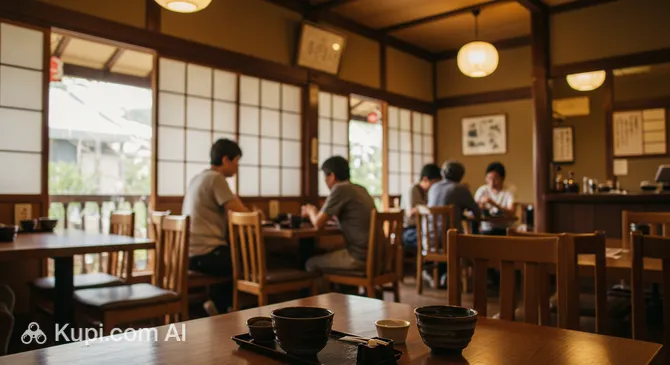
The main evening life is concentrated around restaurants and traditional Japanese pubs—izakayas. Here you can enjoy local cuisine, the fresh seafood the region is famous for, and of course, sake or other beverages. Many establishments offer a cozy setting ideal for dinner and conversation. For example, you can visit the restaurant Uogin, known for its dishes, or stop by Chigusa Soba to try local soba noodles in a pleasant atmosphere. These places are perfect for starting the evening or spending it entirely over delicious food and drinks.

Chigusa Soba. Illustration.
Source: Kupi.com AI

Traveler photos:

Although Tsuruga does not have distinct nightlife districts with many clubs, some bars and restaurants, especially near the train station or central shopping streets, stay open until late in the evening. The atmosphere in such places is usually friendly and welcoming, attracting both locals and tourists. The dress code is generally casual. The best time to visit is Friday and Saturday evenings when establishments are most lively.

Regarding practical tips, average prices in restaurants and bars are moderate. After public transport stops running, taxis become the main way to get around at night. Calling a car is usually easy, especially from central areas. Tsuruga, like most cities in Japan, is considered a safe place for night walks, though basic precautions should always be taken.

During the day, Tsuruga offers other types of entertainment. You can immerse yourself in history and culture by visiting the Port of Humanity Tsuruga Museum or the interesting Tsuruga Railway Museum. For nature lovers and outdoor enthusiasts, the scenic Kehi-no-Matsubara with its pine grove or Kanegasaki Park are ideal. It is also worth seeing the majestic Kehi Shrine and its famous Grand Torii Gate.

Parks & Museums

Tsuruga invites its guests to enjoy a harmonious combination of picturesque natural spots and rich cultural heritage. The city offers both quiet green areas for relaxation and fascinating museums that tell of its multifaceted history.

Among the natural attractions, Kehi-no-Matsubara stands out—a magnificent pine grove stretching along the coast of the Sea of Japan. It is one of the three great pine coasts of Japan, an ideal place for walks, picnics, and watching sunsets. Another iconic spot is Kanegasaki Park, located on a hill with the ruins of Kanegasaki Castle. The park is famous for its cherry trees, which attract many visitors in spring during the cherry blossom season, as well as the panoramic views of Tsuruga Bay it offers.

Kehi no Matsubara. Illustration.
Source: Kupi.com AI

Traveler photos:

The city's cultural life is equally rich. A key institution is the Port of Humanity Tsuruga Museum. It tells the touching story of how the port of Tsuruga became the gateway to Japan for Jewish refugees escaping persecution during World War II. The museum's exhibition is dedicated to this humanitarian act and the history of the port. Another interesting site is the Tsuruga Railway Museum, which introduces visitors to the history of railway development in the region, which played an important role in the modernization of Japan. Here you can see old locomotives and learn about Tsuruga's significance as a major transport hub.

Port of Humanity Tsuruga Museum. Illustration.
Source: Kupi.com AI

Traveler photos:

Speaking of history and architecture, one cannot fail to mention Kehi Shrine—one of the main Shinto shrines in the Hokuriku region. It is known for its majestic Grand Torii Gate, which is considered one of the largest wooden torii gates in Japan. The shrine plays an important role in the spiritual life of the city and is a venue for colorful festivals.

Kehi Shrine. Illustration.
Source: Kupi.com AI

Traveler photos:

For a more authentic experience, stroll through the old streets in the port area, where the atmosphere of past times has been preserved. It is also worth paying attention to the small local temples and gardens, which are often hidden from the main tourist routes but offer peace and the opportunity to touch the everyday life of the city.

Getting Around

The main form of public transport in Tsuruga is the bus, which connects various districts of the city and its surroundings. Rail transport, represented by JR West lines, plays an important role for longer-distance travel and connections with other cities, but it can also be useful for accessing parts of Tsuruga if they are near stations.

The bus network in Tsuruga is managed by local companies. When boarding a bus, it is usually necessary to take a paper slip (整理券 – seiriken) with your boarding stop number. If the bus is equipped with an IC card system, you can tap your card on the reader upon entry. Payment is made when exiting: you either drop the cash along with the slip into the fare box next to the driver (the amount is shown on an electronic display at the front of the bus based on your slip number), or tap your IC card on the reader again. It is recommended to have small coins on you, as the change machine with the driver may not accept all bills or have a limited supply of change.

For paying fares on buses and JR trains, Japanese IC transport cards are very convenient. In the region where Tsuruga is located, the main card is ICOCA, issued by JR West. Due to the interoperability system, other popular IC cards like Suica or Pasmo may also be accepted, although topping them up might be limited outside their main zones of operation. Of course, cash is accepted everywhere. In some cases, such as for tourist routes or when planning many trips in a day, special one-day passes may be available. It's best to check for information about these at Tsuruga station or at the local tourist information center.

Train tickets are purchased at ticket machines in stations or at ticket offices (midori-no-madoguchi). When using an IC card, simply tap it on the reader at the ticket gate when entering and exiting the station. Bus and train schedules can be found at stops, stations, and on official transport company websites (often information is primarily in Japanese). Public transport in Tsuruga usually starts early in the morning and ends in the evening, but service frequency may decrease during evening hours, as well as on weekends and holidays.

In addition to buses and trains, alternative ways to get around exist in Tsuruga. Taxis can be found at designated stands, primarily at the railway station, or called by phone. This is a more expensive but comfortable option, especially for trips with luggage or late at night. For a leisurely exploration of the city and its picturesque coastal areas, renting a bicycle can be an excellent option. Rental points are often located near the station or popular tourist spots. If you plan to more actively explore Fukui Prefecture and the surroundings of Tsuruga, you might consider renting a car.

Accommodation

When planning a trip to Tsuruga, you will find a variety of accommodation options to suit different preferences and budgets. The city offers both modern hotels and more traditional Japanese inns, allowing every traveler to choose the most suitable option for themselves.

For convenience in moving around the city and its surroundings, many tourists prefer to stay in hotels located near Tsuruga Station. This provides easy access to public transport. Accommodation options near main attractions, such as Kehi Shrine or the picturesque Kehi-no-Matsubara pine forest, are also popular. In Tsuruga, you can find standard city hotels as well as cozy ryokans (traditional Japanese inns) or guesthouses (minshuku) offering a more authentic stay.

The price range for housing in Tsuruga varies from budget options to mid-range hotels. There may not be as many luxury resorts here as in major metropolises, but comfortable and high-quality options are available. It is recommended to book accommodation in advance, especially if your trip coincides with peak tourist seasons, such as the cherry blossom season or autumn foliage viewing, as well as during local festivals. The most common booking methods are popular online platforms and direct inquiries on hotel websites.

Nearby Cities

For those looking to explore the surroundings, Tsuruga serves as an excellent starting point for day trips to several interesting nearby locations:

For example, a trip to Fukui, the administrative center of the eponymous prefecture, will allow you to discover the region's historical heritage by visiting the ruins of Fukui Castle or the picturesque Yokokan Garden. The city is also known for its museums, including the famous Fukui Prefectural Dinosaur Museum, which will be of interest to both adults and children.

Another attractive destination is Hikone, located on the shores of Lake Biwa, the largest lake in Japan. The city's main jewel is the magnificent Hikone Castle—one of the few original castles in the country preserved to this day. A stroll through its grounds and the adjacent Genkyu-en Garden will leave an unforgettable impression.

Nearby is also Nagahama, another city on the shores of Lake Biwa. It attracts tourists with its historical Kurokabe Square district, featuring glass workshops and traditional shops, as well as the reconstructed Nagahama Castle and the chance to learn more about the Hikiyama Festival.

CityPopulationDistance
Wakasa13 86717 km
Echizen80 26430 km
Obama28 14233 km
Takashima46 24633 km
Hikone115 44135 km

These nearby destinations provide an insight into the diverse culture and landscapes of the region.

Shopping & Souvenirs

Shopping in Tsuruga offers tourists the chance to get to know local goods and products, especially those related to the sea, given the city's status as a port. Although Tsuruga is not a major shopping center with huge malls, you can find authentic Japanese items and the freshest seafood here.

The main shopping spots are concentrated in the area of the JR Tsuruga railway station and on the streets adjacent to it. Here you will find a variety of shops, from small souvenir stalls to specialized stores offering local delicacies. A walk through the city's central streets will also reveal interesting places to shop.

Tsuruga does not have the giant shopping centers common in megacities. Instead, shopping is represented by medium-sized department stores, supermarkets, and many small private shops. This format allows you to immerse yourself deeper into the local atmosphere and find unique items not found in large chain malls.

Special attention should be paid to local markets, especially if you are interested in fresh seafood. In the port part of the city, you can find markets where fishermen sell their morning catch. This is a great place not only for shopping but also to observe the daily life of the locals and perhaps try the freshest sashimi or other sea delicacies.

As souvenirs from Tsuruga, it is worth bringing back products made from local seafood, such as dried fish, canned delicacies, or the famous kombu seaweed. Products by local artisans and sake from Fukui Prefecture are also popular. Don't forget small souvenirs related to iconic places like Kehi Shrine, which can be found in nearby shops.

Most shops in Tsuruga are open from about 10:00 or 11:00 AM to 7:00 or 8:00 PM. Small family-run shops may have their own, more flexible schedules. Regarding payment, cash (Japanese yen) is still widely used, especially in markets and small shops. However, most department stores, supermarkets, and tourist-oriented places accept credit cards.

For foreign tourists in Japan, a Tax Free system is in place. When purchasing goods for a certain amount (usually over 5,000 yen excluding consumption tax) in shops with the appropriate license (look for the "Japan Tax-free Shop" sign), you can arrange a tax refund. You will need your passport for this. Check the conditions directly in the stores.

Reached the end of the page?

That means the route is fully explored